
How to Use a Torque Wrench Properly: Step-by-Step Guide
Learn how to use a torque wrench properly with our step-by-step guide. Ensure accurate torque for safety and performance. Read now!


Why Proper Torque Wrench Usage Matters
A torque wrench is one of the most critical precision tools in any mechanic's arsenal, yet it's also one of the most commonly misused. Whether you're tightening lug nuts, assembling an engine, or working on sensitive equipment, applying the correct torque is essential for safety, performance, and longevity. Over-tightening can strip threads, warp components, or cause catastrophic failure, while under-tightening can lead to loose fasteners and dangerous situations. In this step-by-step guide, we'll walk you through the proper techniques to use a torque wrench correctly, ensuring your work is accurate and your tools last for years.
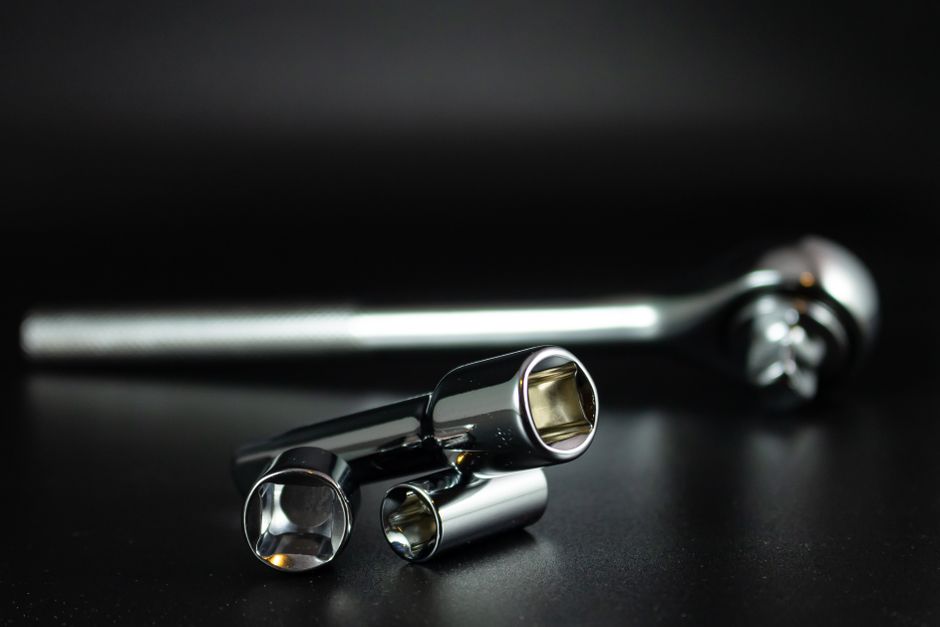
Understanding Torque and Torque Wrenches
Torque is a measure of rotational force, typically expressed in foot-pounds (ft-lb), inch-pounds (in-lb), or Newton-meters (Nm). A torque wrench is a calibrated tool designed to apply a specific amount of torque to a fastener. There are several types, including click-type, beam, dial, and digital, but the click-type is the most common for general automotive and DIY use. Each type has its own method of indicating when the desired torque is reached, but the fundamental principles of use remain similar.
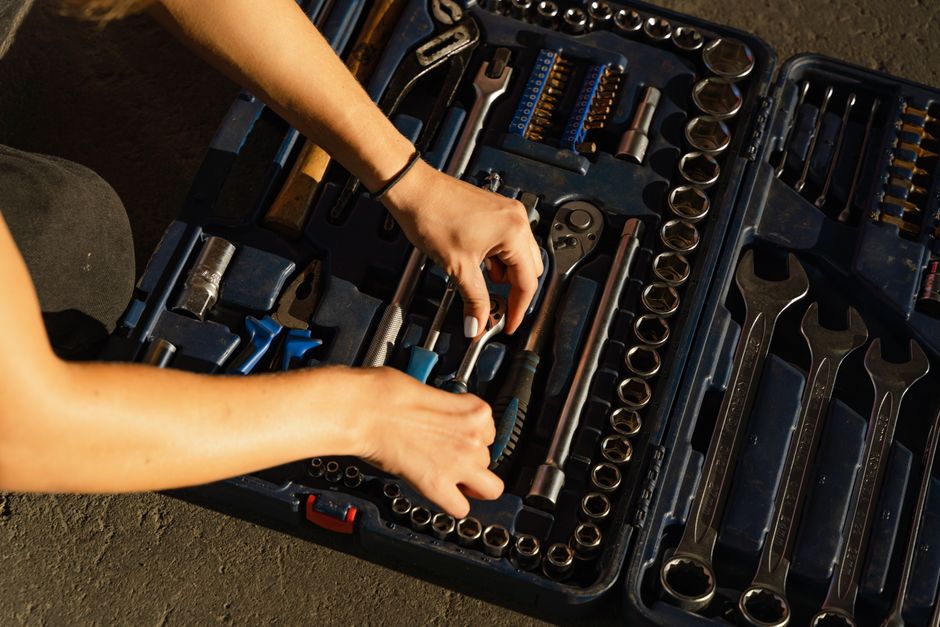
Step-by-Step Guide to Using a Torque Wrench
Step 1: Choose the Right Torque Wrench
Select a wrench with a range that includes your target torque value. Ideally, the target should fall within 20% to 80% of the wrench's capacity for best accuracy. For example, if you need 80 ft-lb, a wrench with a range of 25-250 ft-lb is suitable, but a 10-100 ft-lb wrench would be more accurate. Also, consider the drive size (1/4", 3/8", 1/2", etc.) to match your sockets.
Step 2: Set the Torque Value
Locate the adjustment mechanism. For a click-type wrench, unlock the collar or lock ring, rotate the handle until the scale aligns with your desired torque, then lock it in place. Always verify the setting by reading the scale carefully. For digital wrenches, use the buttons to set the value. Never use the wrench to loosen fasteners; it's designed for tightening only.
Step 3: Prepare the Fastener and Tool
Ensure the fastener and threads are clean and free of rust or debris. If specified, apply a thread lubricant or anti-seize compound, but be aware that lubricated threads require different torque values (often 20-30% less) than dry threads. Attach the correct socket to the wrench, ensuring it's fully seated. Use extensions sparingly, as they can affect torque accuracy due to flex.
Step 4: Apply Torque Smoothly
Place the socket on the fastener and apply force gradually and steadily. For click-type wrenches, pull until you hear or feel a click, then stop immediately. Do not continue pulling after the click, as this can over-torque. For beam or dial wrenches, watch the indicator as you apply force until it reaches the desired value. Always pull, rather than push, to maintain control and avoid injury if the wrench slips.
Step 5: Follow the Correct Tightening Sequence
When tightening multiple fasteners, such as on a cylinder head or wheel, follow the manufacturer's recommended sequence. Typically, this is a star or crisscross pattern, and you may need to tighten in stages (e.g., 30%, 60%, 100% of final torque). This ensures even clamping force and prevents warping.
Step 6: Reset and Store Properly
After use, always reset the wrench to its lowest torque setting (but not below the minimum) to relieve tension on the internal spring. Store it in a protective case, away from extreme temperatures and moisture. Avoid dropping it, as impacts can affect calibration.
Common Mistakes to Avoid
- Using a torque wrench to loosen fasteners: This can damage the calibration and the wrench itself.
- Ignoring the click: Continuing to pull after the click leads to over-tightening.
- Not calibrating regularly: Torque wrenches should be calibrated annually or after heavy use.
- Using extensions and adapters: These can introduce torque loss; if unavoidable, adjust the torque setting accordingly.
- Storing at a set torque: Keeping the wrench under tension weakens the spring over time.
Torque Wrench Types and Their Applications
| Type | How It Works | Best For |
|---|---|---|
| Click-type | Emits a click when torque is reached | General automotive, DIY |
| Beam | Uses a bending beam and pointer to indicate torque | Budget-friendly, occasional use |
| Dial | Dial gauge shows current torque | Precision work, monitoring torque |
| Digital | Electronic sensor with digital display | High accuracy, data logging |
Maintenance and Calibration Tips
To ensure your torque wrench remains accurate, follow these maintenance practices:
- Calibrate annually or every 5,000 cycles, whichever comes first.
- Clean the wrench with a dry cloth after use; avoid solvents.
- Lubricate the ratchet mechanism occasionally with a light oil.
- Store in a case at the lowest torque setting.
- Check for smooth operation; if it feels rough, have it serviced.
Frequently Asked Questions
Can I use a torque wrench for both tightening and loosening?
No, torque wrenches are designed for tightening only. Using them to loosen fasteners can damage the internal mechanism and ruin calibration.
How often should I calibrate my torque wrench?
For professional use, calibrate every 6 months or 5,000 cycles. For occasional DIY use, once a year is sufficient.
What if I don't have the exact torque specification?
Consult the manufacturer's manual or a reliable torque specification table. Never guess, as incorrect torque can lead to failure.
Conclusion
Mastering the proper use of a torque wrench is a fundamental skill for anyone working with fasteners. By following these step-by-step instructions, avoiding common pitfalls, and maintaining your tool, you'll achieve accurate and safe results every time. Remember, a torque wrench is a precision instrument—treat it with care, and it will serve you reliably for years.
Want this program for your channel?
Send your volumes and target market. We quote with samples and lead time.