
Basic Home Toolkit: Essential Tools You Need
Discover the essential tools for a basic home toolkit. Our FAQ guide covers must-have tools, safety gear, and organization tips. Build yours today!
What Tools Do You Need for a Basic Home Toolkit?
Building a basic home toolkit is one of the smartest investments you can make as a homeowner or renter. A well-stocked toolkit saves you from calling a handyman for every loose screw, wobbly chair, or picture frame that needs hanging. The good news is that you do not need a garage full of professional-grade equipment. A carefully chosen set of around 20 to 30 essential tools will handle the vast majority of everyday repairs and projects.
Below, we answer the most common questions people ask when assembling their first home toolkit. Whether you are a new homeowner, a first-time apartment renter, or simply someone who wants to be more self-sufficient, this guide will help you shop smart and avoid wasting money on tools you will never use.
What Are the Absolute Must-Have Tools for a Beginner?
If you are starting from zero, focus on the core categories: measuring, fastening, cutting, gripping, and hammering. The absolute essentials include a tape measure, a claw hammer, a screwdriver set (both Phillips and flathead), an adjustable wrench, pliers, a utility knife, and a level. These seven tools alone will let you complete a surprising number of tasks, from tightening cabinet hinges to hanging shelves straight.
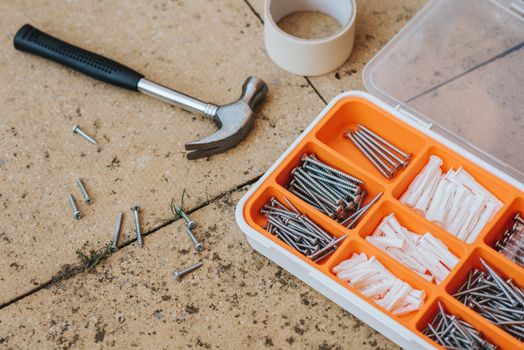
You should also include a set of Allen wrenches, since most flat-pack furniture uses hex bolts. A small container of assorted screws, nails, and wall anchors is another inexpensive addition that will save you multiple trips to the hardware store. Finally, a good flashlight or headlamp is invaluable when you are working under a sink or in a dark closet.
Do not feel pressured to buy everything at once. Start with this core list, and add tools as specific projects demand them. This approach keeps your initial costs low while ensuring you only buy what you actually need.
Do I Really Need Both a Screwdriver Set and a Drill?
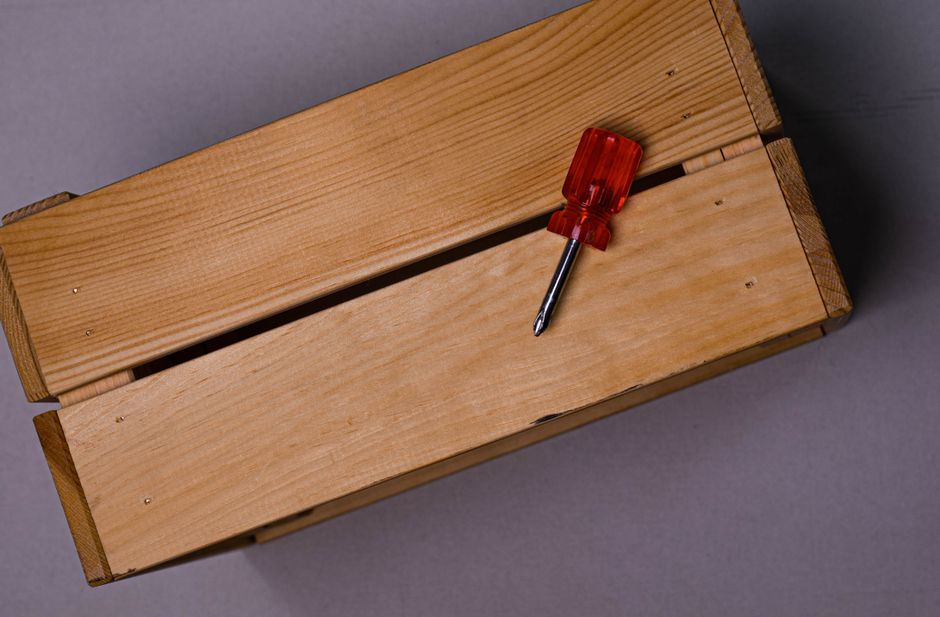
Yes, and they serve different purposes. A manual screwdriver set is perfect for light tasks like assembling furniture, tightening loose cabinet handles, or opening battery compartments. It gives you precise control and will not strip small screws as easily as a power tool can. Every home toolkit should include at least a few Phillips and flathead screwdrivers in different sizes.
A cordless drill, on the other hand, is a power tool that dramatically speeds up bigger jobs. It is essential for drilling pilot holes, driving long screws into studs, and assembling larger pieces of furniture. Many modern drills come with clutch settings that prevent over-tightening, making them beginner-friendly.
If your budget is tight, buy the screwdriver set first and add a drill later. However, if you plan to hang shelves, mount a TV, or build anything substantial, a basic cordless drill should be high on your priority list.
Which Measuring and Marking Tools Should I Include?
Accurate measuring is the foundation of any successful project. A 25-foot retractable tape measure is the standard choice for most home tasks. Look for one with a locking mechanism and a sturdy belt clip. For smaller, more precise measurements, a folding ruler or a steel ruler can be handy.
A torpedo level (about 9 inches long) is ideal for checking whether pictures, shelves, and appliances are straight. For larger projects like hanging a door or installing a fence, a 24-inch or 48-inch level is worth having. A stud finder is another affordable tool that prevents you from drilling into empty drywall or, worse, hitting a wire or pipe.
For marking, keep a pencil, a permanent marker, and a small combination square in your kit. These simple items cost very little but make a big difference in the quality of your work.
What Cutting Tools Belong in a Basic Toolkit?
A utility knife is the most versatile cutting tool for a home kit. It handles everything from opening boxes to trimming carpet and cutting drywall. Always keep spare blades on hand, because a dull blade is dangerous. A pair of heavy-duty scissors or tin snips is also useful for cutting wire, plastic packaging, and thin sheet metal.
For pruning and yard-related tasks, a small hand saw or a folding saw can be helpful, though it is not strictly necessary for indoor repairs. If you plan to do any woodworking, a handsaw or a compact circular saw will eventually be needed, but these are upgrades rather than starter items.
Remember to store blades safely. A small magnetic strip or a dedicated drawer insert keeps sharp edges away from curious hands and prevents accidental cuts when you reach into your toolbox.
How Important Is a Hammer, and What Type Should I Buy?
A hammer is one of the most frequently used tools in any home. A standard 16-ounce claw hammer with a fiberglass or rubberized handle offers a good balance of power and control. The claw end is designed for pulling nails, which you will need when removing old picture hooks or disassembling furniture.
For lighter tasks, a smaller 8-ounce hammer can be more comfortable, especially for women or anyone with smaller hands. Some homeowners prefer a rubber mallet for assembling furniture or tapping joints without leaving marks. If you have space, owning both a claw hammer and a rubber mallet covers nearly every situation.
When using a hammer, always wear safety glasses. Small fragments of metal or wood can fly off and cause eye injuries, especially when striking hard surfaces.
Do I Need Pliers and Wrenches in My Toolkit?
Absolutely. Pliers and wrenches are essential for gripping, twisting, and loosening nuts and bolts. A pair of needle-nose pliers is perfect for reaching into tight spaces, bending wire, and holding small parts. A pair of slip-joint pliers (also called adjustable pliers) gives you a stronger grip for plumbing and automotive tasks.
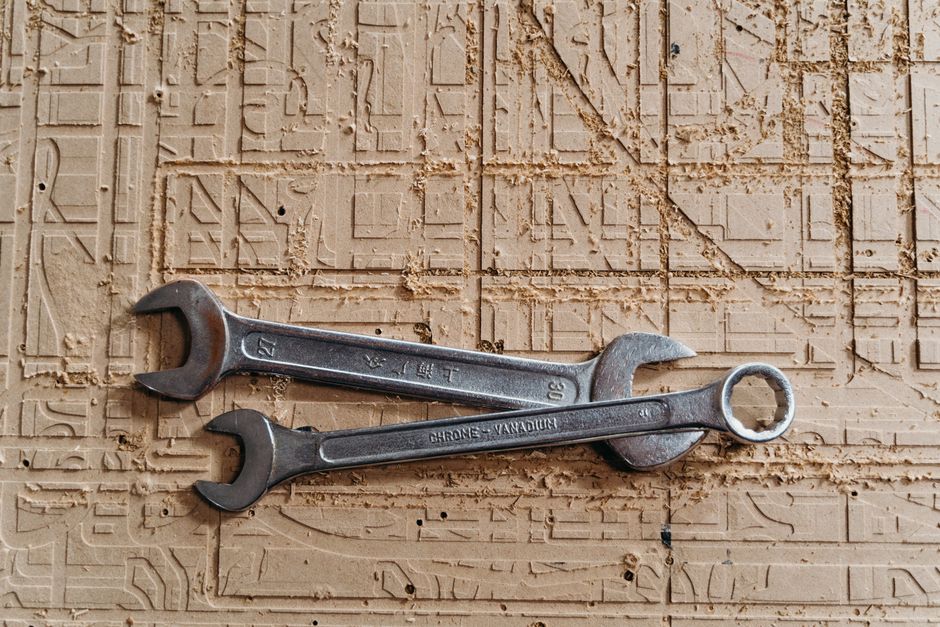
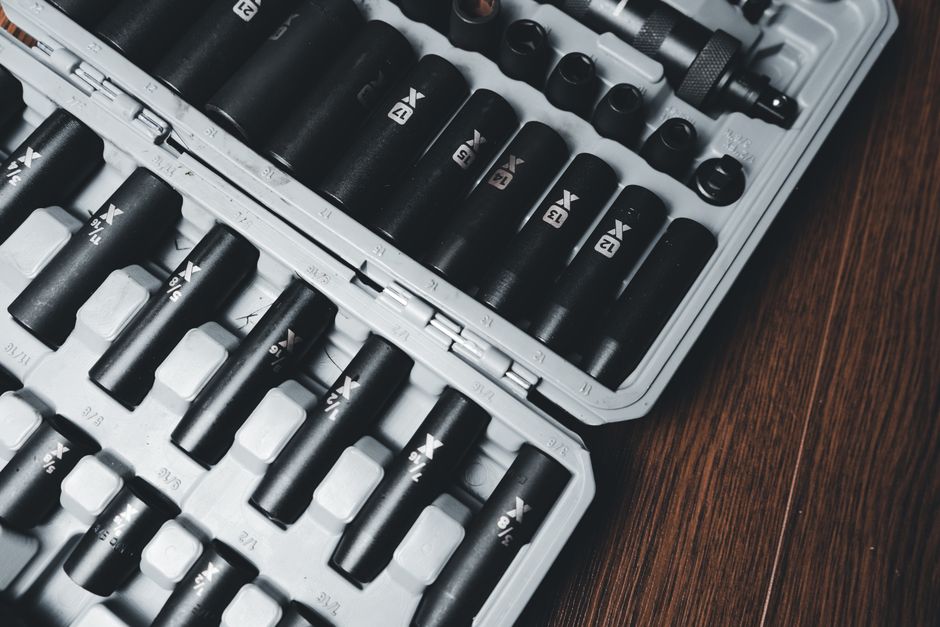
For wrenches, an adjustable crescent wrench can replace a whole set of fixed-size wrenches in a basic kit. It fits a range of nut sizes and is ideal for tightening faucets, assembling bikes, and adjusting furniture legs. If you want more precision, a small set of combination wrenches in common sizes (8mm to 15mm) is a worthwhile upgrade.
Add a pair of locking pliers (vise grips) if you can. They are invaluable for holding stubborn bolts and can even serve as a temporary clamp when you are working alone.
What Safety Gear Should Be Part of a Home Toolkit?
Safety gear is often overlooked, but it should be considered mandatory. At minimum, include safety glasses, work gloves, and a dust mask. Safety glasses protect your eyes from flying debris, while gloves prevent cuts and blisters. A dust mask is important when sanding, drilling into drywall, or working with insulation.
If you use power tools, add earplugs or earmuffs to protect your hearing. A small first-aid kit with bandages and antiseptic wipes is also a smart addition, because minor cuts and scrapes are common during DIY projects.
Store your safety gear in the same place as your tools so you never have to search for it. Making safety a habit from day one will keep your projects enjoyable and injury-free.
How Should I Organize and Store My Toolkit?
Organization saves time and protects your tools from rust and damage. A sturdy toolbox with a removable tray is a great starting point for beginners. If your collection grows, consider a rolling tool chest or a wall-mounted pegboard. Keep like items together: measuring tools in one compartment, cutting tools in another, and fasteners in a small organizer box.
Moisture is the enemy of metal tools, so store your kit in a dry area. A garage or utility closet works well, but avoid damp basements. Wipe tools with a lightly oiled cloth a few times a year to prevent rust, especially on hammers, wrenches, and drill bits.
Finally, label your storage. Clear labels on bins and drawers make it easy to find what you need and to notice when something is missing. A well-organized toolkit is a pleasure to use and encourages you to tackle more projects around the house.
Quick Reference: Basic Home Toolkit Checklist
| Category | Essential Tools |
|---|---|
| Measuring | Tape measure, torpedo level, stud finder, combination square |
| Fastening | Claw hammer, screwdriver set, cordless drill, Allen wrenches |
| Cutting | Utility knife, scissors, handsaw |
| Gripping | Needle-nose pliers, slip-joint pliers, locking pliers |
| Wrenches | Adjustable wrench, combination wrench set |
| Safety | Safety glasses, work gloves, dust mask, first-aid kit |
| Storage | Toolbox, organizer bins, pegboard |
With this checklist in hand, you are ready to build a toolkit that will serve you for years. Start with the essentials, add tools as your skills and projects grow, and always prioritize safety. A basic home toolkit is not just a collection of objects—it is the foundation of a more capable, confident, and self-reliant home life.
Want this program for your channel?
Send your volumes and target market. We quote with samples and lead time.