
Impact Driver vs Drill: Which Should You Buy?
Impact driver vs drill — compare torque, chucks, and price in our tables to find out which power tool you should buy. Get our clear recommendation now.
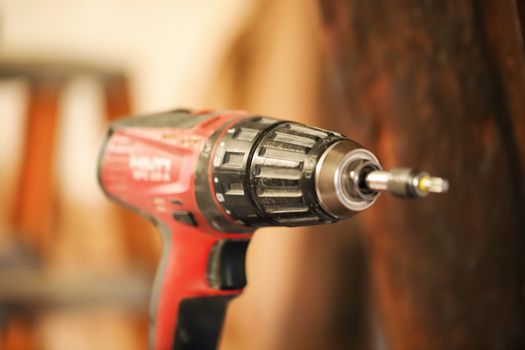
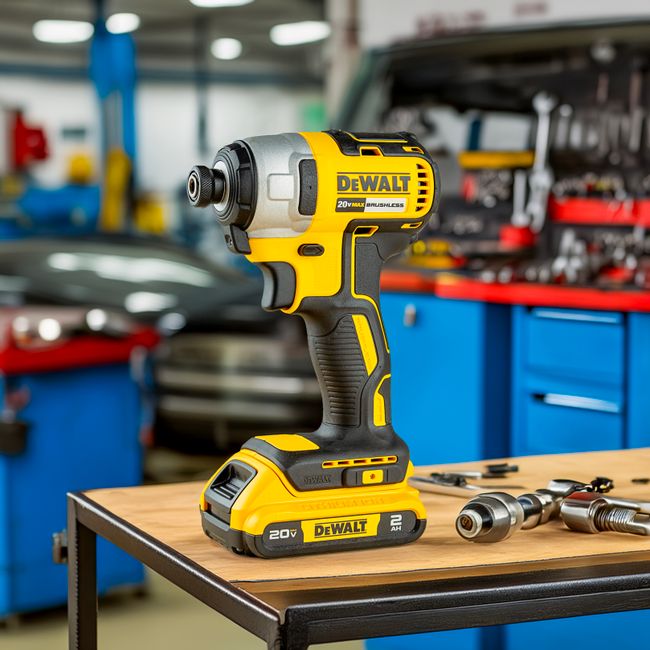
Impact Driver vs Drill: Which One Should You Buy?
If you're building a tool kit or upgrading your garage, one question comes up again and again: should you buy an impact driver or a drill? Both tools spin bits, both drive screws, and both look nearly identical on a shelf. Yet they are engineered for very different jobs, and buying the wrong one (or only one) can make your projects harder than they need to be.
In this guide, we compare impact drivers and drills across torque, speed, chuck type, battery use, and price. We'll also cover hammer drills and combo kits, give you a clear recommendation, and help you decide whether you really need both.
The Core Difference in 30 Seconds
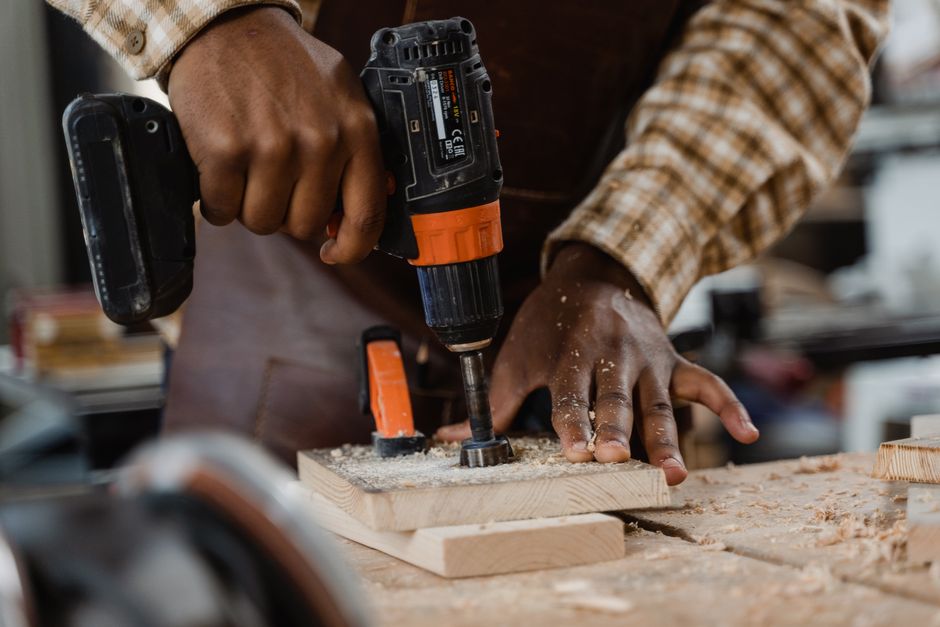
A drill (technically a drill/driver) delivers smooth, continuous rotational force. It's precise, controllable, and ideal for drilling holes and driving screws at moderate torque. An impact driver adds rapid concussive blows — hundreds of tiny hammer strikes per minute — that multiply its tightening force. That makes it the champion of long lag bolts, deck screws, and stubborn fasteners, but a poor choice for delicate work.
Head-to-Head Comparison Table
| Feature | Drill / Drill-Driver | Impact Driver |
|---|---|---|
| Primary job | Drilling holes, driving screws | Driving long/large fasteners |
| Torque | 300–800 in-lbs | 1,000–2,000+ in-lbs |
| Chuck type | Keyless 3-jaw (accepts round bits) | 1/4-inch hex quick-change |
| Speed control | Variable trigger + clutch | Variable trigger, multi-speed modes |
| Noise level | Moderate | Loud (rattling impacts) |
| Best for | Furniture, cabinets, pilot holes | Decks, framing, automotive work |
| Typical price | $60–$150 (bare tool) | $80–$180 (bare tool) |
| Weight | 2.5–4 lbs | 2–3.5 lbs |
When a Drill Is the Better Choice
Drills win whenever precision matters. Because the chuck accepts round-shank bits, you can use twist bits, spade bits, hole saws, and even wire wheels. The adjustable clutch slips at a set torque so you don't strip screw heads or crack softwood. If you're assembling flat-pack furniture, hanging curtain rods, or drilling pilot holes in a cabinet door, a drill is the tool you want.
- Drilling clean holes in wood, metal, and plastic
- Delicate screwdriving with clutch control
- Mixing paint or mortar with a paddle bit
- Any task needing round-shank accessories
When an Impact Driver Wins
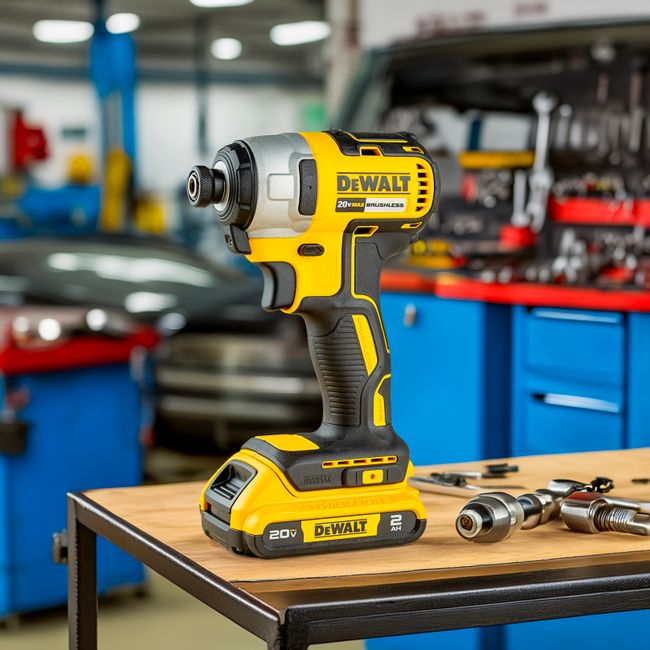
Impact drivers shine under load. The concussive action means the bit never stalls, so you can sink 3-inch deck screws all afternoon without wrist strain. The compact body fits between studs and into tight engine bays, and the 1/4-inch hex chuck makes bit changes instant.
- Decking, fencing, and framing with long screws
- Lag bolts and concrete anchors
- Automotive repair (lug nuts with adapters, engine work)
- Heavy-duty assembly where torque matters more than finesse
The trade-off: impacts are loud, they can over-torque small screws, and they cannot hold round-shank drill bits without a hex-shank adapter.
What About Hammer Drills and Combo Kits?
A hammer drill adds a pulsing hammer action for drilling into masonry and brick. It's not the same as an impact driver — the hammering is axial (forward), not rotational. If you drill into concrete, a hammer drill belongs in your kit.
Combo kits bundle a drill and an impact driver with shared batteries and a charger. For most homeowners and DIYers, a combo kit is the smartest purchase: two tools, one battery platform, and a lower price than buying separately.
Quick Recommendation
| Your Situation | Buy This |
|---|---|
| Occasional DIY, furniture, small repairs | Drill/driver only |
| Decks, framing, automotive, heavy fastening | Impact driver only |
| Serious DIYer or tradesperson | Combo kit (both) |
| Drilling concrete or brick | Add a hammer drill |
Bottom line: If you can only buy one tool and your projects are mostly assembly and hole-drilling, choose a drill/driver. If your work is dominated by long screws and heavy fastening, choose an impact driver. But if your budget allows, buy the combo kit — these two tools complement each other so well that most experienced users keep both within arm's reach.
Final Buying Tips
- Stick to one battery platform (18V or 20V max) so tools share packs.
- Brushless motors deliver more runtime and power — worth the upgrade.
- Check torque ratings, not just voltage, when comparing models.
- Budget for quality bits; they make more difference than the tool itself.
Whichever you choose, match the tool to the task. A drill and an impact driver are not competitors — they're teammates. Buy the one that fits your most common job today, then add the other when the work demands it.
Want this program for your channel?
Send your volumes and target market. We quote with samples and lead time.