
 English
 简体中文
简体中文 Русский
 Español
 Deutsch
 Vent-Clip & Dashboard Air Purifiers
Solutions
Car Air Purifier vs Cabin Air Filter: Which Do You Need?
Car air purifier vs cabin air filter: compare costs, features, and performance to decide which your car really needs. Find the best option for cleaner air.
Car Air Purifier vs Cabin Air Filter: Which Do You Need?
If you've ever sneezed through rush-hour traffic or noticed a musty smell when you turn on the AC, you've probably wondered whether your car needs an air purifier, a new cabin air filter, or both. These two products are often confused, but they do very different jobs. This guide breaks down how each one works, what it costs, and which one actually solves your problem.
What Is a Cabin Air Filter?
A cabin air filter is a factory-installed component that cleans the air entering your vehicle's heating, ventilation, and air conditioning (HVAC) system. It's usually located behind the glove box or under the dashboard. As outside air is drawn into the cabin, the filter traps dust, pollen, leaves, insects, and some larger particles before they reach your vents.
Most cabin filters are made of pleated paper or synthetic fiber. Higher-end versions add activated carbon to absorb odors and some gases. They are a maintenance item, not an appliance — they need to be replaced every 12,000 to 15,000 miles, or once a year, depending on your driving environment.
Key characteristics of cabin air filters:
- Installed in the vehicle's HVAC intake path
- Filters air only when the fan or AC is running
- Traps larger particles: dust, pollen, leaves, soot
- Carbon versions reduce odors and some VOCs
- Requires periodic replacement
- Cost: $15–$50 for the part, plus installation
What Is a Car Air Purifier?
A car air purifier is a standalone device that plugs into your 12V socket or USB port and actively circulates and cleans the air inside the cabin. Most use a combination of a HEPA filter, activated carbon, and sometimes ionizers or UV-C light. Unlike a cabin filter, a purifier runs continuously and cleans the air that's already inside the car — including particles that entered when you opened the door or that were stirred up from seats and carpets.
Because it's portable, you can move it between vehicles, and it doesn't depend on your HVAC system being on. It's especially useful for rideshare drivers, pet owners, smokers, and anyone with allergies or respiratory sensitivities.
Key characteristics of car air purifiers:
- Portable, plugs into 12V or USB
- Actively circulates and cleans cabin air
- HEPA captures fine particles (PM2.5, smoke, allergens)
- Carbon layer tackles odors, fumes, and VOCs
- Some models add ionizers or UV-C sterilization
- Cost: $30–$150 upfront, filters $10–$30
Head-to-Head Comparison
| Feature | Cabin Air Filter | Car Air Purifier |
|---|---|---|
| Primary function | Filters incoming air through HVAC | Cleans air already inside the cabin |
| Particle capture | Dust, pollen, leaves, some soot | PM2.5, smoke, fine dust, allergens |
| Odor removal | Only with carbon version | Yes, with activated carbon layer |
| Works when car is off | No | Yes (battery/USB models) |
| Portability | Fixed to one vehicle | Move between vehicles |
| Installation | DIY or mechanic, 10–30 min | Plug and play, seconds |
| Maintenance | Replace every 12k–15k miles | Replace filter every 1–3 months |
| Upfront cost | $15–$50 | $30–$150 |
| Ongoing cost | Low | Moderate (filter refills) |
| Best for | Basic dust and pollen control | Allergies, smoke, odors, pets |
When a Cabin Air Filter Is Enough
If your main concern is keeping leaves, dust, and pollen out of your vents, and you replace your filter on schedule, a cabin air filter may be all you need. It's inexpensive, requires no power, and protects your HVAC system from debris buildup. Drivers in clean climates with no allergies can often get by with just this.
However, a cabin filter has real limits. It only cleans air pulled in from outside, and only when the fan is on. It won't remove smoke lingering from a previous passenger, pet dander settled in the seats, or particles that entered when you opened the door. And once it's saturated, it stops working — sometimes adding a musty smell of its own.
When You Need a Car Air Purifier
A purifier is the better choice if you:
- Have allergies, asthma, or chemical sensitivities
- Drive in heavy traffic or polluted cities
- Transport pets, kids, or smokers
- Drive for rideshare or delivery services
- Want continuous cleaning even when the AC is off
Because it recirculates cabin air, a purifier can reduce PM2.5, smoke, and odors that a cabin filter simply can't reach. For many drivers, the combination of a fresh cabin filter and a quality purifier delivers the best air quality.
Cost and Maintenance Over Time
A cabin filter costs roughly $20–$50 per year if you replace it annually. A car air purifier costs more upfront, but filter refills are inexpensive and easy to swap. Over three years, a purifier may cost $80–$200 total, while a cabin filter costs $60–$150. The purifier costs more, but it also does more — especially for allergy sufferers.
Our Recommendation
Start with your cabin air filter. If it's been more than a year or 15,000 miles, replace it first — it's cheap, easy, and restores basic air quality immediately.
Add a car air purifier if you have specific concerns. Allergies, smoke, pet odors, or heavy city driving justify the investment. Choose a HEPA + activated carbon model for the best all-around performance, and avoid gimmicky ionizers that produce ozone.
For most drivers, the ideal setup is both: a clean cabin filter to block incoming debris, and a purifier to polish the air inside. Together, they cover the full journey of the air you breathe — from outside your car to deep in your lungs.
Frequently Asked Questions
Can a car air purifier replace a cabin air filter?
No. They serve different roles. The cabin filter protects your HVAC system and blocks incoming debris; the purifier cleans air already inside. Skipping the cabin filter can damage your AC and reduce airflow.
How often should I replace each?
Cabin filter: every 12,000–15,000 miles or annually. Purifier filter: every 1–3 months depending on use and air quality.
Do car air purifiers really work?
Yes, quality HEPA + carbon models measurably reduce PM2.5 and odors in a closed cabin. Avoid ozone-generating ionizers.
Which is better for allergies?
A car air purifier with a true HEPA filter is more effective for allergies, but pairing it with a fresh cabin filter gives the best results.
Suggested models
Browse all Purifiers often specified for this programme
Vent-Clip & Dashboard Air Purifiers
 Vent-Clip & Dashboard Air Purifiers
 Cup-Holder Air Purifiers
 Cup-Holder Air Purifiers
More solutions
Other channels we build for
Car Air Purifier vs Cabin Air Filter: Which Do You Need?
Car air purifier vs cabin air filter: compare costs, features, and performance to decide which your car really needs. Find the best option for cleaner air.
View solution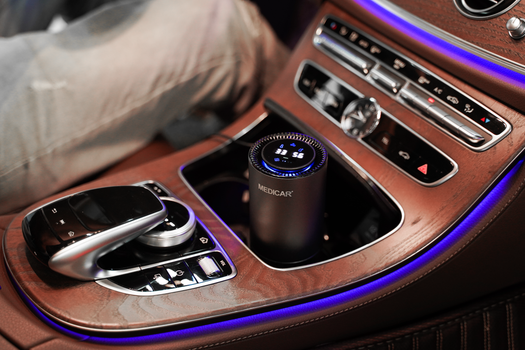
Do Car Air Purifiers Really Work? The Honest Truth
Do car air purifiers really work? Discover the honest truth, from HEPA filtration to independent tests. Learn how to choose the best car air purifier today.
View solution
Best Car Air Purifiers for Smoke Removal in 2025
Discover the best car air purifiers for smoke removal in 2025. Compare HEPA and carbon models for cigarettes, wildfire smoke, and odors. Find your pick today!
View solution