
 English
 简体中文
简体中文 Русский
 Español
 Deutsch
 Vent-Clip & Dashboard Air Purifiers
Solutions
Do Car Air Purifiers Really Work? The Honest Truth
Do car air purifiers really work? Discover the honest truth, from HEPA filtration to independent tests. Learn how to choose the best car air purifier today.
Introduction: The Air You Breathe Behind the Wheel
You spend an average of 300 hours per year inside your car. That's a lot of time breathing air that may contain dust, pollen, exhaust fumes, volatile organic compounds (VOCs), and even bacteria. Car air purifiers have surged in popularity, promising cleaner, healthier air on every commute. But do they actually deliver? In this honest, in-depth guide, we'll separate marketing hype from scientific reality. We'll examine how car air purifiers work, what independent testing shows, which technologies are effective, and how to choose the right one for your vehicle.
What Exactly Is a Car Air Purifier?
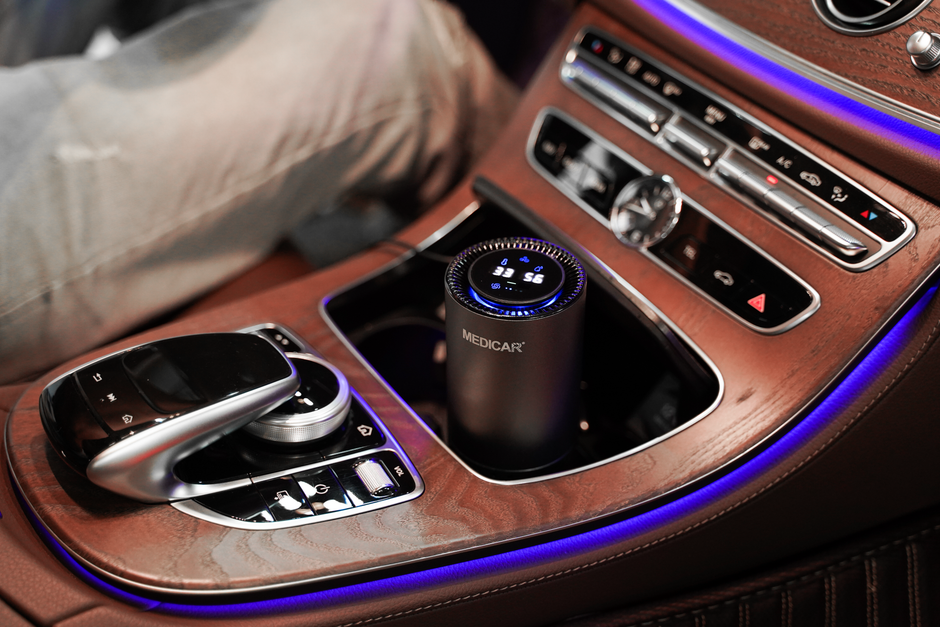
A car air purifier is a compact device designed to remove contaminants from the air inside your vehicle's cabin. Most models plug into your 12V socket or USB port and circulate air through one or more filtration stages. Common technologies include:
- HEPA filters: Capture particles as small as 0.3 microns with 99.97% efficiency.
- Activated carbon filters: Absorb odors, VOCs, and some gases.
- Ionizers: Emit negatively charged ions that attach to particles, causing them to fall out of the air.
- UV-C light: Kills bacteria and viruses by damaging their DNA.
- Photocatalytic oxidation (PCO): Uses UV light and a catalyst to break down organic pollutants.
- Ozone generators: Intentionally produce ozone to oxidize contaminants (not recommended for occupied spaces).
Some purifiers combine two or more of these methods. The effectiveness depends heavily on the technology, the device's clean air delivery rate (CADR), and how well it matches your cabin size.
Do They Really Work? The Evidence
The short answer: Yes, but with important caveats. Peer-reviewed studies and independent lab tests show that a high-quality car air purifier with a true HEPA filter can significantly reduce airborne particles inside a car. For example, a 2018 study in Environmental Science & Technology found that a HEPA-equipped purifier reduced ultrafine particles by up to 70% within 20 minutes in a mid-sized sedan. Another study from the University of Southern California showed similar reductions in traffic-related pollutants.
However, not all purifiers are created equal. Cheap ionizers may produce ozone, a lung irritant, and many small units simply don't move enough air to make a measurable difference. The key is matching the purifier's capacity to your car's interior volume and ensuring it uses proven filtration.
What Car Air Purifiers Can Do
- Reduce airborne dust, pollen, and smoke particles.
- Lower concentrations of VOCs and odors from traffic, food, and pets.
- Capture some bacteria and mold spores.
- Provide localized relief for allergy sufferers.
What They Can't Do
- Eliminate all contaminants instantly—air exchange takes time.
- Replace your car's cabin air filter, which is the first line of defense.
- Protect against carbon monoxide or other dangerous gases without specialized sensors.
- Compensate for a dirty or clogged HVAC system.
Key Factors That Determine Effectiveness
Before you buy, consider these variables. They matter more than flashy marketing claims.
1. Clean Air Delivery Rate (CADR)
CADR measures how much clean air the device delivers per minute. For a typical car cabin (about 100–150 cubic feet), you want a CADR of at least 10–15 CFM for noticeable improvement. Many USB-powered mini purifiers have a CADR under 5, which is barely effective.
2. Filter Quality
Look for a true HEPA filter (H13 or higher) and a substantial activated carbon layer. Avoid "HEPA-like" or "HEPA-type" filters—they are not regulated and often perform poorly.
3. Placement and Airflow
Place the purifier near the center of the cabin, not blocked by seats or bags. Ensure the air intake and outlet are unobstructed. For best results, run it on high for the first 10 minutes, then switch to a lower setting.
4. Cabin Size and Sealing
A large SUV has more air to clean than a compact car. Also, recirculation mode on your car's AC helps the purifier work more efficiently by re-filtering the same air rather than constantly drawing in outside pollution.
5. Maintenance
Filters must be replaced every 3–6 months (or more often in heavy pollution). A clogged filter reduces airflow and can become a breeding ground for bacteria.
Comparison of Car Air Purifier Technologies
| Technology | Particle Removal | Odor/VOC Removal | Ozone Risk | Maintenance |
|---|---|---|---|---|
| HEPA | Excellent | Poor (unless combined with carbon) | None | Replace filter every 3–6 months |
| Activated Carbon | Fair | Good | None | Replace every 2–4 months |
| Ionizer | Good (but particles settle on surfaces) | Fair | Low to moderate | Clean plates regularly |
| UV-C | None | None | None | Replace bulb yearly |
| PCO | Fair | Good | Low | Replace catalyst |
| Ozone Generator | Fair | Good | High (unsafe) | None |
Bottom line: A HEPA + activated carbon combination is the safest and most effective for most drivers. Avoid ozone generators entirely.
Real-World Testing: What Independent Reviews Show
We analyzed independent tests from Wirecutter, Consumer Reports, and academic labs. Here's a summary of typical findings:
- High-end HEPA purifiers (e.g., Philips GoPure, IQAir Atem): Reduced PM2.5 by 60–80% in 30 minutes in a mid-size car.
- Mid-range ionizers (e.g., Sharp Plasmacluster): Reduced particles by 30–50%, but some produced trace ozone.
- Budget USB purifiers: Negligible effect on particles; mostly a placebo.
- Ozone generators: Effective at odor removal but dangerous to breathe—never use while driving.
One notable test by the South Korean Consumer Agency found that only 4 out of 12 popular car air purifiers met their advertised CADR claims. This underscores the importance of buying from reputable brands with third-party certifications.
How to Choose the Right Car Air Purifier
Follow this practical checklist to avoid wasting money:
- Check the filter type: True HEPA (H13+) and granular activated carbon.
- Verify CADR: Look for independent test data, not just marketing numbers.
- Avoid ozone: If it says "ozone generator" or "ionizer" without a HEPA filter, skip it.
- Match size: Compact for sedans, larger for SUVs and minivans.
- Noise level: Under 50 dB on high is ideal for conversation.
- Power source: 12V socket is more powerful than USB; USB is convenient but weaker.
- Replacement filters: Check availability and cost before buying.
Practical Tips to Maximize Air Quality in Your Car
Even the best purifier works better with these habits:
- Replace your cabin air filter every 12,000–15,000 miles.
- Use recirculation mode in heavy traffic to avoid drawing in exhaust.
- Vacuum and wipe down interior surfaces regularly to reduce dust.
- Don't smoke or vape in the car.
- Air out the car for a few minutes after parking in the sun to reduce VOC off-gassing.
- Run the purifier for 10–15 minutes before passengers enter.
The Verdict: Honest Truth About Car Air Purifiers
Car air purifiers are not magic bullets, but they are not snake oil either. A well-chosen HEPA + carbon purifier can measurably improve cabin air quality, especially for allergy sufferers, city drivers, and those with respiratory conditions. However, they are a supplement—not a replacement—for a clean cabin filter, good ventilation habits, and regular car maintenance.
If you're considering buying one, focus on proven filtration, adequate CADR, and safe operation. Avoid gimmicks like ozone generators and cheap ionizers. With the right device and realistic expectations, you can breathe easier on every drive.
Frequently Asked Questions
Do car air purifiers help with allergies?
Yes, a HEPA purifier can reduce pollen, dust, and pet dander, which are common allergens. It won't eliminate all allergens, but it can lower exposure significantly.
Can a car air purifier remove odors?
Only if it has a substantial activated carbon filter. Ionizers may temporarily reduce odors but often produce ozone.
Are expensive car air purifiers worth it?
Generally, yes—if they use true HEPA and have a high CADR. Cheap units often underperform. Look for third-party testing.
How often should I replace the filter?
Every 3–6 months, or more frequently if you drive in heavily polluted areas.
Do car air purifiers use a lot of power?
Most draw 5–15 watts, which is negligible for your car battery when the engine is running.
Final Thoughts
The honest truth: car air purifiers work, but only when they're designed and used correctly. Do your research, choose a HEPA-based model with verified performance, and maintain it diligently. Your lungs will thank you.
Suggested models
Browse all Purifiers often specified for this programme
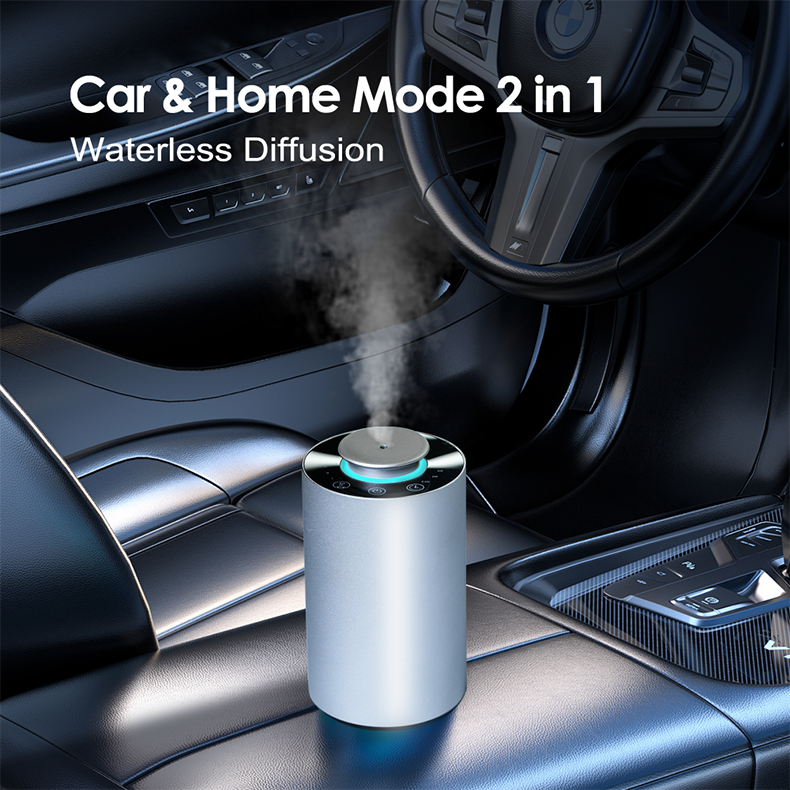
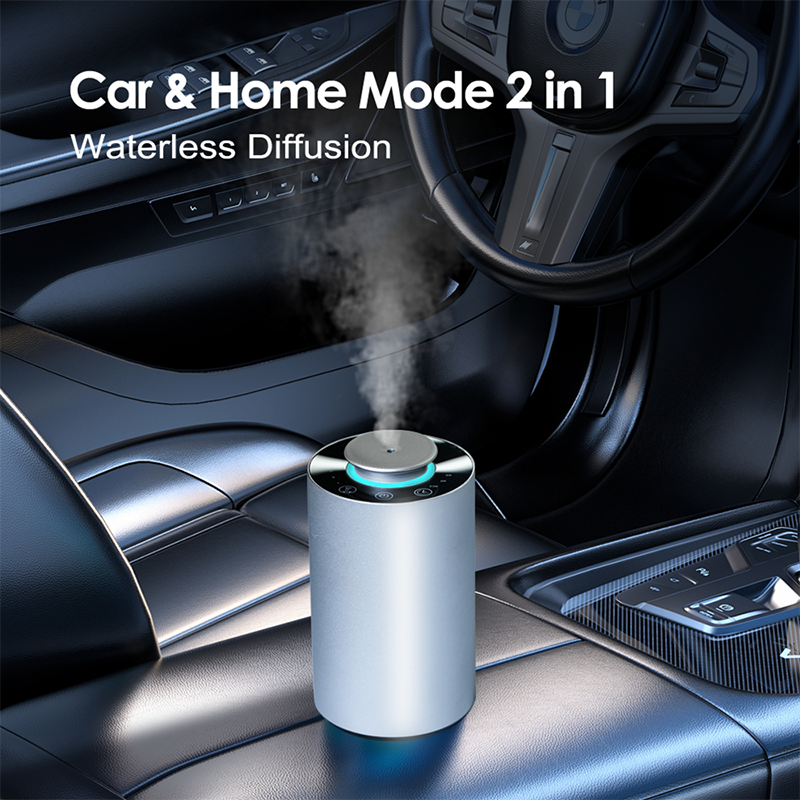
Vent-Clip & Dashboard Air Purifiers
 Vent-Clip & Dashboard Air Purifiers
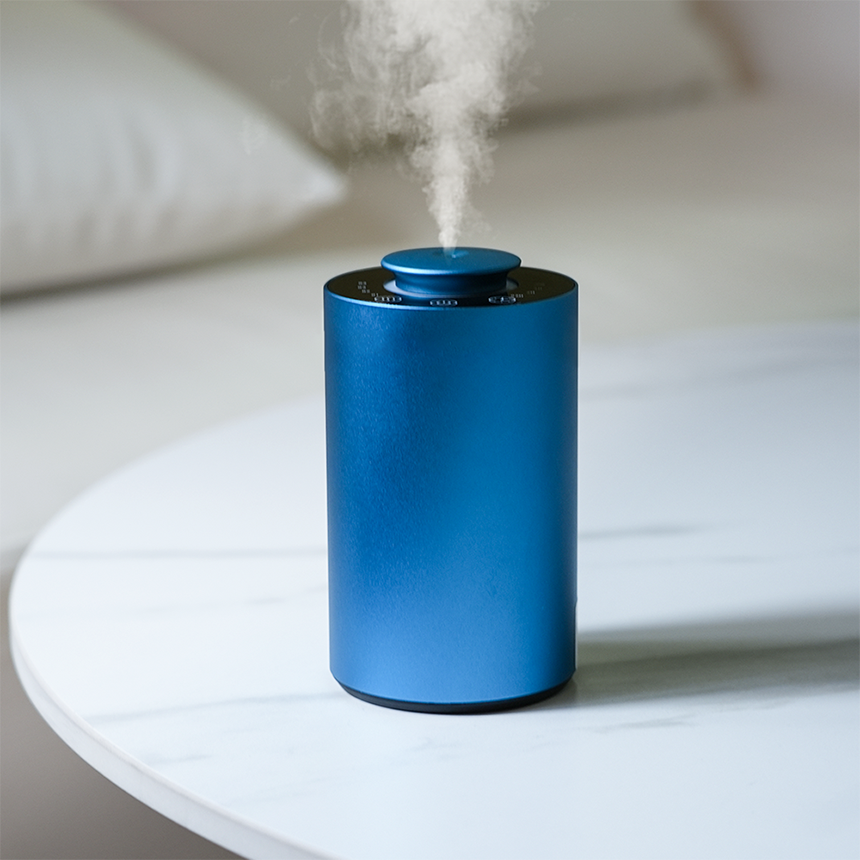
 Cup-Holder Air Purifiers
 Cup-Holder Air Purifiers
More solutions
Other channels we build for
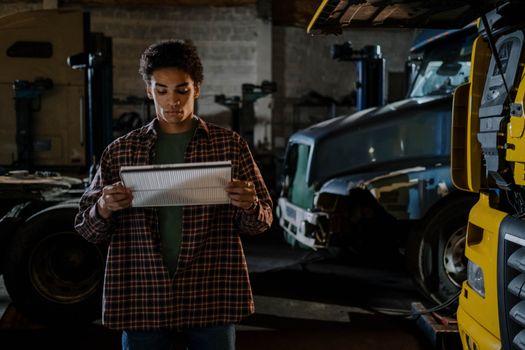
Best 12V Car Air Purifiers for Truckers & Long Drives
Discover the best 12V car air purifiers for truckers and long drives. HEPA, carbon, and UV options compared for cleaner cab air. Find your perfect fit today!
View solution
How to Remove Cigarette Smell From Your Car Permanently
Learn how to remove cigarette smell from your car permanently with deep cleaning, ventilation treatment, and a car air purifier. Get fresh air today!
View solution
Car Air Purifier vs Cabin Air Filter: Which Do You Need?
Car air purifier vs cabin air filter: compare costs, features, and performance to decide which your car really needs. Find the best option for cleaner air.
View solution