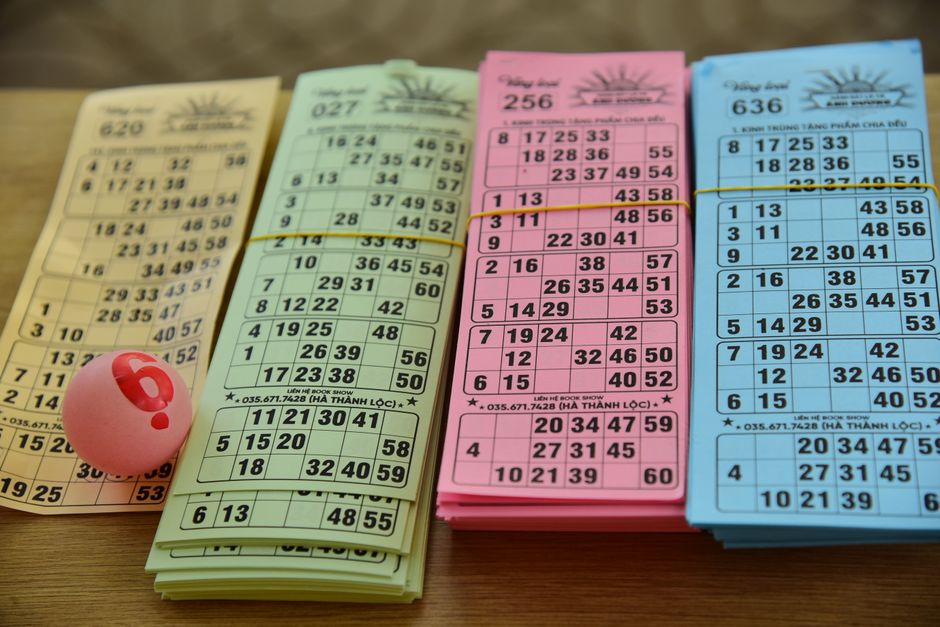
1. Understand What Makes a Great Charity Bingo Machine
Before you buy anything, it helps to know exactly what a charity bingo machine needs to do. Unlike a casual home bingo set, a machine used at a fundraising event must be reliable, easy to operate under pressure, and loud enough for a crowded hall. The last thing you want is a caller fumbling with a broken cage while 200 eager players wait.
A good charity bingo machine should offer random number generation, a clear display or announcement system, and simple controls that a volunteer can learn in minutes. Portability matters too, since many charity events take place in community centres, church halls, or school gyms where equipment must be carried in and out.
Finally, consider your audience. Older players often prefer large, bright numbers and a loud, clear voice, while younger crowds may enjoy digital screens and automated calling. Match the machine to your players and the evening will run far more smoothly.
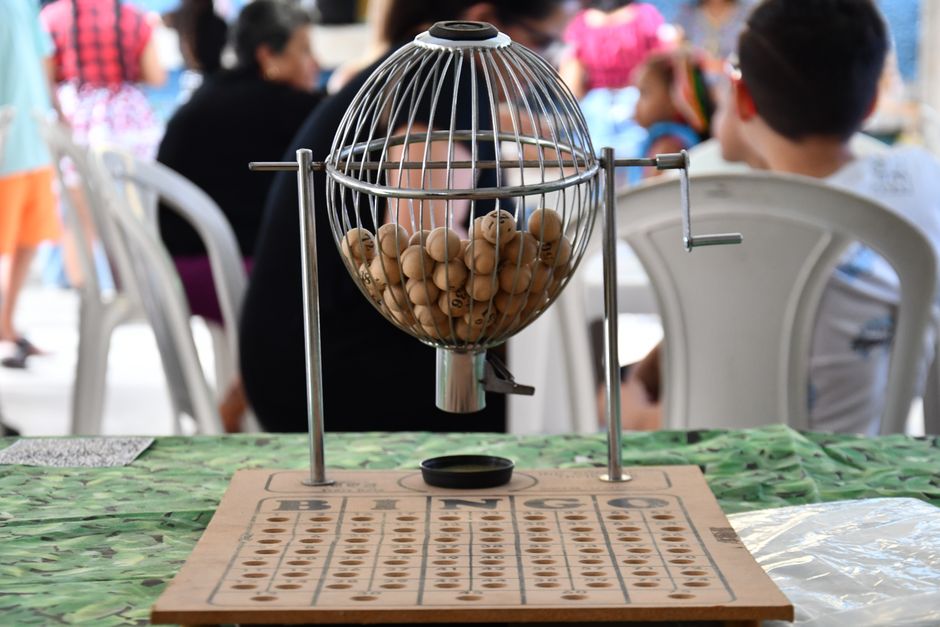
2. Top Pick: Automatic Electronic Bingo Machines
Electronic bingo machines are the modern gold standard for charity events. They generate random numbers instantly, display them on a screen, and can even call the numbers aloud with a built-in voice. This removes human error and keeps the game moving at a consistent pace.
These machines are ideal when you have a large crowd and limited time. Because the calling is automated, your volunteer host can focus on engaging the audience, checking winners, and handling prizes instead of spinning a cage. Many models also let you pause, review previous calls, and adjust the speed of the game.
The main downside is cost and the need for a power source. However, if your charity runs regular bingo nights, the investment pays off quickly through smoother operations and happier players who return again and again.
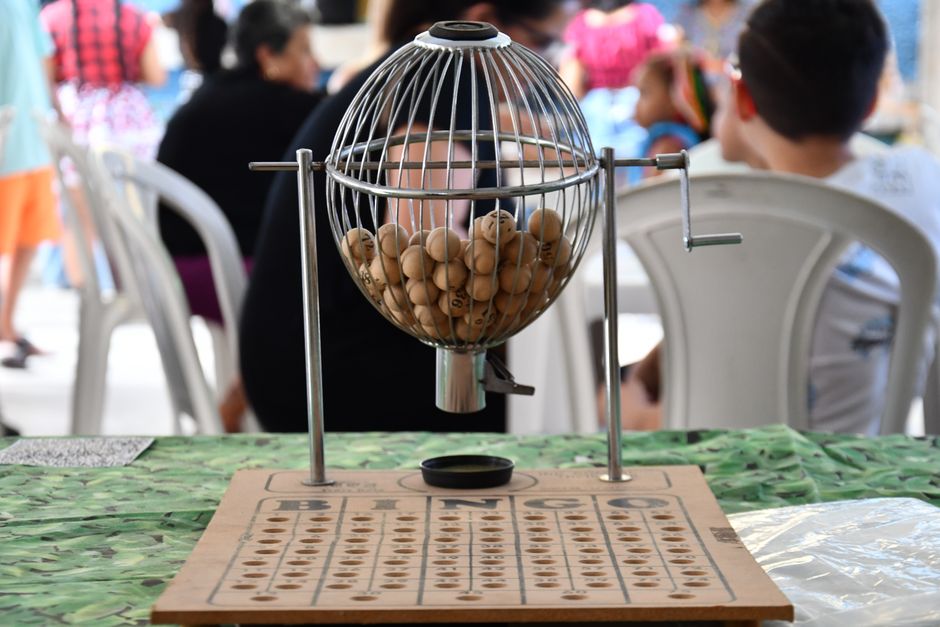
3. Best Budget Option: Manual Cage Bingo Machines
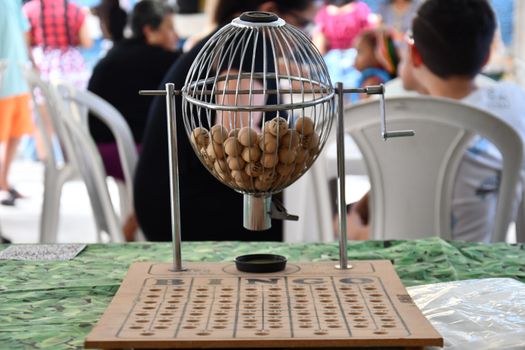
If your charity is working with a tight budget, a traditional manual cage machine is still a fantastic choice. These machines use a rotating cage filled with numbered balls, and the caller draws them one at a time. They are affordable, require no electricity, and are virtually indestructible.
Manual machines are also very transparent, which builds trust with players who like to see the balls being mixed and drawn fairly. For smaller events with 30 to 80 players, a manual cage is often more than enough and adds a nostalgic, authentic feel to the evening.
When buying one, check the ball size and the smoothness of the cage rotation. A well-built cage should spin freely, and the balls should be easy to read from a distance. Look for models that include a master board and a full set of replacement balls.
4. Consider a Digital Bingo Software System
Digital bingo software is a flexible alternative that turns a laptop or tablet into a full bingo calling system. You can project the numbers onto a screen or share them through a monitor, and many programs include automatic card verification, which speeds up the winning check dramatically.
This option is perfect for charities that already own a projector and sound system. Software is usually the cheapest way to get started, and updates are often free. You can also customise the interface with your charity's logo and colours, turning the bingo night into a branded experience.
Keep in mind that software depends on a stable power supply and a device that will not crash mid-game. Always run a test session before the event and have a backup manual cage on hand just in case.
5. Look for Loud, Clear Audio and Large Displays
Audio and visual clarity are two of the most overlooked features when charities shop for bingo machines. In a noisy hall, players at the back must be able to hear every number. A machine with a weak speaker will frustrate everyone and slow the game down.
Choose a machine with adjustable volume and, ideally, an external speaker output so you can connect it to the venue's PA system. On the visual side, large LED displays or bright projector screens ensure that even players with poor eyesight can follow along.
If your machine has both audio and visual output, you create a redundancy that keeps the game fair and enjoyable. Players who miss a spoken number can still read it on the board, which reduces disputes and keeps the evening positive.
6. Prioritise Portability and Easy Setup
Charity events are often held in borrowed spaces, so portability is a major practical concern. A machine that is heavy, fragile, or complicated to assemble will eat into your volunteers' time and energy. Look for models with handles, wheels, or a compact carrying case.
Setup time matters as well. The best charity bingo machines can be unpacked and ready to play in under ten minutes. If a machine requires a lengthy manual and special tools, it is probably not the right fit for a volunteer-run event.
Before committing, read reviews from other event organisers. Their real-world experience will tell you far more about portability and reliability than any product description ever could.
7. Check Randomness, Fairness, and Certifications
Fairness is the foundation of any successful bingo night. Players must trust that every number has an equal chance of being drawn. Electronic machines should use certified random number generators, and manual cages should be well-maintained so no ball is favoured.
Look for certifications or standards that confirm the machine's randomness and quality. Reputable manufacturers will happily provide documentation. If a seller cannot answer basic questions about how the machine ensures fairness, walk away.
You should also establish a clear process for verifying winners. Whether you use automatic card checking or manual verification, consistency builds trust and protects your charity's reputation.
8. Match the Machine to Your Event Size
Different events need different machines. A small church fundraiser with 40 players has very different needs from a gala with 400 guests. Buying a machine that is too small will slow the game, while one that is too large wastes money and space.
As a rough guide, manual cages suit groups under 100, electronic callers work well for 100 to 300, and digital projection systems shine for 300 or more. Consider how often you run events and whether you expect to grow.
If your charity hosts bingo regularly, investing in a slightly larger machine can save you from upgrading again in a year. Think long term, but stay within your fundraising budget.
9. Set a Realistic Budget and Explore Rental
Bingo machines range from under 50 dollars for a basic cage to several hundred for a full electronic system. Set a budget before you shop and stick to it, remembering to include accessories like cards, daubers, and a master board.
If buying is out of reach, renting is an excellent alternative. Many suppliers rent bingo machines for a single night at a fraction of the purchase price. This is ideal for one-off events or for testing a machine before you commit.
You can also ask local businesses to sponsor the equipment in exchange for a mention on the night. This turns a cost into a partnership and can even increase attendance.
10. Test, Train, and Prepare Before the Big Night
No matter which bingo machine you choose, preparation is what separates a smooth event from a chaotic one. Run a full test session a few days before, checking the audio, display, and randomness of the draws.
Train at least two volunteers on the machine so you are never dependent on a single person. Prepare a simple script for the caller and a clear procedure for verifying winners and awarding prizes.
Finally, have a backup plan. Keep a manual cage or a printed number list on hand in case of technical failure. With the right bingo machine and solid preparation, your charity event will be fun, fair, and profitable for a great cause.