
A bingo machine is the heart of any bingo hall, community center, or fundraising event. When it runs smoothly, players barely notice it. When it jams, misreads balls, or flashes an error mid-game, the entire room notices. That is why regular servicing matters. But how often should you actually service a bingo machine? The answer depends on usage, machine type, and environment. Below are the most common questions operators ask about bingo machine maintenance, answered in plain language.
How often should a bingo machine be serviced?
For a machine used daily in a commercial hall, a full professional service every three to six months is the standard recommendation. Between those visits, you should perform weekly and monthly checks yourself, such as cleaning the ball track, inspecting the blower, and testing the random number generator.
If your machine is used only once or twice a week for charity nights or community events, an annual professional service is usually enough, provided you keep up with basic cleaning and visual inspections. High-volume halls running multiple sessions per day may need quarterly servicing or even a service contract with a technician on call.
The key principle is simple: the more hours the machine runs, the shorter the service interval. Track your usage hours and let that number, not the calendar alone, drive your schedule.

What does a standard bingo machine service include?
A thorough service typically covers both mechanical and electronic components. The technician will clean and inspect the ball chamber, check the blower motor and fan blades, examine the ball return track for wear, and verify that the ball sensor or optical reader is aligned and accurate.
On the electronic side, the service includes testing the random number generator, checking circuit boards for loose connections or corrosion, updating firmware where applicable, and calibrating the display and call board. The technician should also test the emergency stop and backup power functions.
After servicing, ask for a written report listing what was checked, what was replaced, and any parts showing early wear. This record helps you plan future maintenance and proves due diligence if you ever need to make a warranty claim.
What are the warning signs that a bingo machine needs servicing sooner?
Do not wait for the scheduled interval if you notice any of the following symptoms. Repeated ball jams, balls sticking in the track, or balls failing to register are classic signs of mechanical wear or dirt buildup. Unusual noises from the blower, such as grinding or rattling, suggest the motor or bearings need attention.
On the electronic side, watch for flickering displays, delayed number calls, duplicate numbers, or the machine freezing mid-game. Any of these issues can undermine player trust, so address them immediately rather than waiting for the next service date.
- Frequent ball jams or stuck balls
- Grinding, rattling, or squealing noises
- Numbers called out of sequence or repeated
- Display flickering or going blank
- Machine overheating or shutting down unexpectedly
Can I service a bingo machine myself?
You can and should handle routine cleaning and visual inspections yourself. Wipe down the ball chamber with a soft, lint-free cloth, remove dust from vents, check that balls are clean and free of cracks, and test the machine before each session. These simple habits extend the life of the equipment and reduce the need for emergency repairs.
However, internal repairs, electrical work, and calibration of the random number generator should be left to a qualified technician. Opening sealed components or adjusting sensors without proper training can void the warranty and create safety hazards.
A good rule is: if the fix requires a screwdriver on an internal panel, call a professional. If it requires a cloth and five minutes, do it yourself.
Does the type of bingo machine affect the service schedule?
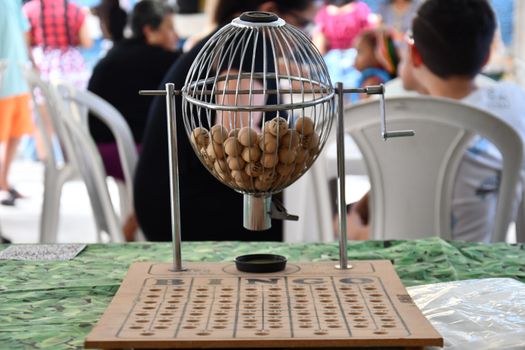
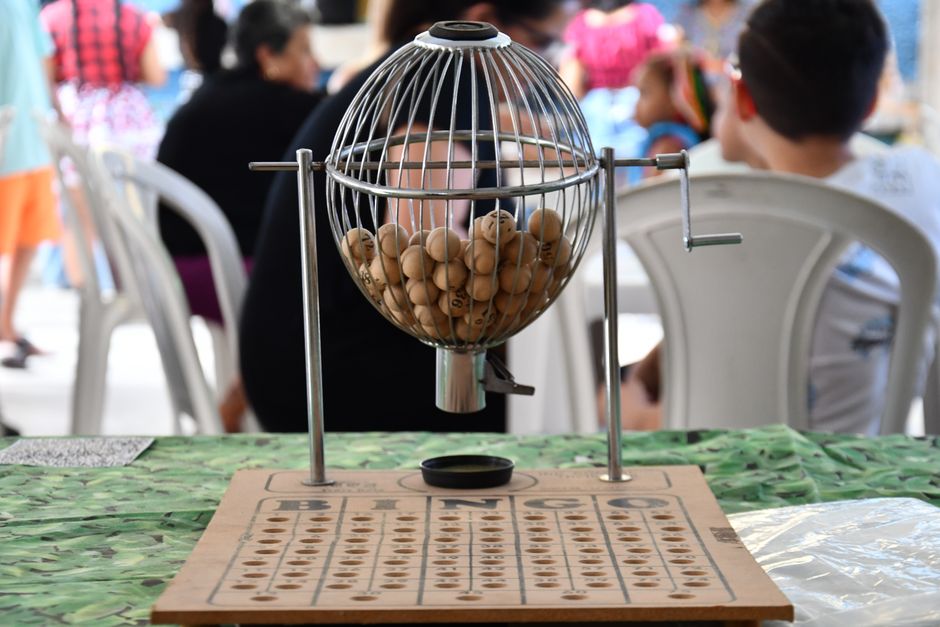
Yes, significantly. Traditional mechanical cage machines have fewer electronic parts but more moving components, so they need regular lubrication and wear checks. Electronic random number generator machines have fewer mechanical parts but require firmware updates and sensor calibration.
Blower-style machines, which are the most common in halls today, sit somewhere in between. They combine a motor, a ball track, and electronic sensors, so they need attention to both mechanical and digital systems.
| Machine Type | Recommended Service Interval |
|---|---|
| Mechanical cage | Every 6 months |
| Blower style (daily use) | Every 3–6 months |
| Electronic RNG | Every 6–12 months |
| Portable/tabletop | Every 12 months |
How does the environment affect how often servicing is needed?
Dust, humidity, and temperature swings are the enemies of bingo machines. A hall with carpet, heavy foot traffic, and poor ventilation will accumulate dust faster, clogging the blower and coating sensors. In humid climates, moisture can corrode circuit boards and cause balls to stick.
If your venue is smoky, dusty, or humid, shorten your service interval by about 25 to 30 percent. Installing a simple air purifier and keeping the machine covered when not in use can dramatically reduce how often it needs professional attention.
Temperature also matters. Machines stored in cold rooms and then moved to warm halls can develop condensation, so let them acclimate before powering on.
What happens if you skip regular servicing?
Skipping service does not save money; it usually costs more. Small issues like a worn belt or a dusty sensor escalate into full motor failures or damaged circuit boards, which are far more expensive to repair than to prevent.
Beyond repair costs, an unreliable machine damages your reputation. Players expect fair, uninterrupted games. A machine that jams or calls duplicate numbers can lead to disputes, refunds, and lost customers.
Finally, in regulated jurisdictions, bingo equipment may need to meet periodic inspection standards. Neglecting service could put your license or charity permit at risk.
How do I create a maintenance schedule that works?
Start by logging usage hours and noting every glitch, no matter how minor. Use that log to set your professional service interval and adjust it as your event schedule changes. Keep a laminated checklist near the machine for daily and weekly tasks.
Build a relationship with a reputable technician or service company before you need emergency help. Ask about service contracts, response times, and spare parts availability. A good partner can advise you on the ideal schedule for your specific model.
Finally, budget for maintenance the same way you budget for prizes and supplies. A few hundred dollars a year in preventive service is a small price for a machine that runs flawlessly night after night.