Integrating Renewables Into the Transmission Grid
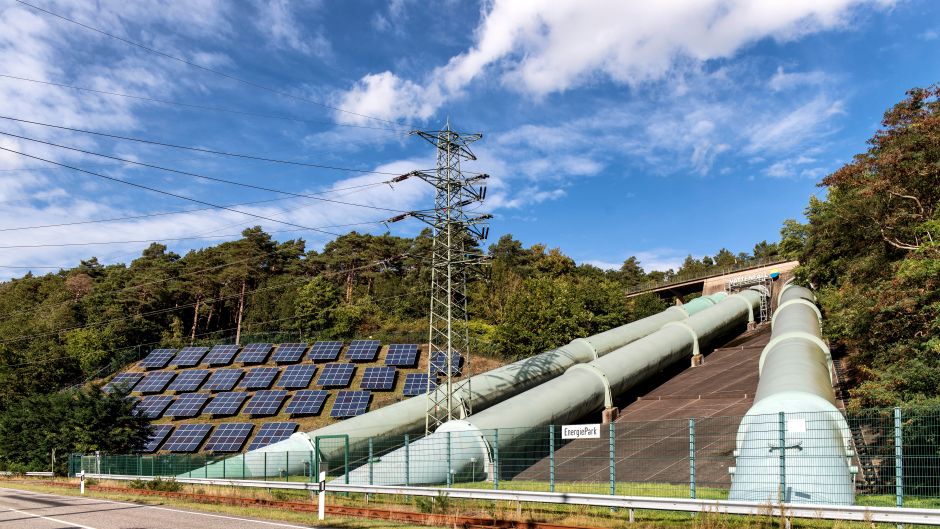
The global energy transition is accelerating, and with it comes a fundamental challenge: how do we move electricity from where renewable resources are abundant to where demand is highest? Solar farms in deserts, offshore wind in coastal waters, and hydroelectric plants in remote mountain regions rarely sit next to the cities and industries that need their power. Integrating renewables into the transmission grid is therefore not just an engineering task—it is the backbone of a decarbonized energy system.
This guide explores the technical, regulatory, and operational dimensions of renewable integration, offering practical insights for utilities, grid operators, policymakers, and energy professionals.
Why Transmission Is the Bottleneck for Renewable Energy
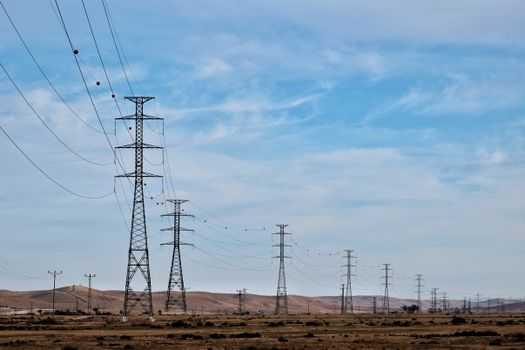
Renewable energy resources are location-constrained. Unlike coal or natural gas plants, which can be built near load centers, wind and solar projects must be sited where the resource is strongest. This geographic mismatch creates a transmission bottleneck: without adequate capacity to deliver clean electricity, renewable projects face curtailment, delayed interconnection, and reduced economic viability.
According to the International Energy Agency, global investment in grids must roughly double by 2030 to keep pace with renewable deployment. In many regions, interconnection queues now stretch for years, with thousands of gigawatts of proposed projects waiting for grid access.
Key Challenges at a Glance
- Variable output: Solar and wind generation fluctuates with weather and time of day, requiring flexible grid operations.
- Distance: High-quality resources are often far from population centers, demanding long-distance transmission.
- Inertia loss: Replacing synchronous generators with inverter-based resources reduces system inertia, affecting frequency stability.
- Interconnection delays: Outdated queue processes slow down new project additions.
- Regulatory fragmentation: Multiple jurisdictions and cost-allocation disputes complicate planning.
Technical Solutions for Grid Integration
Grid operators and engineers have developed a suite of technologies to integrate high shares of renewables reliably. These solutions range from hardware upgrades to advanced software and control systems.
1. High-Voltage Direct Current (HVDC) Transmission
HVDC lines are essential for moving large amounts of power over long distances with lower losses than alternating current (AC) systems. They are particularly valuable for connecting offshore wind farms and remote solar hubs to mainland grids. Modern voltage-source converter (VSC) HVDC systems also provide fast, controllable power flow and can support weak grids.
2. Flexible AC Transmission Systems (FACTS)
FACTS devices such as static synchronous compensators (STATCOMs) and unified power flow controllers (UPFCs) enhance grid flexibility by dynamically managing voltage, reactive power, and power flow. They help grids accommodate rapid changes in renewable output without compromising stability.
3. Grid-Forming Inverters
Traditional inverters follow the grid's voltage and frequency. Grid-forming inverters, by contrast, can establish voltage and frequency reference signals, providing synthetic inertia and supporting black-start capability. As inverter-based resources dominate, grid-forming technology becomes critical for maintaining stability.
4. Energy Storage and Hybrid Systems
Battery energy storage systems (BESS) smooth renewable output, shift energy to peak demand periods, and provide ancillary services like frequency regulation. Co-locating storage with solar or wind farms can also reduce interconnection costs and improve project economics.
5. Advanced Forecasting and Grid Management Software
Accurate weather and generation forecasting allows operators to schedule reserves more efficiently. Machine learning algorithms now predict wind and solar output with increasing precision, reducing the need for expensive backup generation.
Planning and Regulatory Considerations
Technical solutions alone are insufficient. Effective integration requires coordinated planning, updated market rules, and supportive policies.
Proactive Transmission Planning
Instead of reacting to individual interconnection requests, grid planners should adopt scenario-based, proactive planning that identifies future renewable energy zones and builds transmission ahead of demand. Regional and interregional planning bodies can help align investments across jurisdictions.
Interconnection Reform
Many grid operators are transitioning from serial to cluster-based interconnection studies, which process multiple projects together and reduce timelines. Some regions are also adopting 'connect and manage' approaches, allowing projects to connect faster with curtailment risk managed operationally.
Cost Allocation and Market Design
Who pays for new transmission? This question often stalls projects. Fair cost-allocation mechanisms—such as beneficiary-pays or socialized cost models—are essential. Additionally, wholesale markets should value flexibility, ramping capability, and fast frequency response, not just energy.
Practical Tips for Utilities and Developers
- Engage early with grid operators: Understand interconnection requirements and queue processes before finalizing project sites.
- Consider hybrid configurations: Pairing renewables with storage can improve grid compatibility and revenue streams.
- Invest in grid-enhancing technologies (GETs): Dynamic line ratings, advanced conductors, and power flow controllers can increase existing capacity at a fraction of new-build costs.
- Leverage data analytics: Use forecasting and analytics to optimize bidding, scheduling, and maintenance.
- Collaborate on regional planning: Participate in stakeholder processes to shape transmission expansion that benefits your projects.
Case Study: Integrating Offshore Wind in the North Sea
Several European countries are collaborating on a meshed offshore grid in the North Sea, connecting wind farms to multiple national grids. This approach reduces the number of individual radial connections, lowers costs, and improves supply security. It demonstrates how international cooperation and HVDC technology can overcome integration challenges.
The Role of Digitalization and Smart Grids
Digital technologies are transforming grid operations. Smart meters, phasor measurement units (PMUs), and IoT sensors provide real-time visibility. Artificial intelligence optimizes dispatch, predicts failures, and automates restoration. A digitalized grid is more resilient, efficient, and capable of integrating distributed energy resources (DERs) like rooftop solar and electric vehicles.
Future Outlook
The integration of renewables into the transmission grid will continue to evolve. Emerging trends include:
- Supergrids: Continental-scale HVDC networks linking resource-rich regions to demand centers.
- Green hydrogen: Using curtailed renewable energy to produce hydrogen, which can be stored and transported.
- Dynamic line rating: Real-time monitoring to safely increase transmission capacity based on weather conditions.
- Virtual power plants: Aggregating DERs to provide grid services traditionally supplied by large generators.
Conclusion
Integrating renewables into the transmission grid is a complex but achievable goal. It requires a combination of advanced technologies, forward-looking planning, regulatory reform, and cross-sector collaboration. By investing in HVDC, grid-forming inverters, storage, and smart grid solutions—and by reforming interconnection and market rules—we can build a transmission system that supports a clean, reliable, and affordable energy future.
For utilities and developers, the message is clear: proactive engagement, innovation, and collaboration are the keys to unlocking the full potential of renewable energy.