Understanding Smart Grid Transmission Technology
The electrical grid is undergoing its most significant transformation since the days of Tesla and Westinghouse. Smart grid transmission technology represents the convergence of power engineering, digital communications, and data analytics, creating an intelligent network that can monitor, protect, and optimize itself in real time. For utilities, industrial operators, and energy professionals, understanding this technology is no longer optional—it is essential for staying competitive in a rapidly evolving energy landscape.
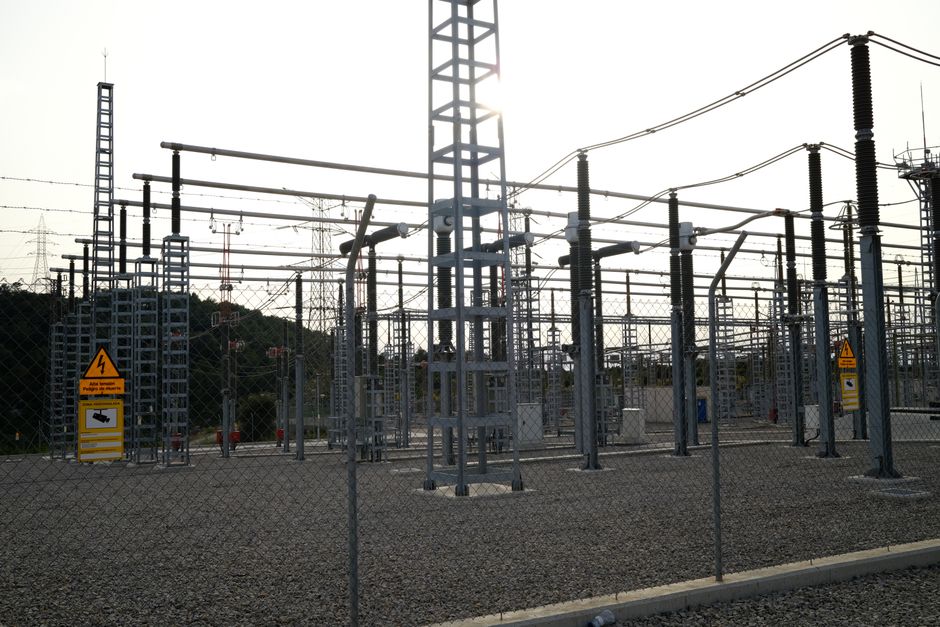
At its core, a smart grid transmission system adds layers of sensing, communication, and control to the high-voltage backbone that moves electricity from generation sources to distribution networks. Unlike the passive grids of the twentieth century, smart transmission networks actively respond to changing conditions, integrate renewable energy sources, and prevent wide-scale outages before they happen.
Why Smart Grid Transmission Matters Now
Several converging forces are driving the adoption of smart transmission technology:
- Renewable integration: Solar and wind generation are variable and often located far from load centers, requiring transmission systems that can handle bidirectional power flows.
- Aging infrastructure: Much of the world's transmission infrastructure was built decades ago and needs modernization.
- Rising demand: Electrification of transport, heating, and industry is pushing transmission networks to their limits.
- Resilience requirements: Extreme weather and cyber threats demand grids that can self-heal and recover quickly.
- Regulatory pressure: Governments worldwide are mandating efficiency improvements and emissions reductions.
Smart grid transmission addresses all of these challenges by making the grid observable, controllable, and adaptable.
Core Components of Smart Transmission Systems
1. Advanced Sensors and Measurement Devices
Smart grids rely on a dense network of sensors that collect data on voltage, current, temperature, vibration, and other parameters. Key devices include:
- Phasor Measurement Units (PMUs): These devices sample voltage and current waveforms at high speeds, providing synchronized, time-stamped measurements across the grid. PMUs are the backbone of wide-area monitoring systems.
- Smart transformers: Equipped with sensors and communication capabilities, these transformers can report their health status and adjust performance dynamically.
- Distributed temperature sensing: Fiber-optic cables along transmission lines measure temperature to calculate real-time line ratings.
- Line monitoring sensors: Devices that detect faults, icing, sag, and vegetation encroachment.
2. Communication Networks
Data from sensors is useless without reliable, low-latency communication. Smart transmission systems use a mix of technologies:
| Technology | Typical Use | Advantages |
|---|---|---|
| Fiber optic | Backbone substation communication | High bandwidth, immunity to EMI |
| Wireless (LTE/5G) | Remote monitoring, mobile assets | Cost-effective, flexible deployment |
| Power line carrier | Legacy protection signaling | Uses existing conductors |
| Satellite | Very remote locations | Wide coverage |
Cybersecurity is a critical consideration at every layer of this communication stack. Utilities must implement encryption, authentication, and intrusion detection to protect against attacks.
3. Control and Automation Systems
Smart transmission technology enables advanced control functions:
- Wide-Area Monitoring Systems (WAMS): Aggregate PMU data to give operators a real-time picture of grid stability.
- Flexible AC Transmission Systems (FACTS): Devices like STATCOMs and SVCs that dynamically control voltage and power flow.
- High-Voltage Direct Current (HVDC): Enables long-distance, low-loss transmission and asynchronous interconnection.
- Advanced Energy Management Systems (EMS): Software platforms that optimize generation and transmission dispatch.
4. Energy Storage Integration
Storage is increasingly co-located with transmission assets to smooth renewable output, provide frequency regulation, and defer expensive upgrades. Smart grid controls coordinate storage dispatch with transmission constraints.
Key Benefits of Smart Grid Transmission
Investing in smart transmission technology delivers measurable returns:
- Improved reliability: Early fault detection and automated response reduce outage duration and frequency.
- Higher capacity utilization: Dynamic line ratings allow operators to safely push more power through existing lines.
- Reduced losses: Optimized power flows minimize resistive losses, saving energy and money.
- Better renewable integration: Forecasting and flexible control accommodate variable generation.
- Lower operating costs: Predictive maintenance reduces unplanned repairs and extends asset life.
- Enhanced security: Real-time monitoring helps detect and mitigate physical and cyber threats.
Practical Implementation Tips
Deploying smart grid transmission technology is a complex, multi-year journey. Consider these practical guidelines:
- Start with a clear roadmap: Define business objectives, prioritize use cases, and sequence investments.
- Invest in data architecture: Establish common data models and interoperability standards such as IEC 61850 and CIM.
- Pilot before scaling: Test technologies in controlled environments to validate performance and ROI.
- Build cybersecurity in from day one: Follow NIST and IEC 62443 frameworks; conduct regular audits.
- Train your workforce: Operators and engineers need new skills in data analytics, communications, and cyber hygiene.
- Engage regulators early: Align investment plans with regulatory incentives and cost-recovery mechanisms.
- Leverage partnerships: Collaborate with technology vendors, research institutions, and other utilities.
Challenges and Considerations
Despite its promise, smart grid transmission faces hurdles:
- High upfront costs: Sensors, communication infrastructure, and software require significant capital.
- Interoperability: Mixing equipment from multiple vendors can create integration headaches.
- Data overload: Utilities must manage and analyze massive data streams.
- Regulatory lag: Rules may not keep pace with technology, slowing deployment.
- Cyber risk: Increased connectivity expands the attack surface.
- Workforce gaps: Finding skilled professionals in both power systems and IT is challenging.
Addressing these challenges requires strategic planning, robust standards, and sustained investment.
The Future of Smart Grid Transmission
Looking ahead, several trends will shape the next generation of smart transmission:
- AI and machine learning: Predictive analytics will optimize maintenance, forecast demand, and detect anomalies.
- Edge computing: Processing data closer to the source reduces latency and bandwidth needs.
- 5G and private networks: Ultra-reliable low-latency communication will enable new protection schemes.
- Grid-forming inverters: These devices will allow renewable resources to support grid stability like traditional generators.
- Digital twins: Virtual replicas of transmission assets will enable simulation, training, and optimization.
- Supergrids: Continental-scale HVDC networks will connect distant renewable resources.
As these technologies mature, the smart grid will evolve from a concept into the standard operating model for power transmission worldwide.
Conclusion
Smart grid transmission technology is reshaping how electricity moves from generation to consumption. By combining advanced sensors, high-speed communications, intelligent control, and data analytics, utilities can build a grid that is more reliable, efficient, sustainable, and secure. While the journey requires investment and careful planning, the benefits—both economic and environmental—are compelling. For companies involved in power transmission, staying informed and proactive about smart grid developments is the key to long-term success.