
1. Global Demand for Power Transmission Equipment Hits New Highs
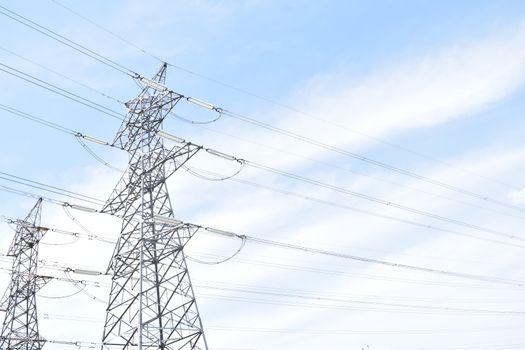
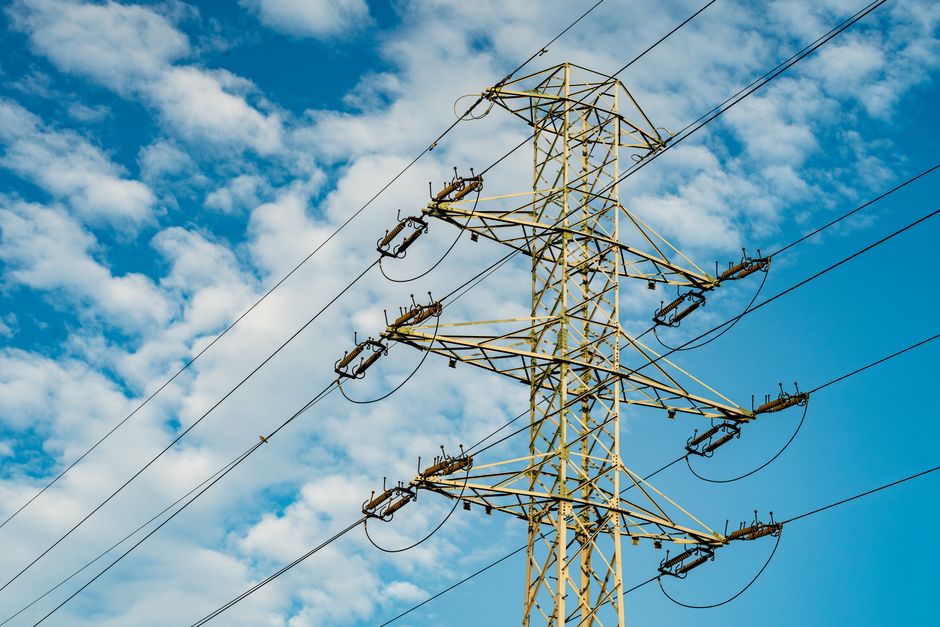
Recent reports from leading energy analysts show that global demand for power transmission equipment — including transformers, switchgear, and high-voltage cables — has reached record levels in 2024. This surge is driven primarily by the rapid expansion of renewable energy projects, the electrification of transportation, and the need to modernize aging grid infrastructure across North America and Europe.
Utilities and independent power producers are placing unprecedented orders for high-capacity transmission systems. According to industry data, order backlogs at major manufacturers have extended to 2026 and beyond, prompting significant capacity expansions. This trend underscores the critical role of reliable power transmission in the global energy transition.
For companies in the sector, this represents both a tremendous opportunity and a logistical challenge. Supply chain constraints, particularly for specialty steel and copper, continue to pressure lead times. Industry leaders are responding with strategic partnerships and vertical integration to secure critical components.
2. Breakthrough in High-Voltage Direct Current (HVDC) Technology
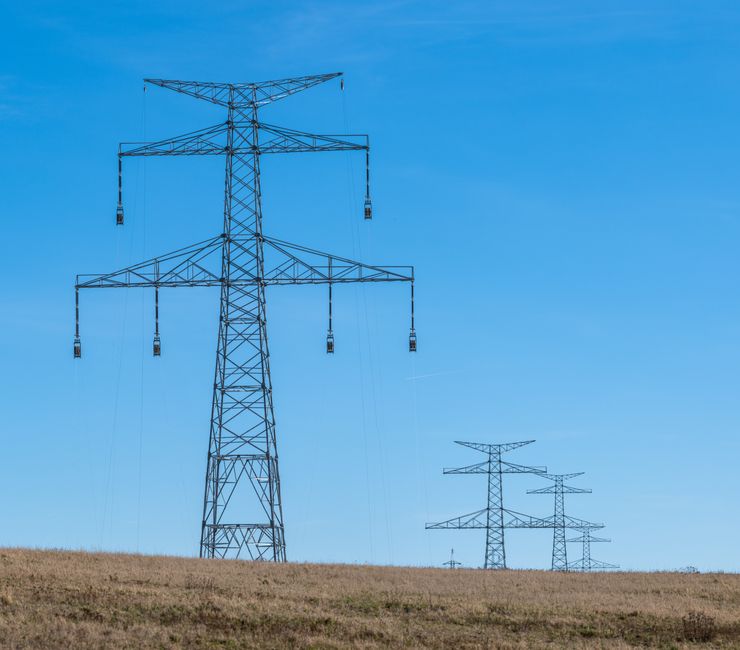
Engineers have announced a significant breakthrough in HVDC converter technology that could reduce transmission losses by up to 30% over long distances. The new modular multilevel converter design, developed through a collaboration between European research institutes and leading manufacturers, promises greater efficiency and lower maintenance costs.
HVDC systems are essential for connecting offshore wind farms and remote renewable generation to population centers. The improved technology allows for more compact converter stations, reducing the environmental footprint and capital expenditure of new projects. Several pilot installations are planned for the North Sea and China.
This development is particularly timely as countries ramp up offshore wind capacity. Analysts predict that HVDC will become the dominant transmission method for distances exceeding 600 kilometers, both onshore and subsea. The breakthrough could accelerate project approvals and reduce overall system costs.
3. Smart Grid Investments Accelerate Worldwide
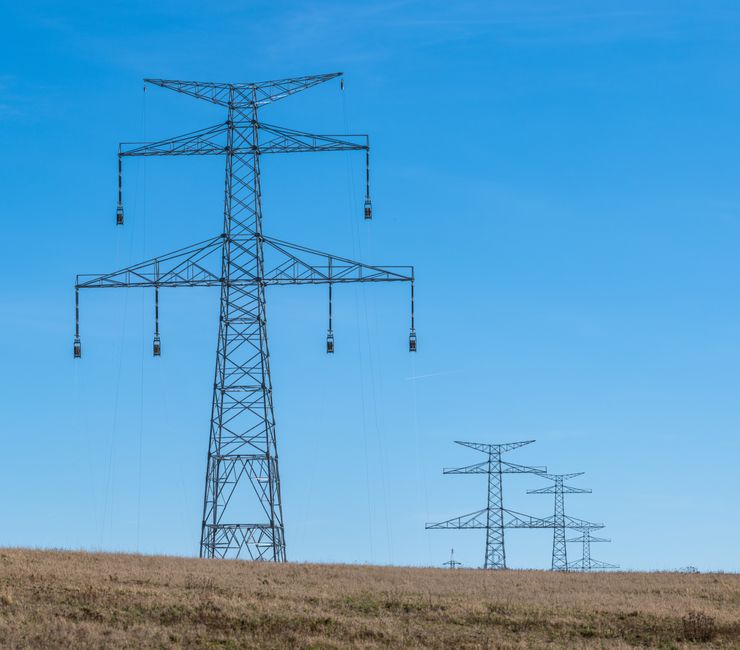
Governments and utilities are increasing investments in smart grid technologies that enhance the monitoring, control, and automation of power transmission networks. In the United States, the Department of Energy recently announced $3.5 billion in grants for grid modernization projects, with a focus on advanced sensors and real-time data analytics.
These smart grid upgrades enable utilities to detect faults faster, reroute power automatically, and integrate distributed energy resources like solar and battery storage. The result is a more resilient and efficient transmission system that can handle the variability of renewable generation.
Key technologies driving this wave include phasor measurement units (PMUs), dynamic line rating systems, and AI-powered predictive maintenance platforms. Companies that provide these solutions are seeing strong demand, and the market is expected to grow at a compound annual growth rate of over 12% through 2030.
4. Major Transmission Projects Approved in Europe and Asia
Several landmark transmission projects have received regulatory approval in recent months. In Europe, the 1,400 MW NordLink expansion will increase capacity between Norway and Germany, enhancing energy security and enabling greater exchange of renewable power. In Asia, India approved a 6,000 MW ultra-high-voltage direct current (UHVDC) link to bring hydropower from the northeast to central load centers.
These projects highlight the growing trend toward cross-border and inter-regional transmission to balance supply and demand. They also demonstrate the increasing reliance on UHVDC technology, which is becoming more cost-competitive for very long distances.
Construction timelines for these mega-projects range from three to five years, with significant procurement opportunities for cable manufacturers, converter station suppliers, and engineering firms. Local content requirements in some regions are also shaping supply chain strategies.
5. Cybersecurity Becomes Top Priority for Transmission Operators
As power transmission networks become more digitalized, cybersecurity has emerged as a critical concern. Recent high-profile attacks on energy infrastructure have prompted regulators to introduce stricter cybersecurity standards for grid operators. In the EU, the Network and Information Security (NIS2) Directive now imposes mandatory incident reporting and risk management requirements.
Transmission system operators are investing in advanced security operations centers, zero-trust architectures, and employee training. The challenge is to secure legacy equipment that was not designed with cyber threats in mind, while also protecting new IoT-enabled devices.
Industry collaborations, such as the North American Electric Reliability Corporation (NERC) critical infrastructure protection (CIP) standards, are helping to standardize best practices. However, experts warn that the threat landscape is evolving rapidly, and continuous vigilance is essential.
6. Advancements in Superconducting Transmission Cables
Superconducting cables, which can transmit electricity with zero resistance when cooled to extremely low temperatures, are moving from laboratory to commercial deployment. A recent project in Germany successfully demonstrated a 1-kilometer superconducting cable operating at 110 kV, marking a significant milestone.
These cables offer enormous capacity in a small footprint, making them ideal for urban areas where space is limited. They also eliminate resistive losses, improving overall grid efficiency. The main barriers remain the high cost of cooling systems and the need for specialized installation expertise.
Ongoing research aims to develop higher-temperature superconductors that could operate at more practical temperatures, potentially reducing costs. If successful, this technology could revolutionize power transmission in densely populated regions and enable new applications like offshore supergrids.
7. Workforce Development Initiatives Address Skills Gap
The power transmission industry faces a looming skills gap as experienced engineers retire and new technologies require updated competencies. In response, utilities and manufacturers are launching apprenticeship programs, partnerships with universities, and specialized training centers.
For example, a consortium of European transmission operators recently announced a €50 million initiative to train 10,000 workers in HVDC and smart grid technologies over the next five years. In the US, community colleges are expanding programs in power engineering to meet local demand.
These efforts are crucial for maintaining reliable grid operations and executing the ambitious transmission projects planned worldwide. Companies that invest in workforce development are also better positioned to attract and retain talent in a competitive market.
8. Regulatory Reforms Aim to Speed Up Transmission Permitting
One of the biggest obstacles to grid expansion is the slow permitting process. In the US, the Federal Energy Regulatory Commission (FERC) recently issued Order 2023, which requires transmission providers to consider advanced technologies and improve interconnection queue processes. Similar reforms are underway in Europe and Australia.
These regulatory changes are designed to reduce delays and encourage investment in new transmission capacity. However, challenges remain, including local opposition and environmental reviews. Streamlining these processes without compromising environmental protections is a delicate balance.
Industry stakeholders are advocating for a more coordinated approach to planning and permitting, including designation of national interest corridors. If successful, these reforms could significantly accelerate the deployment of critical transmission infrastructure.
9. Energy Storage Integration Reshapes Transmission Planning
The rapid growth of utility-scale battery storage is changing how transmission systems are planned and operated. Storage can smooth renewable output, provide backup power, and defer the need for new transmission lines. However, it also introduces new complexities in grid management.
Transmission planners are now incorporating storage as a non-wires alternative, evaluating it alongside traditional infrastructure. In some cases, strategically placed batteries can relieve congestion and improve reliability at a lower cost than building new lines.
This shift is prompting utilities to adopt more integrated planning approaches that consider generation, storage, and transmission together. The result is a more flexible and cost-effective grid that can better accommodate the energy transition.
10. Outlook: Transmission Industry Poised for Transformative Decade
Looking ahead, the power transmission industry is set for a decade of unprecedented transformation. The convergence of renewable energy targets, technological innovation, and regulatory support is driving record investment. At the same time, challenges such as supply chain disruptions and cybersecurity threats require proactive solutions.
Companies that embrace digitalization, invest in R&D, and develop a skilled workforce will be best positioned to succeed. Collaboration across borders and sectors will be essential to build the resilient, sustainable transmission networks of the future.
As the backbone of the clean energy transition, power transmission will continue to attract attention and investment. Staying informed about the latest news and trends is crucial for industry professionals and stakeholders alike.