Understanding Transmission Network Expansion
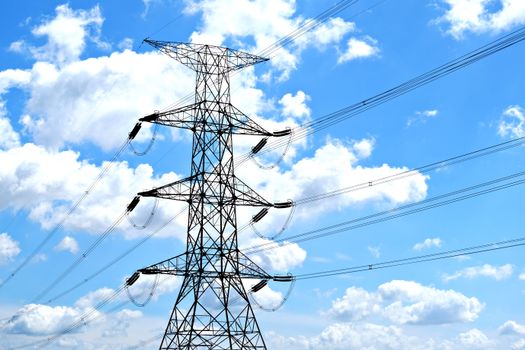
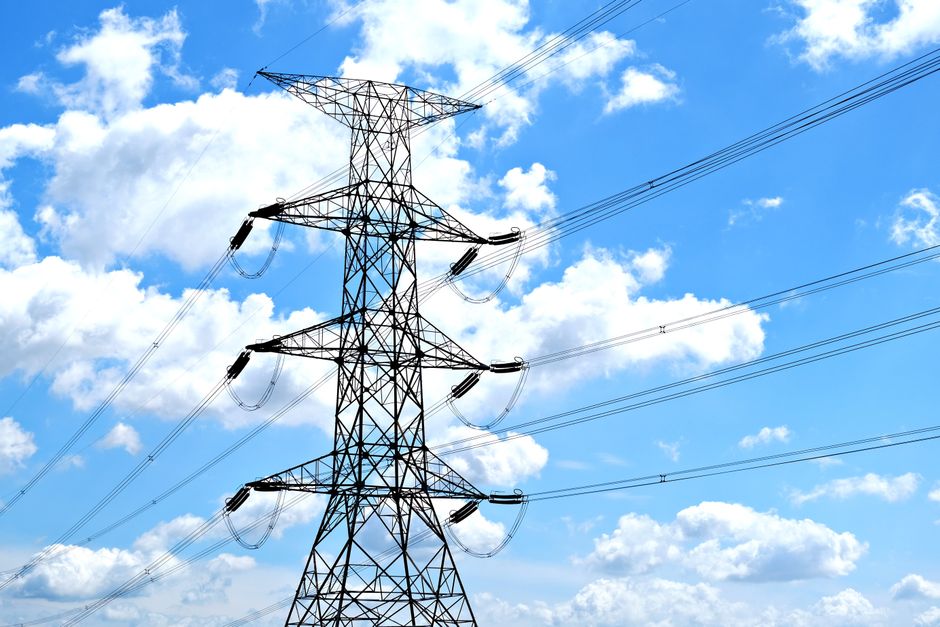
Transmission network expansion is the process of adding new high-voltage power lines, upgrading existing infrastructure, and integrating advanced control technologies to move electricity from generation sources to load centers. As renewable energy grows, electrification accelerates, and demand patterns shift, utilities and grid operators face mounting pressure to expand transmission capacity quickly, affordably, and reliably.
This guide examines the major challenges of transmission network expansion and provides practical fixes that planners, engineers, and policymakers can apply today.
Why Transmission Expansion Is Urgent
Several forces are converging to make grid expansion one of the most critical infrastructure priorities of the decade:
- Renewable integration: Solar and wind farms are often located far from cities, requiring long-distance transmission.
- Electrification: Electric vehicles, heat pumps, and data centers are raising peak demand.
- Aging infrastructure: Much of the grid was built decades ago and is nearing capacity limits.
- Resilience needs: Extreme weather events demand redundant pathways and faster restoration.
- Market efficiency: Better interconnection reduces congestion costs and price volatility.
Key Challenges in Transmission Network Expansion
1. Permitting and Regulatory Hurdles
Transmission projects crossing multiple jurisdictions must navigate a maze of federal, state, and local approvals. Each authority may have different environmental review requirements, land-use rules, and timelines. A single project can take 10 to 15 years to complete, with permitting consuming most of that time.
Practical fix: Adopt a one-stop permitting authority or fast-track corridors for projects with clear public benefits. Standardize environmental documentation across regions and set enforceable decision deadlines.
2. Land Acquisition and Right-of-Way Issues
Securing rights-of-way for new lines often involves negotiating with hundreds of landowners. Disputes over compensation, visual impact, and property values can delay or derail projects.
Practical fix: Engage landowners early, offer fair compensation packages, and use existing corridors where possible. Co-locating transmission with highways or rail lines reduces new land requirements.
3. Cost Allocation and Financing
Who pays for a transmission line that benefits multiple regions? Cost allocation disputes are among the most contentious issues in grid planning. Without a clear formula, projects stall.
Practical fix: Use benefit-based cost allocation models that assign costs in proportion to projected reliability, economic, and environmental benefits. Public-private partnerships and green bonds can spread financial risk.
4. Supply Chain and Workforce Constraints
Transformers, high-voltage cables, and specialized labor are in short supply. Lead times for large power transformers can exceed two years, and experienced linemen are retiring faster than they can be replaced.
Practical fix: Standardize equipment specifications to increase manufacturing competition, build strategic reserves of critical components, and invest in apprenticeship programs and technical training.
5. Technical and Operational Complexity
Expanding a meshed AC network changes power flows in ways that can overload existing lines. Integrating HVDC links, FACTS devices, and inverter-based resources adds control complexity.
Practical fix: Use advanced power flow studies, dynamic stability analysis, and digital twins to model expansion scenarios. Deploy flexible AC transmission systems (FACTS) and phase-shifting transformers to manage flows.
Comparison of Expansion Approaches
| Approach | Typical Timeline | Capital Cost | Best Use Case |
|---|---|---|---|
| New overhead AC line | 7–12 years | Moderate | Long-distance bulk transfer |
| HVDC link | 5–10 years | High | Submarine or very long routes |
| Reconductoring | 2–4 years | Low–Moderate | Upgrading existing corridors |
| Dynamic line rating | 6–18 months | Low | Unlocking hidden capacity |
| Grid-enhancing technologies | 1–3 years | Low | Fast congestion relief |
Practical Fixes for Faster, Smarter Expansion
Adopt Grid-Enhancing Technologies
Advanced conductors, dynamic line ratings, and power flow controllers can increase existing capacity by 20–40% at a fraction of the cost of new construction. These solutions buy time while larger projects move through permitting.
Streamline Interconnection Queues
Reform interconnection processes with cluster studies, automated screening, and financial readiness requirements. This reduces speculative projects and accelerates viable ones.
Use Proactive Planning
Move from reactive to scenario-based planning. Anticipate where renewables and load growth will occur, and reserve corridors before land becomes expensive or unavailable.
Leverage Digital Tools
Digital twins, AI-based forecasting, and real-time monitoring improve asset utilization and reduce outage risk. They also provide data to justify expansion investments to regulators.
Engage Communities Early
Public opposition is a major cause of delay. Transparent communication, community benefit agreements, and visual mitigation measures can build local support.
Case Study: Reconductoring Success
A regional utility facing congestion on a 230 kV corridor replaced conventional conductors with advanced composite-core conductors. The upgrade increased capacity by 35% without new towers or right-of-way. Permitting took 14 months, and construction was completed during scheduled outages. The project deferred a $300 million new line by at least eight years.
Future Outlook
Transmission expansion will increasingly rely on a mix of new lines, upgrades, and digital optimization. HVDC and superconducting technologies will play larger roles in long-distance and urban applications. Policy reforms, standardized equipment, and workforce development are essential to scale deployment.
Utilities that combine strategic planning, advanced technologies, and stakeholder engagement will deliver reliable, affordable, and sustainable transmission networks for decades to come.
Key Takeaways
- Permitting and cost allocation are the biggest non-technical barriers.
- Grid-enhancing technologies offer fast, low-cost capacity gains.
- Proactive planning and early community engagement reduce delays.
- Supply chain and workforce constraints require long-term investment.
- Digital tools improve both planning and operations.