What Are the Most Common Causes of Power Transmission Failures?
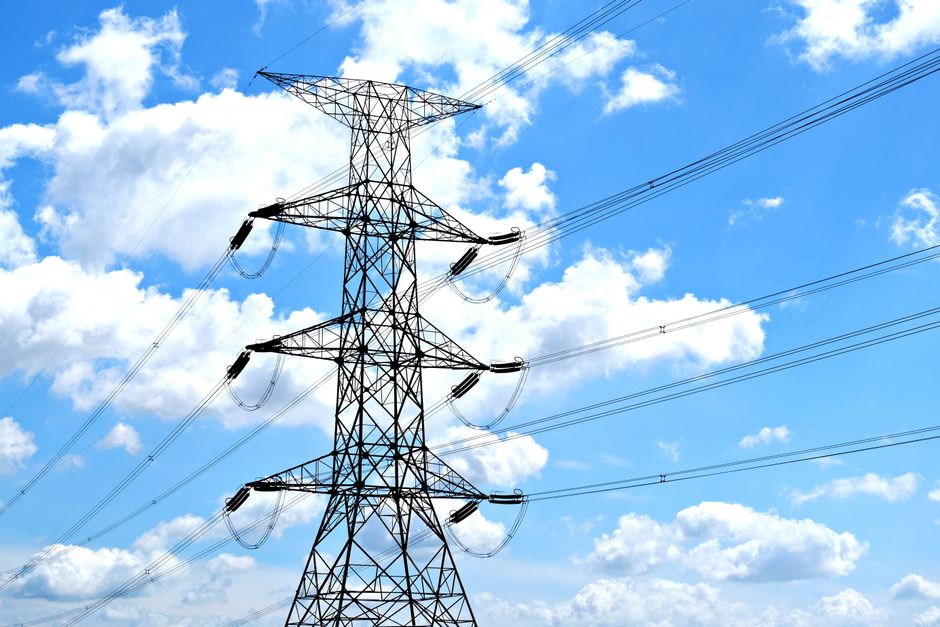
Power transmission failures rarely stem from a single issue. In most cases, they result from a combination of environmental stress, equipment aging, and operational overload. The most common causes include lightning strikes, insulation breakdown, conductor fatigue, vegetation contact, and wildlife interference. According to industry data, weather-related events account for a significant share of outages, but mechanical and electrical degradation also play major roles over time.
Understanding these root causes is essential for utilities, maintenance teams, and industrial operators who want to reduce downtime and improve grid reliability. A proactive approach that combines regular inspections, predictive maintenance, and modern monitoring technology can prevent many failures before they happen.
How Does Lightning Damage Power Transmission Lines?
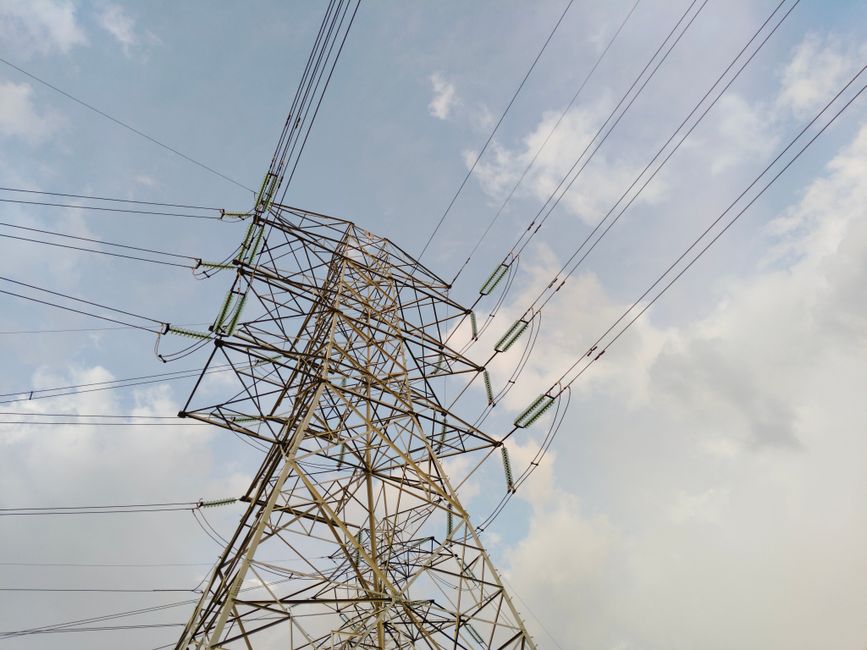
Lightning is one of the most dramatic and destructive causes of transmission failures. When a lightning strike hits a transmission line or a nearby structure, it can create a surge of voltage that exceeds the line's insulation level. This can cause flashover, where electricity jumps across insulators, or even physically damage conductors and hardware.
Utilities use several protective measures to mitigate lightning damage, including shield wires, surge arresters, and improved grounding systems. However, no system is completely immune. In regions with high lightning density, transmission lines are designed with higher insulation margins and faster fault-clearing mechanisms to minimize the impact of strikes.
What Role Does Insulation Failure Play in Transmission Outages?
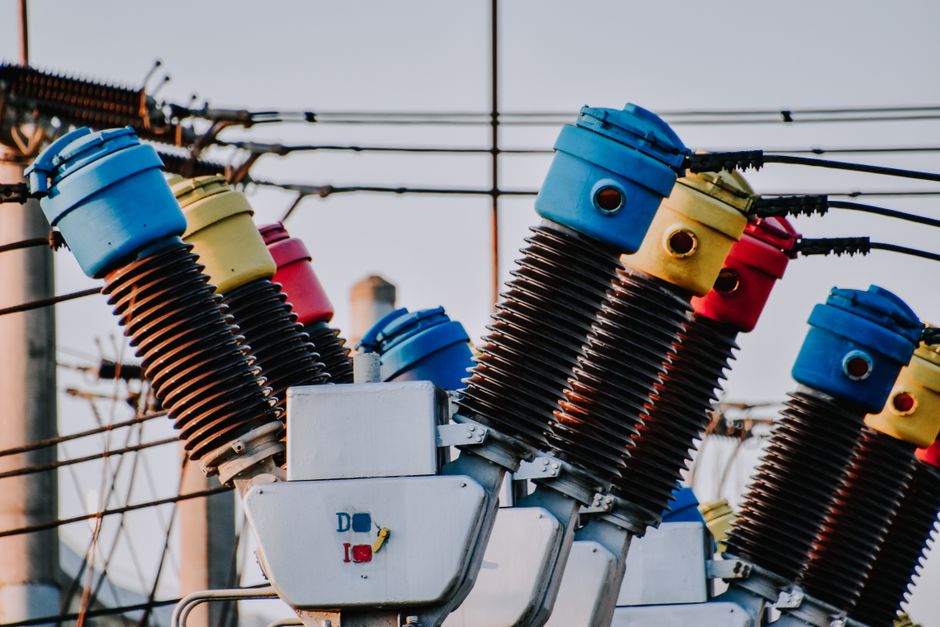
Insulation failure is a leading cause of electrical faults in transmission systems. Insulators are designed to isolate energized conductors from support structures, but they degrade over time due to contamination, moisture, and mechanical stress. Pollution, salt spray, and industrial dust can coat insulators and create conductive paths that lead to flashover.
When insulation breaks down, the result can be a short circuit, a ground fault, or even a catastrophic equipment failure. Regular washing, silicone coatings, and the use of composite insulators help extend insulation life. In addition, partial discharge monitoring can detect early signs of insulation degradation before a full failure occurs.
Can Vegetation and Trees Cause Power Transmission Failures?
Yes, vegetation is a surprisingly common cause of transmission outages. Trees and branches that grow too close to power lines can contact conductors, especially during storms or high winds. This contact can cause short circuits, fires, and even downed lines. In dry conditions, vegetation can also fuel wildfires that damage transmission infrastructure.
To prevent these failures, utilities maintain clear rights-of-way and conduct regular vegetation management programs. This includes trimming, mowing, and sometimes using growth regulators. Effective vegetation management is not just about reliability—it is also a critical safety and environmental measure.
How Do Equipment Aging and Wear Contribute to Failures?
Like any mechanical and electrical system, power transmission equipment ages. Transformers, circuit breakers, conductors, and insulators all have finite lifespans. Over time, components can suffer from corrosion, fatigue, and insulation deterioration. A transformer that has been in service for decades may fail suddenly due to internal winding faults or oil degradation.
Age-related failures are often preventable through condition-based maintenance. Techniques such as dissolved gas analysis, thermography, and vibration monitoring can reveal early signs of wear. When utilities replace aging equipment before it fails, they avoid costly emergency repairs and unplanned outages.
What Impact Do Extreme Weather Events Have on Transmission Reliability?
Extreme weather is a major driver of power transmission failures. Hurricanes, ice storms, tornadoes, and floods can physically destroy towers, snap conductors, and flood substations. High winds can cause conductors to gallop, leading to mechanical fatigue and flashover. Ice accumulation can add tremendous weight to lines, causing towers to collapse.
Climate change is increasing the frequency and intensity of such events, putting additional stress on transmission networks. Utilities are responding by hardening infrastructure, using stronger materials, and improving emergency response plans. Undergrounding lines in vulnerable areas is another option, though it is expensive and not always feasible.
How Does Wildlife Interfere with Power Transmission?
Wildlife, particularly birds and rodents, can cause transmission failures in unexpected ways. Birds may build nests on transmission towers, and their droppings can contaminate insulators, leading to flashover. Squirrels and other small animals can bridge phase-to-ground gaps, causing short circuits. In some regions, snakes have been known to climb towers and cause faults.
To reduce wildlife-related outages, utilities install bird guards, perch deterrents, and insulated covers on critical components. These measures protect both the animals and the grid. Wildlife-caused outages are often localized but can be frequent in certain areas, making them a priority for targeted mitigation.
What Are the Consequences of Overloading Transmission Lines?
Overloading occurs when transmission lines carry more current than they are designed for. This can happen during peak demand, when a major generating unit goes offline, or when parallel lines are out of service. Overloading causes conductors to heat up and sag, reducing clearance to the ground and increasing the risk of flashover.
In the long term, repeated overloading accelerates conductor fatigue and insulation degradation. Utilities manage loading through real-time monitoring, dynamic line ratings, and demand response programs. When overloads are detected, system operators can reroute power or shed load to prevent cascading failures.
How Can Power Transmission Failures Be Prevented?
Preventing transmission failures requires a comprehensive strategy that combines technology, maintenance, and planning. Key measures include:
- Regular inspection and condition monitoring of lines and equipment
- Predictive maintenance using sensors and data analytics
- Vegetation management and rights-of-way clearing
- Wildlife protection devices and insulation upgrades
- Weather monitoring and emergency response preparedness
- Investment in grid modernization and smart grid technologies
No single solution eliminates all failures, but a layered defense significantly improves reliability. As transmission systems face growing demands and climate challenges, ongoing innovation and investment are essential.
| Cause | Typical Impact | Prevention Method |
|---|---|---|
| Lightning | Flashover, equipment damage | Shield wires, surge arresters |
| Insulation failure | Short circuits, ground faults | Washing, composite insulators |
| Vegetation | Contact, fires, outages | Right-of-way clearing |
| Aging equipment | Sudden component failure | Condition-based maintenance |
| Extreme weather | Structural damage, outages | Hardening, undergrounding |
| Wildlife | Flashover, short circuits | Bird guards, insulated covers |
| Overloading | Sag, conductor fatigue | Dynamic line ratings, monitoring |