What Is a Substation?
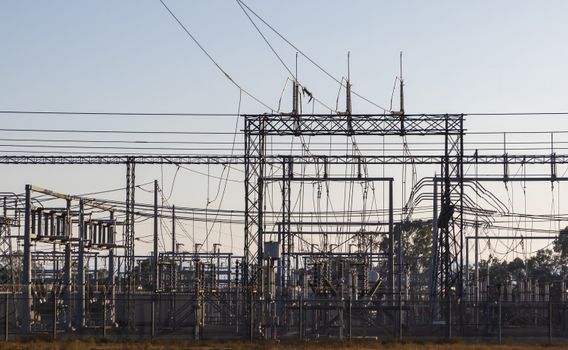
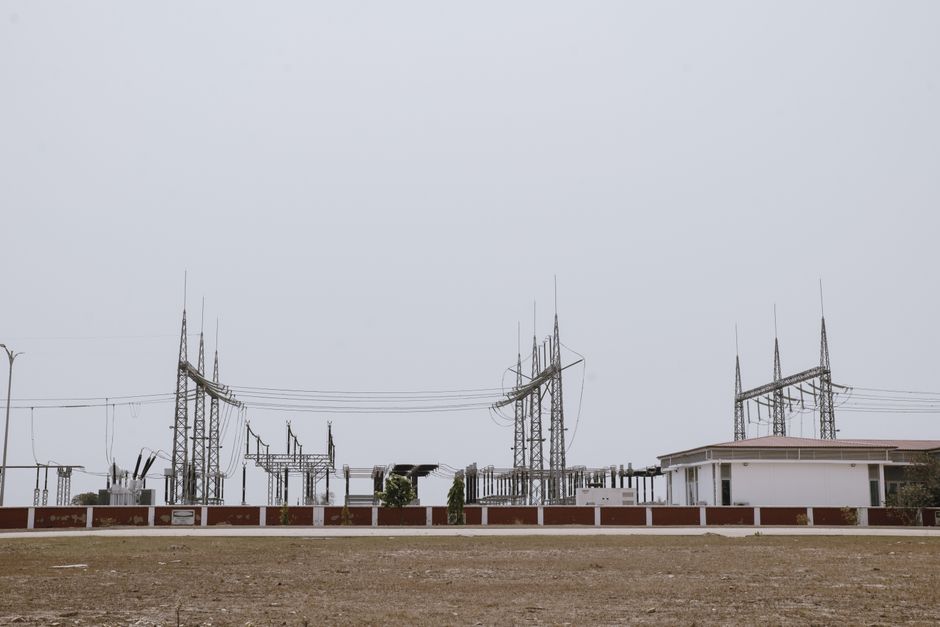
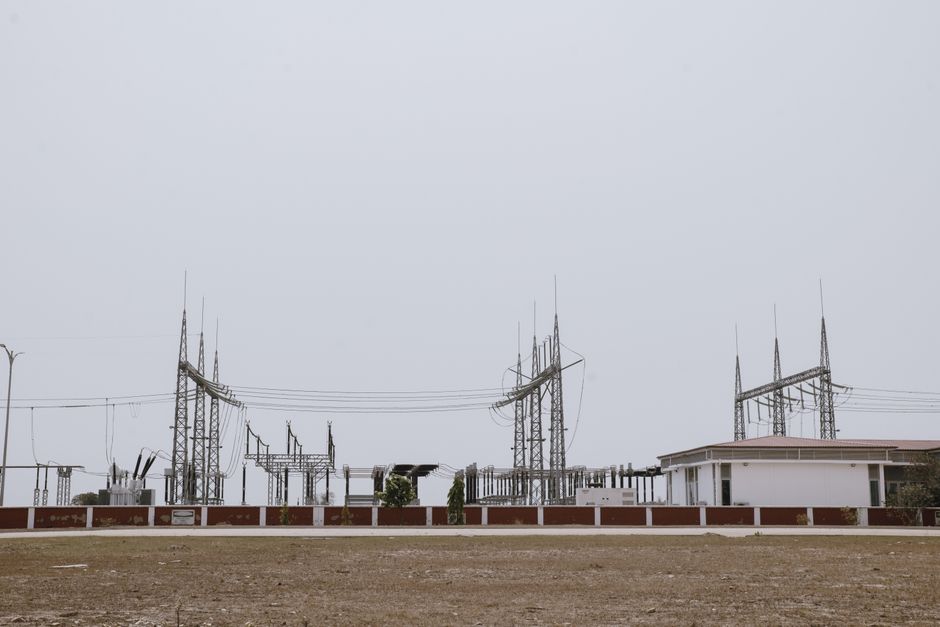
A substation is a critical component of the electrical power transmission and distribution system. It acts as a hub where voltage is transformed from high to low, or vice versa, and where electricity is routed in multiple directions. Substations also serve as control points for the electrical grid, allowing operators to monitor and manage power flow, isolate faults, and maintain stability.
In essence, a substation is a facility that contains transformers, circuit breakers, switches, and other equipment to safely and efficiently manage electricity. Without substations, the efficient transmission of power over long distances and its safe distribution to homes and businesses would be impossible.
Why Are Substations Important in Power Transmission?
Substations are vital for several reasons. First, they enable the transmission of electricity at high voltages, which reduces energy losses over long distances. Second, they provide a means to step down the voltage to levels suitable for distribution to consumers. Third, they offer protection and control, ensuring that faults are quickly isolated to prevent widespread outages.
Moreover, substations allow for the interconnection of different power sources, such as power plants, wind farms, and solar arrays, into a unified grid. This interconnection enhances reliability and allows for the balancing of supply and demand across regions.
What Are the Main Types of Substations?
Substations can be classified in several ways, but the most common types are:
- Transmission substations: These operate at high voltages (above 100 kV) and are connected to the transmission network. They step down voltage for sub-transmission or distribution.
- Distribution substations: These step down voltage from sub-transmission levels (typically 33-115 kV) to distribution levels (e.g., 11 kV or 415 V) for local delivery.
- Collector substations: Used in renewable energy projects to collect power from multiple generators (e.g., wind turbines) and step up voltage for transmission.
- Switching substations: These do not have transformers; they only switch circuits to reroute power.
- Mobile substations: Trailer-mounted units used for temporary power or emergency restoration.
Each type serves a specific purpose in the power delivery chain, and their designs vary based on voltage levels, location, and function.
How Does a Substation Work?
A substation works by receiving electrical power from a generating source or transmission line, then using transformers to change the voltage. The basic process involves:
- Step-up or step-down transformation: Transformers increase voltage for transmission or decrease it for distribution.
- Switching and protection: Circuit breakers and switches control the flow of electricity and protect equipment from faults.
- Monitoring and control: Sensors and control systems monitor voltage, current, and other parameters to ensure stable operation.
The substation also includes busbars that serve as central connection points, and protective relays that detect abnormal conditions and trigger circuit breakers to isolate faults. All these components work together to ensure safe and reliable power flow.
What Equipment Is Found in a Substation?
Substations contain a variety of equipment, each with a specific role:
| Equipment | Function |
|---|---|
| Transformers | Change voltage levels |
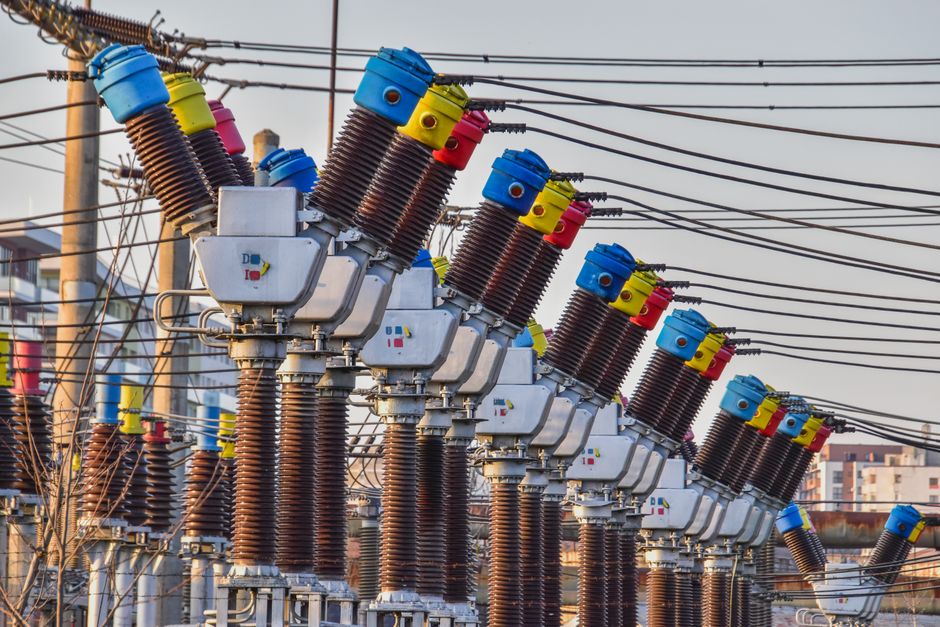
| Circuit breakers | Interrupt current flow during faults |
| Disconnect switches | Isolate equipment for maintenance |
| Busbars | Conduct electricity and connect circuits |
| Current transformers (CTs) | Measure current for protection and metering |
| Voltage transformers (VTs) | Measure voltage for protection and metering |
| Protective relays | Detect faults and initiate trips |
| Control panels | House monitoring and control interfaces |
| Batteries | Provide backup power for control systems |
Additionally, substations may include capacitors for voltage support, reactors to limit fault currents, and lightning arresters to protect against surges.
What Is the Difference Between a Substation and a Transformer?
A transformer is a single piece of equipment that changes voltage levels, while a substation is a complete facility that houses transformers along with other equipment. In other words, a substation is a collection of components, including transformers, that work together to manage power flow.
Transformers can exist outside substations, such as pole-mounted transformers in distribution systems. However, in transmission and distribution networks, transformers are typically found within substations, where they are integrated with protection and control systems.
How Are Substations Classified by Voltage Level?
Substations are often classified by their voltage levels, which indicate their role in the grid:
- High-voltage (HV) substations: Operate at voltages above 100 kV, typically part of the transmission network.
- Medium-voltage (MV) substations: Operate between 1 kV and 100 kV, often used for sub-transmission and distribution.
- Low-voltage (LV) substations: Operate below 1 kV, usually for local distribution.
Voltage levels vary by country and utility, but the classification helps in understanding the substation's function and design. Higher voltage substations require more insulation and larger clearances.
What Are the Safety Measures in a Substation?
Safety is paramount in substations due to the high voltages and currents involved. Key safety measures include:
- Grounding: All equipment is grounded to prevent electric shock.
- Clearances: Minimum distances are maintained between live parts and personnel.
- Interlocks: Mechanical and electrical interlocks prevent unsafe operations.
- Protective relays: Quickly de-energize equipment during faults.
- Personal protective equipment (PPE): Workers wear insulated gloves, suits, and other gear.
- Training: Only qualified personnel are allowed to operate or maintain substations.
Additionally, substations have fences, warning signs, and security systems to keep unauthorized people out. Regular inspections and maintenance are also crucial for safety.
How Does a Substation Affect Power Quality?
Substations play a significant role in maintaining power quality. They help regulate voltage, reduce fluctuations, and filter out disturbances. For example, voltage regulators and tap changers on transformers adjust voltage levels to keep them within acceptable limits.
Substations also help mitigate harmonics and flicker through the use of filters and capacitors. Moreover, they enable the isolation of faults, which prevents voltage sags from affecting other parts of the grid. Overall, well-designed and maintained substations contribute to a stable and high-quality power supply.
What Is the Future of Substations?
The future of substations is shaped by trends such as digitalization, renewable energy integration, and grid modernization. Digital substations use advanced sensors, fiber optics, and IEC 61850 communication standards to improve efficiency and reduce costs.
With the rise of distributed energy resources (DERs) like solar and wind, substations are evolving to handle bidirectional power flow and more complex control. Additionally, smart grid technologies enable real-time monitoring and automated decision-making, enhancing reliability and resilience.
As the world transitions to cleaner energy, substations will continue to be a cornerstone of the power transmission infrastructure, adapting to new challenges and opportunities.