
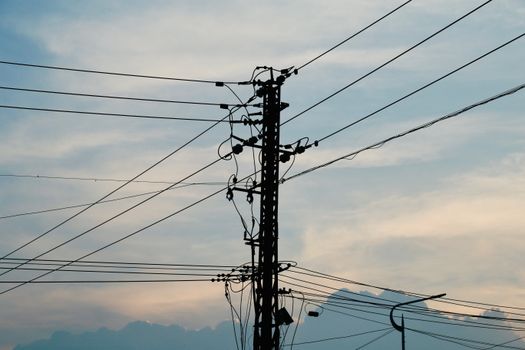
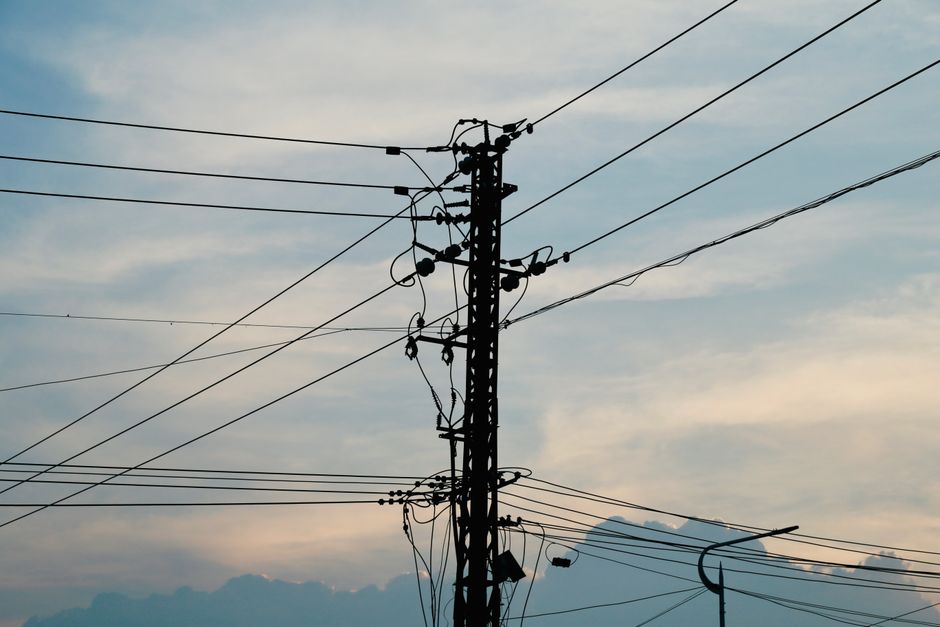
Introduction: The Invisible Backbone of Modern Power Grids
Every time you flip a switch, power must travel from a generation source to your home or business. The route it takes—whether through the air on towering steel structures or buried beneath the ground—shapes the reliability, cost, and visual impact of the entire electrical grid. For utility planners, engineers, and developers, the choice between underground vs overhead power transmission is one of the most consequential decisions in infrastructure planning. This article compares both options across cost, reliability, environmental impact, and more, and offers a clear recommendation based on real-world use cases.
What Is Overhead Power Transmission?
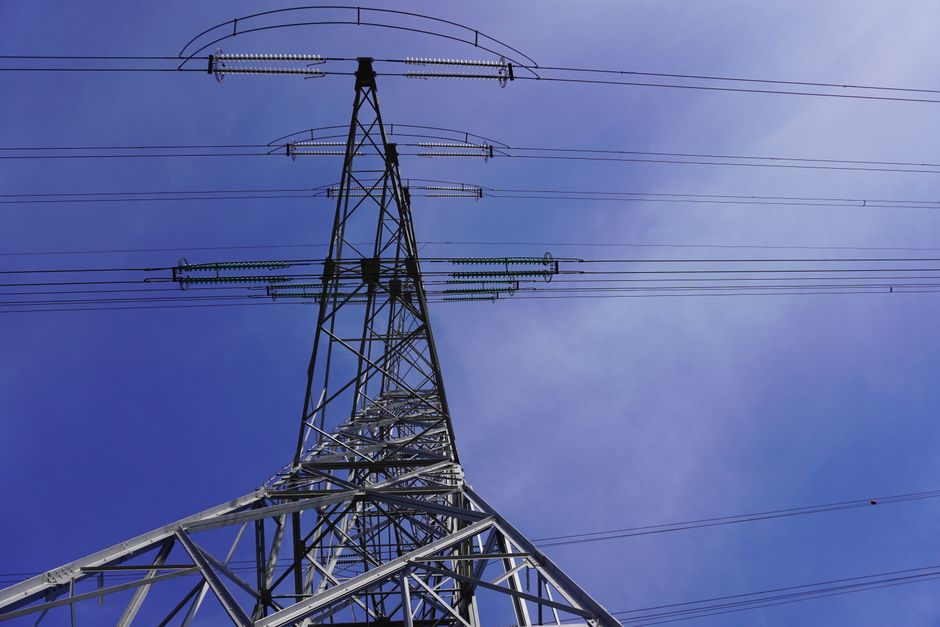
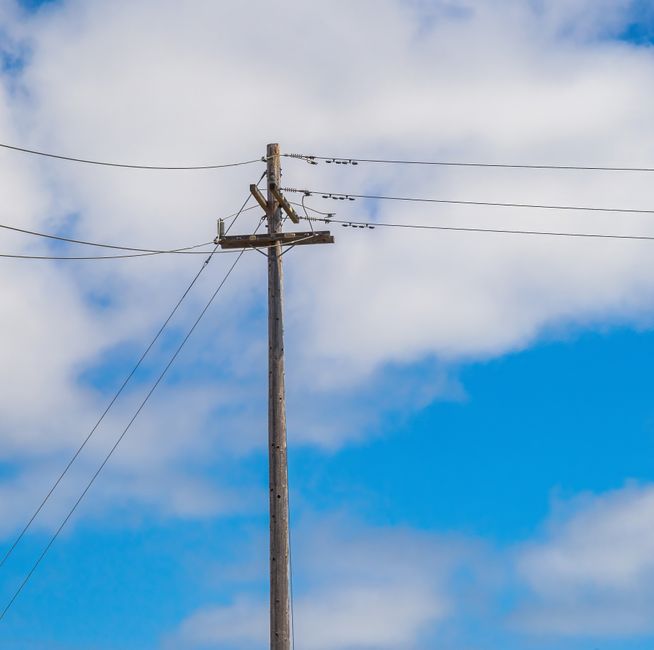
Overhead transmission lines suspend conductors from high-voltage towers or poles using insulators. This is the dominant method worldwide, accounting for the vast majority of transmission miles. The conductors are typically aluminum-conductor steel-reinforced (ACSR) cables, and the supporting structures range from wooden poles for lower voltages to lattice steel towers for 765 kV and beyond.
Key Characteristics
- Voltage range: 69 kV to 765 kV and above
- Installation: Relatively fast, with visible towers every few hundred meters
- Maintenance: Accessible for inspection and repair, often using helicopters or drones
- Right-of-way: Requires wide corridors of cleared land
What Is Underground Power Transmission?
Underground transmission places conductors inside insulated cables—typically cross-linked polyethylene (XLPE) or oil-filled designs—buried in trenches, ducts, or tunnels. This approach is common in dense urban areas, environmentally sensitive locations, and crossings such as harbors or airports.
Key Characteristics
- Voltage range: Up to 525 kV AC and 320 kV+ for HVDC systems
- Installation: Slower and more complex, requiring trenching or directional drilling
- Maintenance: Difficult to access; faults require excavation and specialized repair
- Right-of-way: Minimal surface footprint, freeing land for other uses
Head-to-Head Comparison
The table below summarizes the most important differences between the two transmission methods.
| Factor | Overhead Transmission | Underground Transmission |
|---|---|---|
| Capital cost | $1–2 million per mile | $5–20+ million per mile |
| Installation time | 12–24 months | 24–60 months |
| Visual impact | High (towers and lines visible) | Very low (buried) |
| Land use | Wide right-of-way required | Minimal surface footprint |
| Reliability (weather) | Vulnerable to storms, ice, wind | Immune to most weather |
| Repair time | Hours to days | Days to weeks |
| Line losses | Lower for long distances | Higher due to capacitance |
| Lifespan | 50–70 years | 40–50 years |
| Environmental impact | Habitat fragmentation, bird collisions | Soil disturbance during construction |
| Best use case | Long-distance, rural, high-voltage | Urban, sensitive, short-distance |
Cost Analysis: Why the Price Gap Matters
The most striking difference is cost. Overhead lines are roughly 5 to 10 times cheaper per mile than underground cables. For a 50-mile rural transmission project, overhead might cost $75 million, while underground could exceed $500 million. However, cost is not the only factor—land acquisition, permitting delays, and public opposition can erode the overhead advantage in populated areas.
Hidden Costs of Overhead
- Wide rights-of-way may require purchasing or condemning land
- Storm damage repairs can cost millions annually in hurricane-prone regions
- Visual and environmental objections can trigger years of litigation
Hidden Costs of Underground
- Specialized cable and joint bays are expensive and have limited suppliers
- Fault location and repair require excavation, disrupting traffic and businesses
- Thermal constraints may require derating or forced cooling in dense soils
Reliability and Resilience
Overhead lines are exposed to wind, ice, lightning, and falling trees. In the United States, severe weather causes the majority of outages. Underground lines avoid these threats but face their own risks: dig-ins by construction crews, water intrusion, and insulation degradation. When an underground fault occurs, locating and repairing it can take weeks, whereas an overhead fault is often fixed in hours.
For critical loads—hospitals, data centers, military bases—many utilities prefer a hybrid approach: underground where feasible, with overhead redundancy.
Environmental and Social Considerations
Overhead transmission clears wide corridors, fragmenting forests and affecting migratory birds. Underground lines avoid these impacts but disturb soil during installation and can affect root systems and groundwater. Socially, underground lines are often favored near homes and scenic areas, while overhead lines are accepted in remote regions where land is abundant.
When to Choose Each Option
Choose Overhead When:
- Transmitting bulk power over long distances (100+ miles)
- Crossing rural or mountainous terrain with low land cost
- Budget is tight and timeline is short
- High-voltage levels (345 kV+) are required
Choose Underground When:
- Routing through dense urban areas or under waterways
- Crossing environmentally protected or culturally sensitive land
- Public opposition to overhead towers is strong
- Storm resilience is a top priority
Recommendation
There is no universal winner in the underground vs overhead power transmission debate. The right choice depends on context. For long-distance, high-voltage bulk transmission across open terrain, overhead lines remain the clear recommendation due to their lower cost, easier maintenance, and proven performance. For short-distance connections in urban, coastal, or environmentally sensitive areas, underground transmission is the better investment despite higher upfront costs, because it avoids land-use conflicts and weather-related outages.
We recommend a hybrid strategy: use overhead for the backbone of the grid and underground for critical urban segments and crossings. This balances cost, reliability, and community acceptance while future-proofing the network for extreme weather and rising power demand.
Conclusion
Both transmission methods have distinct strengths and trade-offs. Understanding the cost, reliability, and environmental implications of each empowers utilities and policymakers to make smarter infrastructure decisions. As grids modernize and climate resilience becomes paramount, the optimal mix of underground and overhead transmission will vary by region—but careful comparison, like the one above, ensures every mile of line delivers maximum value.