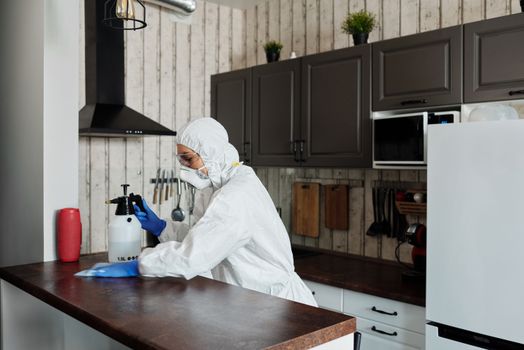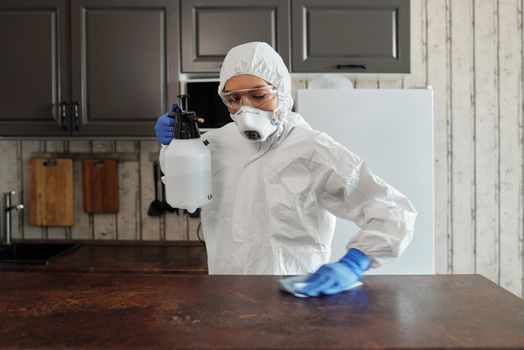
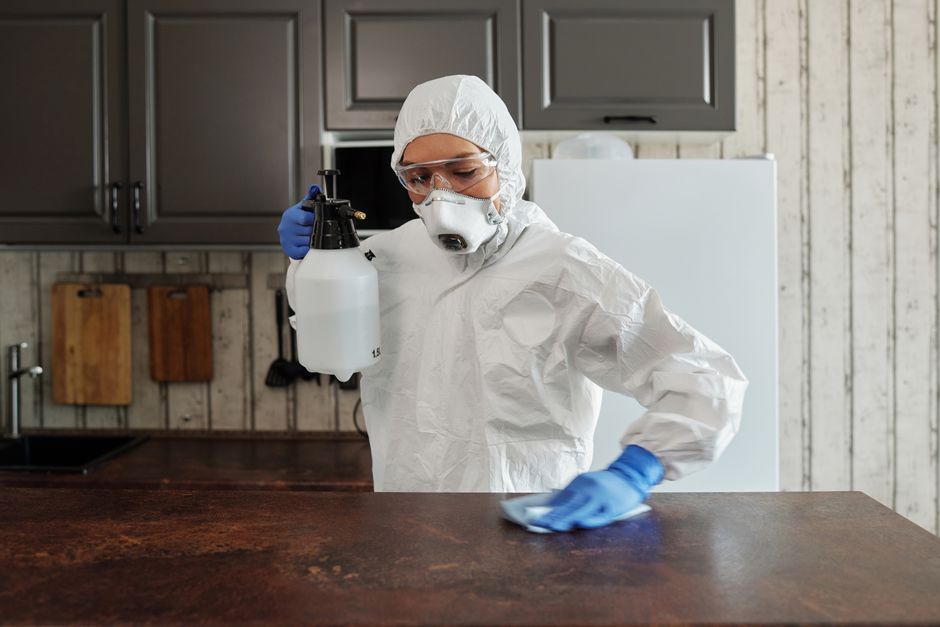
Introduction: The Disinfectant Market at a Crossroads
The global disinfectant industry is entering a new phase. After the unprecedented demand surge triggered by the COVID-19 pandemic, the market has shifted from emergency-driven purchasing to a more mature, innovation-led landscape. As we look ahead to 2024–2025, several forces are reshaping the industry: stricter regulations, growing consumer awareness of hygiene, sustainability pressures, and rapid advances in formulation chemistry. This guide explores the key trends, market forecasts, and practical implications for manufacturers, distributors, and end users.
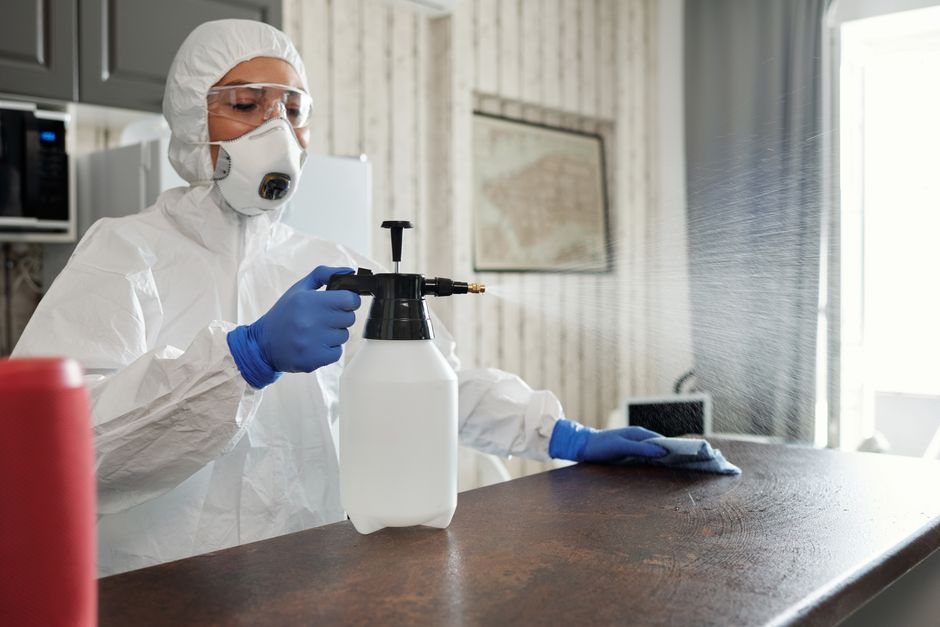
Market Overview and Forecast for 2024–2025
According to multiple industry analyses, the global disinfectant market was valued at approximately USD 35–40 billion in 2023 and is projected to grow at a compound annual growth rate (CAGR) of 6–8% through 2025. While growth has normalized compared to the pandemic peak, it remains robust due to structural changes in hygiene behavior.
| Segment | 2023 Value (USD Billion) | 2025 Forecast (USD Billion) | CAGR (2023–2025) |
|---|---|---|---|
| Healthcare & Hospitals | 12.5 | 15.2 | 10.3% |
| Food & Beverage Processing | 6.8 | 8.1 | 9.1% |
| Household & Consumer | 10.2 | 11.0 | 3.8% |
| Industrial & Institutional | 5.5 | 6.4 | 7.9% |
| Others (Agriculture, etc.) | 3.0 | 3.8 | 12.5% |
Regionally, North America and Europe remain the largest markets, but Asia-Pacific is the fastest-growing region, driven by urbanization, rising healthcare expenditure, and increasing awareness in countries like China, India, and Southeast Asia.
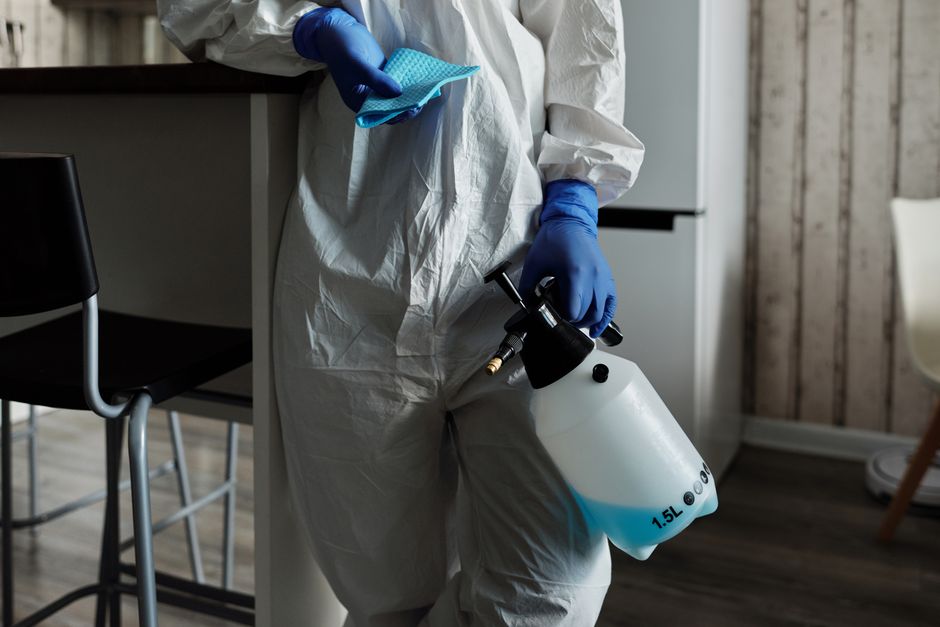
Key Trend 1: Regulatory Tightening and Ingredient Scrutiny
Regulators worldwide are intensifying scrutiny of disinfectant ingredients. In the United States, the EPA is re-evaluating many active ingredients under the Federal Insecticide, Fungicide, and Rodenticide Act (FIFRA). In the European Union, the Biocidal Products Regulation (BPR) continues to phase out substances of concern, such as certain quaternary ammonium compounds (quats) and sodium hypochlorite at high concentrations.
Practical Implications
- Reformulation is essential: Manufacturers must invest in alternative actives like hydrogen peroxide, peracetic acid, and plant-based antimicrobials.
- Documentation and compliance: Expect stricter labeling, safety data sheets, and efficacy testing requirements.
- Opportunity for green chemistry: Companies that proactively adopt safer chemistries can gain a competitive edge.
Key Trend 2: The Rise of Sustainable and Eco-Friendly Disinfectants
Consumer and institutional buyers are increasingly demanding disinfectants that are effective yet environmentally responsible. This has led to a surge in demand for:
- Biodegradable formulations that break down without harming aquatic life.
- Concentrates and refill systems to reduce plastic waste and carbon footprint from shipping.
- Plant-derived actives such as citric acid, lactic acid, and essential oils (e.g., thymol, eucalyptus).
- Electrolyzed water (hypochlorous acid) generated on-site, which is highly effective and leaves no toxic residue.
By 2025, it is estimated that sustainable disinfectants will account for over 25% of the consumer market in North America and Europe.
Key Trend 3: Advanced Technologies and Smart Disinfection
Technology is transforming how disinfectants are applied and monitored. Key innovations include:
UV-C and LED Disinfection
UV-C light systems are increasingly used in healthcare, hospitality, and public transport. They offer chemical-free disinfection and can be integrated with robots for autonomous cleaning.
Electrostatic Sprayers
These devices apply disinfectants with a positive charge, ensuring even coverage and reducing chemical usage by up to 50%. They are becoming standard in schools, offices, and airports.
Internet of Things (IoT) and Data Analytics
Smart dispensers and sensors track usage, monitor compliance, and predict when surfaces need re-treatment. This data-driven approach improves efficacy and reduces waste.
Key Trend 4: Changing Consumer Behavior and Hygiene Habits
The pandemic has permanently elevated hygiene awareness. Consumers now expect disinfectants to be readily available in public spaces, and they are more likely to choose products with clear efficacy claims and safety certifications. However, there is also a growing backlash against over-disinfection, with some experts warning about the hygiene hypothesis and the risk of creating resistant microorganisms.
Practical tip for brands: Balance messaging between effective protection and responsible use. Emphasize targeted disinfection rather than blanket sterilization.
Key Trend 5: Supply Chain Resilience and Local Production
The pandemic exposed vulnerabilities in global supply chains for raw materials like ethanol, isopropyl alcohol, and quats. In 2024–2025, companies are diversifying suppliers, building regional production hubs, and stockpiling critical inputs. Nearshoring and local manufacturing are becoming strategic priorities, especially in North America and Europe.
Forecast by Product Type
| Product Type | 2024–2025 Outlook | Key Drivers |
|---|---|---|
| Liquids & Sprays | Steady growth | Consumer convenience, healthcare demand |
| Wipes | Moderate growth | Portability, single-use convenience |
| Concentrates | High growth | Sustainability, cost savings |
| Gels & Foams | Emerging | Hand hygiene, surface retention |
| Foggers & Aerosols | Niche growth | Large-area disinfection |
Challenges Ahead
- Price volatility: Raw material costs remain unpredictable, impacting margins.
- Regulatory fragmentation: Differing rules across countries complicate global marketing.
- Misinformation: Consumers may be confused by conflicting claims about efficacy and safety.
- Resistance concerns: Overuse of certain actives could lead to reduced susceptibility in target pathogens.
Opportunities for Growth
- Developing markets: Expanding access to affordable disinfectants in Asia, Africa, and Latin America.
- Value-added services: Offering training, auditing, and disinfection protocols to institutional clients.
- Partnerships: Collaborating with tech firms for smart disinfection solutions.
- Transparent labeling: Building trust through clear ingredient lists and third-party certifications.
Practical Tips for Industry Stakeholders
For Manufacturers
- Invest in R&D for green chemistries and stable formulations.
- Obtain multiple regulatory approvals to access global markets.
- Develop concentrate and refill options to appeal to eco-conscious buyers.
For Distributors and Retailers
- Educate staff on product efficacy and safe use.
- Stock a diverse range of products to meet varying customer needs.
- Highlight sustainability credentials in marketing.
For End Users (Facility Managers, Healthcare, Food Service)
- Follow a risk-based approach: disinfect high-touch surfaces more frequently.
- Train staff on correct dwell time and dilution ratios.
- Consider integrating UV-C or electrostatic systems for large areas.
Conclusion: Navigating the Next Two Years
The disinfectant industry in 2024–2025 will be defined by a balance between efficacy, safety, and sustainability. While growth will be slower than the pandemic spike, it will be more stable and innovation-driven. Companies that adapt to regulatory changes, embrace green chemistry, and leverage smart technologies will be best positioned to thrive. For buyers, the market will offer more choices than ever—but also a need for careful evaluation of claims and certifications. By staying informed and agile, all stakeholders can contribute to a cleaner, safer, and more sustainable future.