What Is a Safety Data Sheet (SDS) for Disinfectants?
A Safety Data Sheet (SDS) is a standardized document that provides detailed information about the hazards, handling, storage, and emergency procedures for a chemical product such as a disinfectant. In the United States, the format is governed by OSHA's Hazard Communication Standard (29 CFR 1910.1200), which aligns with the Globally Harmonized System (GHS). Every professional disinfectant sold for workplace use should come with an SDS, and employers are legally required to keep these sheets accessible to workers.
Think of the SDS as the instruction manual for safe use. It tells you what protective equipment to wear, how to clean up a spill, what to do if someone is exposed, and how to dispose of the product. Unlike a marketing label, the SDS is a technical, legally binding document that must be accurate and up to date.
Why Are SDS Documents Important for Disinfectant Users?
Disinfectants are designed to kill microorganisms, but that same potency can pose risks to people who handle them incorrectly. SDS documents bridge the gap between effectiveness and safety by giving workers, safety officers, and emergency responders the facts they need. They also help organizations comply with regulations from OSHA, EPA, and other agencies.
Beyond compliance, SDS sheets reduce liability and prevent accidents. When a spill or exposure happens, seconds matter. Having the right SDS on hand means responders can immediately identify the chemical, its hazards, and the correct first-aid measures. In many industries, including healthcare, food service, and education, maintaining current SDS records is not optional.
What Are the 16 Sections of a Disinfectant SDS?
Under GHS, every SDS follows a consistent 16-section structure. This uniformity makes it easy to find information quickly, regardless of the manufacturer. The table below summarizes each section and what it covers for a typical disinfectant.
| Section | Title | Key Content |
|---|---|---|
| 1 | Identification | Product name, manufacturer, emergency phone number |
| 2 | Hazard Identification | GHS pictograms, signal words, hazard statements |
| 3 | Composition/Ingredients | Active ingredients and concentrations |
| 4 | First-Aid Measures | Actions for eye, skin, inhalation, ingestion exposure |
| 5 | Fire-Fighting Measures | Extinguishing media and fire hazards |
| 6 | Accidental Release Measures | Spill cleanup and containment procedures |
| 7 | Handling and Storage | Safe practices and storage conditions |
| 8 | Exposure Controls/PPE | Exposure limits and required protective equipment |
| 9 | Physical and Chemical Properties | pH, flash point, appearance, odor |
| 10 | Stability and Reactivity | Conditions and materials to avoid |
| 11 | Toxicological Information | Health effects and toxicity data |
| 12 | Ecological Information | Environmental impact and persistence |
| 13 | Disposal Considerations | Safe disposal methods |
| 14 | Transport Information | Shipping classifications and UN numbers |
| 15 | Regulatory Information | Applicable laws and regulations |
| 16 | Other Information | Revision date and version history |
Knowing this layout lets you jump straight to the section you need during an emergency or an audit, rather than scanning the entire document.
How Do I Read the Hazard Identification Section?
Section 2 is the most important part for quick risk assessment. It uses GHS pictograms—such as a flame, corrosion symbol, or exclamation mark—along with a signal word like "Danger" or "Warning." Hazard statements (H-codes) describe the specific danger, for example, "H315 Causes skin irritation" or "H318 Causes serious eye damage."
Precautionary statements (P-codes) tell you how to respond. For a disinfectant, you might see "P280 Wear protective gloves" or "P305+P351+P338 IF IN EYES: Rinse cautiously with water for several minutes." These codes are standardized, so once you learn the common ones, you can interpret any disinfectant SDS quickly.
What Personal Protective Equipment (PPE) Does a Disinfectant SDS Recommend?
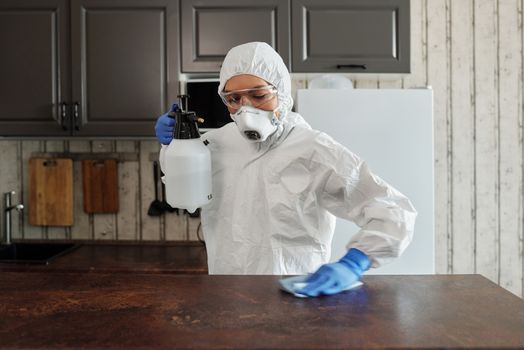
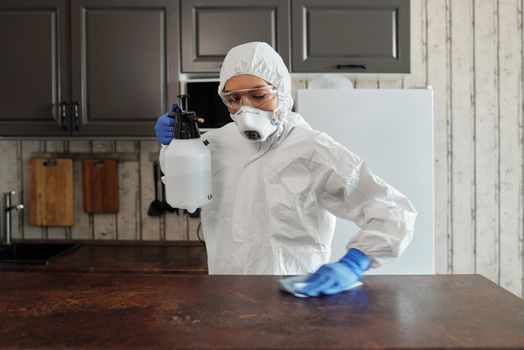
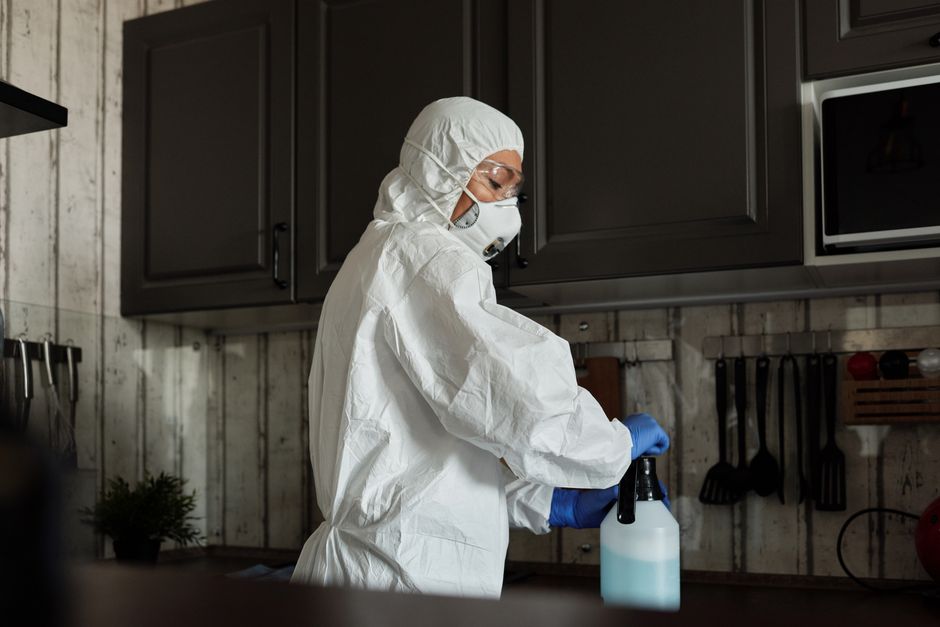
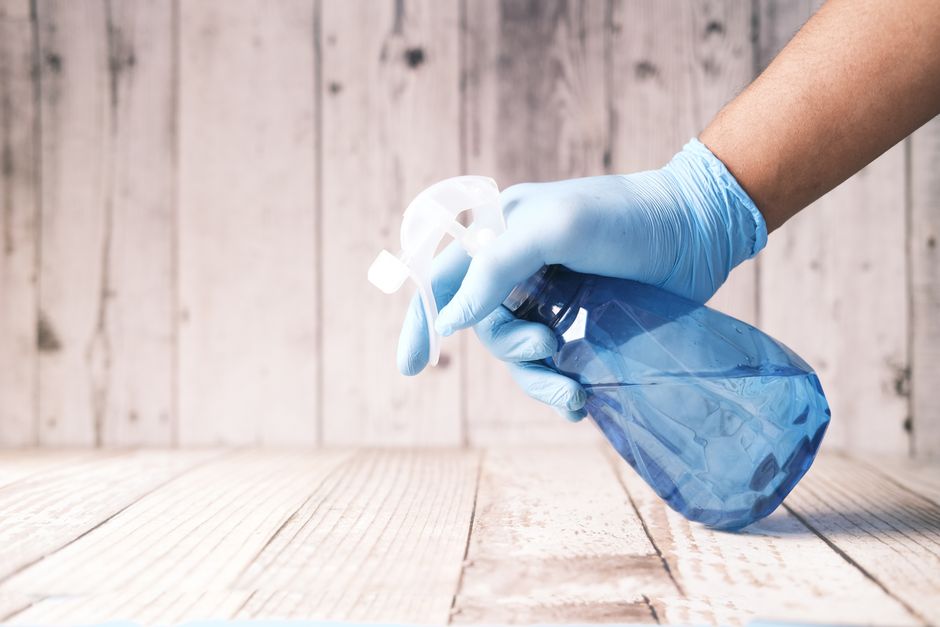
Section 8 of the SDS specifies the PPE required for safe handling. For many concentrated disinfectants, this includes chemical-resistant gloves (such as nitrile or neoprene), safety goggles or a face shield, and sometimes a respirator if the product is a spray or generates vapors. The SDS will also list occupational exposure limits, such as OSHA PELs or ACGIH TLVs, for ingredients like quaternary ammonium compounds or hydrogen peroxide.
It is important to match the PPE to the task. Diluting a concentrate might require gloves and eye protection, while applying a fogger could demand a full respirator. Always follow the SDS recommendations rather than relying on the label alone, because the SDS provides more detailed exposure scenarios.
How Should I Store and Handle Disinfectants Based on the SDS?
Section 7 covers safe handling and storage. Common recommendations include storing in a cool, dry, well-ventilated area away from direct sunlight, heat sources, and incompatible materials. Many disinfectants should not be stored near acids, bases, or oxidizing agents because mixing could release toxic gases or cause a fire.
The SDS also advises against eating, drinking, or smoking in handling areas, and it may require washing hands thoroughly after use. For concentrated products, it often specifies using only original containers and never transferring to unlabeled bottles. Following these instructions protects both workers and the integrity of the product.
What Should I Do in a Spill or Exposure Emergency?
Sections 4 and 6 are your emergency playbook. Section 4 gives first-aid measures for each exposure route: eyes, skin, inhalation, and ingestion. For example, it might instruct you to flush eyes with water for 15 minutes and seek medical attention. Section 6 explains spill cleanup, including containment methods, absorbent materials, and ventilation requirements.
In a real emergency, call the emergency number listed in Section 1 if you are unsure. Keep the SDS with the product or in a central, easily accessible location. Many facilities use digital SDS management systems so that any employee can pull up the sheet on a phone or computer within seconds.
How Often Are Disinfectant SDS Documents Updated?
SDS documents are living documents. Manufacturers must update them whenever new hazard information becomes available, regulations change, or the formulation is revised. The revision date appears in Section 16, and you should check it periodically. OSHA does not set a fixed expiration, but best practice is to review SDS files at least annually and replace outdated sheets immediately.
If you receive a new shipment of disinfectant, compare the SDS revision date with the one on file. If it is newer, replace the old copy and inform workers of any changes. This simple habit keeps your workplace compliant and your team safe.
Where Can I Find the SDS for My Disinfectant?
Manufacturers typically provide SDS documents on their websites, often in a dedicated SDS or technical resources section. You can also request a copy from your distributor or sales representative. For products purchased in bulk, the SDS should be supplied automatically with the first shipment.
If you cannot find the SDS, contact the manufacturer directly using the information in Section 1 of any related document or on the product label. Never assume a product is safe because you lack the SDS—always obtain and review the correct sheet before use.