 English
 简体中文
简体中文 Русский
 Español
 Deutsch
Supply programme
New Plumbing and Electrical Safety Regulations 2026
Discover the new plumbing and electrical safety regulations for 2026. Learn compliance deadlines, key changes, and how to prepare. Stay ahead—read our FAQ guide!
What Are the New Plumbing and Electrical Safety Regulations for 2026?
The 2026 Plumbing and Electrical Safety Regulations represent the most significant overhaul of trade safety standards in over a decade. These new rules introduce stricter requirements for licensing, inspection, materials, and documentation across both residential and commercial projects. The regulations were developed jointly by national safety authorities, trade unions, and industry associations to address emerging risks such as aging infrastructure, renewable energy integration, and water quality concerns.
For plumbing and electrical workers, the changes mean new certification modules, updated on-site procedures, and more detailed record-keeping. Homeowners and property managers will also notice differences in how permits are issued and how compliance is verified. Understanding these updates early is essential to avoid fines, project delays, and liability issues.
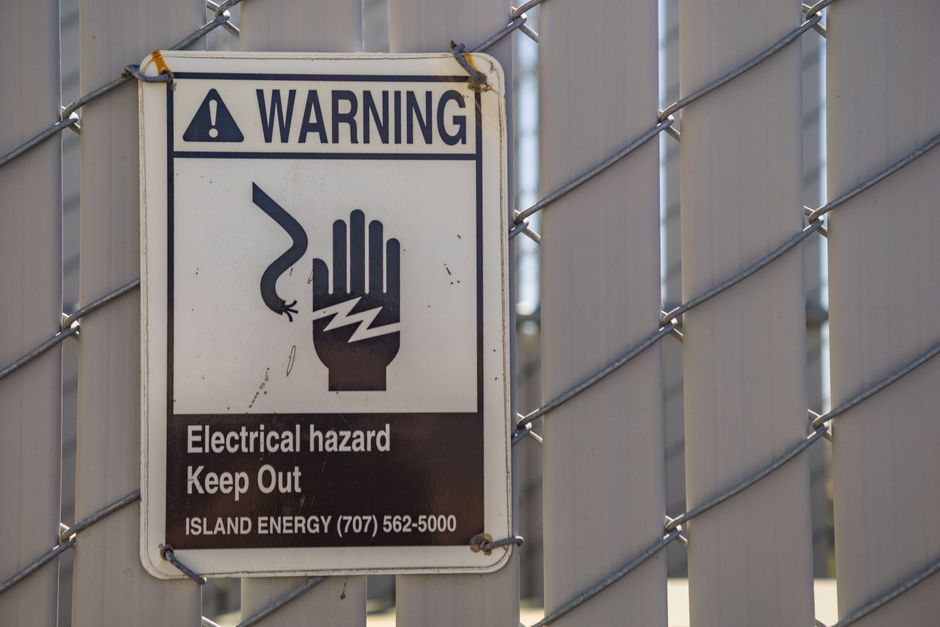
When Do the 2026 Regulations Take Effect?
The regulations officially take effect on January 1, 2026, but enforcement will be phased in over the first two quarters. From January through March, authorities will focus on education and warnings rather than penalties. Full enforcement, including fines for non-compliance, begins on April 1, 2026.
Workers who hold current licenses will have until June 30, 2026, to complete the new continuing education modules. After that date, any plumbing or electrical work performed without the updated certification will be considered non-compliant. We strongly recommend scheduling your training early, as course providers are expected to fill up quickly.
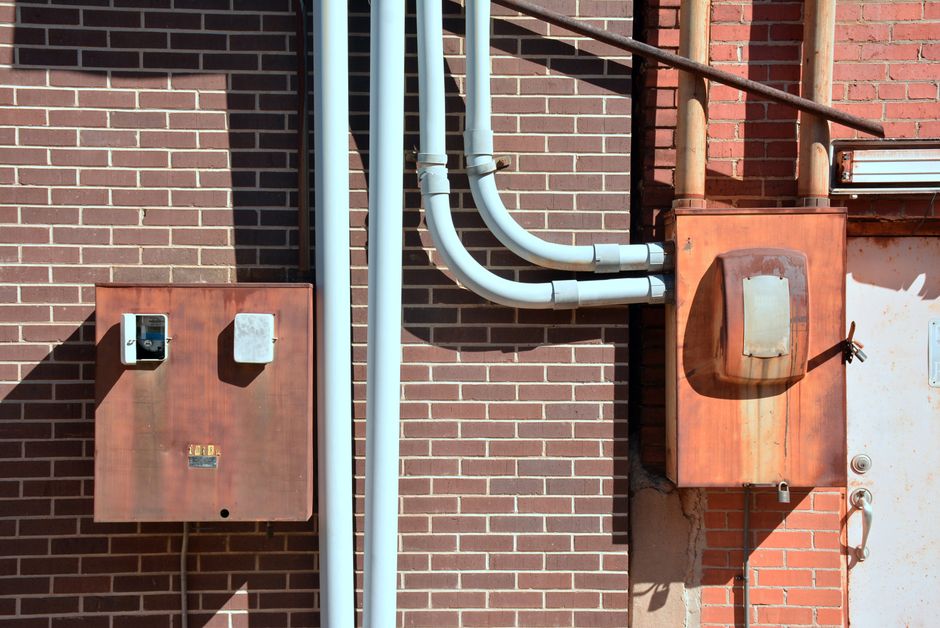
Who Needs to Comply With the New Rules?
Compliance is mandatory for all licensed plumbers, electricians, apprentices, and contractors operating in the jurisdiction. This includes sole traders, small businesses, and large construction firms. Property owners who perform DIY work in regulated areas must also follow the new standards, particularly regarding permits and inspections.
Additionally, suppliers and manufacturers of plumbing and electrical components must ensure their products meet the updated material and performance criteria. Imported goods will be subject to stricter testing and certification before they can be sold for installation. If you work in any part of the supply chain, these regulations affect you.
What Are the Key Changes for Plumbing Workers?
Plumbing professionals will face new requirements in three main areas: water quality testing, pipe material standards, and backflow prevention. All new installations must include documented water quality testing at the point of commissioning. Lead-free materials are now mandatory for all potable water systems, with a maximum lead content of 0.1% across all components.
Backflow prevention devices must be tested annually by a certified specialist, and the results must be submitted digitally to the local authority within 14 days. The regulations also introduce stricter rules for greywater recycling systems, requiring dual-valve isolation and clear labeling to prevent cross-contamination.
- Mandatory lead-free certification for all potable water components
- Digital submission of backflow test results within 14 days
- New labeling requirements for greywater and recycled water systems
- Annual water quality testing for commercial buildings
What Are the Key Changes for Electrical Workers?
Electrical workers will see major updates around arc fault protection, renewable energy integration, and EV charging infrastructure. Arc fault detection devices (AFDDs) are now required in all new residential circuits, not just bedrooms. This change aims to reduce electrical fires, which have been linked to faulty wiring in older homes.
Solar panel and battery storage installations must now include rapid shutdown systems that meet the new response-time standard of under 30 seconds. EV charger installations require dedicated circuit protection and load management documentation. Electricians must also complete a new module on DC systems and energy storage safety before they can certify these installations.
| Area | Old Standard | 2026 Requirement |
|---|---|---|
| Arc fault protection | Bedrooms only | All residential circuits |
| Rapid shutdown | 60 seconds | 30 seconds |
| EV charger documentation | Optional | Mandatory load management plan |
| DC system certification | Not required | New mandatory module |
How Will Inspections and Documentation Change?
One of the biggest shifts in 2026 is the move to digital compliance. All permits, inspection reports, and test results must be submitted through the national online portal. Paper submissions will no longer be accepted after the phase-in period. This change is designed to improve traceability and reduce fraud.
Inspectors will also have the authority to request photographic evidence of work at key stages, such as before walls are closed up. Contractors should build this into their project timelines to avoid delays. Failure to provide documentation within the required timeframe can result in stop-work orders and financial penalties.
What Penalties Apply for Non-Compliance?
Penalties for non-compliance are significantly higher under the 2026 regulations. First-time minor violations may result in a warning and a requirement to complete remedial training. However, repeat offenses or serious safety breaches can lead to fines ranging from $5,000 to $50,000, depending on the severity and whether anyone was put at risk.
In extreme cases, licenses can be suspended or revoked. Businesses may also be barred from bidding on public contracts for up to three years. Insurance providers are expected to deny claims related to work that does not meet the new standards, which makes compliance a financial necessity as well as a legal one.
How Can Workers Prepare for the 2026 Changes?
Preparation should start now. The first step is to review the official regulation documents and identify which changes affect your specific scope of work. Next, enroll in the required training modules and update your certification records. Employers should budget for training time and costs, as well as any new tools or testing equipment.
We also recommend conducting an internal audit of your current practices. Check your material suppliers for lead-free certification, review your documentation workflows, and test your digital submission access. By taking these steps early, you can turn compliance into a competitive advantage rather than a last-minute scramble.
- Review the official regulation text and identify relevant changes
- Enroll in updated certification and continuing education courses
- Audit your supply chain for compliant materials
- Set up digital portal accounts for permits and reports
- Train your team on new inspection and documentation procedures
Where Can You Find More Information and Support?
Official guidance is available through the national safety authority website, which hosts downloadable checklists, FAQ documents, and a portal for booking training. Industry associations are also running webinars and regional workshops throughout 2025 to help workers prepare. Your local licensing board can clarify specific questions about certification timelines.
If you need personalized advice, consider consulting a compliance specialist or your trade association's legal helpline. Staying informed and proactive is the best way to ensure your business is ready for January 1, 2026. The new regulations are here to stay, and early adopters will be best positioned to thrive.
In scope
Browse all Products frequently supplied with this programme
Keep reading
Other supply programmes
Plumbing and Electrical Worker Wage Increase News 2025
Latest plumbing and electrical worker wage increase news for 2025. See pay figures, regional trends, and tips to maximize your trade earnings today.
View solutionPlumbing and Electrical Worker Union Updates 2026
Discover 2026 plumbing and electrical worker union updates: wages, apprenticeships, benefits, safety rules, and licensing. Stay ahead in your trade today!
View solutionTop Plumbing and Electrical Companies to Work For
Discover the top plumbing and electrical companies to work for, from employee-owned firms to union contractors. Find your next trades career today!
View solutionPlumbing and Electrical Hiring Updates 2026
Discover the top plumbing and electrical company hiring updates for 2026, from signing bonuses to apprenticeships. Stay ahead in the skilled trades job market!
View solutionStart a programme like this
Send the market you sell into, the products you handle and the packing and documentation you need.