 English
 简体中文
简体中文 Русский
 Español
 Deutsch
Supply programme
Plumbing and Electrical Worker Job Outlook 2026
Explore the 2026 plumbing and electrical worker job outlook: growth drivers, top-paying specializations, salary trends, and practical steps to start or advance your trade career.
Introduction: Why 2026 Is a Pivotal Year for Skilled Trades
The plumbing and electrical trades sit at the center of some of the biggest economic and technological shifts of the decade. Between aging infrastructure, the electrification of buildings and vehicles, water scarcity concerns, and a wave of retirements among experienced workers, the demand for qualified plumbers and electricians is climbing fast. If you are considering entering the field, changing careers, or planning your next certification, understanding the plumbing and electrical worker job outlook for 2026 will help you make smarter decisions about training, specialization, and salary negotiations.
This guide breaks down the numbers behind the projections, the forces shaping demand, the skills that will command a premium, and the practical steps you can take to position yourself for long-term success in these essential trades.
The Big Picture: Employment Projections Through 2026 and Beyond
The U.S. Bureau of Labor Statistics (BLS) has consistently projected solid growth for both occupations. While exact figures are updated periodically, the trends are clear and durable:
- Plumbers, pipefitters, and steamfitters: expected to grow at a rate faster than the average for all occupations, driven largely by new construction, infrastructure replacement, and stricter water efficiency regulations.
- Electricians: also projected to grow faster than average, powered by renewable energy projects, grid modernization, electric vehicle (EV) charging infrastructure, and data center expansion.
What makes 2026 notable is the convergence of several forces: a record number of baby boomer retirements, ambitious public infrastructure spending, and a rapid buildout of clean energy systems. Together, these create a market where skilled tradespeople are not just needed — they are scarce.
Retirements Are Reshaping the Labor Pool
A large share of licensed plumbers and electricians are over 45, and many are approaching retirement age. Every experienced worker who leaves the field takes decades of diagnostic knowledge with them. For new entrants, this is a golden opportunity: fewer competitors, faster advancement, and stronger bargaining power on wages and benefits.
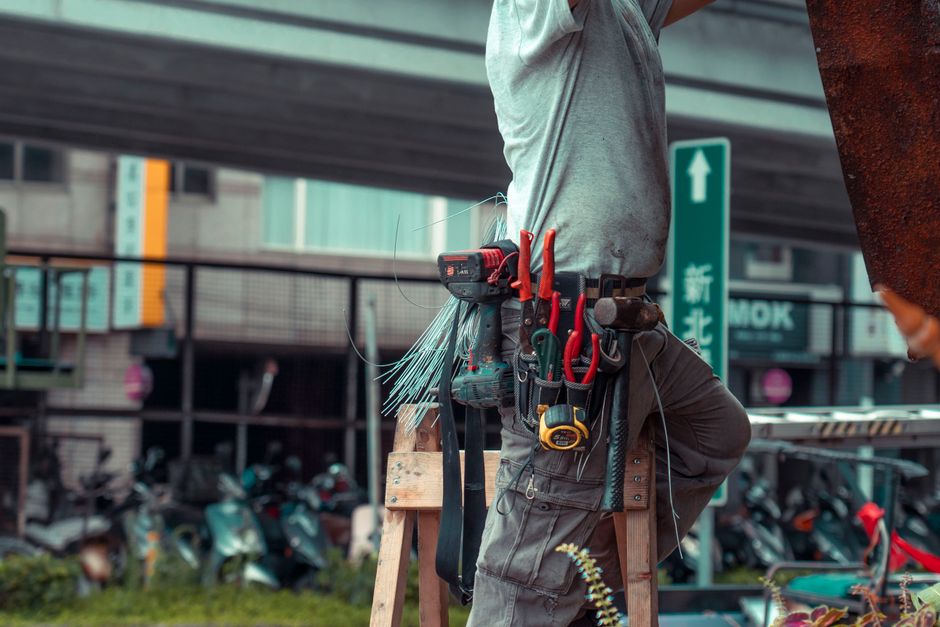
Key Drivers of Demand in 2026
1. Infrastructure Investment and Aging Systems
Much of the water and electrical infrastructure in North America and Europe was built in the mid-20th century. Pipes are corroding, lead service lines are being replaced, and electrical grids need upgrading to handle higher loads. Government infrastructure packages have funneled billions into these projects, creating multi-year pipelines of work for qualified tradespeople.
2. Electrification of Everything
Heat pumps, induction stoves, electric vehicles, and solar-plus-battery systems all require skilled electrical work. Homes built for gas appliances and modest electrical loads often need panel upgrades, new circuits, and dedicated EV chargers. This transition is one of the strongest tailwinds for electricians in 2026.
3. Water Efficiency and Climate Resilience
Drought-prone regions are mandating low-flow fixtures, greywater systems, and leak detection technology. Plumbers who understand water-efficient design and smart monitoring systems will find themselves in high demand, particularly in the western United States and other water-stressed markets.
4. Data Centers and Commercial Construction
The explosion of cloud computing and AI has triggered a building boom for data centers, which require massive electrical capacity and sophisticated cooling and plumbing systems. These projects pay premium wages and often come with per diem and overtime opportunities.
Which Specializations Will Pay the Most in 2026?
Not all plumbing and electrical jobs are created equal. Specialization is the fastest route to higher earnings. The table below outlines some of the most promising niches.
| Specialization | Why It Pays | Typical Premium |
|---|---|---|
| Industrial electrician | Complex controls, PLCs, and high-voltage systems | High |
| Solar and battery storage installer | Fast-growing renewable sector, certifications in demand | Medium-High |
| Commercial plumbing and pipefitting | Large projects, union scale, overtime | High |
| Medical gas plumber | Specialized certification for hospitals and labs | High |
| EV charger installation | Rapid adoption, fewer qualified installers | Medium-High |
| Backflow prevention and leak detection | Compliance-driven, recurring service work | Medium |
Union membership also matters. In many metropolitan areas, union plumbers and electricians earn substantially more than non-union counterparts, with better health coverage and pension benefits. Apprenticeships through unions or trade associations remain one of the best ways to enter the field without taking on student debt.
How to Prepare: Practical Steps for Aspiring and Working Tradespeople
Step 1: Choose the Right Entry Path
- Apprenticeships: Typically 4–5 years, combining paid on-the-job training with classroom instruction. Often the best value because you earn while you learn.
- Trade school: Faster but usually more expensive. Good for career changers who want to accelerate entry.
- Helper positions: Entry-level roles that can lead to apprenticeship sponsorship if you demonstrate reliability and initiative.
Step 2: Get Licensed and Certified
Licensing requirements vary by state and province, but most jurisdictions require a journeyman license before you can work independently, and a master license to pull permits or run your own business. Add specialty certifications — such as EPA Section 608 for refrigeration, NABCEP for solar, or ASSE 5000 series for medical gas — to stand out.
Step 3: Build Technology Skills
Modern plumbing and electrical work increasingly involves smart diagnostics, thermal imaging, and building automation. Comfort with tablets, apps, and digital service platforms is now a baseline expectation, not a bonus.
Step 4: Prioritize Safety and Soft Skills
OSHA compliance, lockout/tagout procedures, and safe electrical practices protect your life and your employer's liability. Equally important are communication and customer service skills — homeowners and facility managers reward technicians who explain problems clearly and show up on time.
Salary and Wage Trends to Watch
Wages for plumbers and electricians have risen steadily, and 2026 should continue that pattern. Several factors are pushing pay upward:
- Labor shortages: When qualified workers are scarce, employers raise pay to attract and retain them.
- Inflation adjustments: Unions and large contractors typically negotiate cost-of-living increases into multi-year agreements.
- Overtime and emergency rates: After-hours and emergency service calls often pay 1.5x to 2x standard rates.
- Geographic premiums: High-cost metro areas and remote industrial sites pay significantly more than rural markets.
Self-employed tradespeople can earn even more by building a service business, but they must also manage licensing, insurance, marketing, and cash flow. Many successful plumbers and electricians eventually transition into business ownership or specialize in high-margin niches like commercial service contracts.
Risks and Challenges to Keep in Mind
No outlook is entirely rosy. Economic downturns can slow new construction, and some routine tasks — like basic drain cleaning or simple outlet replacement — face competition from DIY homeowners and emerging automation tools. To stay resilient:
- Diversify between new construction, service, and maintenance work.
- Develop diagnostic and problem-solving skills that are hard to automate.
- Keep learning: code updates, new technologies, and energy standards change regularly.
- Maintain a strong safety record and clean licensing history.
Conclusion: A Trade Worth Betting On
The plumbing and electrical worker job outlook for 2026 is genuinely strong. Retirements, infrastructure spending, electrification, and water efficiency mandates are all pushing demand higher, while supply of qualified workers remains constrained. For anyone willing to complete an apprenticeship, earn a license, and commit to ongoing learning, these trades offer stable employment, rising wages, and genuine entrepreneurial potential. Whether you are just starting out or looking to specialize, 2026 is an excellent year to invest in a career that keeps the modern world running.
In scope
Browse all Products frequently supplied with this programme
Keep reading
Other supply programmes
Plumbing and Electrical Company Merger News
Stay updated on plumbing and electrical company mergers. Learn about benefits, challenges, and how to choose a merged provider. Read our in-depth guide now!
View solutionBest Plumbing and Electrical Training Courses News
Discover the best plumbing and electrical training courses news, from funded apprenticeships to VR simulators. Find the right program for your trade career today.
View solutionTop Plumbing and Electrical Companies to Work For
Discover the top plumbing and electrical companies to work for, from employee-owned firms to union contractors. Find your next trades career today!
View solutionPlumbing and Electrical Worker Union Updates 2026
Discover 2026 plumbing and electrical worker union updates: wages, apprenticeships, benefits, safety rules, and licensing. Stay ahead in your trade today!
View solutionStart a programme like this
Send the market you sell into, the products you handle and the packing and documentation you need.