Understanding the Mental Health Crisis in the Trades
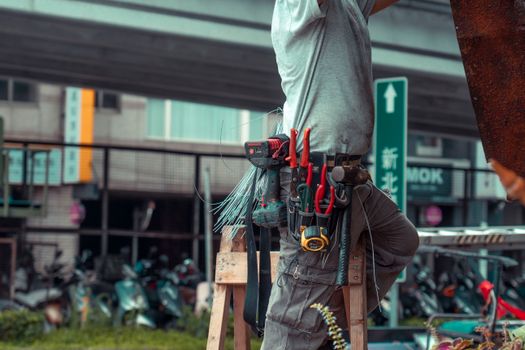
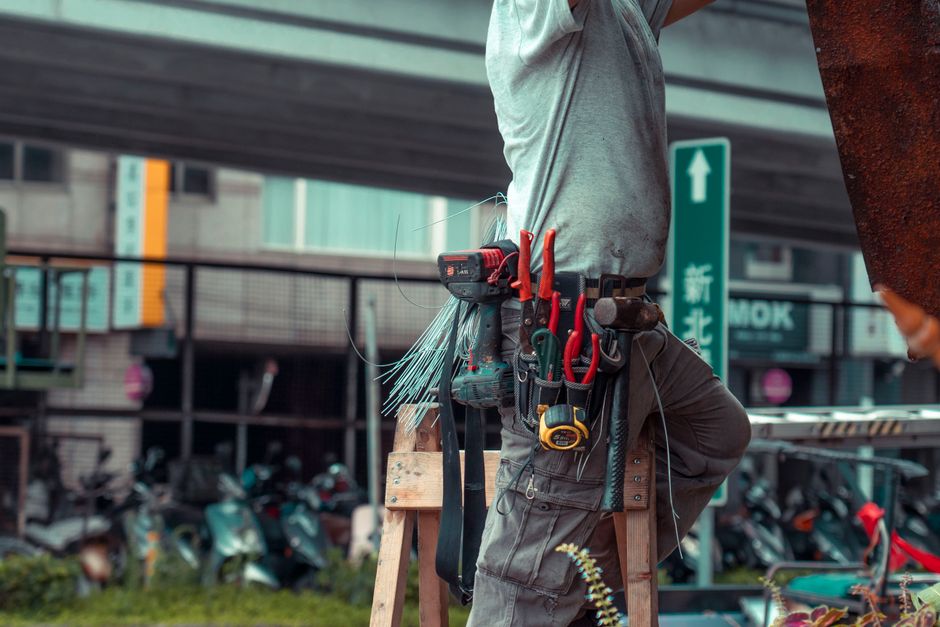
Plumbing and electrical work are essential to modern life, yet the men and women who keep our water flowing and our lights on often face a silent battle: mental health challenges. Recent industry reports reveal that construction trades, including plumbing and electrical, have some of the highest rates of suicide and substance abuse compared to other professions. This article explores the latest news, root causes, and practical solutions to support the mental well-being of plumbing and electrical workers.
Why Mental Health in the Trades Is Finally Making Headlines
For decades, mental health was a taboo topic on job sites. Workers were expected to "tough it out." But a growing body of research and advocacy is changing that narrative. In 2023, the CDC reported that construction occupations have a suicide rate nearly four times higher than the general population. This shocking statistic has spurred industry leaders, unions, and companies to take action.
Organizations like the Plumbing-Heating-Cooling Contractors Association (PHCC) and the National Electrical Contractors Association (NECA) have launched mental health initiatives. Meanwhile, new apps and hotlines tailored to tradespeople are emerging. The message is clear: mental health is a safety issue, just like wearing a hard hat or using a lockout/tagout procedure.
Root Causes: What's Driving the Crisis?
Plumbing and electrical workers face unique stressors that can erode mental health over time. Understanding these triggers is the first step toward addressing them.
1. High-Stakes, Physical Work
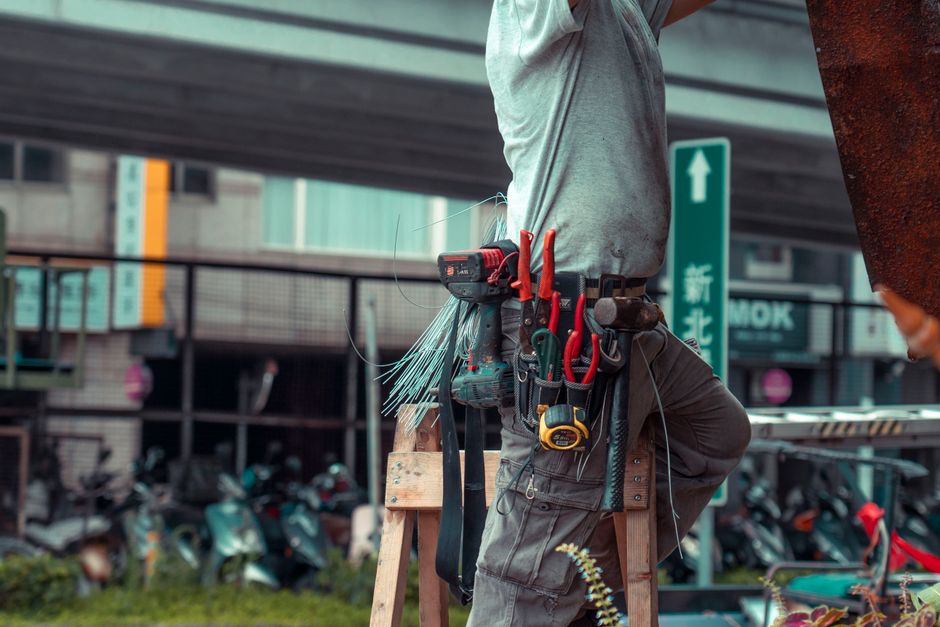
Both trades require precision, physical stamina, and constant vigilance. A mistake can cause flooding, electrical fires, or even fatalities. This chronic pressure leads to anxiety and burnout.
2. Irregular Schedules and Isolation
Many plumbers and electricians work long hours, weekends, and emergency calls. They often travel alone between jobs, reducing social interaction. Isolation is a known risk factor for depression.
3. Financial Insecurity
While skilled trades can pay well, many workers are independent contractors without steady pay or benefits. Economic downturns hit construction hard, creating financial stress that weighs heavily on mental health.
4. Stigma and Masculine Culture
The trades have traditionally been male-dominated, with a culture that discourages emotional expression. Admitting to depression or anxiety can feel like a sign of weakness, preventing workers from seeking help.
5. Access to Lethal Means
Studies show that access to firearms or high places (common on construction sites) increases suicide risk. Combined with substance abuse, this creates a dangerous combination.
Latest News and Initiatives
The good news is that momentum is building. Here are some recent developments:
- Construction Industry Alliance for Suicide Prevention: A coalition of trade associations providing free toolkits and training.
- Union Programs: The United Association (UA) of Plumbers and Pipefitters now offers mental health first aid training to members.
- Tech Solutions: Apps like "Tradesman's Talk" provide anonymous peer support and crisis resources specifically for construction workers.
- Legislative Action: Some states are mandating mental health education as part of apprenticeship programs.
These efforts are beginning to reduce stigma and connect workers with life-saving resources.
Practical Tips for Workers: Protecting Your Mental Health
If you're a plumber or electrician struggling with stress, anxiety, or depression, you're not alone. Here are actionable steps you can take today.
1. Recognize the Warning Signs
Persistent sadness, irritability, sleep disturbances, and loss of interest in hobbies are red flags. Physical symptoms like headaches or digestive issues can also signal mental distress.
2. Build a Support Network
Connect with trusted colleagues, friends, or family. Consider joining a peer support group, either in person or online. The simple act of talking can reduce isolation.
3. Set Boundaries
Learn to say no to excessive overtime. Prioritize rest and hobbies. Your health is more important than any job.
4. Seek Professional Help
Therapy and medication can be life-changing. Many unions and employers offer Employee Assistance Programs (EAPs) with free counseling sessions. If cost is a barrier, community mental health centers offer sliding-scale fees.
5. Limit Substance Use
Alcohol and drugs may provide temporary relief but worsen mental health in the long run. If you're struggling with addiction, seek help from SAMHSA's National Helpline (1-800-662-HELP).
How Employers and Unions Can Help
Creating a mentally healthy workplace requires systemic change. Here's what industry leaders can do:
- Normalize Conversations: Include mental health in safety meetings and toolbox talks.
- Provide Training: Offer Mental Health First Aid courses to supervisors and apprentices.
- Flexible Scheduling: Allow time off for medical appointments, including therapy.
- Anonymous Screenings: Provide free, confidential depression and anxiety screenings.
- Crisis Resources: Post the 988 Suicide & Crisis Lifeline in break rooms and on paystubs.
Investing in mental health not only saves lives but also reduces turnover, absenteeism, and accidents.
Resources and Helplines
If you or someone you know is in crisis, don't hesitate to reach out. Here are key resources:
| Resource |
Contact |
Description |
| 988 Suicide & Crisis Lifeline |
Call or text 988 |
24/7 free, confidential support |
| Crisis Text Line |
Text HOME to 741741 |
Text-based crisis counseling |
| SAMHSA National Helpline |
1-800-662-HELP (4357) |
Substance abuse and mental health referrals |
| Construction Industry Alliance |
www.preventconstructionsuicide.com |
Toolkits and training for employers |
Conclusion: Breaking the Silence
Mental health in the plumbing and electrical trades is no longer a hidden issue. With rising awareness, new resources, and a growing willingness to talk, the industry is turning a corner. Whether you're a solo plumber or part of a large electrical crew, remember: asking for help is a sign of strength, not weakness. By supporting one another, we can build a safer, healthier workforce—one that values both skilled hands and sound minds.
Stay informed, stay connected, and prioritize your well-being. Your life and your livelihood depend on it.
 English
 简体中文
简体中文 Русский
 Español
 Deutsch