English
 简体中文
简体中文 Русский
 Español
 Deutsch
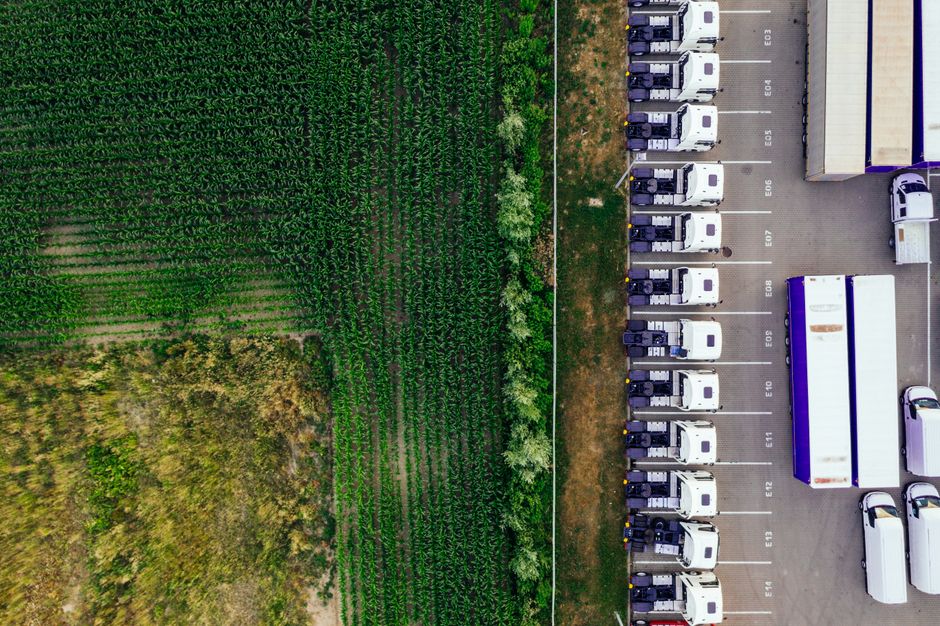
Why Agricultural Input Distribution News Matters Right Now
Agricultural input distribution is the backbone of global food production. Without timely delivery of seeds, fertilizers, crop protection products, and biologicals, farms cannot function at full capacity. In 2024 and 2025, the distribution landscape has shifted dramatically due to supply chain realignments, regulatory changes, climate volatility, and rapid digitalization. For agribusiness professionals, staying current on these updates is not optional—it is a competitive necessity.
This comprehensive guide covers the most important developments in agricultural input distribution, practical strategies for distributors and retailers, and actionable tips to future-proof your operations. Whether you manage a regional co-op, run a last-mile delivery fleet, or oversee procurement for a large farming operation, these insights will help you navigate the changing terrain.
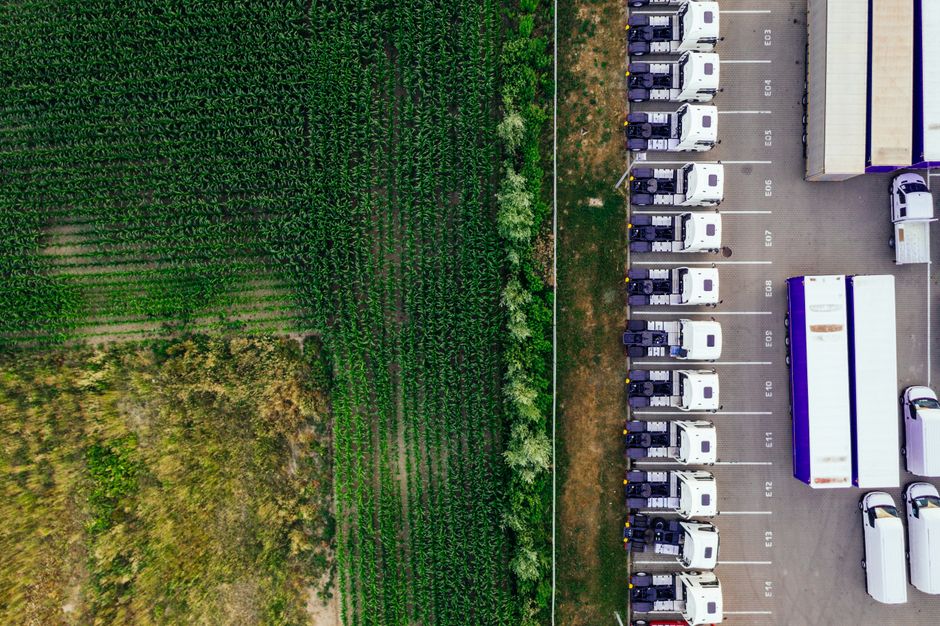
1. Global Supply Chain Rebalancing: What Changed in 2024–2025
The past two years have seen a significant rebalancing of agricultural input supply chains. The COVID-era disruptions exposed vulnerabilities that the industry is still correcting. Key trends include:
- Nearshoring of active ingredient production: Major crop protection manufacturers have expanded production capacity in North America and Europe to reduce dependence on single-region sourcing.
- Strategic inventory buffers: Distributors now hold 15–25% more safety stock than pre-pandemic levels, particularly for high-demand herbicides and nitrogen fertilizers.
- Rail and port diversification: Logistics teams are routing shipments through secondary ports and using intermodal rail more frequently to avoid bottlenecks.
For distributors, the practical takeaway is clear: build flexibility into contracts and maintain relationships with multiple suppliers for critical inputs. A single-source strategy is now widely considered high-risk.
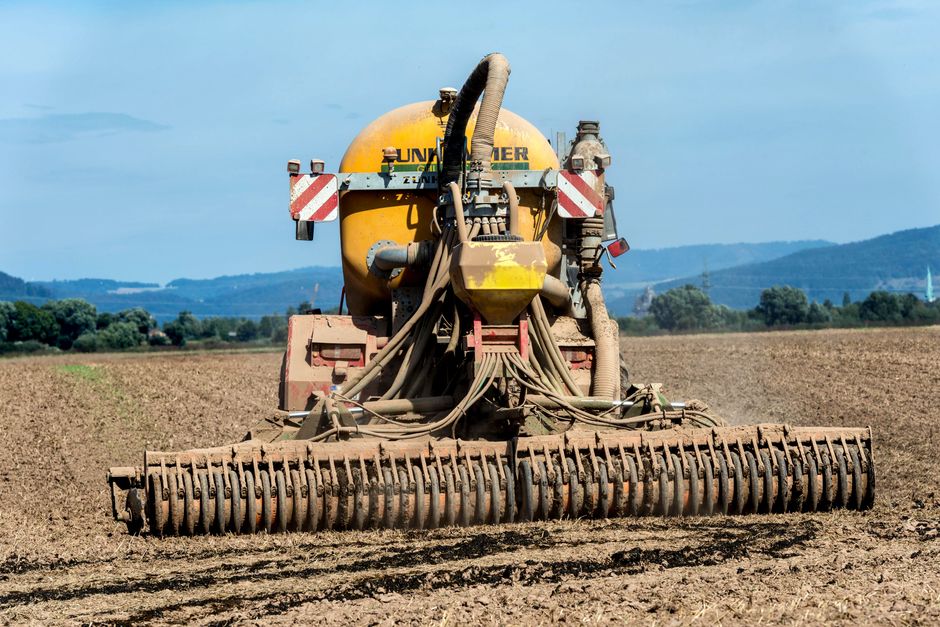
2. Fertilizer Market Dynamics: Prices, Availability, and Regional Shifts
Fertilizer distribution has been one of the most volatile segments. After the price spikes of 2022, markets cooled in 2023 but remain sensitive to energy costs and geopolitical events. As of early 2025, several patterns are emerging:
| Input Type | Price Trend (YoY) | Availability | Key Driver |
|---|---|---|---|
| Urea | Down 8–12% | Stable | Increased global capacity |
| DAP/MAP | Down 5–8% | Moderate | Phosphate export shifts |
| Potash | Flat to up 3% | Tight in some regions | Logistics constraints |
| Liquid NPK | Up 4–6% | Good | Demand for precision ag |
Distributors should monitor natural gas prices in producing regions, as they remain the single largest cost driver for nitrogen fertilizers. Locking in forward contracts during price dips can protect margins and provide farmers with stable pricing.
3. Digital Platforms Reshaping Input Distribution
E-commerce and digital marketplaces for agricultural inputs are no longer a niche. In 2025, a growing share of seed, chemical, and fertilizer transactions occur through online platforms, often with integrated logistics and financing.
Key digital trends
- B2B ag marketplaces: Platforms connecting manufacturers directly with retailers and large farms are reducing intermediary costs.
- Mobile-first ordering: Farmers increasingly order inputs via mobile apps, expecting same-week delivery.
- Dynamic pricing: Real-time pricing engines help distributors adjust to market conditions but require robust data infrastructure.
- Traceability and compliance: Digital batch tracking is becoming mandatory in several jurisdictions for crop protection products.
To stay competitive, traditional distributors should invest in a user-friendly online ordering system and integrate it with inventory management and route optimization software.
4. Regulatory and Compliance Updates
Regulatory changes directly affect what can be distributed, where, and how. Recent developments include:
- EU Farm to Fork targets: Reduced reliance on chemical pesticides is pushing distributors to expand biological and integrated pest management (IPM) product lines.
- US EPA updates: New restrictions on certain neonicotinoids and changes to label requirements for restricted-use products.
- Shipping regulations: Updated dangerous goods rules for transporting ammonium nitrate and other hazardous inputs.
Compliance is not just a legal requirement—it is a trust signal. Distributors who proactively communicate regulatory changes to their farmer customers build loyalty and reduce liability.
5. Last-Mile Logistics: The New Competitive Battleground
Getting inputs to the farm gate on time is the hardest part of distribution. Farms are often remote, orders are seasonal, and weather can disrupt schedules. Leading distributors are adopting:
- Route optimization AI: Reduces fuel costs by 10–15% and improves delivery windows.
- Cross-docking hubs: Regional hubs allow faster turnaround for urgent orders.
- Seasonal surge planning: Pre-positioning inventory at satellite warehouses before planting season.
- Farmer communication tools: SMS and app notifications with real-time delivery tracking.
Investing in last-mile efficiency pays off: studies show that reliable delivery is one of the top three reasons farmers choose one distributor over another.
6. Sustainability and Biological Inputs
Sustainability is no longer a marketing buzzword—it is a distribution category. Biologicals (biostimulants, biofertilizers, biopesticides) are among the fastest-growing input segments, with double-digit annual growth in many markets.
Distributors should consider:
- Training staff on biological product handling and storage requirements.
- Partnering with biological manufacturers for demo trials and field days.
- Educating farmers on integrating biologicals with conventional programs.
Early movers in biological distribution are capturing premium margins and building reputation as innovation leaders.
7. Practical Tips for Distributors and Retailers
Here are actionable steps to strengthen your agricultural input distribution business:
- Diversify suppliers: Avoid single-source dependency for critical inputs.
- Invest in data: Use demand forecasting tools to align inventory with local planting intentions.
- Train your team: Sales staff should understand agronomy, not just products.
- Communicate proactively: Alert customers about price changes, shortages, and new regulations before they ask.
- Build financing options: Offer flexible payment terms or partner with ag lenders to ease farmer cash flow.
- Track KPIs: Monitor fill rate, on-time delivery, and inventory turnover monthly.
8. What to Watch in the Next 12 Months
Looking ahead, several developments will shape agricultural input distribution:
- Precision agriculture integration: Variable-rate input recommendations tied directly to ordering platforms.
- Carbon-linked input programs: Distributors offering products bundled with carbon credit advisory services.
- Consolidation: Continued M&A among distributors and retailers, creating larger regional players.
- Climate resilience: More demand for drought-tolerant seeds and stress-relief biostimulants.
Staying informed and adaptable will separate leaders from laggards. The distributors who thrive will be those who combine traditional agronomic knowledge with digital efficiency and sustainability expertise.
Conclusion
Agricultural input distribution is evolving faster than at any point in the last two decades. From supply chain rebalancing and fertilizer market shifts to digital platforms and biological inputs, the updates covered here provide a roadmap for navigating change. By focusing on supplier diversification, last-mile efficiency, regulatory compliance, and farmer-centric communication, distributors can turn disruption into opportunity. The key is to act now—not after the next planting season.