English
 简体中文
简体中文 Русский
 Español
 Deutsch
Farm Input Cost News 2025: What to Expect
As the 2025 planting season approaches, farmers, agronomists, and agricultural retailers are all asking the same question: what will farm input costs look like this year? After several years of extreme volatility—driven by supply chain disruptions, geopolitical conflict, energy price swings, and shifting global demand—the outlook for 2025 is finally showing signs of stabilization, though not necessarily relief. In this comprehensive guide, we break down the latest farm input cost news for 2025, covering fertilizer, seeds, crop protection, fuel, and machinery, along with practical strategies to protect your margins.
Why Farm Input Costs Matter More Than Ever
Input costs typically represent 60–75% of total operating expenses for row crop producers. When input prices spike, profit margins compress quickly—especially when commodity prices are flat or declining. According to the USDA Economic Research Service, total farm production expenses have risen sharply since 2020, and while the rate of increase is slowing, the absolute cost base remains elevated compared to pre-pandemic levels.
Understanding where costs are heading allows you to:
- Lock in prices at favorable rates before seasonal demand peaks
- Adjust crop rotations and input intensity based on expected returns
- Negotiate better terms with suppliers and cooperatives
- Budget more accurately for the 2025 growing season
Fertilizer Prices in 2025: A Mixed Picture
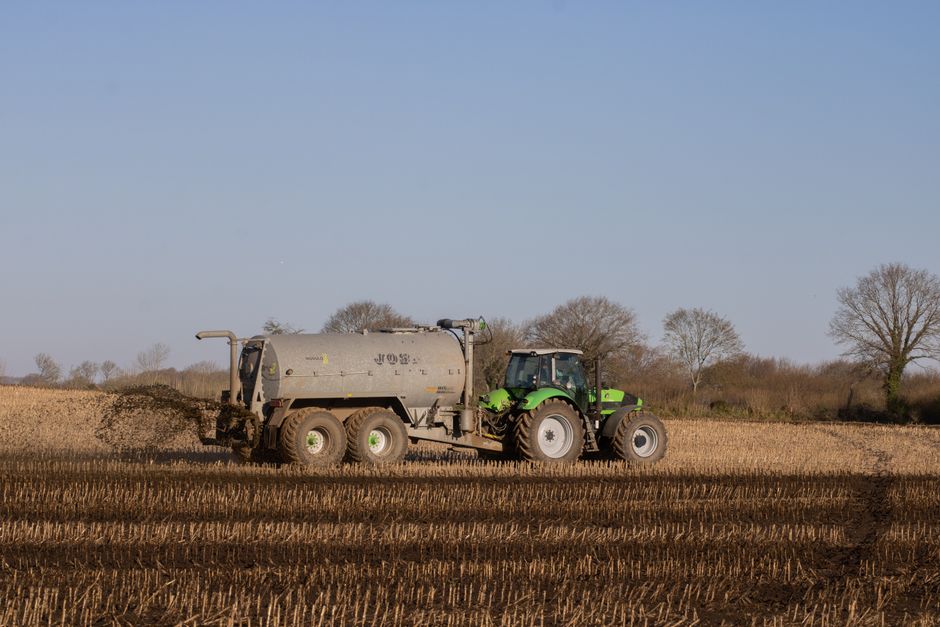
Fertilizer is often the single largest input cost after land. The good news for 2025 is that most fertilizer categories are expected to remain flat to moderately lower compared to 2023–2024 peaks.
Nitrogen (Urea, UAN, Ammonia)
Nitrogen prices have eased significantly from their 2022 highs, thanks to lower natural gas prices in Europe and increased global production capacity. However, volatility remains a risk. Any disruption to natural gas supplies—particularly in Europe—could push ammonia and urea prices higher again. Farmers in North America should watch spring prepay programs closely, as early commitments often carry discounts of 5–10%.
Phosphates (DAP, MAP)
Phosphate markets are tighter. Export restrictions from China and strong demand from Brazil and India continue to support prices. Expect DAP and MAP prices to remain firm, with limited downside. If you need phosphate, buying early in 2025 is generally advisable.
Potash (MOP, SOP)
Potash prices have stabilized after a turbulent 2022–2023. Belarusian and Russian supply uncertainties persist, but alternative sources from Canada, Laos, and Israel have filled much of the gap. Prices should be relatively stable, though logistics costs remain a wildcard.
2025 Fertilizer Price Outlook Summary
| Nutrient | Expected 2025 Trend | Key Risk Factor |
|---|---|---|
| Nitrogen (Urea/UAN) | Flat to slightly down | Natural gas prices, European production |
| Phosphate (DAP/MAP) | Firm, slight increase | Chinese export policy, Indian demand |
| Potash (MOP/SOP) | Stable | Belarus/Russia sanctions, freight rates |
| Micronutrients | Modest increase | Specialty supply chains, energy costs |
Seed Costs: Genetics and Technology Fees Rise
Seed prices continue their long-term upward trend, driven by investments in genetic traits, gene editing, and digital agronomy platforms. For 2025, expect:
- Corn seed: 3–6% increase, with premium trait stacks commanding the highest prices
- Soybean seed: 2–5% increase, with Enlist and XtendFlex varieties leading demand
- Wheat and small grains: Modest 1–3% increase, though certified seed supplies may be tight in some regions
To manage seed costs, consider variable-rate seeding, comparing trait packages against your actual pest and weed pressure, and exploring non-GMO or conventional options where premiums justify them. Also, ask about early-order and multi-year discounts—many suppliers offer 8–12% savings for early commitments.
Crop Protection: Generic Competition Brings Relief
The crop protection market in 2025 is being reshaped by the expiration of key patents. Glyphosate, glufosinate, and several major fungicide and insecticide actives now face robust generic competition, which is helping to hold prices down.
However, not all categories are falling. Newer modes of action—especially for resistant weeds and emerging pests—carry premium prices. Expect:
- Herbicides: Flat to down 5% on generics; premium products stable
- Fungicides: Slight increase due to raw material costs and demand for SDHI and strobilurin products
- Insecticides: Mixed, with diamides and neonics under regulatory pressure in some regions
Practical tip: Build a weed management plan that rotates modes of action and integrates cultural practices. This reduces reliance on any single product and protects both yield and budget.
Fuel and Energy: The Wildcard for 2025
Diesel prices directly affect every field operation, from tillage to harvest to grain hauling. Global crude oil forecasts for 2025 suggest moderate prices, but geopolitical tensions in the Middle East and the ongoing war in Ukraine keep risk elevated.
For budgeting, assume diesel prices within 10–15% of 2024 averages. To reduce exposure:
- Lock in fuel contracts during off-peak periods
- Reduce tillage passes where agronomically feasible
- Optimize machinery ballasting, tire pressure, and engine settings
- Consider on-farm biodiesel or renewable diesel blends where available
Machinery and Equipment: Higher Prices, Longer Lead Times
New machinery prices have risen 20–35% since 2020, and 2025 will continue that trend, though at a slower pace. Supply chains have improved, but lead times for high-demand equipment remain long—often 6 to 12 months.
Many farmers are responding by:
- Extending equipment replacement cycles
- Buying used equipment at auction or from dealers
- Leasing instead of purchasing to preserve working capital
- Investing in precision ag retrofits rather than new machines
If you plan major equipment purchases in 2025, order early and confirm financing rates. Interest rates remain a significant factor in total cost of ownership.
Labor and Services: Persistent Cost Pressure
Labor shortages continue to push wages higher. Custom application, custom harvesting, and agronomy services are all seeing rate increases of 4–8% year over year. H-2A wage rates have risen sharply in many states, affecting fruit, vegetable, and specialty crop operations most acutely.
To manage labor costs, consider automation, improved scheduling, and shared equipment arrangements with neighboring farms.
Regional Differences: One Size Does Not Fit All
Input cost news for 2025 varies significantly by region:
- North America: Stable fertilizer, higher seed and machinery, moderate fuel
- Europe: Higher energy-linked inputs, strict regulatory costs, but strong grain prices
- South America: Currency effects and logistics dominate; fertilizer imports remain costly
- Asia-Pacific: Government subsidies in India and China cushion some costs; logistics and tariffs add pressure
Always benchmark your input costs against local averages and adjust your plan accordingly.
Practical Strategies to Control Input Costs in 2025
1. Buy Early and Hedge
Prepay for fertilizer, seed, and crop protection in late 2024 or early 2025 to capture discounts and avoid spring price spikes. Work with your lender to secure favorable financing for early purchases.
2. Use Soil Tests and Variable-Rate Technology
Over-application is one of the biggest hidden costs. Soil testing and variable-rate application ensure you apply only what the crop needs, reducing waste and environmental impact.
3. Compare Generic and Branded Products
Generics can save 20–40% on crop protection without sacrificing efficacy when used correctly. Always check label rates and tank-mix compatibility.
4. Negotiate with Suppliers
Don't accept the first quote. Get multiple bids, ask about volume discounts, and consider forming a buying group with neighboring farms to increase bargaining power.
5. Re-evaluate Crop Rotation and Acreage
If input costs for one crop are too high relative to expected returns, consider shifting acreage to a more favorable crop. Cover crops and legumes can also reduce nitrogen needs over time.
6. Track and Benchmark
Use farm management software to track input costs per acre, per bushel, and per field. Benchmarking against peers reveals where you can improve.
What to Watch in 2025
Several factors could shift the input cost landscape during the year:
- Geopolitics: Conflicts, sanctions, and trade disputes can disrupt supply chains overnight
- Energy prices: Natural gas and crude oil remain the biggest swing factors for fertilizer and fuel
- Weather: Drought or floods in key producing regions affect both demand and logistics
- Policy: Subsidy changes, tariffs, and environmental regulations can alter cost structures
- Currency: A strong dollar makes imports cheaper for U.S. farmers but hurts export competitiveness
Conclusion: Plan for Stability, Prepare for Volatility
The 2025 farm input cost outlook is best described as cautiously stable. Fertilizer prices are moderating, generic crop protection is providing relief, and fuel prices are relatively contained. However, seed, machinery, and labor costs continue to climb, and geopolitical risks remain. The farmers who thrive in 2025 will be those who plan early, buy strategically, use precision technology, and stay informed about market news.
Stay tuned to our company news section for the latest updates on input prices, supply conditions, and practical advice to help you protect your margins all season long.