 English
 简体中文
 Русский
 Español
 Deutsch

How Long Should Fabric Curtains Be? Your Complete Length Guide
Choosing the right curtain length can transform a room from ordinary to elegant. Curtains that are too short can make a space feel unfinished, while the wrong length can overwhelm a window. In this FAQ guide, we answer the most common questions about how long fabric curtains should be, so you can measure with confidence and achieve a polished, designer-worthy look.

What Are the Standard Curtain Lengths?
Standard curtain lengths generally fall into four main categories: sill length (just above the windowsill), below-sill length (4–6 inches below the sill), floor length (touching the floor), and puddle length (extending 1–6 inches onto the floor). Each creates a different visual effect and suits different rooms.
Sill-length curtains are practical for kitchens and bathrooms, while floor-length and puddle styles are popular in living rooms and bedrooms for a more formal, luxurious appearance. Knowing these standards helps you decide which style fits your space and function.
Should Curtains Touch the Floor?
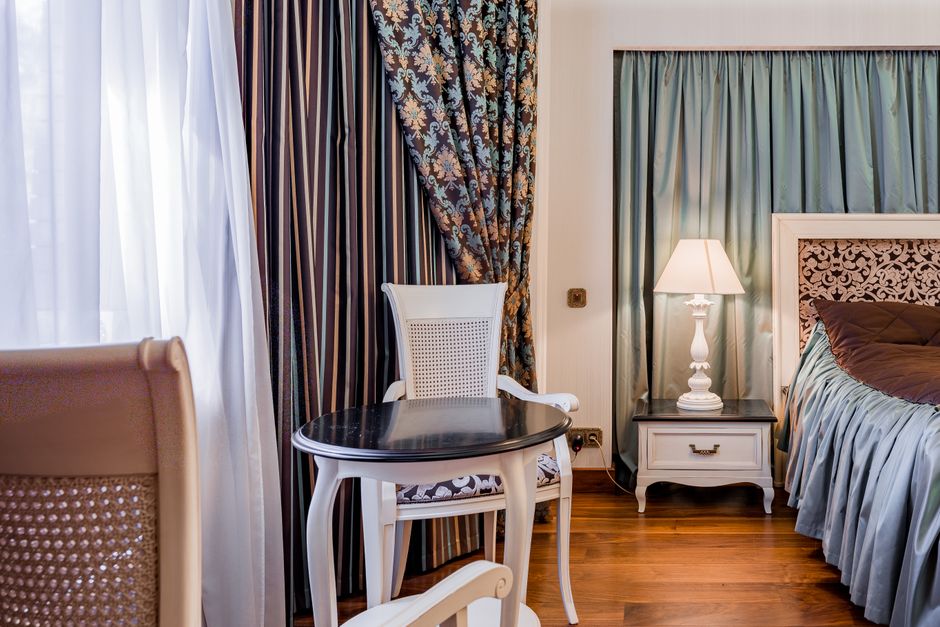
In most living rooms, dining rooms, and bedrooms, floor-length curtains are considered the most elegant choice. They should just barely touch the floor or hover about 1/4 to 1/2 inch above it. This creates a clean, tailored look that makes ceilings appear taller and rooms feel more spacious.
However, if you have high-traffic areas or pets, you may prefer a slight clearance to prevent fraying and dirt. The key is consistency—make sure all panels are hemmed to the same length for a balanced appearance.
What Is Puddle Length and When Should I Use It?
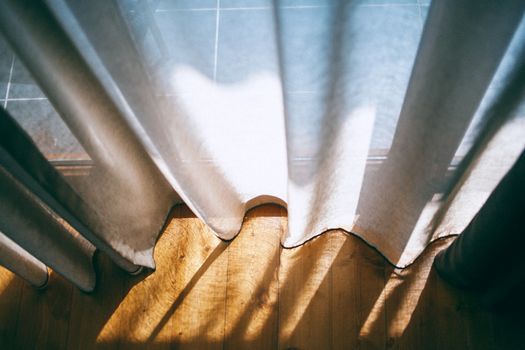
Puddle length means the curtains extend onto the floor, typically by 1 to 6 inches. A subtle 1–2 inch puddle adds a touch of luxury without being impractical, while a dramatic 6-inch puddle makes a bold statement in formal spaces.
This style works best with lightweight or medium-weight fabrics that drape gracefully, such as silk, velvet, or linen blends. Avoid puddling in homes with pets or heavy foot traffic, as the fabric can collect dust and wrinkle easily.
How High Should I Hang My Curtains?
For the most visually appealing result, hang your curtain rod 4–6 inches above the window frame, or even higher if you want to emphasize height. Mounting the rod closer to the ceiling draws the eye upward and makes the room feel larger.
Remember that the higher you hang the rod, the longer your curtains need to be to reach the floor. Always measure from the rod to your desired endpoint before ordering or hemming.
What Length Is Best for Bedrooms?
Bedrooms typically look best with floor-length curtains that touch the floor or have a slight break. This creates a cozy, enclosed feeling that promotes relaxation. If you want a softer, romantic look, a small puddle of 1–2 inches can work beautifully.
For blackout or room-darkening curtains, floor length also helps block light more effectively. Just ensure the curtains extend slightly beyond the window edges on both sides to minimize light gaps.
What Length Works for Kitchens and Bathrooms?
Kitchens and bathrooms usually benefit from shorter curtains for practicality and cleanliness. Sill-length or below-sill curtains (4–6 inches below the sill) keep fabric away from sinks, stoves, and countertops.
Café curtains, which cover only the lower half of the window, are another popular option. They provide privacy while allowing natural light to enter, making them ideal for small or busy spaces.
How Do I Measure for the Correct Curtain Length?
Start by installing your curtain rod at the desired height. Then measure from the top of the rod (or from the rod's rings, depending on your hardware) down to your target endpoint—sill, below-sill, floor, or puddle.
- For floor length: measure to the floor and subtract 1/4 to 1/2 inch.
- For puddle length: measure to the floor and add 1–6 inches.
- For sill length: measure to 1/2 inch above the sill.
- For below-sill: measure to 4–6 inches below the sill.
Always measure in at least two or three places, as floors and windowsills can be uneven. Use the shortest measurement to ensure the curtains don't drag.
Does Curtain Length Affect the Room's Appearance?
Absolutely. Curtain length dramatically influences how tall, wide, and formal a room feels. Floor-length curtains create vertical lines that make ceilings look higher and rooms more expansive. Short curtains, on the other hand, can make a room feel smaller and more casual.
If you want a high-end, designer look, opt for floor-length or puddled curtains. For a relaxed, functional vibe, shorter lengths are perfectly acceptable. The right choice depends on your style goals and the room's purpose.
Can I Adjust Curtain Length After Buying?
Yes, many curtains can be hemmed to your desired length. If you're handy with a sewing machine, you can shorten them yourself. Otherwise, a professional tailor or dry cleaner can do it for a reasonable fee.
Keep in mind that some fabrics, like velvet or heavily patterned curtains, are more challenging to alter. Always check the care label and consider the fabric type before making adjustments. If you're unsure, buying custom-length curtains may be the best option.
Quick Reference: Curtain Length Cheat Sheet
| Style | Measurement | Best For |
|---|---|---|
| Sill Length | 1/2 inch above sill | Kitchens, bathrooms |
| Below-Sill | 4–6 inches below sill | Casual living spaces |
| Floor Length | Touching floor or 1/4–1/2 inch above | Living rooms, bedrooms |
| Puddle Length | 1–6 inches on floor | Formal rooms, luxury settings |
With this guide, you can choose the perfect curtain length for any room. Measure carefully, consider your lifestyle, and don't be afraid to experiment with puddling for a truly custom look.