
 English
 简体中文
 Русский
 Español
 Deutsch
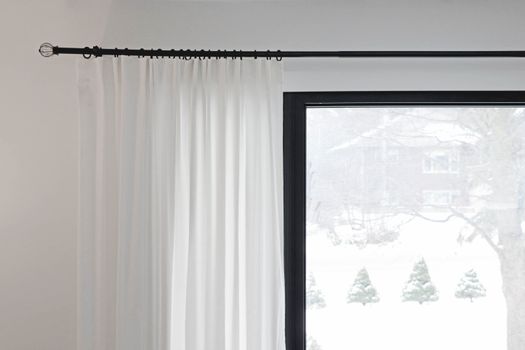
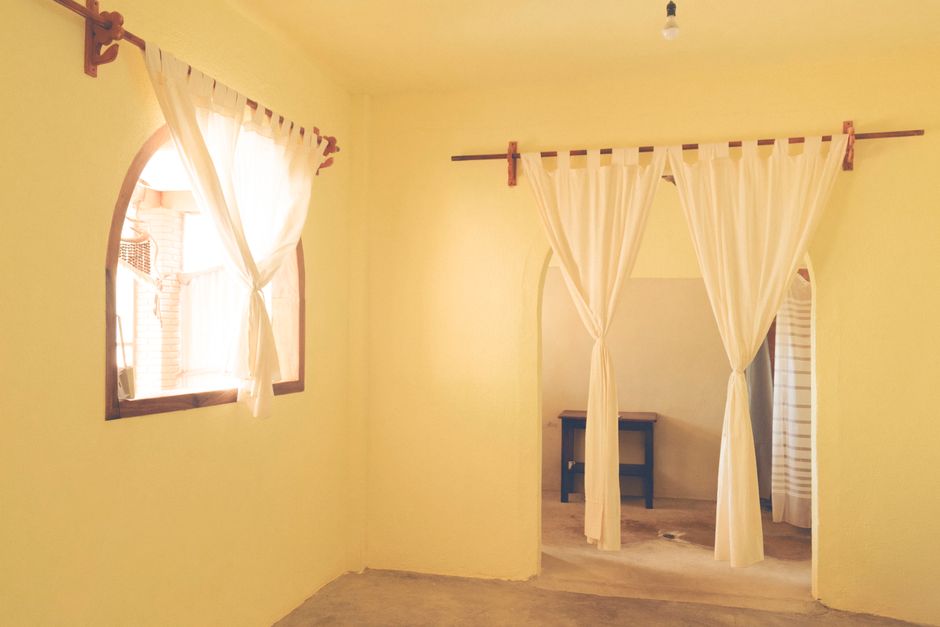
Why Choose No-Drill Curtain Hanging?
Fabric curtains transform a room, adding warmth, privacy, and style. But if you rent your home, live in a dorm, or simply don't want to damage your walls, drilling holes can feel like a dealbreaker. Fortunately, there are several effective ways to hang fabric curtains without drilling. This guide covers everything from tension rods to adhesive hooks, helping you choose the best method for your space and curtain weight.

Understanding Your Options
Before you start, assess your walls, window frame, and curtain weight. No-drill methods fall into three main categories:
- Tension-mounted: Rods that expand to fit inside a window frame or between two walls.
- Adhesive-mounted: Hooks, clips, or brackets that stick to smooth surfaces.
- Over-the-door or ceiling-mounted: Hooks that hang from existing fixtures or use pressure.
Each has strengths and limitations. The right choice depends on your curtain fabric, window size, and how long you plan to keep them up.

Method 1: Tension Rods
Tension rods are the most popular no-drill solution. They use a spring-loaded mechanism to press against two surfaces, creating friction that holds the rod in place.
How to Install a Tension Rod
- Measure the inside width of your window frame at the top, middle, and bottom. Use the smallest measurement.
- Choose a tension rod 1–2 inches longer than that measurement.
- Extend the rod and twist to lock it. Place it inside the frame, then adjust until it's tight.
- Test by pulling gently. If it slips, extend it a bit more.
Best For
- Lightweight to medium-weight curtains (sheer, cotton, linen).
- Windows with a recessed frame (at least 1 inch deep).
- Renters who want a temporary, damage-free solution.
Limitations
Tension rods can fail with heavy blackout or velvet curtains. They also won't work on frameless windows or if the frame is too shallow.
Method 2: Adhesive Hooks and Brackets
Adhesive hooks are versatile and can hold surprising weight if installed correctly. Look for damage-free strips or heavy-duty adhesive hooks rated for 5–10 pounds.
How to Install Adhesive Hooks
- Clean the wall or frame with rubbing alcohol. Let it dry completely.
- Peel the backing and press the hook firmly for 30 seconds.
- Wait 1 hour (or as directed) before hanging anything.
- Hang a lightweight rod or directly clip curtains to the hooks.
Best For
- Lightweight sheer or voile curtains.
- Smooth surfaces: painted walls, tile, glass, metal.
- Small windows or temporary setups.
Limitations
Adhesive can fail on textured walls, wallpaper, or in humid rooms. Weight capacity is limited, so avoid heavy drapes.
Method 3: Over-the-Door Hooks
If your window is near a door, over-the-door hooks can be repurposed. They slip over the top of the door and provide a sturdy anchor.
How to Use
- Choose a hook that fits your door thickness (usually 1.5–2 inches).
- Slide it over the door top.
- Hang a lightweight rod or use clips to attach curtains.
Best For
- Doors with glass panels or sidelights.
- Rental apartments where doors are standard.
Limitations
Not ideal for large windows. The door must be closed for the curtains to hang properly.
Method 4: Magnetic Rods
Magnetic curtain rods are a niche but effective solution for metal window frames or steel doors.
How to Install
- Ensure your frame is ferrous metal (test with a magnet).
- Attach the magnetic brackets to the frame.
- Snap the rod into place.
Best For
- Metal-framed windows, common in modern buildings.
- Lightweight curtains.
Limitations
Won't work on aluminum or wood frames. Weight capacity is low.
Method 5: Ceiling Tracks with Adhesive
For a more permanent no-drill look, consider a ceiling track system that uses strong adhesive strips. These are often used for room dividers or large windows.
How to Install
- Clean the ceiling area thoroughly.
- Apply heavy-duty adhesive strips to the track.
- Press firmly and wait 24 hours before hanging curtains.
Best For
- Medium-weight curtains.
- Renters who want a custom look.
Limitations
Adhesive may not hold on textured ceilings. Removal can damage paint if not done carefully.
Comparison Table: No-Drill Methods
| Method | Weight Capacity | Best Surface | Ease of Removal |
|---|---|---|---|
| Tension Rod | Light to Medium | Recessed frame | Very Easy |
| Adhesive Hooks | Light | Smooth walls | Easy |
| Over-the-Door | Light to Medium | Door top | Very Easy |
| Magnetic Rod | Light | Metal frame | Very Easy |
| Ceiling Track | Medium | Smooth ceiling | Moderate |
Tips for Success
- Weigh your curtains: Use a kitchen scale. If they exceed the method's limit, choose a stronger option.
- Reinforce adhesive: For heavier curtains, use multiple hooks or add a small support bracket.
- Check humidity: Adhesive fails in bathrooms and kitchens. Use tension rods there instead.
- Test before hanging: Pull on the rod or hook to ensure it's secure.
- Consider curtain clips: Ring clips can distribute weight more evenly.
Frequently Asked Questions
Can I hang blackout curtains without drilling?
Yes, but you'll need a heavy-duty tension rod or a ceiling track with strong adhesive. Blackout curtains are heavy, so test the setup carefully.
Will adhesive hooks damage my wall?
Damage-free strips are designed to remove cleanly, but they can peel paint if the wall is poorly painted or textured. Always follow removal instructions.
What if my window frame is too shallow for a tension rod?
Try adhesive hooks on the wall above the frame, or use a magnetic rod if the frame is metal.
How do I hang curtains on a sliding glass door without drilling?
Use an over-the-door hook on the adjacent door, or a tension rod inside the door frame if it's recessed.
Conclusion
Hanging fabric curtains without drilling is entirely possible with the right method. Tension rods are the go-to for most renters, while adhesive hooks and magnetic rods offer flexibility for specific situations. Always match the method to your curtain weight and wall surface. With a little planning, you can enjoy beautiful curtains without leaving a single hole.