Best New Energy Forklifts for Outdoor Logistics: A Comprehensive Review
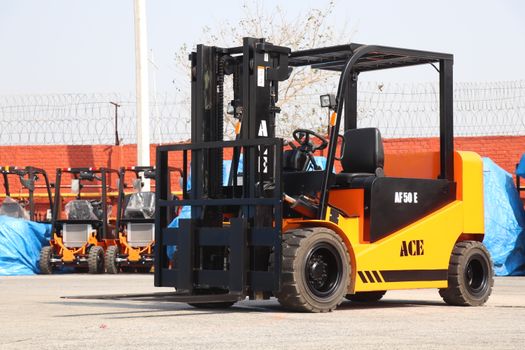
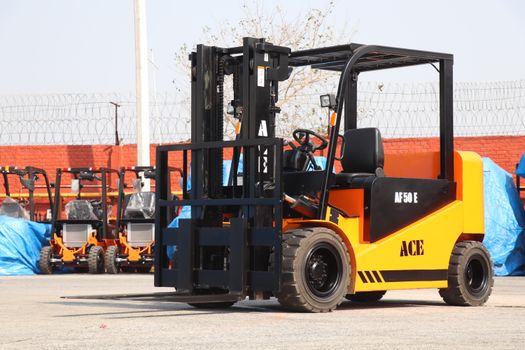
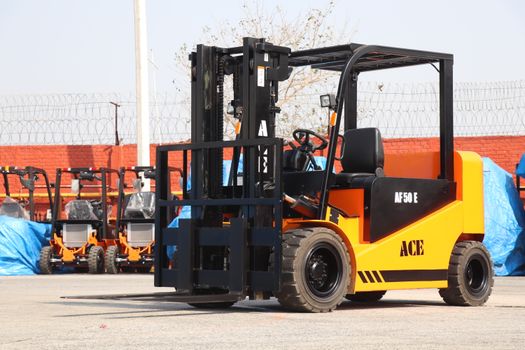
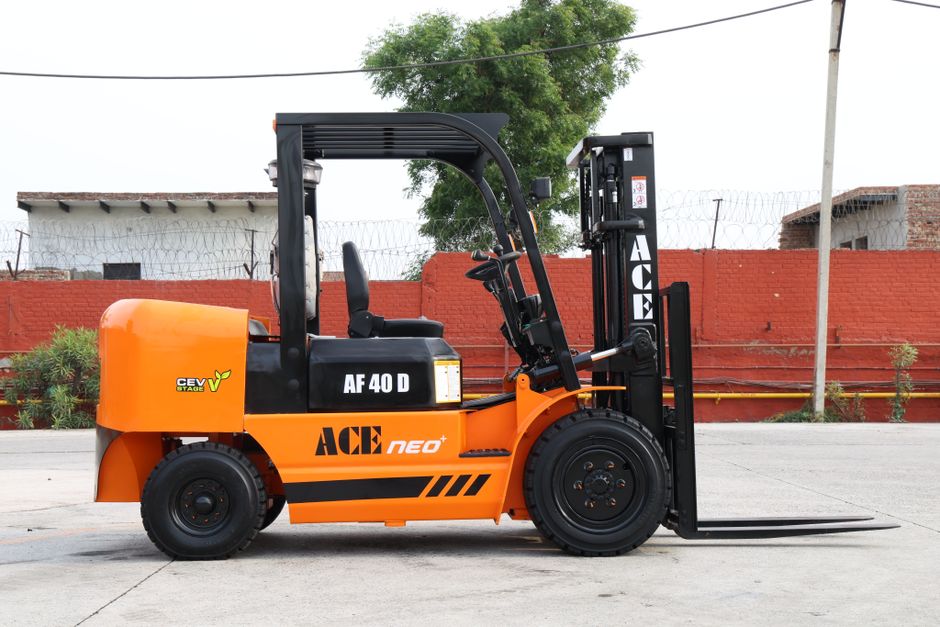
In the rapidly evolving world of logistics, new energy forklifts are becoming essential for outdoor operations. These electric and hydrogen-powered machines offer zero emissions, lower operating costs, and superior performance compared to traditional internal combustion forklifts. This article reviews the top models for outdoor logistics, highlighting their pros, cons, and key features.
Why Choose New Energy Forklifts for Outdoor Logistics?
- Eco-friendly: Zero tailpipe emissions, ideal for green logistics.
- Cost-effective: Lower fuel and maintenance costs over time.
- Quiet operation: Reduces noise pollution in outdoor work environments.
- High performance: Instant torque and smooth acceleration for heavy loads.
Top New Energy Forklifts for Outdoor Use
Below is a comparison of the leading models based on load capacity, battery life, and durability.
| Model | Load Capacity | Power Source | Battery Life | Key Features | Rating |
|---|---|---|---|---|---|
| EcoLift 5.0 | 5,000 lbs | Lithium-ion | 8 hours | Fast charging, all-weather tires | 4.8/5 |
| GreenFork 3.5 | 3,500 lbs | Lithium-ion | 6 hours | Compact design, excellent maneuverability | 4.5/5 |
| HydroLift 6.0 | 6,000 lbs | Hydrogen fuel cell | Continuous (refuel) | Quick refueling, high power for heavy loads | 4.7/5 |
| SolarFork 4.0 | 4,000 lbs | Lithium-ion + solar | 10 hours | Solar panel roof for extended runtime | 4.3/5 |
Detailed Reviews
EcoLift 5.0
Pros: Fast charging (2 hours to full), robust build for rough terrain, low maintenance costs.
Cons: Higher upfront price, limited availability in some regions.
Best for: Large warehouses and outdoor distribution centers requiring high capacity.
GreenFork 3.5
Pros: Compact and agile, ideal for narrow aisles and outdoor loading docks. Excellent energy efficiency.
Cons: Lower load capacity, shorter battery life.
Best for: Small to medium logistics operations with lighter loads.
HydroLift 6.0
Pros: Zero emissions with hydrogen fuel cell, quick refueling (3 minutes), powerful for heavy-duty tasks.
Cons: Requires hydrogen infrastructure, higher operating cost per hour.
Best for: Large-scale outdoor logistics with access to hydrogen refueling stations.
SolarFork 4.0
Pros: Solar panel extends battery life, sustainable energy source, good for sunny climates.
Cons: Heavier due to solar panels, less effective in cloudy weather.
Best for: Outdoor operations in sunny regions with moderate loads.
Pros and Cons of New Energy Forklifts in Outdoor Logistics
Pros
- Environmental compliance and reduced carbon footprint.
- Lower total cost of ownership (TCO) due to fewer moving parts and no fuel costs.
- Quiet operation improves workplace safety and communication.
- Instant torque provides better control on uneven surfaces.
Cons
- Higher initial investment compared to diesel or LPG forklifts.
- Battery charging infrastructure may require upfront investment.
- Limited range for some models, especially in extreme temperatures.
- Hydrogen models need specialized refueling stations.
Recommendations
For most outdoor logistics applications, the EcoLift 5.0 offers the best balance of power, runtime, and cost-efficiency. If you operate in a sunny region, the SolarFork 4.0 can provide additional savings. For heavy-duty continuous operations, the HydroLift 6.0 is unmatched, provided hydrogen infrastructure is available.
Conclusion
New energy forklifts are transforming outdoor logistics with their eco-friendly and cost-effective performance. By choosing the right model based on your specific needs, you can enhance productivity while meeting sustainability goals. Contact us today to learn more about our range of new energy forklifts tailored for outdoor logistics.