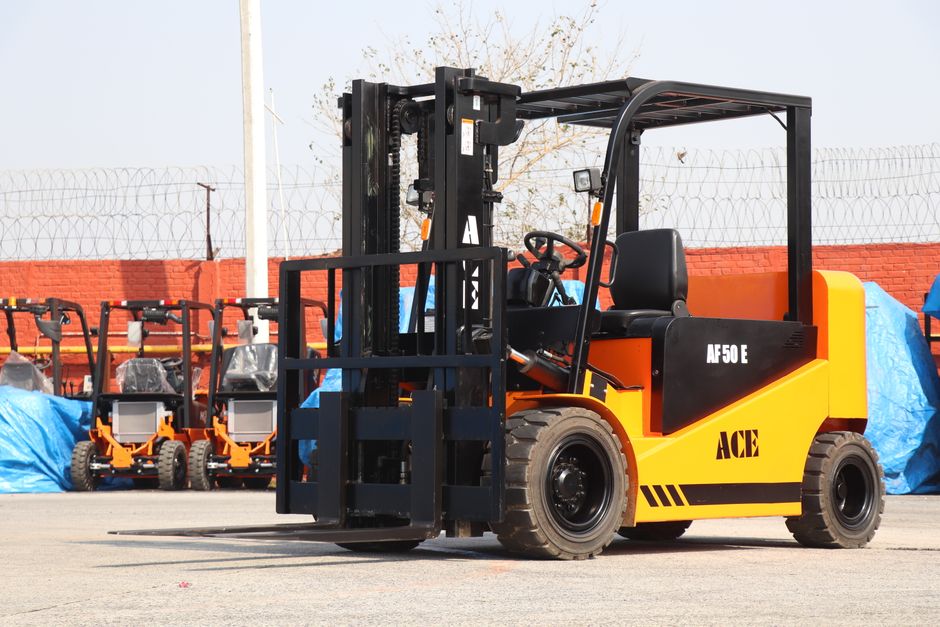
Introduction: The Forklift Dilemma for Startups
Starting a new business in logistics or warehousing is exciting, but it comes with tough decisions—especially when it comes to equipment. New energy forklifts (electric forklifts powered by lithium batteries or hydrogen fuel cells) are gaining popularity due to lower emissions and operating costs. But for startups with limited capital, the question is: should you rent or buy? This guide breaks down the pros, cons, costs, and strategic considerations to help you make the right choice.
Understanding New Energy Forklifts
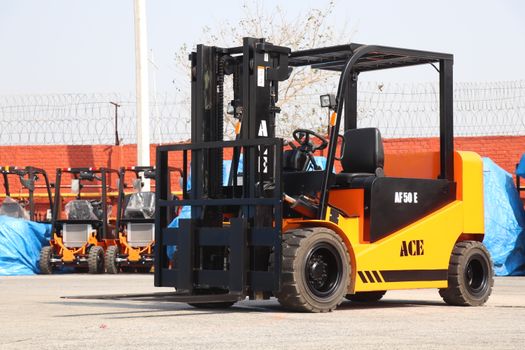
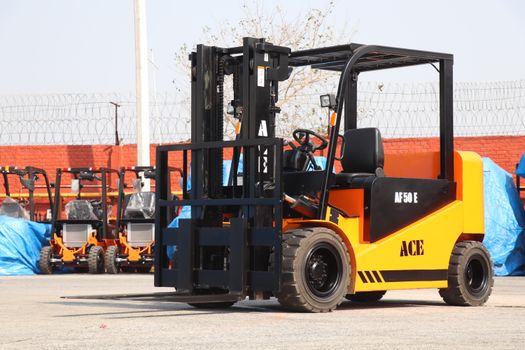
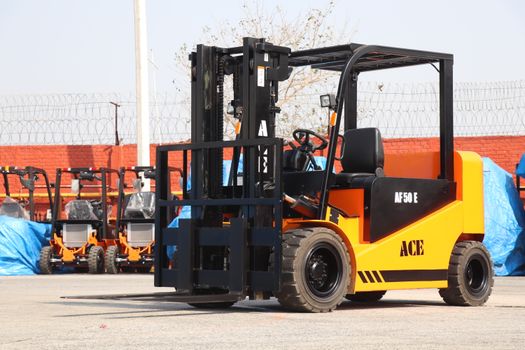
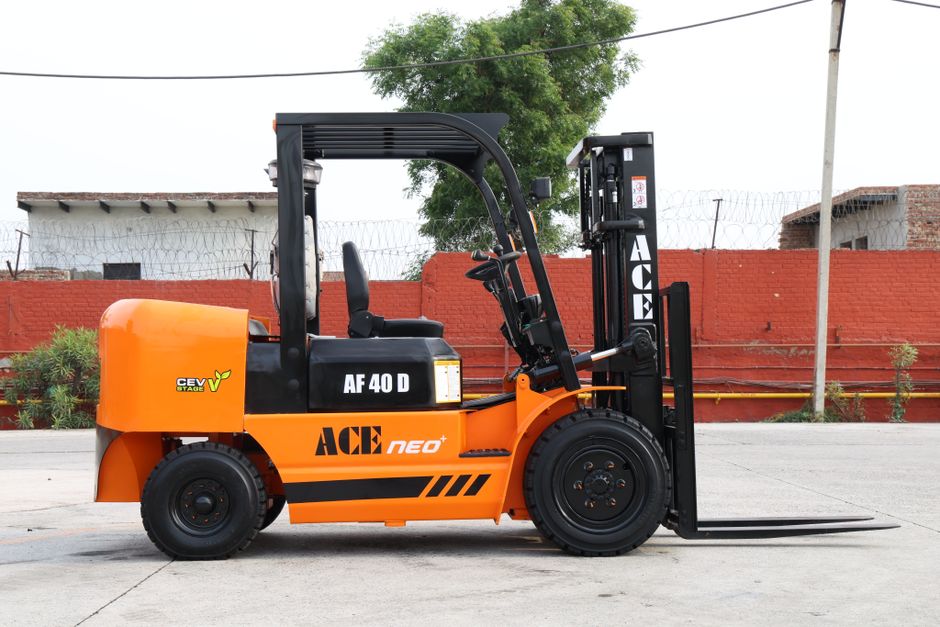
New energy forklifts refer to electric forklifts that use advanced battery technology, such as lithium-ion (Li-ion) or hydrogen fuel cells, instead of traditional lead-acid batteries or internal combustion engines. They offer benefits like zero emissions, quieter operation, lower energy costs, and less maintenance. However, they come with a higher upfront price tag compared to conventional forklifts.
Key Types of New Energy Forklifts
- Lithium-ion battery forklifts: Fast charging, long lifespan, no maintenance required for batteries.
- Hydrogen fuel cell forklifts: Refuel in minutes, ideal for multi-shift operations, but infrastructure is limited.
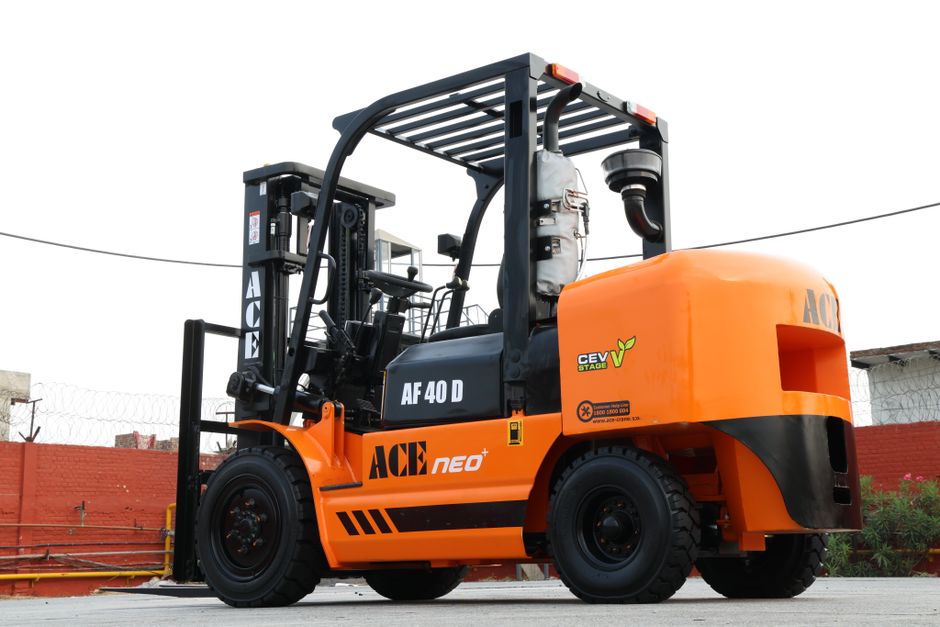
Renting New Energy Forklifts: Pros and Cons
Advantages of Renting
- Lower initial cost: No large capital outlay; monthly payments are predictable.
- Flexibility: Easily scale up or down based on demand; try different models.
- Maintenance included: Most rental contracts cover servicing and repairs, reducing unexpected expenses.
- Access to latest technology: Upgrade to newer models without disposal hassles.
Disadvantages of Renting
- Higher long-term cost: Over 3-5 years, rental payments can exceed purchase cost.
- Contract restrictions: Mileage or usage limits; penalties for early termination.
- No equity: You don't own an asset; no resale value.
Purchasing New Energy Forklifts: Pros and Cons
Advantages of Buying
- Long-term savings: After the break-even point, you own the equipment; no more payments.
- Asset ownership: Build equity; can sell or trade-in later.
- Tax benefits: Depreciation deductions and possible government incentives for green equipment.
- Full control: Use as needed without mileage caps; customize if desired.
Disadvantages of Buying
- High upfront cost: New energy forklifts can cost $30,000-$60,000 or more.
- Maintenance responsibility: You pay for repairs, battery replacements, and servicing.
- Technology obsolescence: Rapid advancements may make your forklift outdated in a few years.
- Depreciation: Resale value may drop, especially with battery degradation.
Cost Comparison: Rent vs Buy
| Factor | Rent | Buy |
|---|---|---|
| Initial cost | Low (deposit + first month) | High (full purchase price) |
| Monthly payment | Fixed rental fee | Loan payment (if financed) |
| Maintenance cost | Included in rental | Variable; budget ~$500-$1,000/year |
| Battery replacement | Included (if part of lease) | $5,000-$15,000 after 3-5 years |
| Total cost over 5 years | ~$50,000 (example) | ~$35,000 (after resale) |
| Tax benefits | Operating expense deduction | Depreciation + Section 179 |
| Flexibility | High | Low |
Note: Actual costs vary based on model, usage, and location. Always get quotes.
Practical Tips for Startups
1. Evaluate Your Cash Flow
If your startup has limited capital, renting preserves cash for other investments. Use a cash flow projection to see if you can afford the monthly payments versus a loan.
2. Consider Usage Patterns
For seasonal or unpredictable demand, renting offers flexibility. For steady, full-time use, buying may be cheaper in the long run.
3. Factor in Incentives
Check for federal or state grants for green equipment. The U.S. offers tax credits for electric forklifts; some states have additional programs.
4. Negotiate Terms
Whether renting or buying, negotiate. For rentals, ask for lower monthly fees or free maintenance. For purchases, ask for discounts or extended warranties.
5. Plan for Battery Life
Lithium-ion batteries last 2,000-3,000 charge cycles. If you operate multiple shifts, renting may be better because battery replacement is covered.
6. Test Before Committing
Rent a new energy forklift for a few months to see if it fits your operations. Then decide to buy or continue renting.
Case Study: Startup A vs Startup B
Startup A rented two Li-ion forklifts for $800/month each. After 3 years, total cost = $57,600. They returned the forklifts and upgraded to newer models. Startup B bought two forklifts for $40,000 each (total $80,000). With maintenance and battery replacement, total cost over 3 years = $96,000. However, they sold the used forklifts for $30,000, net cost = $66,000. Startup A spent less upfront but more overall; Startup B had higher initial cost but lower net cost.
Conclusion: Which Is Right for Your Startup?
There is no one-size-fits-all answer. Renting is ideal for startups with limited capital, uncertain demand, or a desire for flexibility. Buying is better for those with stable operations, access to financing, and a long-term horizon. Consider your cash flow, usage patterns, and growth plans. Whichever you choose, new energy forklifts are a smart investment for a sustainable future.