Introduction to New Energy Forklifts in B2B Sourcing
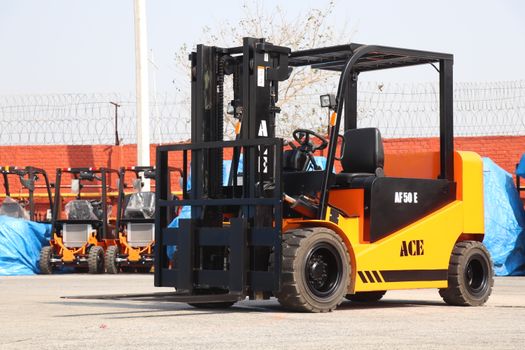
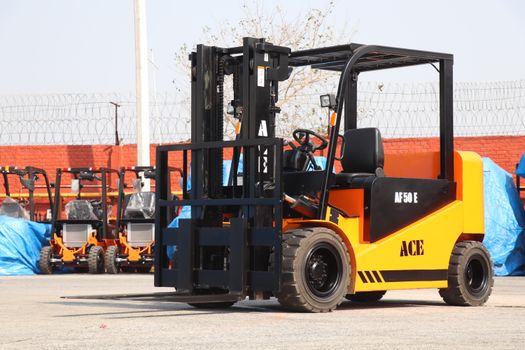
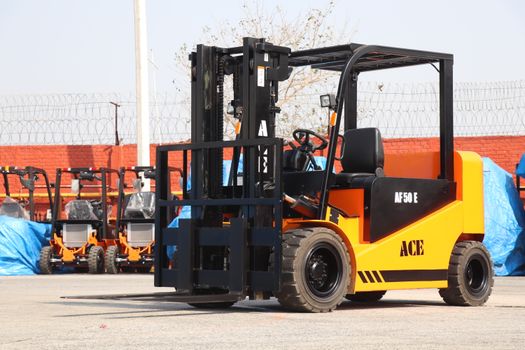
The global material handling industry is undergoing a green revolution. New energy forklifts—powered by lithium-ion batteries, hydrogen fuel cells, or hybrid systems—are replacing traditional internal combustion (IC) and lead-acid battery models. For B2B buyers, sourcing these advanced machines requires a strategic approach to ensure cost-efficiency, compliance, and long-term value. This guide provides a step-by-step framework for procurement professionals.
Why Switch to New Energy Forklifts?
Environmental and Regulatory Drivers
Governments worldwide are tightening emissions standards. For example, the EU’s Stage V regulations and China’s National IV standards push for zero-emission equipment. New energy forklifts help companies meet sustainability goals and avoid carbon taxes.
Operational Benefits
- Lower Total Cost of Ownership (TCO): Lithium-ion batteries last 3–4 times longer than lead-acid, with no watering or equalization needed.
- Higher Efficiency: Opportunity charging during breaks eliminates battery swaps, increasing uptime by 20–30%.
- Safety: No fumes, reduced fire risk, and quieter operation improve warehouse conditions.
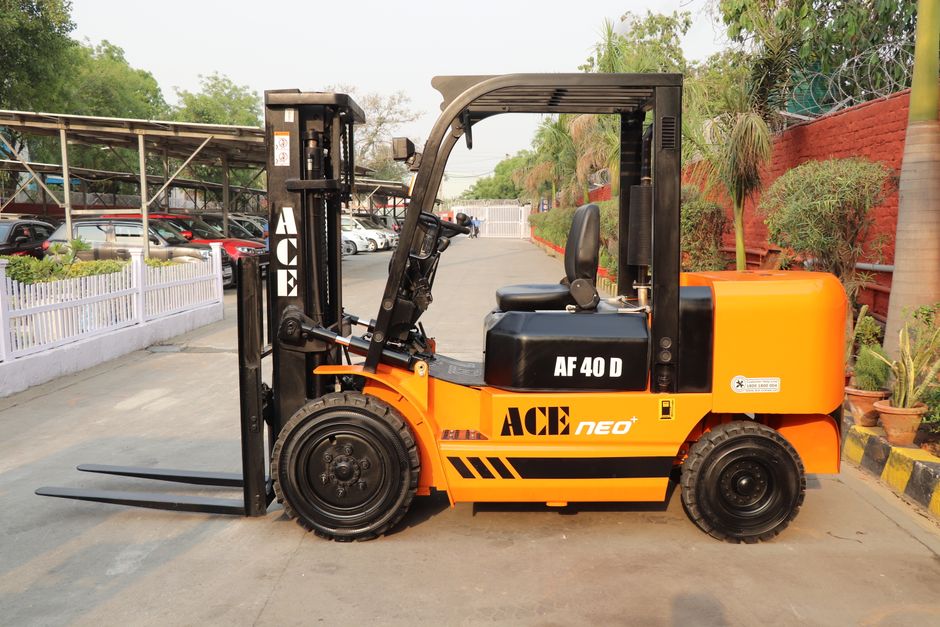
Key Types of New Energy Forklifts
| Type | Power Source | Best For | Typical Capacity |
|---|---|---|---|
| Lithium-ion | Rechargeable LiFePO4 battery | Indoor, multi-shift, cold storage | 1.5–5 tons |
| Hydrogen Fuel Cell | Hydrogen gas | Heavy-duty, continuous operation | 3–10 tons |
| Hybrid (Diesel+Electric) | Diesel generator + battery | Outdoor, rough terrain | 2–8 tons |
Sourcing Strategy: Step-by-Step
Step 1: Assess Your Operational Needs
Define duty cycle, lifting height, floor space, and charging infrastructure. For example, a 24/7 warehouse needs fast-charging lithium units, while a seasonal facility may prefer hydrogen for quick refueling.
Step 2: Research Qualified Suppliers
Look for manufacturers with ISO 9001, CE, or UL certifications. Check their export experience and after-sales support in your region. Request case studies from similar industries.
Step 3: Evaluate Total Cost of Ownership
Compare upfront price, battery lifespan, energy cost, maintenance, and disposal fees. Use a 5-year TCO model. For instance, a lithium-ion forklift may cost 30% more initially but saves 40% in energy and maintenance.
Step 4: Request Quotations and Compare
Ask for a detailed breakdown: chassis, battery, charger, warranty (minimum 2 years on battery), and spare parts availability. Negotiate volume discounts for fleet purchases.
Step 5: Inspect and Validate
Request a factory audit or third-party inspection. Test the forklift under real conditions. Verify battery cycle life (e.g., ≥3,000 cycles for lithium) and charging time.
Practical Tips for B2B Buyers
- Battery Chemistry: LiFePO4 is safer and lasts longer than NMC. Avoid LCO batteries for industrial use.
- Charging Infrastructure: Ensure your facility has adequate power supply. For lithium, install 30–50 kW chargers for fast charging.
- Software Integration: Look for forklifts with IoT telemetry to monitor battery health and usage patterns.
- Warranty and Support: Prefer suppliers with local service centers or partnerships. Spare parts lead time should be <48 hours.
Conclusion
New energy forklifts are a smart investment for forward-thinking B2B operations. By following this sourcing guide—assessing needs, vetting suppliers, and comparing TCO—you can secure reliable, eco-friendly equipment that boosts productivity. Contact our team for a customized quote or visit our factory for a live demo.