
Solution
Common New Energy Forklift Issues and Troubleshooting
Discover common new energy forklift issues and troubleshooting tips. Solve battery, charging, and performance problems. Keep your forklift running efficiently.
1. Why Won't My New Energy Forklift Start?
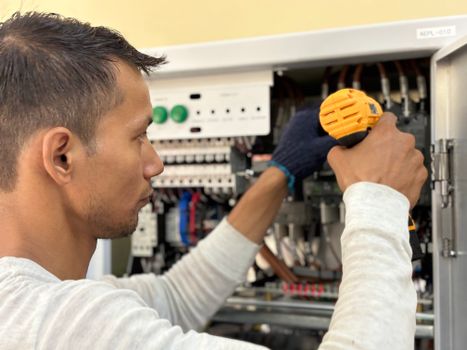
If your new energy forklift fails to start, the most common cause is a depleted battery. Check the battery level indicator on the dashboard. If it's low, connect the charger and allow it to charge fully. Ensure the charger is properly connected and the power source is active.
Another possibility is a faulty battery management system (BMS). If the BMS detects an anomaly, it may prevent the forklift from starting to protect the battery. In this case, contact your manufacturer or dealer for a diagnostic check. Also, verify that the emergency stop button is not engaged and that all safety switches are in the correct position.
If the battery is charged and BMS is fine, inspect the main contactor and fuses. A blown fuse or a stuck contactor can interrupt power. Refer to your user manual for fuse locations and replacement procedures. If you're unsure, seek professional assistance.
2. How Do I Troubleshoot a New Energy Forklift That Runs Slowly?
Slow operation is often related to battery charge level. When the battery is low, the forklift may enter a limp mode to conserve energy. Recharge the battery fully and test performance again. Also, check if the battery is old or has degraded capacity; a battery that cannot hold a charge will reduce speed.
Another common cause is a clogged air filter or cooling system. New energy forklifts rely on electric motors and controllers that need proper cooling. Check the radiator and fans for dirt or debris. Clean them if necessary. Additionally, inspect the drive motor and controller for error codes using the diagnostic tool.
If the forklift has a hydraulic system, low hydraulic fluid or a faulty pump can also cause sluggishness. Check fluid levels and top up if needed. If the problem persists, contact a certified technician to inspect the motor controller or inverter.
3. What Should I Do If the Forklift Battery Does Not Charge?
First, ensure the charger is receiving power and is properly connected to the battery. Check for any loose cables or damaged connectors. Also, verify that the charger is compatible with your battery type (e.g., lithium-ion vs. lead-acid). Some chargers have safety features that prevent charging if the battery temperature is too high or low.
If the charger appears functional, inspect the battery's BMS for error codes. Many modern batteries have a display or LED indicators that show fault conditions. Common issues include over-discharge protection, cell imbalance, or temperature faults. Refer to the battery manual for reset procedures.
In case of persistent issues, test the charger on another battery if possible. If the charger works, the problem lies with the battery. Contact the battery manufacturer or a service center for further diagnosis. Do not attempt to open the battery pack yourself, as high voltage can be dangerous.
4. Why Does My Forklift's Battery Drain Too Fast?
Rapid battery drain is often due to excessive load or frequent high-intensity operations. Check if you are consistently lifting heavy loads or if the forklift is used on steep inclines. Also, consider the ambient temperature; extreme cold or heat can reduce battery efficiency. Ensure the battery is fully charged before each shift.
Another factor is battery age. Lithium-ion batteries typically last 2,000-3,000 cycles, but capacity degrades over time. If your battery is older, it may need replacement. Additionally, check for parasitic drains such as lights or accessories left on when the forklift is idle.
If the forklift has a regenerative braking system, ensure it is functioning properly. Malfunctioning regeneration can waste energy. Finally, have the BMS checked for any imbalance in cell voltages, which can cause premature discharge. Regular maintenance and proper charging habits can extend battery life.
5. How Can I Fix Error Codes on the Dashboard?
Error codes are designed to help diagnose issues. First, locate your forklift's user manual or service guide, which contains a list of error codes and their meanings. Write down the code displayed. Common codes relate to battery, motor controller, or communication faults.
For simple codes like low voltage or over-temperature, follow the recommended actions: recharge the battery, allow cooling, or check connections. If the code indicates a serious fault (e.g., motor short circuit), stop using the forklift immediately and contact a technician.
Some error codes can be cleared by cycling the power (turn off, wait 30 seconds, restart). However, if the code reappears, the underlying issue must be addressed. Do not ignore persistent error codes, as they may lead to component damage. Keep a log of codes for future reference.
6. What Causes Unusual Noises from the Forklift?
Unusual noises can come from various sources. A whining noise from the motor or controller may indicate a faulty bearing or a failing inverter. Check for any debris caught in the cooling fan. A grinding noise when moving could be from the drive axle or wheels – inspect tires for wear and ensure wheel nuts are tight.
Hydraulic noises, such as groaning or squealing, often result from low hydraulic fluid or air in the system. Check fluid levels and bleed the system if necessary. Also, inspect hydraulic hoses for leaks or kinks. If the noise is from the steering, check the steering motor or pump.
If the noise is intermittent, try to replicate it during specific operations (lifting, tilting, driving). Record the noise and consult your dealer. In many cases, early detection can prevent major repairs. Regular lubrication and maintenance of moving parts reduce noise.
7. How Do I Reset the BMS (Battery Management System)?
Resetting the BMS can resolve some issues, but it should be done carefully. First, turn off the forklift and disconnect the charger. Locate the BMS reset button (if available) or follow the procedure in your battery manual. Some systems require a specific sequence of key switches or diagnostic tool commands.
For lithium-ion batteries, a full reset may involve discharging the battery to a certain level and then recharging fully. This can recalibrate the BMS. However, do not attempt to open the battery casing. If you are unsure, contact the manufacturer for guidance.
After resetting, monitor the battery performance. If the problem returns, there may be a hardware fault. Frequent resets are not a solution; address the root cause. Always follow safety precautions when working with high-voltage systems.
8. What Should I Do If the Forklift Shuts Down Suddenly?
Sudden shutdowns are often safety features triggered by overheating, low battery, or system faults. First, check the battery level – if critically low, recharge immediately. Allow the forklift to cool down if it has been used heavily. Check for any error codes on the dashboard.
If the shutdown occurs during operation, inspect for loose connections or damaged cables. A faulty interlock switch (e.g., seat switch) can also cause shutdown. Ensure the operator is properly seated and all safety belts are fastened. If the issue persists, the motor controller may have a thermal protection trip.
In case of repeated shutdowns, have the forklift inspected by a qualified technician. Do not bypass safety features. Sudden shutdowns can be dangerous, especially when lifting loads. Implement a preventive maintenance schedule to reduce such occurrences.
9. How to Maintain the Forklift's Cooling System?
New energy forklifts have cooling systems for the battery, motor, and controller. Regularly check coolant levels and top up with the recommended type. Inspect hoses and connections for leaks. Clean the radiator and cooling fins from dust and debris using compressed air or a soft brush.
For air-cooled systems, ensure fans are working properly. Listen for unusual fan noises and check for obstructions. Some forklifts have filters that need periodic cleaning or replacement. Refer to the maintenance schedule in your manual.
Overheating can reduce performance and damage components. If the forklift frequently overheats, consider upgrading the cooling system or reducing workload. Always allow the forklift to cool down before charging or storing.
10. When Should I Replace the Forklift Battery?
The lifespan of a new energy forklift battery depends on usage and care. Typically, lithium-ion batteries last 5-7 years or 2,000-3,000 cycles. Signs of end-of-life include reduced runtime, longer charging times, and inability to hold a charge. If the battery capacity drops below 80% of original, consider replacement.
Also, if the BMS frequently reports errors or the battery swells, replace it immediately. Swelling indicates internal damage and is a safety risk. Keep records of battery performance to track degradation.
When replacing, choose a battery that matches your forklift's specifications. Consult the manufacturer for compatible options. Proper disposal of old batteries is required – follow local regulations. Investing in a new battery can restore forklift performance and efficiency.
More operations
All solutions Other solutions

Quote this operation
Request a quote