

Solution
Integrating New Energy Forklifts with WMS: A Complete Guide
Learn how to integrate new energy forklifts with your WMS for enhanced efficiency, reduced costs, and sustainability. Step-by-step guide with best practices. Contact us for solutions.
Introduction to WMS Integration for New Energy Forklifts
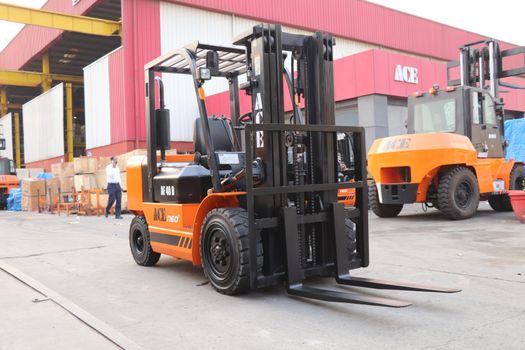
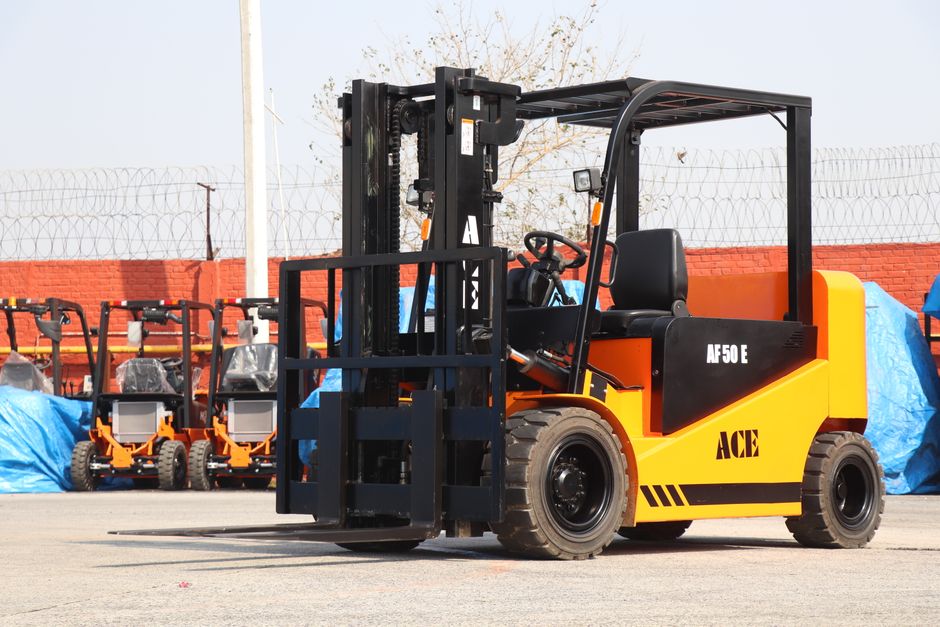
In today's fast-paced logistics environment, the integration of new energy forklifts with Warehouse Management Systems (WMS) is transforming material handling operations. New energy forklifts—powered by lithium-ion batteries, hydrogen fuel cells, or other clean energy sources—offer significant advantages over traditional internal combustion engine models, including lower emissions, reduced noise, and lower total cost of ownership. When these forklifts are seamlessly connected to a WMS, companies can achieve real-time visibility, optimize workflows, and boost overall efficiency. This guide provides a comprehensive look at the benefits, implementation steps, and best practices for integrating new energy forklifts with your WMS.
Benefits of Integrating New Energy Forklifts with WMS
Enhanced Operational Efficiency
Real-time data exchange between forklifts and WMS enables dynamic task assignment, reducing travel time and idle periods. For example, the system can direct the nearest available forklift to a picking task, minimizing empty runs. Studies show that such integration can improve throughput by up to 25%.
Improved Energy Management
New energy forklifts often have telematics that monitor battery levels and charging status. Integrating this data with WMS allows for intelligent scheduling of charging sessions during off-peak hours, ensuring maximum uptime and preventing battery degradation. This can extend battery life by 15-20%.
Reduced Carbon Footprint
By optimizing routes and reducing unnecessary movements, integrated systems lower energy consumption. Additionally, the shift to new energy forklifts reduces greenhouse gas emissions, supporting corporate sustainability goals. A typical warehouse can reduce its carbon emissions by up to 30% after full integration.
Key Technologies Enabling Integration
Telematics and IoT Sensors
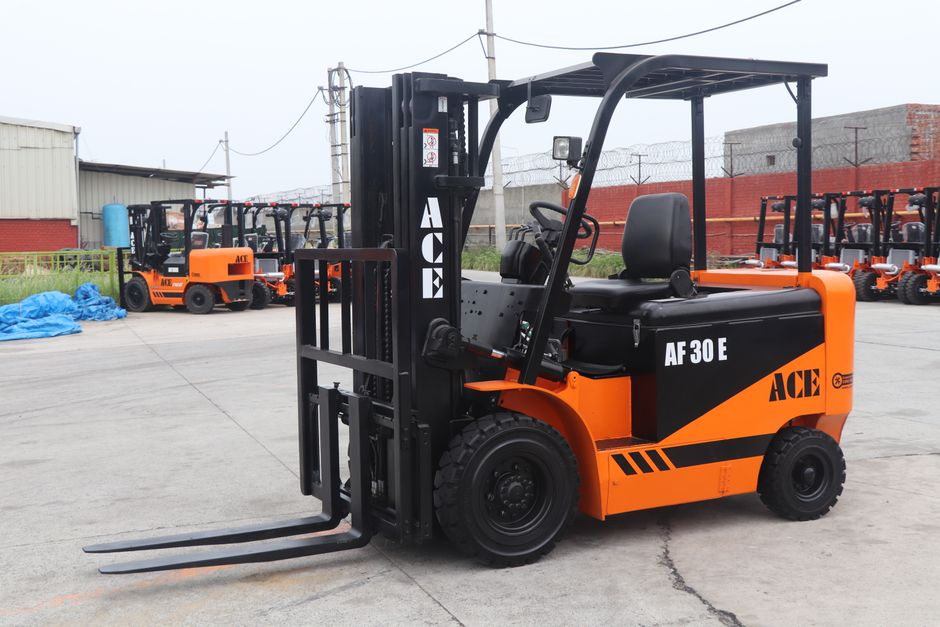
Modern new energy forklifts are equipped with IoT sensors that capture data on location, speed, load weight, battery status, and maintenance needs. This data is transmitted to the WMS via cellular or Wi-Fi networks, enabling real-time decision-making.
Application Programming Interfaces (APIs)
APIs allow the WMS to communicate directly with the forklift's onboard computer. For example, when a task is assigned, the API sends the destination coordinates and priority level. APIs also enable the WMS to retrieve forklift status updates automatically.
Cloud-Based Platforms
Cloud-based WMS solutions offer scalability and remote access. They can aggregate data from multiple forklifts across different locations, providing a unified dashboard for managers to monitor performance and energy usage.
Step-by-Step Implementation Guide
1. Assess Your Current Infrastructure
Evaluate your existing WMS capabilities and forklift fleet. Determine if your WMS supports API integrations or if an upgrade is needed. For new energy forklifts, check that they have compatible telematics hardware.
2. Define Integration Goals
Identify key performance indicators (KPIs) such as order fulfillment rate, energy consumption per pallet moved, or forklift utilization. Set clear targets to measure success.
3. Choose the Right Integration Partner
Work with a vendor that specializes in WMS-forklift integration. They can provide middleware or custom APIs. Ensure they have experience with new energy forklifts and understand battery management requirements.
4. Develop a Data Mapping Strategy
Map the data fields that need to be exchanged. Common data points include forklift ID, location (zone or coordinates), battery level, task status, and error codes. Define how each field will be transmitted and updated.
5. Pilot Testing
Start with a small group of forklifts in a controlled environment. Monitor data accuracy, latency, and system stability. Adjust configurations as needed before full rollout.
6. Train Staff
Provide training for operators, supervisors, and IT staff. Operators should understand how to interact with the WMS via the forklift's dashboard. Supervisors need to interpret the data for decision-making.
7. Full Deployment and Continuous Improvement
Roll out integration across the entire fleet. Use analytics to identify bottlenecks and refine algorithms. Regularly update software to benefit from new features.
Best Practices for Maximizing ROI
Leverage Real-Time Data for Dynamic Task Allocation
Use the WMS to assign tasks based on forklift location, battery level, and operator skill. This reduces wait times and ensures that the most suitable forklift is used for each job.
Implement Predictive Maintenance
Analyze telematics data to predict component failures before they occur. For example, if a battery's discharge rate is abnormal, schedule maintenance proactively. This minimizes downtime and extends equipment life.
Optimize Charging Schedules
Integrate battery monitoring with WMS to schedule charging during periods of low demand. Use opportunity charging during breaks to keep batteries topped up without interrupting operations.
Monitor Energy Consumption Per Task
Track how much energy each forklift uses per order or per pallet. Identify inefficient practices and retrain operators. This data can also justify upgrades to more efficient new energy models.
Common Challenges and Solutions
| Challenge | Solution |
|---|---|
| Data latency | Use edge computing to process data locally before sending to the cloud, reducing delays. |
| Compatibility issues | Choose forklifts with open APIs and ensure your WMS supports standard protocols like REST or MQTT. |
| High initial cost | Calculate total cost of ownership (TCO) including energy savings and productivity gains; many integrations pay for themselves within 12-18 months. |
| Resistance to change | Involve operators in the pilot phase and highlight personal benefits like reduced manual reporting. |
Future Trends in New Energy Forklift and WMS Integration
The future holds even tighter integration with technologies like 5G for ultra-low latency, AI for predictive analytics, and digital twins for simulation. Autonomous new energy forklifts will become more common, requiring WMS to handle complex fleet coordination. Additionally, energy-as-a-service models may emerge, where forklift batteries are swapped instead of charged, further optimizing energy management.
Conclusion
Integrating new energy forklifts with your WMS is no longer a luxury but a necessity for staying competitive in modern logistics. The benefits—from operational efficiency to sustainability—are substantial. By following the steps and best practices outlined in this guide, you can ensure a smooth integration that delivers measurable ROI. Start planning your integration today to unlock the full potential of your new energy forklift fleet.
More operations
All solutions Other solutions
Quote this operation
Request a quote