Solution
Export Regulations for New Energy Logistics Forklifts: A Guide
Learn key export regulations for new energy logistics forklifts, including certifications, battery compliance, and documentation. Get practical tips for global market entry.
Introduction to Export Regulations for New Energy Logistics Forklifts
As the global demand for sustainable material handling equipment rises, new energy logistics forklifts—powered by lithium-ion batteries or hydrogen fuel cells—are becoming a staple in warehouses and distribution centers worldwide. However, exporting these advanced machines requires navigating a complex web of international regulations. From safety certifications to environmental compliance, manufacturers must ensure their products meet the legal standards of each target market. This guide provides a comprehensive overview of the key export regulations, practical compliance tips, and detailed explanations to help you streamline your export process.
Key Regulatory Bodies and Standards
International Standards
Several international organizations set the baseline for forklift safety and environmental performance. The most relevant include:
- ISO 3691: Safety requirements for industrial trucks, including electric and hybrid models.
- ISO 13849: Safety-related parts of control systems.
- UN ECE R100: Uniform provisions concerning the approval of vehicles with regard to specific requirements for the electric power train.
- IEC 62660: Secondary lithium-ion cells for the propulsion of electric road vehicles (applicable to forklift batteries).
Regional Certifications
Each region has its own certification bodies and marks. Common ones include:
- CE Marking (Europe): Required for forklifts sold in the EU, covering safety, health, and environmental protection.
- UL/ETL (North America): UL 583 and UL 2580 for electric industrial trucks and batteries.
- CCC (China): China Compulsory Certification for certain forklift models.
- GOST-R (Russia): Mandatory certification for industrial equipment.
- AS/NZS (Australia/New Zealand): Compliance with Australian standards for electrical safety.
| Region | Certification | Key Standard |
|---|---|---|
| European Union | CE Marking | EN 1175, EN 12895 |
| United States | UL Listing | UL 583, UL 2580 |
| China | CCC | GB/T standards |
| Russia | GOST-R | GOST 12.2.120 |
| Australia | RCM | AS 2359 |
Battery and Charging System Compliance
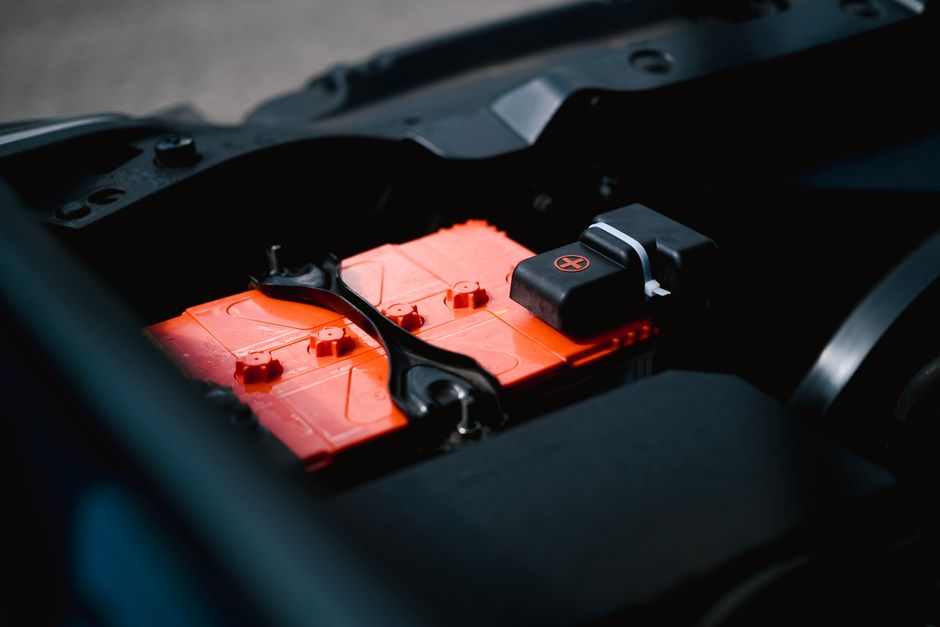
New energy forklifts rely on high-voltage batteries, which are subject to stringent regulations for transportation and use. Key areas include:
- UN 38.3: Transportation testing for lithium-ion batteries, required for air, sea, and road shipping.
- IEC 62133: Safety requirements for portable sealed secondary cells, often applied to forklift batteries.
- Directive 2014/30/EU (EMC): Electromagnetic compatibility for chargers and battery systems.
- UL 2580: Batteries for use in electric vehicles, including forklifts.
Practical tip: Ensure your battery supplier provides a UN 38.3 test summary and that the battery management system (BMS) complies with regional safety standards.
Environmental and Recycling Regulations
Many countries have extended producer responsibility (EPR) laws for batteries and electronic waste. For example:
- EU Battery Regulation (2023): Requires carbon footprint declarations, recycled content, and end-of-life collection schemes.
- WEEE Directive (EU): Applies to electrical and electronic equipment, including chargers and controllers.
- California’s SB 1215: Requires recycling plans for lithium-ion batteries.
To comply, maintain documentation on battery materials, recyclability, and disposal options. Consider joining a take-back program in the destination country.
Safety and Performance Testing
Before export, forklifts must undergo rigorous testing to prove they meet safety standards. Common tests include:
- Stability Test: According to ISO 22915 or ANSI/ITSDF B56.1.
- Brake Performance: Per ISO 6292 or EN 1175.
- Electrical Safety: Insulation resistance, dielectric strength, and earth continuity checks.
- EMC Testing: Radiated and conducted emissions per EN 12895 or FCC Part 15.
It is advisable to work with accredited testing laboratories (e.g., TÜV, SGS, Intertek) to obtain recognized test reports.
Documentation and Labeling Requirements
Proper documentation is critical for customs clearance and market access. Essential documents include:
- Declaration of Conformity (DoC): A formal statement that the product meets applicable EU directives.
- Technical File: Contains design drawings, risk assessment, test reports, and user manuals.
- User Manual: Must be translated into the local language(s) of the target market.
- CE/UL Label: Permanently affixed to the forklift, showing certification marks and relevant ratings.
- Battery Label: Includes UN number, voltage, capacity, and handling precautions.
Practical tip: Use digital tools to manage version control of technical files and ensure all translations are certified.
Country-Specific Export Considerations
European Union
Compliance with the Machinery Directive 2006/42/EC and the new Regulation (EU) 2023/1230 (effective 2025) is mandatory. Additionally, the Low Voltage Directive and EMC Directive apply. For lithium-ion batteries, the Battery Regulation (2023/1542) imposes new requirements.
United States
OSHA regulations (29 CFR 1910.178) govern forklift safety. UL certification is widely accepted. For battery transport, follow 49 CFR Parts 171-180. Some states like California have additional Prop 65 warnings for certain chemicals.
China
CCC certification is required for certain forklift categories. Additionally, the Ministry of Industry and Information Technology (MIIT) may impose local content requirements. The GB/T 38893 standard covers safety of industrial lithium-ion batteries.
Middle East and Africa
Countries like Saudi Arabia require SASO certification, while South Africa mandates SABS approval. Many nations accept CE or UL reports with a local import license.
Practical Tips for Smooth Export
- Start Early: Certification processes can take 3-6 months. Plan ahead.
- Engage Local Experts: Hire a compliance consultant in the target market to navigate nuances.
- Use a Single Source for Testing: Work with a lab that offers multiple certifications (e.g., TÜV can certify for CE, UL, and other marks).
- Keep Updated: Regulations change frequently. Subscribe to updates from regulatory bodies.
- Train Your Team: Ensure sales and logistics staff understand documentation requirements.
Conclusion
Exporting new energy logistics forklifts is a rewarding but demanding endeavor. By understanding the key regulations, preparing thorough documentation, and partnering with experienced testing and certification bodies, you can successfully bring your products to global markets. Remember that compliance is not a one-time task—it requires ongoing monitoring and adaptation. As the industry evolves, staying ahead of regulatory changes will give you a competitive edge.
No more
More operations
All solutions Other solutions
Quote this operation
Request a quote