
Solution
New Energy Forklifts: Boost Supply Chain Sustainability
Discover how new energy forklifts enhance supply chain sustainability with zero emissions, lower costs, and higher efficiency. Learn practical tips for transitioning your fleet.
The Growing Importance of Sustainable Supply Chains
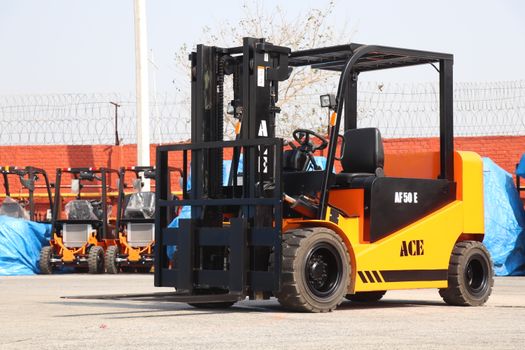
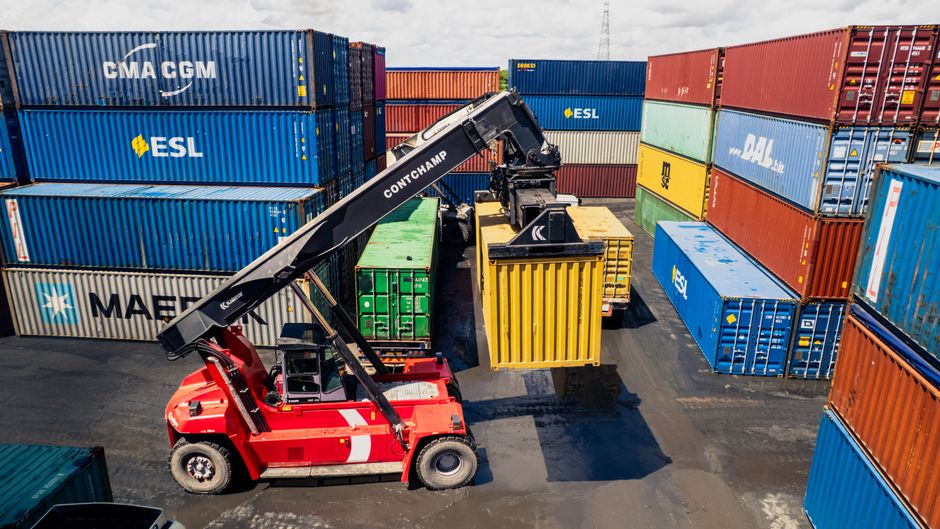
In today's global economy, supply chain sustainability is no longer a luxury—it's a necessity. Companies are under increasing pressure from consumers, regulators, and investors to reduce their carbon footprint and adopt environmentally friendly practices. One of the most impactful changes a business can make is transitioning its material handling equipment from traditional internal combustion (IC) forklifts to new energy forklifts, such as electric, hydrogen fuel cell, or lithium-ion battery-powered models. These modern forklifts not only reduce emissions but also offer operational benefits that directly contribute to a greener, more efficient supply chain.
What Are New Energy Forklifts?
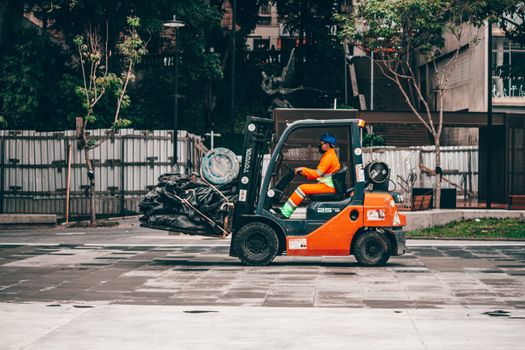
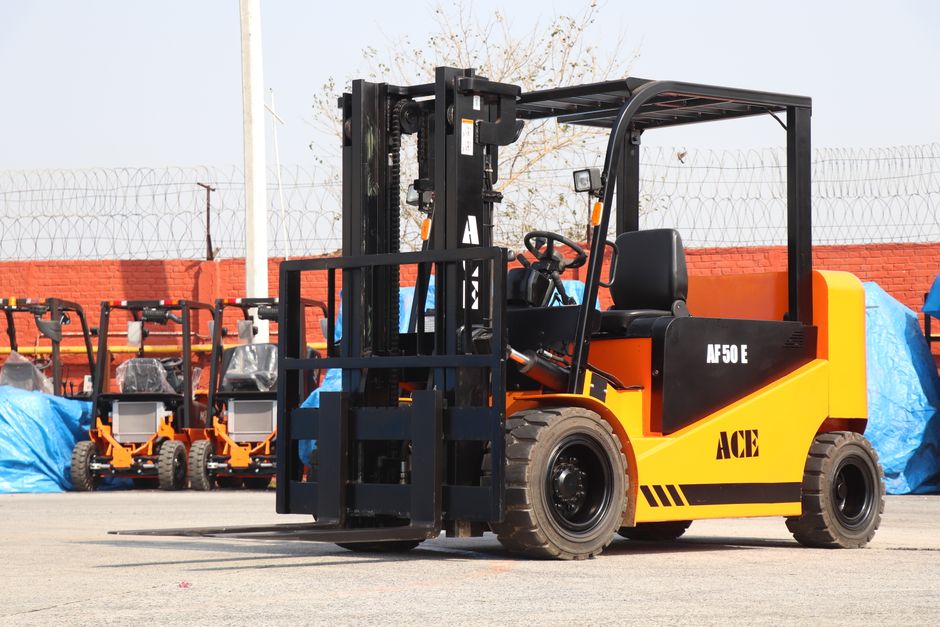
New energy forklifts refer to material handling equipment powered by alternative energy sources instead of fossil fuels. The most common types include:
- Electric Forklifts: Powered by lead-acid or lithium-ion batteries, these are zero-emission at the point of use and are ideal for indoor operations.
- Hydrogen Fuel Cell Forklifts: These use hydrogen gas to generate electricity, producing only water vapor as a byproduct. They offer fast refueling and consistent power.
- Lithium-Ion Forklifts: A subtype of electric forklifts, lithium-ion batteries provide longer life, faster charging, and higher energy density compared to traditional lead-acid batteries.
Each type has its unique advantages, but all contribute to reducing environmental impact and improving supply chain sustainability.
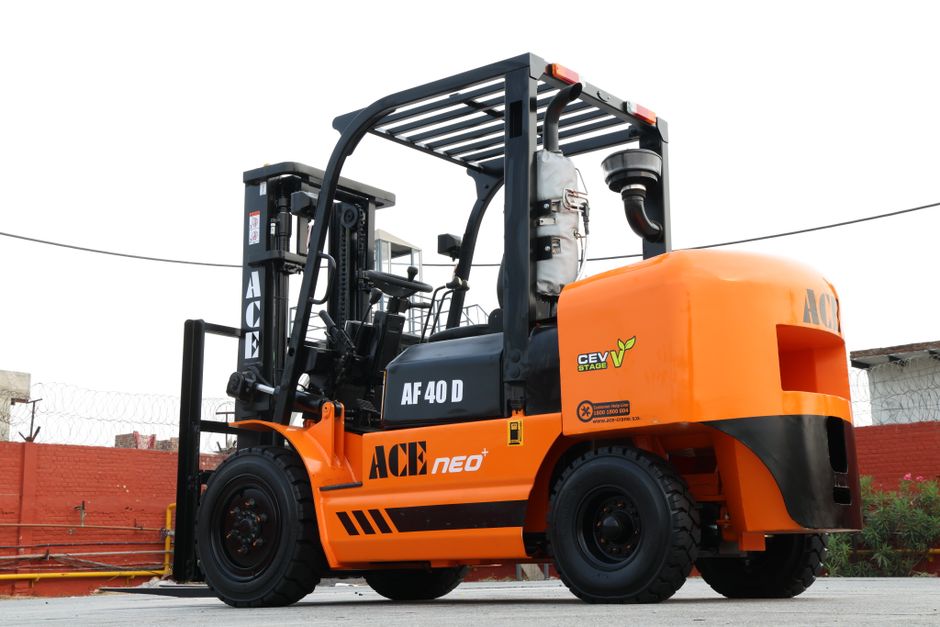
Key Environmental Benefits of New Energy Forklifts
Zero Emissions at Point of Use
Electric and hydrogen fuel cell forklifts produce no tailpipe emissions. This eliminates harmful pollutants like carbon monoxide, nitrogen oxides, and particulate matter, improving air quality in warehouses and distribution centers. For companies aiming for carbon neutrality, this is a critical step.
Lower Carbon Footprint
Even when accounting for electricity generation, electric forklifts typically have a lower lifecycle carbon footprint than IC forklifts. As the grid becomes greener with more renewable energy, this advantage grows. Hydrogen fuel cell forklifts can also be powered by green hydrogen, making them nearly carbon-neutral.
Reduced Noise Pollution
New energy forklifts operate much more quietly than their diesel or LPG counterparts. This creates a safer, more comfortable working environment and allows for night-time operations in noise-sensitive areas.
Operational Efficiency and Cost Savings
Beyond environmental benefits, new energy forklifts offer tangible operational advantages:
- Lower Energy Costs: Electricity and hydrogen are often cheaper per unit of work than diesel or propane. With proper charging infrastructure, total energy costs can be reduced by 20-30%.
- Reduced Maintenance: Electric motors have fewer moving parts than internal combustion engines, leading to less frequent maintenance and lower repair costs. No oil changes, no fuel filters, no exhaust system repairs.
- Higher Uptime: Lithium-ion batteries can be opportunity charged during breaks, eliminating the need for battery swaps. Hydrogen fuel cells refuel in minutes, similar to diesel. This maximizes forklift availability.
- Longer Lifespan: Lithium-ion batteries often last 2-3 times longer than lead-acid batteries, and electric forklifts generally have a longer service life than IC models.
How New Energy Forklifts Enhance Supply Chain Sustainability
Integrating new energy forklifts into your fleet can positively impact every stage of the supply chain:
Warehousing and Distribution
In warehouses, electric forklifts improve indoor air quality and reduce noise, enhancing worker safety and productivity. They also enable automated guided vehicle (AGV) integration, further optimizing material flow and reducing energy waste.
Manufacturing
In manufacturing plants, new energy forklifts can be used in lean production systems with just-in-time delivery. Their reliability and low maintenance support continuous operations without unexpected downtime.
Retail and E-commerce
For retail and e-commerce fulfillment centers, the fast charging and high uptime of lithium-ion forklifts are crucial for meeting tight delivery windows. The sustainability aspect also aligns with the values of eco-conscious consumers.
Practical Tips for Transitioning to New Energy Forklifts
Making the switch requires careful planning. Here are actionable steps:
- Conduct a Fleet Audit: Analyze your current forklift usage, duty cycles, and energy consumption to determine which applications are best suited for electric or hydrogen fuel cell models.
- Assess Charging Infrastructure: Evaluate your facility's electrical capacity. For lithium-ion, you may need additional charging stations. For hydrogen, consider on-site hydrogen generation or delivery logistics.
- Calculate Total Cost of Ownership (TCO): Compare the upfront cost of new energy forklifts with long-term savings from energy, maintenance, and incentives. Many governments offer tax credits or grants for green equipment.
- Pilot a Few Units: Start with a small deployment to test performance in your specific environment. Monitor uptime, energy consumption, and operator feedback.
- Train Operators and Technicians: Provide training on proper charging procedures, battery care (for lithium-ion), and safety protocols for hydrogen systems.
- Plan for Battery End-of-Life: Ensure you have a recycling or disposal plan for batteries. Lithium-ion batteries can be recycled to recover valuable materials.
Comparing New Energy Forklift Types: A Quick Reference
| Feature | Electric (Lead-Acid) | Electric (Lithium-Ion) | Hydrogen Fuel Cell |
|---|---|---|---|
| Emissions | Zero tailpipe | Zero tailpipe | Zero tailpipe (water vapor) |
| Energy Cost | Low | Low | Medium |
| Refuel/Charge Time | 8+ hours (swap) | 1-2 hours (opportunity) | 3-5 minutes |
| Battery Life | 1,500 cycles | 3,000+ cycles | N/A (fuel cell stack) |
| Maintenance | Moderate | Low | Low |
| Best For | Single-shift, low intensity | Multi-shift, high intensity | Continuous, heavy-duty |
Future Trends in New Energy Forklifts
The industry is rapidly evolving. Key trends include:
- Smart Charging: IoT-enabled chargers that optimize energy use based on grid demand and electricity prices.
- Battery-as-a-Service: Leasing batteries to reduce upfront costs and ensure proper recycling.
- Hydrogen Infrastructure Expansion: More refueling stations and on-site electrolysis making hydrogen more accessible.
- Autonomous Integration: New energy forklifts are ideal for AGVs due to their clean operation and precise power control.
Conclusion
New energy forklifts are a cornerstone of sustainable supply chains. They deliver environmental benefits, operational efficiency, and cost savings that go beyond compliance. By transitioning your fleet, you not only reduce your carbon footprint but also future-proof your operations against rising energy costs and stricter regulations. Start your journey today with a pilot program and experience the difference firsthand.
More operations
All solutions Other solutions
Quote this operation
Request a quote