
Introduction
Exporting brush manufacturing equipment requires a strategic approach to navigate international markets, regulatory compliance, and logistics. This guide provides actionable insights for B2B manufacturers to successfully export brush machines, including bristle insertion machines, drilling machines, and trimming machines. Learn how to identify target markets, meet certification standards, and build lasting relationships with global buyers.
Understanding the Brush Manufacturing Equipment Market
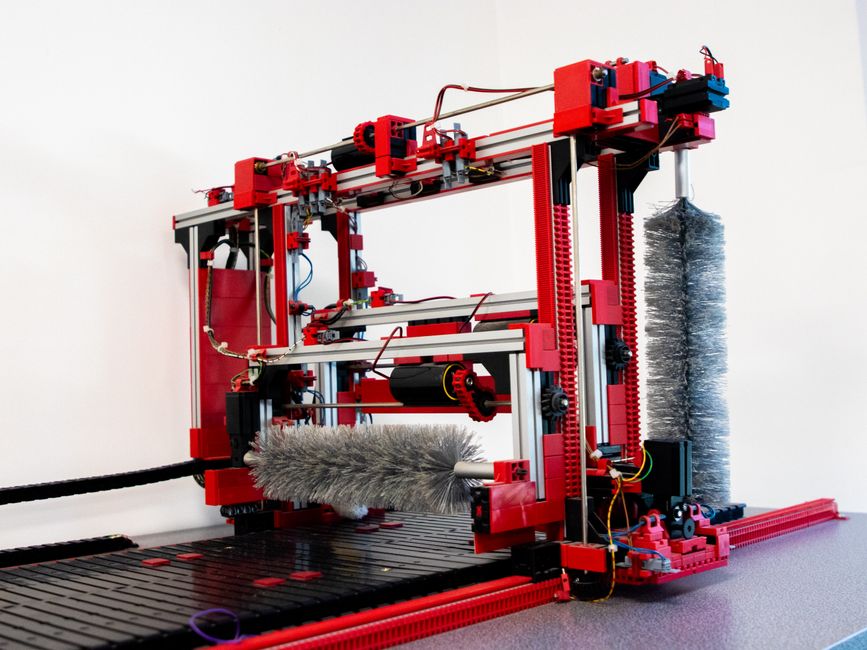
The global brush industry spans toothbrushes, industrial brushes, paintbrushes, and cosmetic brushes. Each segment demands specific machinery: bristle tufting machines, automatic drilling and filling machines, and finishing equipment. Key markets include Southeast Asia (Vietnam, China), Europe (Germany, Italy), and North America (USA, Mexico). Identify demand trends by analyzing trade shows, industry reports, and government export data.
Market Research Tips
- Use Trade Map or ITC data to identify top importers of brush-making machinery (HS code 8479.89).
- Attend events like Interbrush (Europe) or Canton Fair (China) to network.
- Study local competition: many Asian countries prefer cost-effective semi-automatic machines, while European buyers seek high-speed fully automated lines.
Regulatory Compliance and Certifications
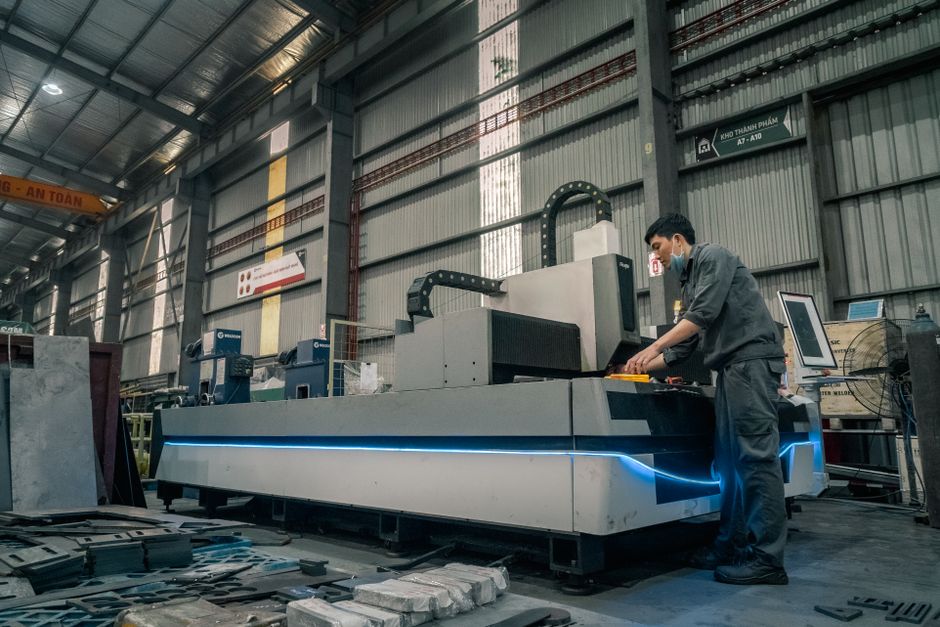
Exporting machinery requires adherence to destination country regulations. Common certifications include CE marking (Europe), UL (USA), and EAC (Eurasian Economic Union). For brush machines, safety standards like ISO 12100 (risk assessment) and electrical safety (IEC 60204) are critical. Prepare technical files, declaration of conformity, and user manuals in local languages.
| Region | Required Certification | Key Standards |
|---|---|---|
| European Union | CE Marking | Machinery Directive 2006/42/EC |
| USA | UL, OSHA | NFPA 79, ANSI B11 |
| Russia/CIS | EAC | TR CU 010/2011 |
Logistics and Shipping Considerations
Brush machines are heavy and bulky. Choose between FCL (full container load) or LCL (less than container). Use fumigated wooden crates for export. Incoterms: FOB (Free on Board) is common for first-time exporters. Partner with a freight forwarder experienced in machinery. Consider marine insurance for high-value equipment.
Packaging Best Practices
- Disassemble large parts to fit container dimensions.
- Use desiccant packs and VCI paper to prevent rust.
- Label boxes with part numbers and include assembly instructions.
Pricing Strategy and Payment Terms
Competitive pricing requires factoring in production cost, R&D, warranty, and after-sales service. Offer tiered pricing for different markets: basic models for price-sensitive regions, premium for high-tech buyers. Payment terms: request 30% deposit via T/T, 70% before shipment. For new clients, consider letter of credit (L/C) or trade assurance.
Building an Online Presence for B2B Leads
Create a professional website with product pages, technical specs, videos, and case studies. Optimize for keywords like "brush making machine exporter" and "automatic tufting machine". Use B2B platforms: Alibaba, Made-in-China, and Global Sources. Invest in Google Ads targeting importers. Publish articles like this to demonstrate expertise.
After-Sales Service and Support
Offer remote troubleshooting via video calls, spare parts catalog, and annual maintenance contracts. Train local agents or hire regional service engineers. Provide extended warranty options. Positive reviews on trade platforms build trust.
Conclusion
Exporting brush manufacturing equipment successfully demands thorough market research, regulatory compliance, efficient logistics, and robust after-sales support. By following these guidelines, you can establish a strong foothold in global markets and grow your B2B export business.