

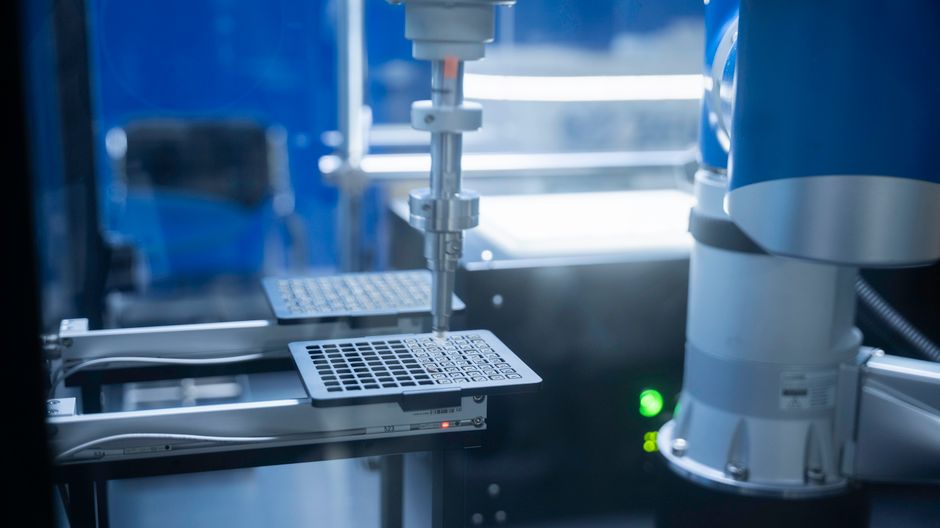
1. AI-Powered Precision Control Systems
In 2025, brush making machines are increasingly integrated with artificial intelligence to achieve unparalleled precision. AI algorithms analyze material properties and adjust trimming, tufting, and finishing parameters in real time. This reduces waste and ensures consistent quality across large production runs.
Manufacturers can now input desired bristle density, trim shape, and stiffness, and the machine self-optimizes. This technology also enables predictive maintenance, alerting operators before parts fail, minimizing downtime. For B2B buyers, this means higher yield and lower total cost of ownership.
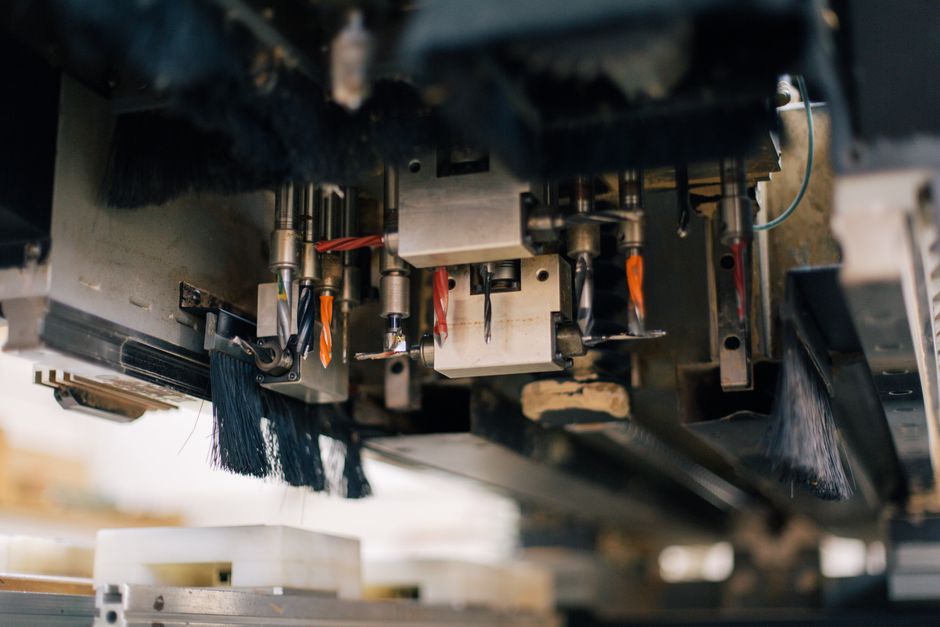
2. Fully Automated Tufting with Vision Inspection
Vision-guided tufting systems have become standard in 2025. High-resolution cameras scan the brush block, detecting any defects or misalignments before tufting begins. This ensures every hole is filled correctly, reducing manual rework.
The system automatically adjusts tufting depth and angle based on real-time feedback. Combined with robotic arm loading, this creates a seamless, lights-out production capability. Companies can run 24/7 with minimal human intervention, drastically increasing output while maintaining zero-defect quality.

3. Eco-Friendly Material Handling and Waste Reduction
Sustainability is a top priority. The latest brush machines incorporate closed-loop recycling of bristle trimmings and plastic waste. Excess material is collected, sorted, and reintroduced into the production cycle, reducing raw material costs and environmental impact.
Energy consumption has also been optimized through servo-driven motors and regenerative braking systems. These machines use up to 30% less electricity compared to models from just two years ago. For B2B manufacturers, this translates to lower operating expenses and compliance with stricter global environmental regulations.
4. Multi-Material Compatibility and Quick Changeover
Modern brush making machines can handle a wider range of materials than ever before—from natural boar bristle to advanced synthetic fibers like PBT and nylon. Tool-less changeover systems allow switching between materials in under 10 minutes, enabling flexible production runs.
This is crucial for B2B suppliers who need to serve diverse industries—from personal care to industrial cleaning. The ability to produce small batches of specialty brushes economically opens new market opportunities without sacrificing efficiency.
5. IoT-Enabled Remote Monitoring and Diagnostics
All new brush machines come with built-in IoT connectivity. Operators can monitor machine performance, production counts, and maintenance schedules from a smartphone or tablet. Cloud-based dashboards provide real-time analytics and historical data.
Remote diagnostics allow technicians to troubleshoot issues without being on-site, reducing service costs and downtime. For international buyers, this means faster support and the ability to optimize production across multiple factories from a central location.
6. High-Speed Trimming with Laser Precision
Laser trimming technology has replaced traditional mechanical cutters in high-end brush machines. Lasers provide cleaner cuts, no frayed edges, and can shape bristles into complex profiles (e.g., tapered, rounded, or angled). Speeds have increased by 40% while maintaining micron-level accuracy.
This is particularly beneficial for toothbrushes and cosmetic brushes where tip shape affects performance. B2B clients can differentiate their products with superior finishing, justifying premium pricing.
7. Modular Design for Scalability
Manufacturers now offer modular brush making lines that can be expanded as demand grows. A basic tufting cell can be upgraded with additional stations for trimming, polishing, and packaging without replacing the entire system.
This approach reduces initial capital investment and allows gradual automation. For growing brush companies, modularity provides a clear upgrade path, protecting their investment and ensuring they can scale production efficiently.
8. Advanced Safety and Compliance Features
Safety remains paramount. 2025 models include light curtains, interlocked guards, and emergency stop systems that meet the latest ISO and CE standards. New ergonomic designs reduce operator strain, with adjustable heights and touchscreen interfaces.
Compliance with global safety regulations is automated—machines can self-diagnose and log safety checks. This simplifies audits and helps B2B buyers maintain certifications required by their own customers.
9. Integrated Packaging and Labeling
The latest brush making machines can be configured with inline packaging modules. After trimming and inspection, brushes are automatically counted, packed into boxes, and labeled with barcodes or RFID tags. This eliminates separate packaging lines and reduces labor.
For high-volume operations, this integration can cut production time by 20%. It also improves traceability, which is essential for quality control and recall management in regulated industries like medical brushes.
10. Data-Driven Quality Assurance with Blockchain
Blockchain technology is being used to create immutable records of each brush's production history. Sensors record every parameter—material batch, temperature, humidity, machine settings—and store it on a distributed ledger.
This provides complete transparency for clients who require proof of origin or compliance. In case of defects, root cause analysis is instant. For B2B relationships, this builds trust and can be a decisive factor in winning contracts with large retailers or medical device companies.
These ten advancements represent the cutting edge of brush making technology in 2025. By adopting these innovations, manufacturers can achieve higher quality, lower costs, and greater flexibility—essential for staying competitive in the global B2B market.