Introduction to Customizing Nail Making Machines
In the competitive world of B2B manufacturing, customization is key to meeting specific production needs. For foreign trade buyers, a standard nail making machine may not always fit the bill—whether due to different nail specifications, production speeds, or local regulations. This guide explores the possibilities and limitations of customizing a nail making machine, helping you make an informed decision for your business.
What Can Be Customized on a Nail Making Machine?
Customization options vary by manufacturer, but many offer flexibility in several core areas:
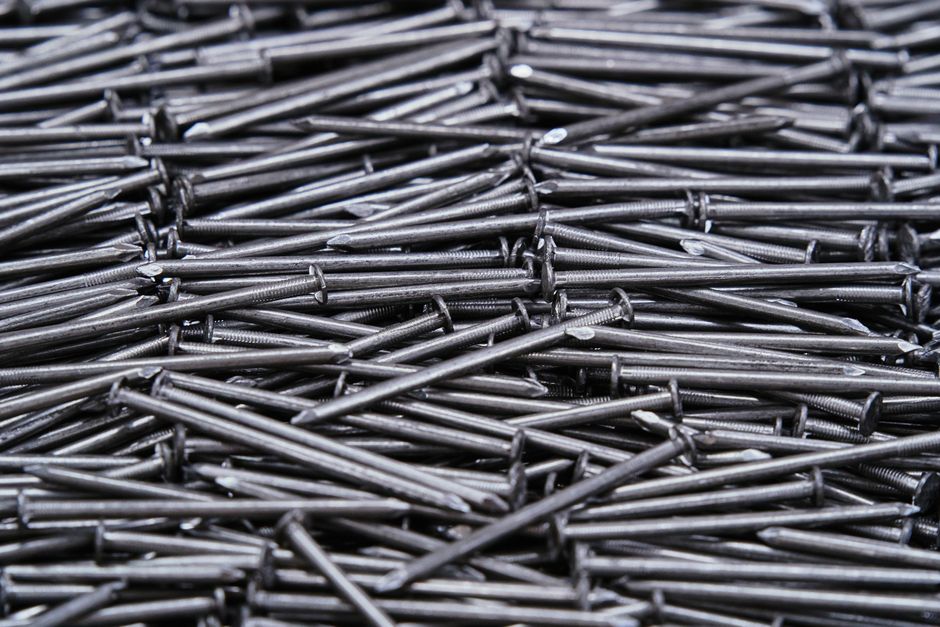
- Nail Dimensions: Adjust the machine to produce nails of different diameters, lengths, and head shapes (e.g., flat head, sinker, or ring shank).
- Production Speed: Modify the motor and drive system to increase or decrease output per minute.
- Material Compatibility: Adapt the machine for various wire materials like low-carbon steel, stainless steel, or aluminum.
- Coating and Finishing: Integrate additional modules for galvanizing, heat treatment, or polishing.
- Automation Level: Add PLC controls, sensors, or robotic arms for higher automation.
- Power Supply: Customize voltage and frequency to match local electrical standards (e.g., 220V/60Hz).
Factors That Limit Customization
While customization is possible, some constraints exist:
- Engineering Complexity: Major changes like altering the nail-forming mechanism may require extensive R&D and increase costs.
- Minimum Order Quantities (MOQs): Some manufacturers require a minimum number of machines for custom builds.
- Lead Time: Custom machines often take longer to design and produce—expect 6–12 weeks.
- Cost: Customization can add 10–50% to the base price, depending on complexity.
Step-by-Step Process to Customize a Nail Making Machine
- Define Your Requirements: Specify nail type, size, material, and production volume.
- Consult with Manufacturers: Share your specs and ask for feasibility and quotes.
- Review Technical Drawings: Ensure the design meets your needs before production.
- Agree on Timeline and Payment Terms: Include milestones for progress payments.
- Factory Acceptance Test (FAT): Visit the factory or request a video test to verify performance.
- Shipping and Installation: Arrange logistics and on-site setup support.
Popular Customization Examples in Foreign Trade
| Customization | Example | Benefit |
|---|---|---|
| Dual-head nail production | Machine produces two different nail sizes simultaneously | Flexibility for diverse orders |
| High-speed variant | Increase from 400 to 600 nails/min | Higher output for large contracts |
| Stainless steel conversion | Retool for harder wire materials | Enter premium market segments |
| Integrated counting and packaging | Add weigh station and bagging unit | Reduced labor costs |
Cost Considerations
Customization costs can vary widely. A basic modification like changing nail length may cost $500–$2,000, while a full redesign for high-speed production could exceed $20,000. Always request a detailed breakdown: engineering fees, parts, labor, and testing. Negotiate bundled deals if ordering multiple machines.
Choosing the Right Manufacturer for Customization
Not all manufacturers offer true customization. Look for:
- Experience in foreign trade: Familiarity with international standards and shipping.
- In-house engineering team: Ability to design and test custom solutions.
- References and case studies: Previous successful custom projects.
- Warranty and support: At least 12 months warranty and remote troubleshooting.
Conclusion
Yes, you can customize a nail making machine—but with careful planning. Start by clearly defining your needs, consult experienced manufacturers, and budget for additional costs. Customization can give you a competitive edge in foreign markets, enabling you to produce specialized nails that command higher prices. Ready to discuss your custom machine? Contact our team today.