1. Wear Proper Personal Protective Equipment (PPE)
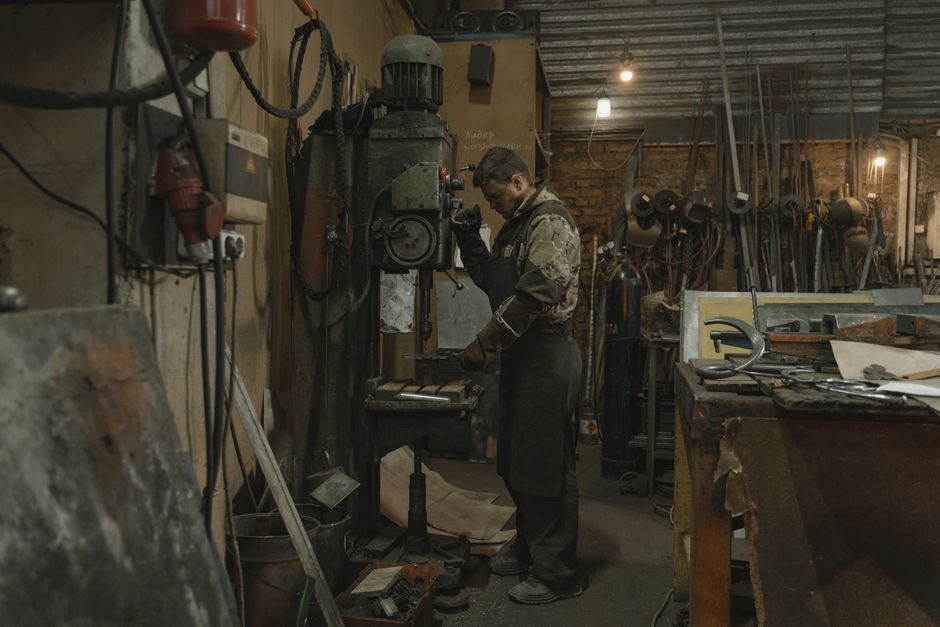
Personal protective equipment is the first line of defense against injuries. Operators should always wear safety glasses or goggles to protect against flying metal shards and debris. Hearing protection, such as earplugs or earmuffs, is essential due to the high noise levels generated by nail making machines. Additionally, steel-toed boots prevent foot injuries from falling materials, and gloves should be worn when handling raw wire or finished nails, but never near moving parts to avoid entanglement.
It is crucial that all PPE meets relevant safety standards (e.g., ANSI or CE). Employers must provide proper training on how to wear and maintain PPE. Regular inspections should be conducted to ensure equipment is not damaged or worn out. A PPE checklist near the machine can remind operators to gear up before starting work.
Remember: PPE is not optional. Even a minor oversight can lead to serious injury. Make it a habit to check your gear every time you enter the production area.
2. Conduct Pre-Operation Machine Inspections
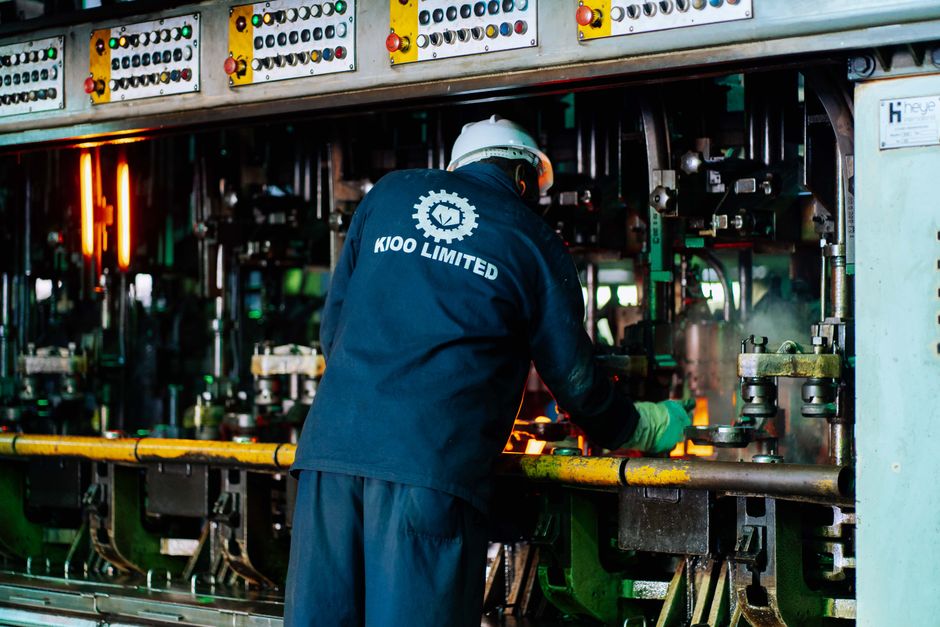
Before starting the nail making machine, perform a thorough inspection. Check for loose bolts, worn belts, or damaged guards. Ensure all safety interlocks are functional and that emergency stop buttons are easily accessible. Look for any oil or coolant leaks that could create slip hazards. Verify that the wire feeding mechanism is clear of obstructions.
Inspect the cutting dies and forming tools for wear or cracks. Damaged tools can cause machine jams or produce defective nails, increasing the risk of kickback. Keep a logbook to record daily inspections and any issues found. This practice not only improves safety but also extends machine life.
If any defect is identified, tag the machine and report it immediately. Never operate a machine that is not in perfect working condition. A few minutes of inspection can prevent hours of downtime and potential accidents.
3. Follow Lockout/Tagout (LOTO) Procedures
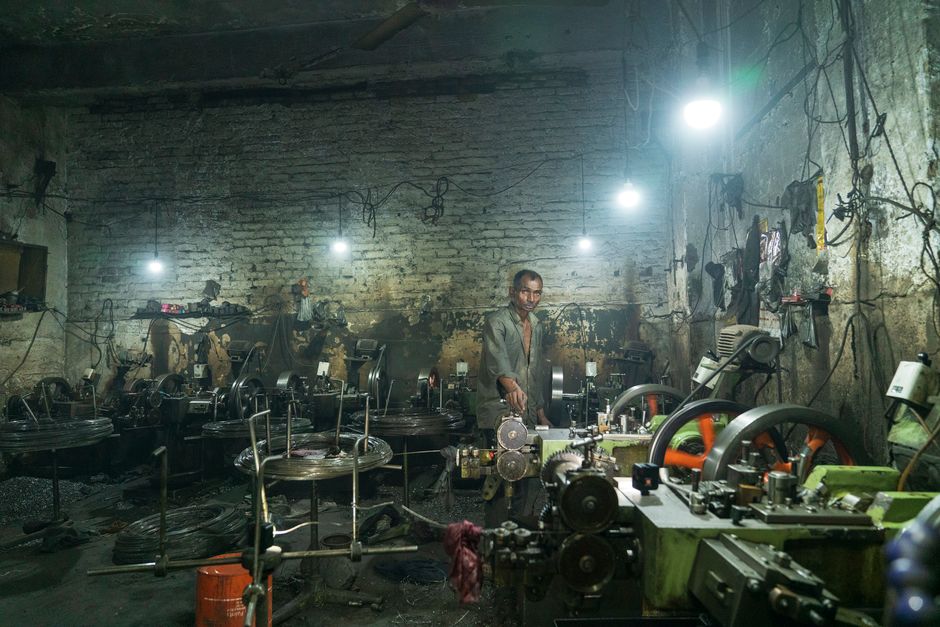
Lockout/tagout is critical during maintenance or clearing jams. Before any repair or cleaning, the machine must be completely shut down and isolated from its power source. Use a personal lock and tag to prevent accidental startup. Only the person who applied the lock should remove it.
Train all operators on LOTO procedures specific to your nail making machines. This includes identifying all energy sources (electrical, pneumatic, hydraulic) and verifying zero energy state. A written LOTO program should be posted near each machine.
Never bypass LOTO for quick fixes. Even a momentary power-up can cause severe injuries. Always double-check that all team members are clear before re-energizing the machine.
4. Keep Hands and Loose Clothing Away from Moving Parts
Nail making machines have many pinch points, rotating shafts, and reciprocating dies. Operators must never reach into the machine while it is running. Use tools like push sticks or brushes to clear scraps or adjust material. Tie back long hair and avoid wearing jewelry or loose clothing that could get caught.
Install fixed guards over all dangerous moving parts. If guards must be removed for maintenance, use LOTO and replace them immediately after. Consider adding light curtains or presence-sensing devices that stop the machine if a hand enters a hazardous zone.
Regular safety meetings should reinforce the importance of staying clear of moving parts. A momentary distraction can lead to amputation or crushing injuries. Always stay focused and alert.
5. Maintain a Clean and Organized Work Area
A cluttered workspace increases the risk of trips, slips, and falls. Keep the floor free of oil, scrap nails, and wire offcuts. Use proper containers for waste and finished product. Ensure adequate lighting so operators can see hazards clearly.
Organize tools and materials in designated areas. Avoid running extension cords or air hoses across walkways. Implement a 5S system (Sort, Set in Order, Shine, Standardize, Sustain) to maintain cleanliness. A clean environment also improves efficiency and morale.
Spills should be cleaned immediately. Use non-slip mats in areas prone to oil or coolant. Regularly inspect and maintain flooring to prevent uneven surfaces. A tidy shop is a safe shop.
6. Use Proper Material Handling Techniques
Raw wire coils and finished nail boxes can be heavy. Use mechanical aids like hoists, carts, or forklifts to move materials. Lift with your legs, not your back, and avoid twisting. Wear gloves when handling sharp nails or wire ends to prevent cuts.
Stack materials securely to prevent tipping. Do not overload shelves or racks. Ensure that wire coils are properly secured on the payoff reel to avoid sudden unwinding.
Train operators on ergonomic techniques to reduce strain injuries. Rotate tasks to avoid repetitive motion fatigue. Proper material handling protects both the worker and the product.
7. Respond Immediately to Machine Malfunctions
If the machine makes unusual noises, vibrates excessively, or produces defective nails, stop it immediately. Do not attempt to diagnose or repair while the machine is running. Report the issue to a supervisor or maintenance technician.
Common signs of malfunction include jamming, inconsistent nail length, or overheating. Keep a log of recurring problems to identify patterns. Early intervention can prevent catastrophic failures and injuries.
Operators should be trained to recognize abnormal conditions. Never override safety devices to keep production going. A stopped machine is safer than a broken one.
8. Provide Comprehensive Safety Training
All new operators must undergo thorough training on machine operation, hazard recognition, and emergency procedures. Training should include hands-on practice under supervision. Refresher courses should be held annually or when new equipment is introduced.
Document all training sessions and maintain records. Use visual aids, videos, and real-life examples to reinforce key points. Encourage operators to ask questions and report unsafe conditions without fear of reprisal.
Safety training is an investment. A well-trained operator is more productive and less likely to cause accidents. Make safety a core value of your company culture.
9. Install and Maintain Machine Guards
Machine guards are designed to protect operators from flying debris, rotating parts, and pinch points. Ensure that all guards are in place and securely fastened before operation. Never remove guards for convenience.
Regularly inspect guards for damage or wear. Replace any missing or broken guards immediately. Consider interlocking guards that stop the machine when opened. This adds an extra layer of protection.
Guards should be designed to allow visibility of the process while preventing access to hazards. If a guard obstructs necessary tasks, redesign it rather than remove it. Safety should never be compromised for speed.
10. Establish Emergency Procedures
Every operator should know the location of emergency stop buttons, fire extinguishers, and first aid kits. Conduct regular drills for scenarios like machine fires, electrical shocks, or severe injuries. Post clear emergency contact numbers near the machine.
Develop a written emergency response plan and review it with all employees. Assign roles for evacuation, first aid, and communication. Ensure that first aid kits are stocked and that designated personnel are trained in CPR and basic first aid.
Quick and correct response to an emergency can save lives. Practice until actions become automatic. Safety is everyone's responsibility.