
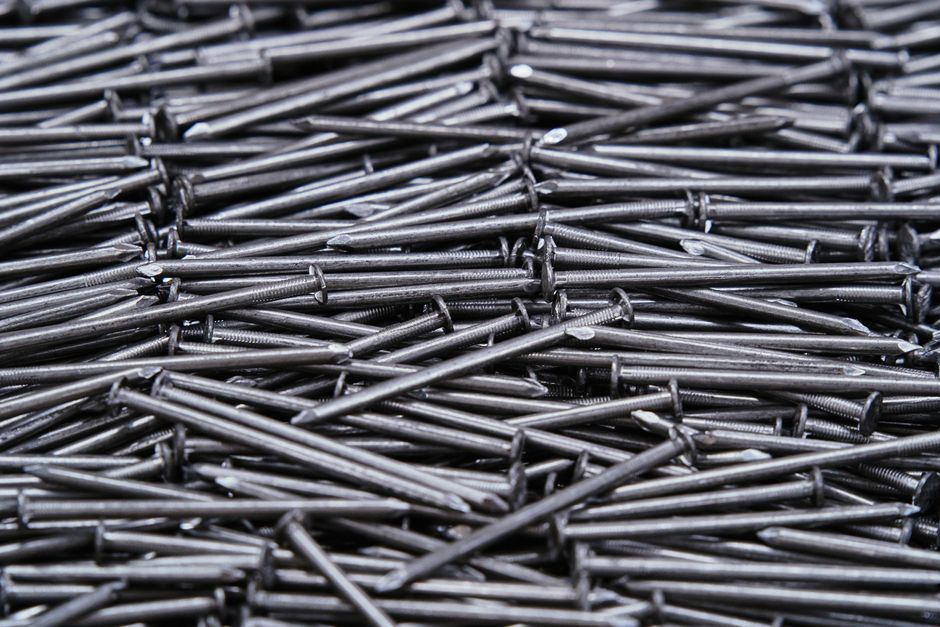
Understanding Nail Making Machine Output Per Hour
When investing in a nail making machine for your manufacturing business, one of the most critical factors to consider is its output per hour. This metric directly impacts your production capacity, order fulfillment speed, and overall profitability. In this comprehensive guide, we'll break down what you can expect from different types of nail making machines, factors that influence output, and how to optimize your production line.
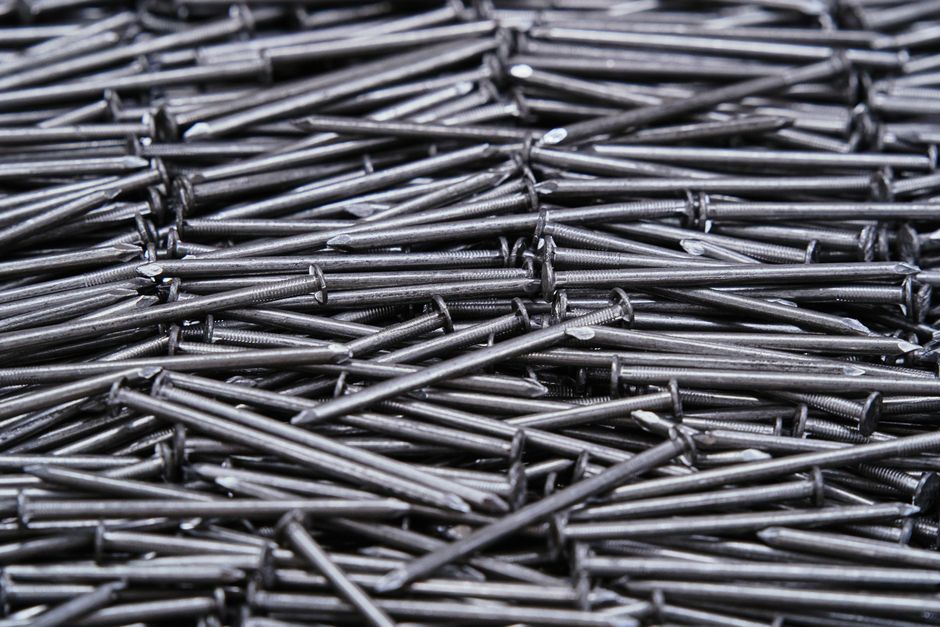
Typical Output Ranges by Machine Type
Nail making machines vary widely in their hourly output depending on their design, automation level, and nail specifications. Below is a general overview of output ranges for common machine categories:
| Machine Type | Output (nails per hour) | Common Nail Sizes |
|---|---|---|
| Single-Stage Manual | 100 - 300 | 1-3 inches |
| Semi-Automatic | 300 - 800 | 1-6 inches |
| Fully Automatic High-Speed | 800 - 1,500 | 1-6 inches |
| CNC Controlled Industrial | 1,500 - 3,000+ | 0.5-8 inches |
Note that these figures are approximate and can vary based on wire diameter, nail length, and head shape. For instance, producing 6-inch concrete nails will be slower than 1-inch common nails due to material handling and forming time.
Key Factors Affecting Output Per Hour
1. Machine Automation Level
Fully automatic machines with PLC controls and servo motors can operate continuously with minimal human intervention. They typically include automated wire feeding, cutting, heading, and collection systems, which significantly boost output. Semi-automatic machines require manual loading of wire coils and occasional adjustments, reducing effective production speed.
2. Nail Specifications
Longer nails require more wire per unit, slowing down the cycle time. Similarly, nails with complex heads (e.g., ring shank or screw shank) may need additional forming steps. For example, a machine producing 1-inch common nails might achieve 1,200 nails/hour, but the same machine could drop to 600 nails/hour for 4-inch nails.
3. Wire Quality and Diameter
Consistent wire diameter and high-quality steel reduce jams and die wear. Thicker wire (e.g., 6mm vs 2mm) requires more force and time to cut and form, lowering output. Always use wire that meets your machine's specifications.
4. Operator Skill and Maintenance
Experienced operators can optimize machine settings and quickly address minor issues. Regular maintenance—such as lubricating moving parts, sharpening cutters, and checking alignment—ensures consistent performance. A well-maintained machine can produce at rated capacity, while neglected ones may see 20-30% lower output.
How to Calculate Your Actual Production Rate
To get a realistic estimate for your specific setup, follow these steps:
- Check the machine's rated speed (strokes per minute) from the manufacturer.
- Multiply by 60 to get theoretical output per hour (if each stroke produces one nail).
- Apply efficiency factor: For manual/semi-auto, use 70-80%; for fully auto, use 85-95%.
- Adjust for nail size: For nails longer than 3 inches, reduce by 10-30%.
Example: A machine rated at 20 strokes/min with 80% efficiency yields 20 × 60 × 0.8 = 960 nails/hour for standard nails.
Practical Tips to Maximize Output
- Invest in a high-speed machine if your volume demands it. The upfront cost is offset by higher production.
- Use quality wire with consistent diameter and tensile strength to minimize downtime.
- Train operators thoroughly on machine operation and troubleshooting.
- Implement preventive maintenance schedule—daily lubrication, weekly die inspection, monthly full service.
- Optimize nail design for manufacturability—simpler heads and shorter lengths increase speed.
- Monitor production data with sensors or manual logs to identify bottlenecks.
Choosing the Right Machine for Your Needs
Consider your target market and typical order sizes. For high-volume production (e.g., 10+ tons per month), a fully automatic or CNC machine is essential. For smaller batches or diverse nail types, a semi-automatic machine offers flexibility. Always request output test data from the manufacturer for your specific nail specifications.
Conclusion
Understanding nail making machine output per hour is crucial for planning production capacity and meeting customer demands. By selecting the right machine, optimizing processes, and maintaining equipment, you can achieve consistent high output. For a tailored solution, consult with reputable manufacturers who can provide detailed performance data based on your requirements.