
Why Businesses Choose Spray Painting Canvas for Customization
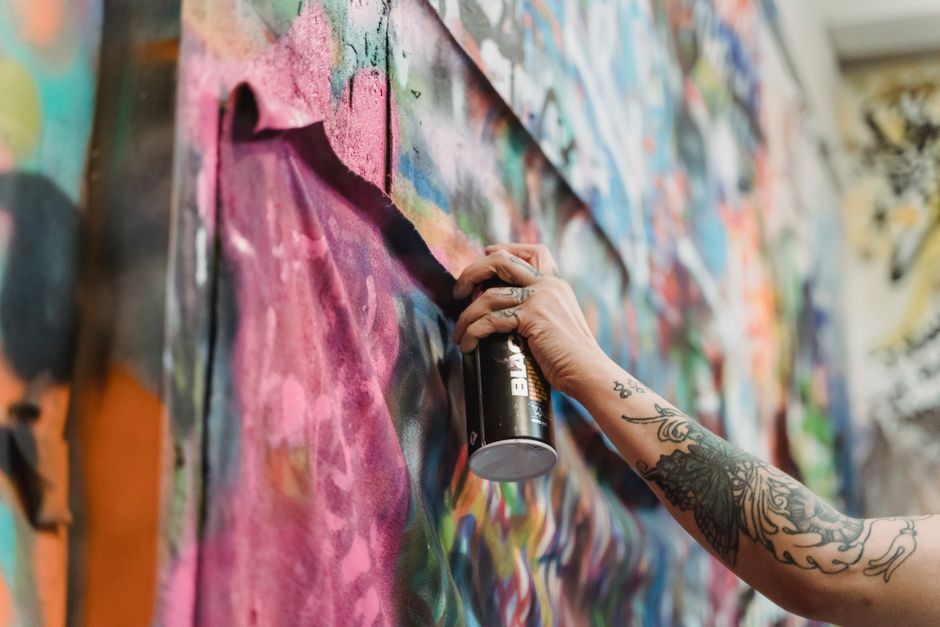
Spray painting canvas offers a unique combination of durability, texture, and vibrant color reproduction that traditional printing methods cannot match. For B2B buyers—such as interior designers, art studios, event planners, and corporate offices—custom spray-painted canvases provide a premium, handcrafted aesthetic that elevates brand identity and décor. Unlike digital prints, spray-painted canvases have depth and a tactile finish that appeals to high-end clients. Moreover, the customization process allows for unlimited color matching, gradient effects, and textured layers, making each piece a one-of-a-kind masterpiece. Businesses can leverage this service to create exclusive art collections, branded wall art for offices, or themed décor for hospitality venues. The versatility of spray painting canvas also extends to large-format installations, where seamless blending and consistent coverage are critical. By outsourcing customization to a specialized manufacturer, companies save on overhead costs while accessing industrial-grade equipment and skilled artisans. This guide explores the end-to-end process, material options, quality benchmarks, and practical tips for partnering with a spray painting canvas manufacturer.
Understanding the Spray Painting Canvas Process
Surface Preparation and Priming
Before any paint touches the canvas, proper preparation is essential. High-quality manufacturers begin by stretching the canvas over a sturdy wooden frame (typically kiln-dried pine) to ensure tension and prevent warping. The canvas is then primed with a gesso-based primer that seals the fibers and provides a uniform surface for paint adhesion. For spray painting, a fine-grit sanding may be applied to the primer to create a slightly rough texture that holds pigment better. This step is critical for achieving crisp lines and preventing paint from bleeding into the fabric.
Spray Application Techniques
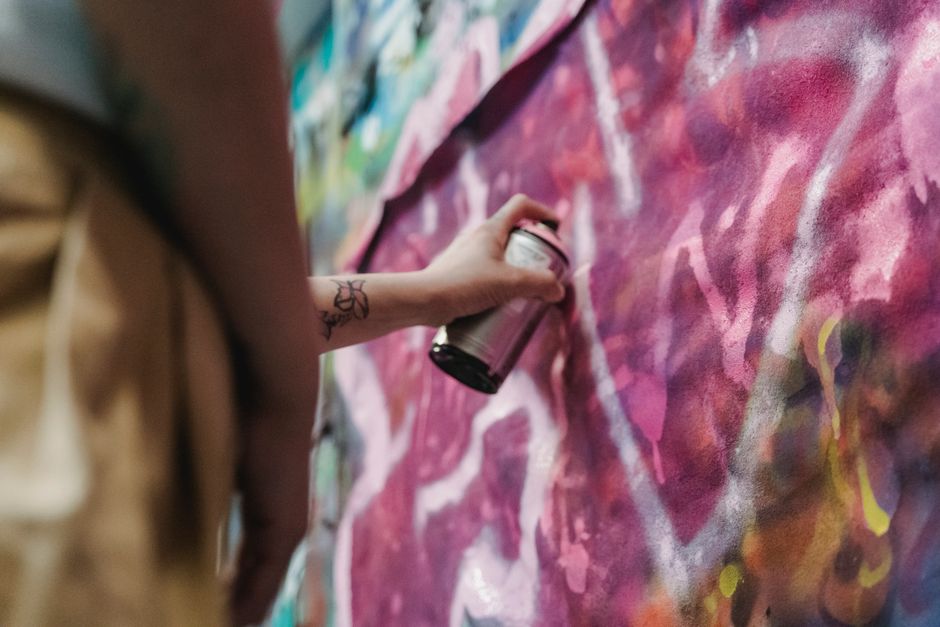
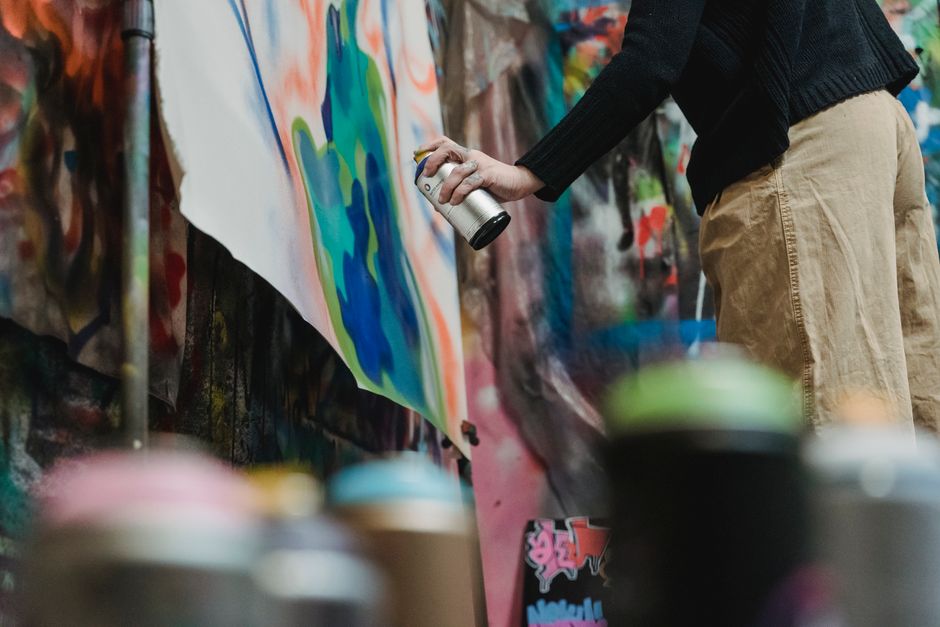
Professional spray painting uses HVLP (High Volume Low Pressure) spray guns or automated spray booths for consistent atomization. Unlike airbrushing, which is more detailed, spray painting covers larger areas efficiently. Technicians can layer multiple colors to create gradients, stencils for logos, or freehand effects. The distance from the gun to the canvas, air pressure, and paint viscosity are carefully controlled to avoid drips or uneven coverage. For multi-color designs, each layer is allowed to dry partially before the next is applied, preventing muddying. Some manufacturers also offer texture sprays that add a raised, dimensional effect.
Drying and Curing
After spraying, the canvas must dry in a dust-free environment. For water-based acrylic paints, drying can take 24-48 hours, while oil-based paints require up to a week. Curing—the chemical process that fully hardens the paint—takes additional time. Manufacturers often use climate-controlled rooms with dehumidifiers to speed up curing without compromising quality. Once cured, a protective varnish (matte, satin, or gloss) is applied to shield against UV rays, moisture, and scratches. This final coat enhances color longevity and makes the canvas easy to clean.
Key Benefits for B2B Clients
- Unlimited Customization: Pantone color matching, custom logos, and complex artwork are achievable without minimum order constraints.
- Durability: Spray-painted canvases resist fading, cracking, and peeling better than prints, especially when using UV-stable paints.
- Fast Turnaround: For bulk orders, automated spray lines can produce hundreds of units per day, with typical lead times of 5-15 business days.
- Cost-Effective for Medium to Large Orders: Unit costs decrease significantly as volume increases, making it ideal for chain stores or corporate rollouts.
- Eco-Friendly Options: Many manufacturers now use water-based, low-VOC paints and recycled canvas materials.
Materials and Their Impact on Quality
| Canvas Type | Weight | Texture | Best For |
|---|---|---|---|
| Cotton Duck | 10-12 oz | Medium tooth | General art, logos |
| Linen | 12-15 oz | Fine tooth | High-end reproductions |
| Polyester Blend | 8-10 oz | Smooth | Outdoor or humid environments |
| Recycled Cotton | 10 oz | Medium | Eco-conscious projects |
The choice of paint also matters. Acrylic spray paints are water-based, fast-drying, and low odor, making them suitable for indoor use. Oil-based sprays offer richer colors and a glossier finish but require longer drying times and proper ventilation. For outdoor installations, manufacturers may use automotive-grade paints that are weather-resistant.
Customization Options: From Logos to Full Artwork
Branding and Corporate Art
Businesses often order custom spray-painted canvases featuring their logo, tagline, or mission statement for office lobbies, conference rooms, and retail spaces. The spray technique allows for metallic or pearlescent finishes that catch light and create a premium feel. Companies can also request color-matched backgrounds to align with brand guidelines. For multiple locations, manufacturers can replicate designs consistently, ensuring brand uniformity.
Artistic Collections
Interior design firms and art galleries commission limited-edition spray-painted canvas series. Artists can work with manufacturers to translate their original paintings into reproducible spray-painted versions, maintaining the handcrafted look while enabling larger production runs. Techniques like stenciling, masking, and layering produce intricate patterns that are difficult to achieve with digital printing.
Event and Themed Décor
Event planners use spray-painted canvases for backdrops, signage, and decorative panels at weddings, trade shows, and corporate events. Because spray painting can cover large surfaces quickly, it's cost-effective for one-time or seasonal events. Custom colors and textures can mimic wood, marble, or fabric, adding a luxurious feel without the weight or cost.
Quality Control Standards to Look For
When selecting a spray painting canvas manufacturer, insist on these quality benchmarks:
- Color Accuracy: They should provide a physical color swatch before production, using spectrophotometers to match Pantone numbers within Delta E ≤ 2.
- Edge Finishing: Canvas edges should be taped, stapled, or wrapped cleanly. Mirror edges (where the image continues around the frame) add a professional touch.
- Frame Construction: Frames must be solid wood with cross-bracing for sizes over 24 inches. Avoid stretcher bars that warp easily.
- Paint Adhesion Test: A cross-hatch tape test ensures paint doesn't peel. Ask for a sample to verify.
- UV Resistance: For pieces exposed to sunlight, require UV-protective varnish and lightfastness ratings of at least 7 on the Blue Wool scale.
Practical Tips for Ordering Custom Spray-Painted Canvases
- Provide High-Resolution Artwork: Vector files (AI, EPS) or high-res PNGs (300 DPI) ensure crisp lines. For photographs, convert to CMYK if using oil paints.
- Request a Proof: Before full production, ask for a digital mockup and a physical sample if possible. Check color, scale, and alignment.
- Specify Finish: Matte finishes hide fingerprints and glare, while gloss makes colors pop. Satin is a middle ground.
- Consider Packaging: Canvas should be wrapped in acid-free tissue and bubble wrap, then boxed with corner protectors. For international shipping, ask about wooden crates.
- Check Lead Times: Inquire about peak seasons (e.g., before holidays) and plan accordingly. Rush orders may incur extra fees.
Case Study: Transforming a Corporate Office
A multinational tech company wanted to revamp its headquarters with brand-themed art. They ordered 200 spray-painted canvases in various sizes, each featuring their logo with a gradient background in corporate blue. The manufacturer used a custom stencil system to ensure logo consistency, and the spray technique allowed for a subtle metallic sheen. The project was completed in 3 weeks, and the canvases were installed across 5 floors. Employee feedback highlighted the professional, modern look that reinforced company culture. The client noted a 30% cost saving compared to hiring local artists, with faster turnaround and easier scalability.
Conclusion
Spray painting canvas customization is a powerful tool for businesses seeking unique, high-quality visual solutions. By understanding the process, material options, and quality standards, B2B buyers can forge partnerships with manufacturers that deliver consistent, stunning results. Whether for branding, décor, or art, spray-painted canvases offer a tactile richness that digital prints cannot replicate. To get started, request samples from multiple suppliers, compare lead times, and verify their ability to handle your specific customization needs. With the right partner, your business can create lasting impressions through custom spray-painted canvas art.