 English
 简体中文
简体中文 Русский
 Español
Can Dental Floss Sticks Cause Gum Damage? Facts
Can dental floss sticks cause gum damage? Learn the facts, risks, and safe usage tips to protect your gums. Read our expert FAQ guide now!
What Are Dental Floss Sticks?
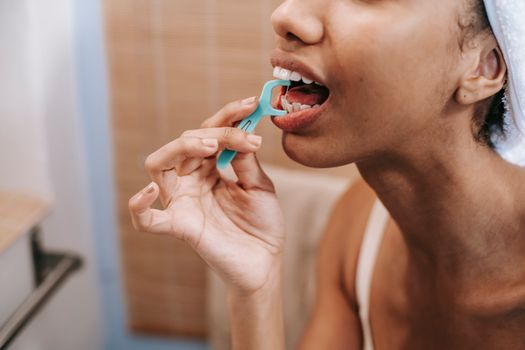
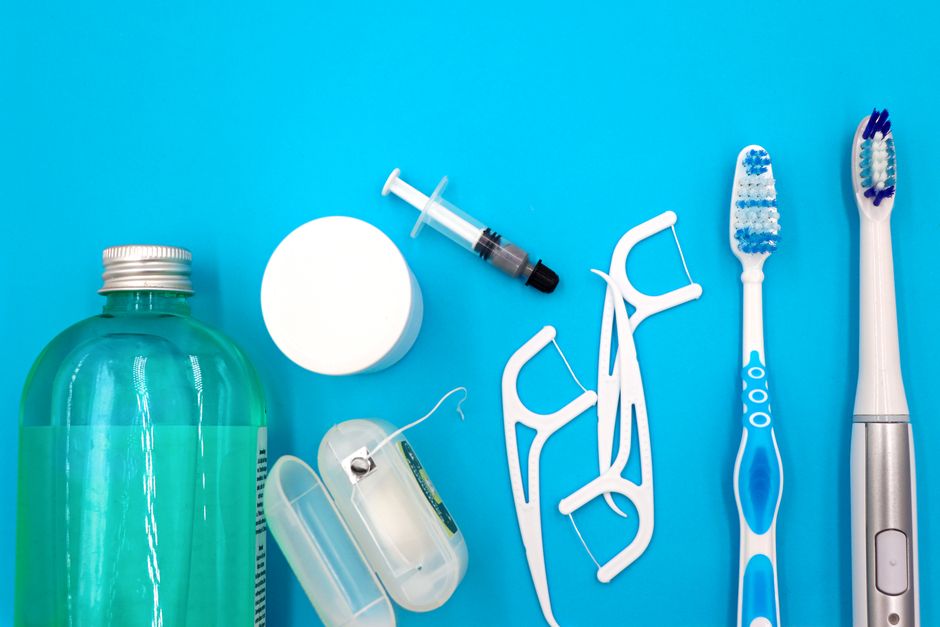
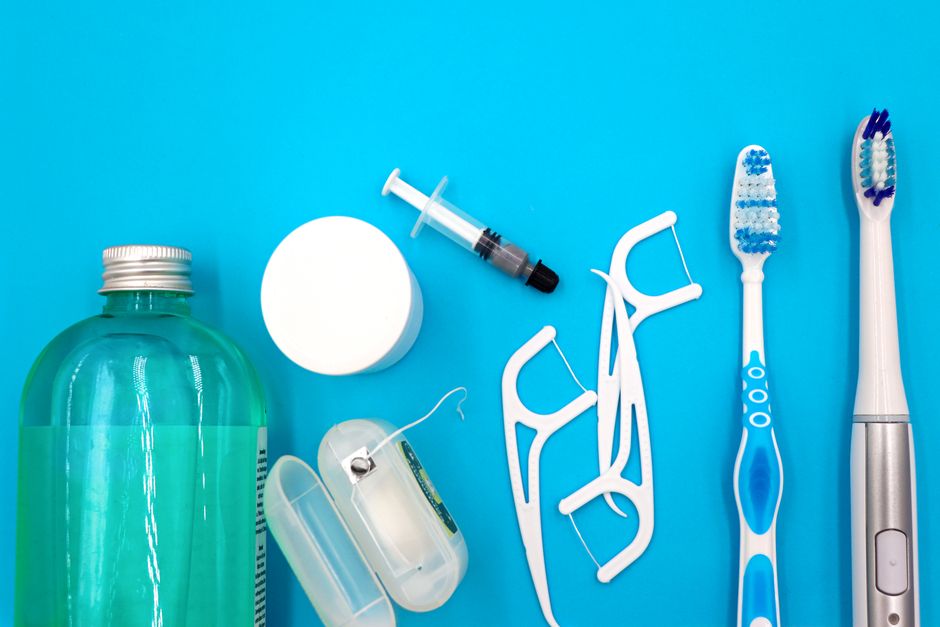
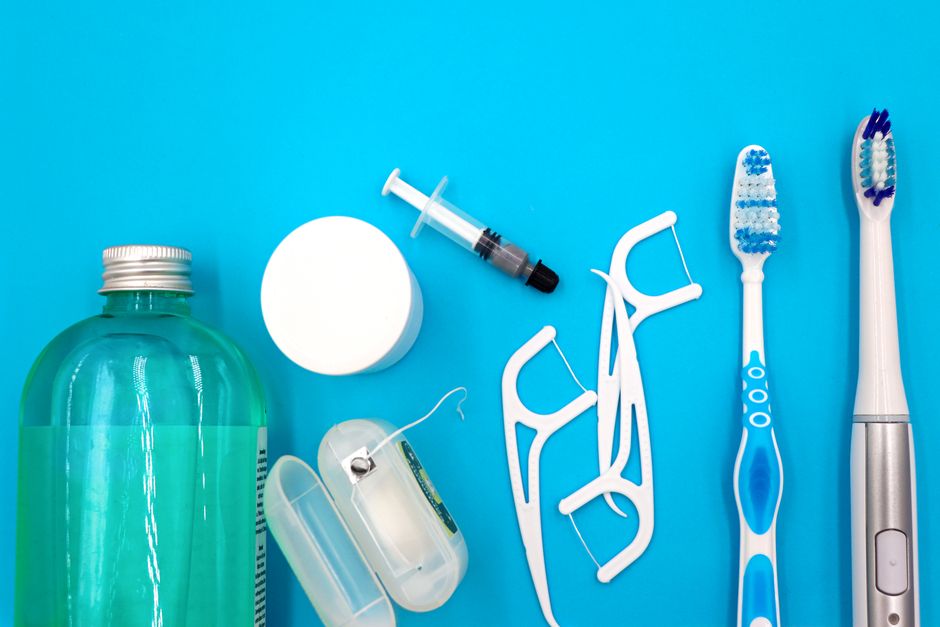
Dental floss sticks, also called floss picks or interdental flossers, are small plastic tools with a curved head holding a short piece of floss. They are designed for quick, one-handed cleaning between teeth and along the gumline. Many people use them because they are convenient, portable, and easier to handle than traditional string floss, especially for those with limited dexterity or braces.
However, because floss sticks are used differently from regular floss, questions often arise about whether they can harm the gums. The short answer is that they can cause gum damage if used incorrectly or too aggressively, but they are generally safe when used properly. Understanding the risks and best practices helps you protect your oral health.
Can Dental Floss Sticks Actually Cause Gum Damage?
Yes, dental floss sticks can cause gum damage if they are used with too much force, at the wrong angle, or too frequently. The most common injuries are gum abrasions, bleeding, and recession. Because the floss is held taut on a plastic frame, it is easy to snap it into the gum tissue instead of sliding it gently between teeth.
Another risk comes from reusing the same floss stick. The floss can become frayed, collect bacteria, and lose its smoothness, which increases the chance of irritating or cutting the gums. Additionally, some people press the plastic pick too hard against the gumline, causing localized trauma.
That said, when used correctly—gently, with a fresh stick, and following the curve of each tooth—floss sticks are a safe and effective alternative to traditional floss for many people.
What Are the Signs That a Floss Stick Is Damaging Your Gums?
Warning signs of gum damage from floss sticks include bleeding during or after flossing, redness, swelling, tenderness, and a receding gumline. You might also notice a burning sensation or see small cuts on the gums. If bleeding continues for more than a few days or if your gums feel painful, it is a signal to change your technique or switch tools.
Persistent bad breath or a bad taste in your mouth can also indicate that you are not cleaning effectively or that you have injured the gum tissue. In severe cases, untreated gum damage can lead to infection or worsening periodontal disease.
If you experience any of these symptoms, stop using the floss stick immediately and consult your dentist. They can assess the damage and recommend a gentler approach or a different interdental cleaner.
How Should You Use a Dental Floss Stick Safely?
To use a floss stick safely, start with clean hands and a fresh pick. Gently guide the floss between two teeth using a sawing motion—do not snap it down. Once the floss reaches the gumline, curve it into a C-shape around one tooth and slide it up and down a few times. Then curve it around the adjacent tooth and repeat.
Use light pressure and let the floss do the work. Avoid pressing the plastic arm against your gums. Rinse the floss stick as you go, or use a new one for each quadrant of your mouth. Never force the floss into tight spaces; if it does not glide easily, try a different angle or use a thinner floss.
Finally, be consistent but gentle. Flossing once a day is enough for most people. Over-flossing or aggressive flossing can irritate the gums more than it helps.
Are Floss Sticks Worse Than Traditional String Floss?
Floss sticks are not inherently worse than string floss, but they have some limitations. The short floss span makes it harder to wrap around the back of molars and to reach the very back of the mouth. Also, the plastic handle can make it tempting to use more force than you would with string floss.
On the other hand, floss sticks are often more effective for people who struggle with traditional floss, because they are easier to maneuver. Studies show that floss picks can remove plaque effectively when used correctly, though they may not clean as thoroughly as string floss in certain hard-to-reach areas.
The best choice is the one you will use consistently and correctly. If you have tight contacts between teeth or a history of gum disease, your dentist may recommend string floss or interdental brushes instead.
Can Reusing Floss Sticks Harm Your Gums?
Yes, reusing floss sticks can definitely harm your gums. The floss becomes frayed and less effective at removing plaque, and it can harbor bacteria that you then reintroduce into your mouth. The plastic frame may also weaken and break, potentially causing a sharp edge that can cut your gums.
Most manufacturers recommend using a floss stick once and then throwing it away. If you want to be eco-friendly, look for biodegradable floss picks or consider a reusable floss holder that allows you to replace the floss. But never reuse a disposable floss stick for more than one session.
If you notice that your floss stick looks worn, smells odd, or has visible debris, discard it immediately. Your gums will thank you.
Who Should Avoid Using Dental Floss Sticks?
People with certain dental conditions should be cautious or avoid floss sticks altogether. If you have advanced gum disease, gum recession, or very sensitive gums, the rigid plastic arm and short floss may cause more harm than good. Those with braces or dental bridges may also find floss sticks difficult to maneuver around wires and brackets.
Children should only use floss sticks under adult supervision, as they may not have the dexterity to use them gently. Individuals with temporomandibular joint (TMJ) disorders may find the wide opening required to use a floss stick uncomfortable.
If you fall into any of these categories, talk to your dentist about alternative interdental cleaners, such as soft picks, interdental brushes, or water flossers.
What Do Dentists Recommend for Safe Interdental Cleaning?
Dentists generally recommend traditional string floss as the gold standard because it allows you to wrap around each tooth and clean below the gumline precisely. However, they also recognize that floss sticks are a good option for people who otherwise would not floss.
For those who prefer floss sticks, dentists suggest choosing ones with thin, waxed floss and a flexible neck. They also emphasize using a gentle touch and replacing the stick after each use. Interdental brushes are often recommended for people with gaps between teeth or gum recession.
Ultimately, the best tool is the one you will use daily and correctly. Your dentist can help you choose based on your specific oral anatomy and gum health.
How Can You Prevent Gum Damage While Using Floss Sticks?
Prevention is simple: be gentle, be consistent, and be mindful. Use a fresh floss stick every time, guide the floss gently between teeth, and avoid snapping it against the gums. Curve the floss around each tooth and slide it up and down without pressing too hard.
If your gums bleed, take a break for a day or two and then resume with even lighter pressure. If bleeding persists, see your dentist. You can also alternate floss sticks with string floss or a water flosser to reduce repetitive stress on the gums.
Finally, keep up with regular dental checkups. Your dentist can spot early signs of gum damage and help you adjust your technique before it becomes a bigger problem.
Frequently Asked Questions (FAQ)
Can floss sticks cause gum recession?
Yes, aggressive or improper use of floss sticks can contribute to gum recession over time. The repeated trauma of snapping floss into the gumline can cause the gum tissue to pull back. Using a gentle technique and avoiding excessive force helps prevent this.
Is it okay to use a floss stick every day?
Yes, using a floss stick once a day is generally safe and beneficial. Just make sure to use a new stick each time and be gentle. Over-flossing or using too much pressure can irritate your gums.
Do floss sticks clean as well as string floss?
Floss sticks can clean well when used correctly, but they may not reach as deeply around the back of molars as string floss. For most people, they are a convenient and effective alternative, especially if they help you floss more regularly.
What should I do if my gums bleed after using a floss stick?
Mild bleeding can happen if you are new to flossing or if your gums are inflamed. If bleeding continues for more than a few days or is heavy, stop using the floss stick and consult your dentist. You may need a softer approach or a different tool.
Are there eco-friendly floss stick options?
Yes, many brands now offer biodegradable floss sticks made from cornstarch or bamboo with silk or plant-based floss. These are better for the environment while still providing the convenience of a floss pick.
Can floss sticks damage dental work like crowns or fillings?
Floss sticks can potentially catch on rough edges of fillings or crowns and cause damage if you pull too hard. Use a gentle sawing motion and avoid snapping the floss. If you have dental work, ask your dentist about the best interdental cleaner for your needs.
Should children use dental floss sticks?
Children can use floss sticks with adult supervision, but they should be taught to use them gently. Floss sticks can be easier for small hands to manage, but improper use can still hurt young gums.
What is the best way to store floss sticks?
Store floss sticks in a clean, dry container away from moisture and bacteria. Do not leave them in a bathroom drawer where they can collect dust or germs. Always use a fresh stick from a sealed package.
Conclusion
Dental floss sticks are a convenient and effective tool for cleaning between teeth, but they can cause gum damage if used improperly. By using a gentle technique, replacing the stick after each use, and paying attention to your gum health, you can enjoy the benefits without the risks. If you have concerns about your gums, talk to your dentist about the best interdental cleaning routine for you.
Tell us your market and volume — we send product suggestions, samples and pricing.