 English
 简体中文
简体中文 Русский
 Español
Dental Floss Sticks With Fluoride: Benefits & Top Picks
Discover the benefits of dental floss sticks with fluoride and our top picks for 2025. Improve your oral care routine today!
1. What Are Dental Floss Sticks With Fluoride?
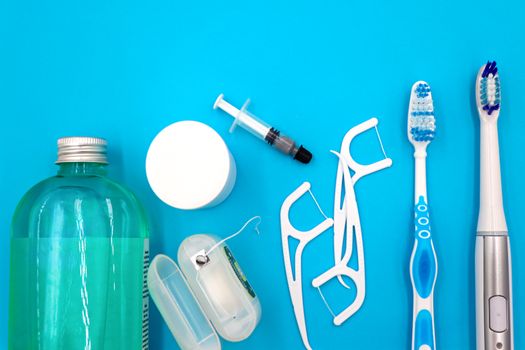
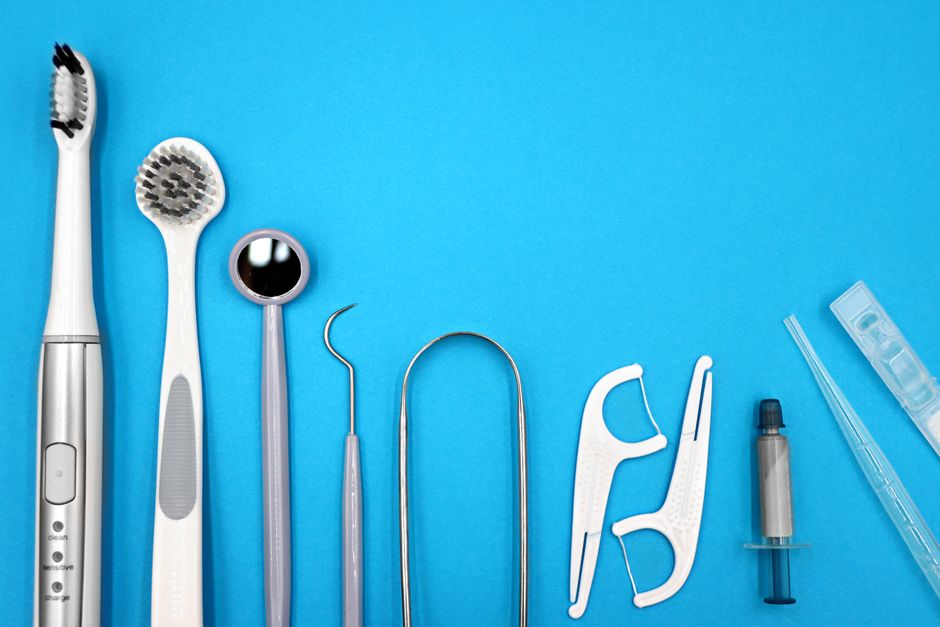
Dental floss sticks with fluoride are small, handheld oral care tools that combine a plastic handle, a pre-threaded piece of floss, and a fluoride-infused coating or reservoir. They are designed to make flossing easier for people who struggle with traditional string floss, especially those with braces, bridges, or limited dexterity. The fluoride component adds an extra layer of cavity protection by delivering a small amount of fluoride to the spaces between teeth.
Unlike standard floss picks, fluoride floss sticks are often marketed as a two-in-one solution: they remove plaque and food particles while helping to remineralize enamel. The fluoride is typically embedded in the floss itself or coated on the pick's textured surface. When you slide the floss between teeth, the fluoride is released and deposited on the enamel, where it can help prevent demineralization and early cavities.
These sticks are available in both disposable and reusable versions, with many brands offering mint, cinnamon, or unflavored options. They are widely sold in supermarkets, pharmacies, and online, making them one of the most accessible interdental cleaning tools on the market.
2. How Fluoride Floss Sticks Work
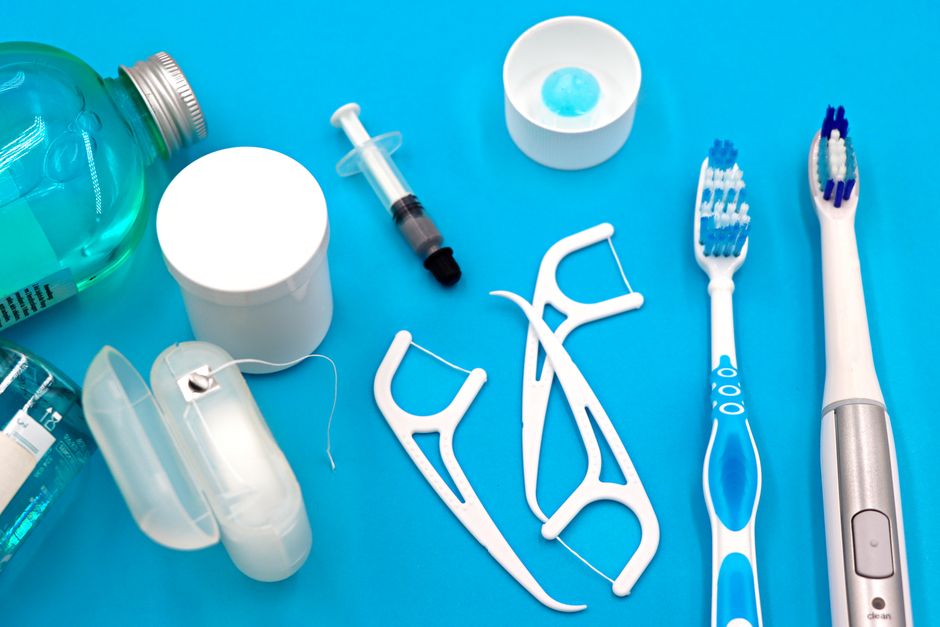
The mechanism behind fluoride floss sticks is simple but effective. The floss strand is coated with a fluoride compound, usually sodium fluoride or stannous fluoride. As you guide the floss between your teeth and along the gumline, friction and saliva help release the fluoride. This fluoride then binds to the tooth surface, forming a protective layer that resists acid attacks from plaque bacteria.
Many fluoride floss sticks also feature a textured pick at one end. This pick can be used to scrape away plaque from the sides of teeth and massage the gums. Some premium models include a small fluoride gel reservoir that dispenses a tiny amount of gel as you floss, though these are less common and often more expensive.
It is important to note that fluoride floss sticks are not a replacement for brushing with fluoride toothpaste. They are a complement. The amount of fluoride delivered by a floss stick is relatively small, so you should still brush twice daily with a fluoride toothpaste and visit your dentist regularly.
3. Key Benefits of Using Fluoride Floss Sticks
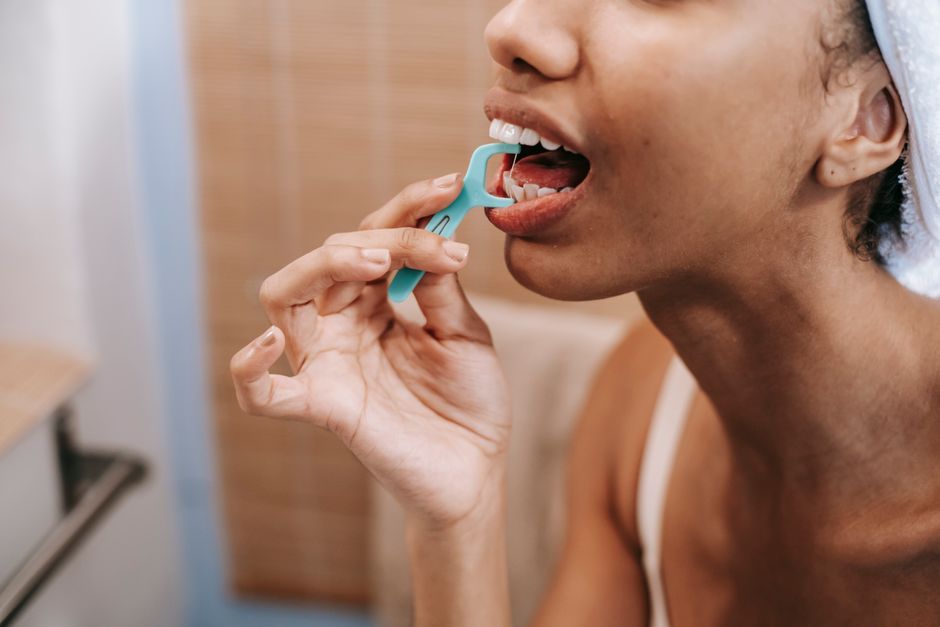
One of the biggest benefits is convenience. Traditional flossing requires wrapping string around your fingers and navigating tight spaces, which can be awkward and time-consuming. Fluoride floss sticks let you floss with one hand, making it easier to reach back teeth and maintain a consistent routine. This convenience often translates into better compliance, which is crucial for oral health.
Another major benefit is cavity protection. Fluoride is a proven cavity-fighting agent. By delivering fluoride directly to the interdental spaces—where toothbrush bristles often cannot reach—these sticks help strengthen enamel and reduce the risk of cavities between teeth. This is especially valuable for people with a history of cavities or those with orthodontic appliances.
Fluoride floss sticks are also gentle on gums when used correctly. The smooth floss and rounded pick edges reduce the risk of gum injury compared to sharp wooden toothpicks. For people with sensitive gums or those recovering from periodontal treatment, fluoride floss sticks can be a comfortable option.
4. Top Picks for Dental Floss Sticks With Fluoride
When choosing the best fluoride floss sticks, consider factors like fluoride type, floss texture, handle ergonomics, and price. Here are some top picks that consistently receive positive reviews from dental professionals and consumers.
4.1 Oral-B Glide Floss Picks with Fluoride
Oral-B Glide floss picks are a popular choice because they use a smooth, shred-resistant floss that glides easily between tight teeth. The floss is coated with fluoride to help prevent cavities. The handle is ergonomically designed with a non-slip grip, making it comfortable to use for extended periods. They are widely available and reasonably priced.
4.2 Plackers Micro Mint Dental Floss Picks
Plackers Micro Mint floss picks feature a strong, thin floss that fits into tight spaces. The floss is infused with fluoride and a mint flavor for fresh breath. The pick end is designed for removing food particles, and the handle is durable. These are a great value option for daily use.
4.3 GUM Crayola Kids Flossers with Fluoride
For children, GUM Crayola Kids Flossers are an excellent choice. They come in bright colors and fun shapes, making flossing more appealing to kids. The floss is coated with fluoride and has a mild fruit flavor. The small size is perfect for little mouths, and the fluoride helps protect developing teeth.
4.4 DenTek Triple Clean Floss Picks with Fluoride
DenTek Triple Clean floss picks offer a three-in-one design: a fluoride-coated floss strand, a textured pick for plaque removal, and a tongue cleaner. This makes them a versatile tool for comprehensive oral care. The floss is durable and doesn't shred easily, and the handle provides a secure grip.
4.5 Eco-Friendly Reusable Fluoride Floss Stick
For those looking to reduce waste, reusable fluoride floss sticks are available. These typically have a stainless steel handle and replaceable floss heads that are coated with fluoride. While the upfront cost is higher, they are more sustainable and can be just as effective. Brands like Quip and Boka offer options in this category.
5. How to Choose the Right Fluoride Floss Stick
Start by checking the fluoride content. Look for products that list sodium fluoride or stannous fluoride on the label. Stannous fluoride has antibacterial properties in addition to cavity protection, but it can sometimes stain teeth with prolonged use. Sodium fluoride is more common and generally safe for daily use.
Consider the floss texture. If you have tight contacts between teeth, choose a thin, shred-resistant floss like PTFE (polytetrafluoroethylene). If you have wider gaps, a thicker, textured floss may clean better. The handle should be comfortable to hold and long enough to reach your back teeth without straining.
Finally, think about your budget and environmental preferences. Disposable floss sticks are inexpensive and convenient, while reusable options cost more upfront but save money over time. If you have children, look for kid-friendly designs with fun colors and flavors to encourage good habits.
6. Proper Technique for Using Fluoride Floss Sticks
Using a fluoride floss stick correctly is essential to get the most benefit. Start by holding the handle and gently sliding the floss between two teeth. Curve the floss into a C-shape around one tooth and slide it up and down, going slightly below the gumline. Repeat on the adjacent tooth. Use a fresh stick for each quadrant of your mouth, or rinse the floss if using a reusable model.
Be gentle. Sawing motions can damage gums and cause bleeding. Instead, use a smooth back-and-forth motion to guide the floss past the contact point, then clean the tooth surfaces. Don't snap the floss into place, as this can injure gum tissue. After flossing, rinse your mouth with water or fluoride mouthwash to remove loosened debris.
For best results, floss at least once a day, preferably before brushing. This allows the fluoride from your toothpaste to reach the cleaned spaces. If you have braces or dental work, ask your dentist or orthodontist for specific flossing advice.
7. Potential Drawbacks and Precautions
While fluoride floss sticks are generally safe, there are a few drawbacks. Some users find that the floss breaks easily, especially if they have tight teeth or rough fillings. Disposable sticks also create plastic waste, which is a concern for environmentally conscious consumers. Reusable options help, but they require regular cleaning and replacement of floss heads.
Fluoride toxicity is a rare but serious concern if ingested in large amounts. Keep fluoride floss sticks out of reach of young children, as they may chew on them. If you accidentally swallow a piece of floss, it usually passes through the digestive system harmlessly, but consult a doctor if you experience discomfort.
People with certain dental conditions, such as severe gum disease or deep pockets, may need more specialized interdental cleaning tools. In such cases, consult your dentist before relying solely on fluoride floss sticks.
8. Comparing Fluoride Floss Sticks to Traditional Floss
Traditional string floss is effective and inexpensive, but it requires manual dexterity and can be difficult to use. Fluoride floss sticks offer greater convenience and added cavity protection, but they may not clean as thoroughly if used incorrectly. A study in the Journal of Clinical Dentistry found that floss picks can be as effective as string floss when used properly, but user technique is key.
From a cost perspective, fluoride floss sticks are more expensive per use than a roll of string floss. However, the added fluoride and ease of use may justify the cost for many people. If you have trouble with traditional floss, fluoride floss sticks can help you maintain a consistent routine.
Ultimately, the best floss is the one you will use regularly. Whether you choose traditional floss or fluoride floss sticks, consistency matters more than the specific tool.
9. The Role of Fluoride in Oral Health
Fluoride has been a cornerstone of dental care for decades. It works by promoting remineralization of tooth enamel and inhibiting the growth of cavity-causing bacteria. When fluoride is applied topically, as with fluoride floss sticks, it can reverse early stages of tooth decay and make enamel more resistant to acid attacks.
Many communities add fluoride to drinking water, and most toothpastes contain fluoride. However, the spaces between teeth are often missed by brushing, leaving them vulnerable to decay. Fluoride floss sticks deliver fluoride directly to these hard-to-reach areas, providing targeted protection. This is particularly important for people with dry mouth, gum recession, or a high sugar diet.
While fluoride is beneficial, it should be used in moderation. The American Dental Association recommends using fluoride toothpaste and flossing daily. Fluoride floss sticks are a safe addition to this routine for most people.
10. Final Thoughts and Recommendations
Dental floss sticks with fluoride are a convenient and effective way to clean between teeth while adding cavity protection. They are especially useful for people who find traditional flossing difficult, such as those with braces, arthritis, or small mouths. When choosing a product, look for reputable brands with sodium fluoride or stannous fluoride, and consider factors like floss texture, handle comfort, and eco-friendliness.
For most people, a combination of fluoride floss sticks and regular string floss is ideal. Use floss sticks on busy days or when traveling, and use string floss when you have more time. Always follow proper technique and avoid snapping the floss into your gums.
Remember that fluoride floss sticks are a supplement, not a substitute, for brushing and professional dental care. Schedule regular checkups and cleanings to keep your smile healthy. With consistent use, fluoride floss sticks can be a valuable tool in your oral hygiene arsenal.
Tell us your market and volume — we send product suggestions, samples and pricing.