 English
 简体中文
简体中文 Русский
 Español
Disposable Floss Picks: Environmental Impact Explained
Discover the environmental impact of disposable floss picks, why they‘re hard to recycle, and practical eco-friendly alternatives. Learn how to reduce plastic waste today.
What Are Disposable Floss Picks?
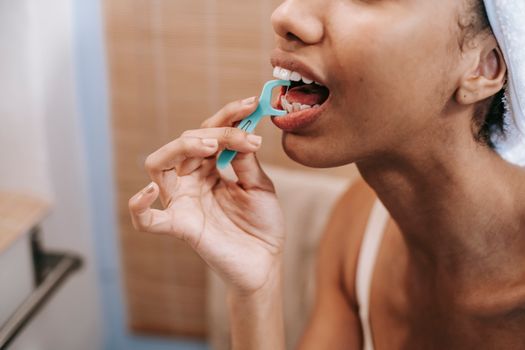
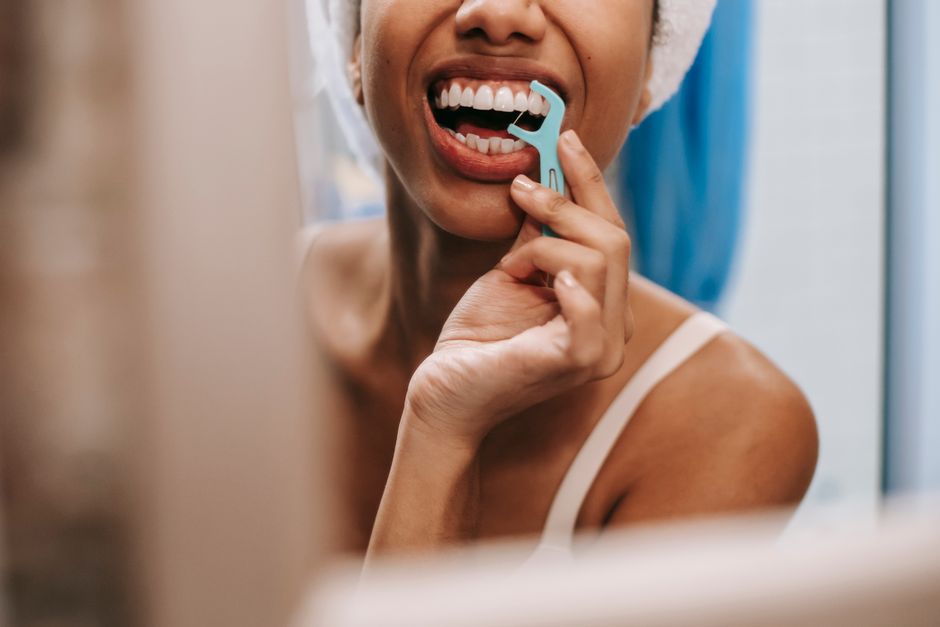
Disposable floss picks — also called floss sticks, flossers, or dental floss sticks — are small plastic handles with a curved head that holds a short strand of dental floss. They were designed for convenience: you can clean between your teeth one-handed, without wrapping floss around your fingers. Today, billions of them are sold every year worldwide, and that popularity has created a serious environmental conversation.
This guide explains exactly how disposable floss picks affect the environment, why they are so hard to recycle, what the alternatives are, and how manufacturers and consumers can reduce the damage without giving up oral hygiene.
Why Disposable Floss Picks Became So Popular
Floss picks solve real problems. Traditional string floss requires dexterity, takes longer, and is awkward for people with braces, arthritis, or small mouths. Floss picks are:
- Fast — one hand, a few seconds per tooth
- Portable — they fit in a pocket, purse, or car console
- Beginner-friendly — no technique required
- Cheap — often just a few cents per unit
These benefits drove massive adoption. But convenience comes with a hidden cost that most users never see: the waste stream.
The Core Environmental Problem: Single-Use Plastic
The handle of a typical floss pick is made from polypropylene (PP) or polystyrene (PS), and the floss itself is usually nylon or PTFE (Teflon). Both materials are fossil-fuel derived. The entire product is designed to be used once and thrown away.
How Long Does a Floss Pick Last in the Environment?
Plastic floss pick handles can take hundreds of years to break down. They do not biodegrade; they fragment into microplastics. The nylon floss thread is even more persistent. A single floss pick used for 30 seconds may remain in a landfill, river, or ocean for centuries.
Scale of the Waste
Consider the numbers. If an average user goes through one floss pick per day, that is 365 picks per person per year. For a family of four, that is 1,460 picks annually. Multiply that by millions of households, and the waste volume becomes staggering — hundreds of billions of units globally each year.
Why Floss Picks Are So Difficult to Recycle
Even well-intentioned users struggle to recycle floss picks. Here is why:
| Barrier | Explanation |
|---|---|
| Mixed materials | The handle (plastic) and floss (nylon/PTFE) are bonded together and cannot be separated easily. |
| Small size | Items smaller than 2 inches often fall through sorting machinery at recycling facilities. |
| Contamination | Used picks carry saliva and food particles, making them a hygiene concern for recyclers. |
| Low resin value | Small, mixed plastic items have little resale value, so recyclers often skip them. |
The result: the vast majority of floss picks end up in general trash, incinerators, or as litter.
Microplastics and Litter: The Hidden Damage
When floss picks are littered or blown out of trash bins, they enter waterways. Sunlight and wave action break the plastic into microplastics — fragments under 5 mm. These particles are ingested by fish and birds and can enter the human food chain.
The floss thread is a particular concern. Nylon and PTFE fibers do not decompose and can entangle small wildlife. Studies of beach cleanups frequently list floss picks among the top 10 most common personal care items found on shorelines.
Are Biodegradable or Compostable Floss Picks a Real Solution?
Several companies now sell floss picks made from cornstarch-based PLA, bamboo, or wheat straw. These are marketed as eco-friendly. But the reality is more nuanced:
- PLA requires industrial composting facilities, which most cities lack. In a home compost bin or landfill, PLA behaves much like conventional plastic.
- Bamboo handles may biodegrade, but the floss thread is often still nylon, so the product is only partially compostable.
- Refillable floss picks (with replaceable floss heads) reduce waste significantly but still generate some plastic waste.
Biodegradable options are better than nothing, but they are not a complete fix. The most sustainable choice is reducing single-use items altogether.
Practical Tips to Reduce Your Floss Pick Footprint
You do not have to choose between healthy teeth and a healthy planet. Here are practical steps:
- Switch to a refillable floss pick — one handle, many floss heads. This cuts plastic waste by up to 80%.
- Use traditional string floss — it uses far less plastic per use, especially if you choose silk or vegan bamboo floss.
- Try a water flosser — a rechargeable water flosser replaces hundreds of disposable picks over its lifetime.
- Buy in bulk, not individually wrapped — packaging is a major part of the waste.
- Dispose responsibly — never flush floss picks; always place them in a closed trash bin.
- Support take-back programs — some brands offer mail-in recycling for used picks.
What Manufacturers and Brands Can Do
As a company in the dental floss stick industry, we believe producers have the greatest responsibility. Meaningful changes include:
- Designing handles from recycled or single-material plastics to improve recyclability
- Offering refillable systems as the default, not a niche product
- Using plant-based floss thread that actually biodegrades
- Reducing packaging and eliminating single-use plastic wrappers
- Printing clear disposal instructions on every package
- Investing in take-back and recycling partnerships
Regulation is also coming. Several countries and regions are banning or taxing single-use plastic items, and floss picks are increasingly on the list. Brands that innovate now will be better positioned for the future.
The Bigger Picture: Convenience vs. Responsibility
Disposable floss picks are a small product with a large footprint. They represent a broader tension in modern life: the things that make daily routines easier often create long-term environmental costs. The good news is that awareness is growing. Consumers are asking harder questions, and manufacturers are responding with better designs.
If you use floss picks, you can start today by choosing a refillable option or switching to string floss. If you sell or manufacture them, consider how your product will be disposed of and design accordingly. Small changes, multiplied across millions of users, add up to a significant reduction in plastic pollution.
Frequently Asked Questions
Are floss picks worse for the environment than string floss?
Generally, yes. A floss pick uses a rigid plastic handle that is used once, while string floss uses only a thin thread. However, both create waste, and the best option is a reusable or refillable system.
Can I compost floss picks at home?
Only if the product is explicitly certified home-compostable and the floss thread is plant-based. Most "biodegradable" picks require industrial composting.
What is the most eco-friendly floss pick?
A refillable floss pick with a durable handle and compostable floss heads is currently the most sustainable choice.
Do floss picks cause microplastic pollution?
Yes. When they break down in the environment, plastic handles and nylon threads shed microplastics that can enter waterways and wildlife.
Tell us your market and volume — we send product suggestions, samples and pricing.