 English
 简体中文
简体中文 Русский
 Español
How Often Should You Use a Dental Floss Stick?
Wondering how often to use a dental floss stick? Learn the ideal daily frequency, technique tips, and expert answers to keep your smile healthy.
What Is a Dental Floss Stick and How Does It Work?
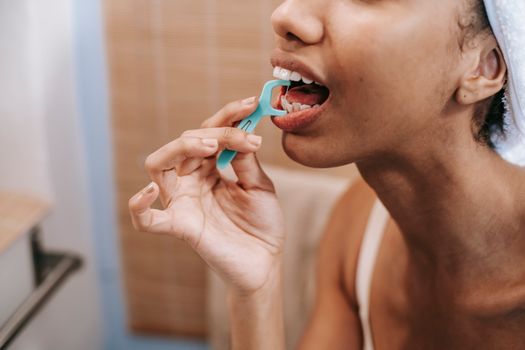
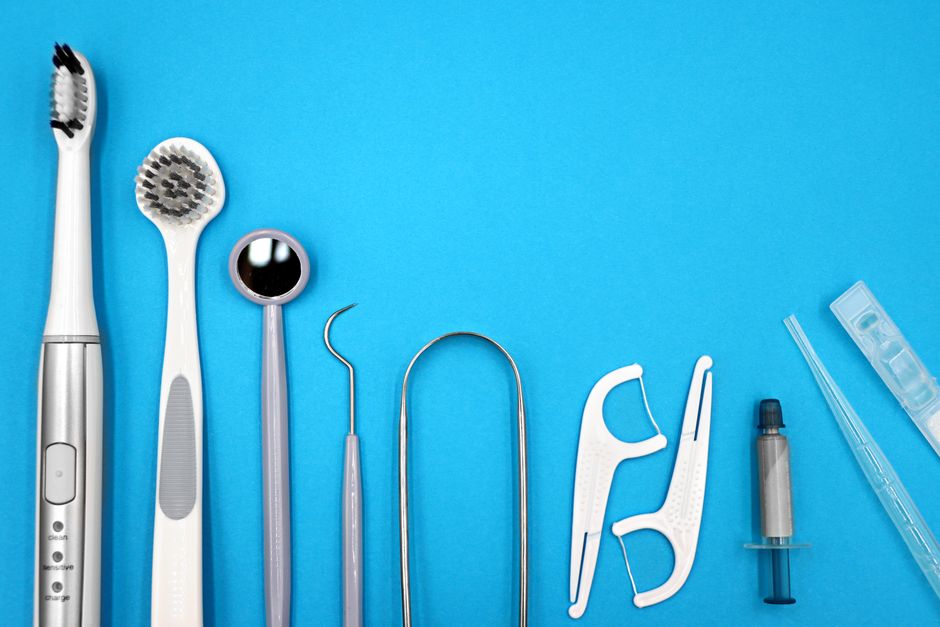
A dental floss stick is a small, handheld oral hygiene tool that combines a short piece of dental floss with a plastic or biodegradable handle. The floss is stretched between two prongs at one end, allowing you to slide it between your teeth and clean the tight spaces where a toothbrush cannot reach. Many floss sticks also feature a pointed tip on the other end that works as a toothpick for dislodging larger food particles.
Unlike traditional string floss, a dental floss stick lets you clean your teeth with one hand and without wrapping floss around your fingers. This makes it especially convenient for people with limited dexterity, braces, or those who simply find regular floss awkward. Because the floss is pre-tensioned, you get consistent pressure against the tooth surface, which can help remove plaque more effectively when used correctly.
Understanding how often to use a dental floss stick is key to getting the most out of it. The short answer is once per day, but several factors can change that recommendation. The questions below cover the most common concerns people have about floss stick frequency, technique, and safety.
How Often Should You Use a Dental Floss Stick?
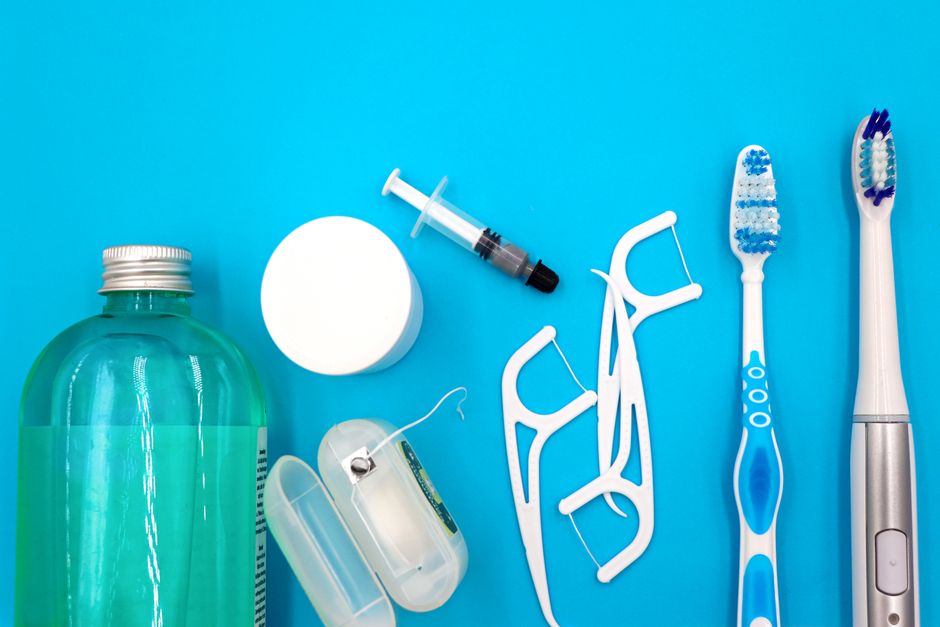
Dentists generally recommend using a dental floss stick once a day. This daily session should ideally happen before brushing so that the floss loosens plaque and food debris, and your toothbrush can then sweep it away. One thorough cleaning per day is enough to disrupt the plaque biofilm that forms between teeth and along the gumline.
That said, some people benefit from using a floss stick twice a day, especially if they wear braces, have bridges, or eat sticky foods frequently. The important thing is not to overdo it. Flossing more than two or three times a day can irritate your gums and cause unnecessary wear on your enamel if you press too hard.
If you are unsure about your specific needs, ask your dentist or dental hygienist. They can assess your gum health, crowding, and restoration work, then give you a personalized frequency recommendation.
Can You Use a Dental Floss Stick More Than Once a Day?
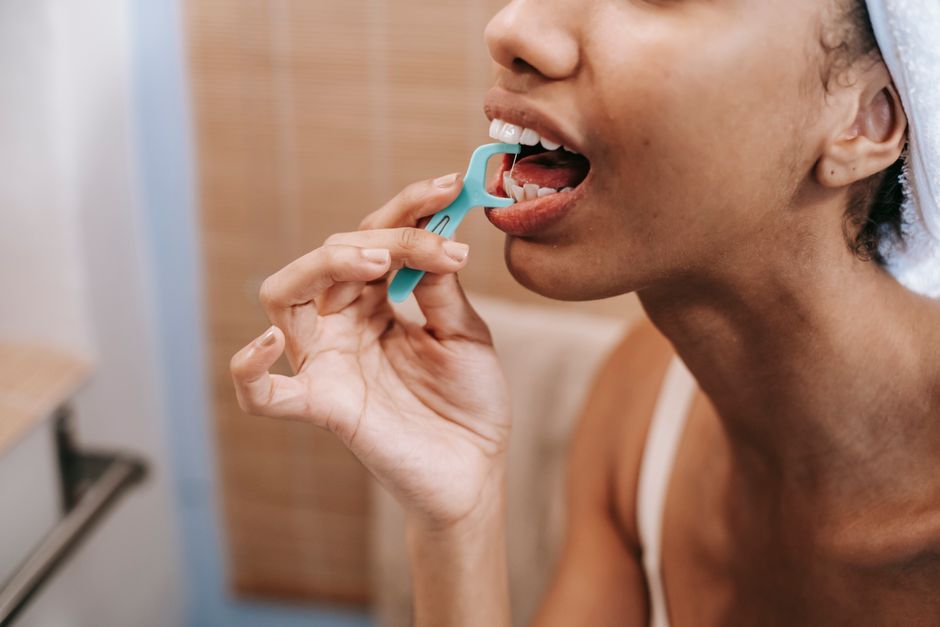
Yes, you can use a dental floss stick more than once a day, but it is not usually necessary. A single daily session removes the plaque that accumulates over 24 hours. Using it twice a day is reasonable if you have orthodontic appliances or if your dentist has advised extra care for gum disease.
However, more is not always better. Aggressive flossing can lead to gum recession, bleeding, and sensitivity. If you floss several times a day, make sure you are using gentle pressure and a fresh, clean floss stick each time. Reusing a floss stick without rinsing it can transfer bacteria back into your mouth.
Listen to your body. If your gums feel sore or look inflamed after flossing, cut back to once a day and review your technique. A dental professional can help you find the right balance.
Should You Floss Before or After Brushing with a Floss Stick?
Most dental experts suggest flossing before brushing. When you use a dental floss stick first, you loosen plaque and food particles from between your teeth. Brushing afterward then removes those particles and delivers fluoride toothpaste to the clean spaces between teeth.
That said, the order matters less than consistency. If flossing after brushing fits your routine better, that is perfectly fine. The goal is to do both every day. Some people prefer to floss at night right before bed, while others like to floss in the morning.
One practical tip: keep your floss sticks next to your toothbrush so you do not forget. A visible reminder makes it easier to build a daily habit.
Is It Okay to Use a Dental Floss Stick Every Day?
Yes, using a dental floss stick every day is safe and effective when done correctly. Daily flossing is one of the best ways to prevent cavities between teeth, gingivitis, and bad breath. The floss stick is simply a delivery tool for the floss, so the same daily recommendation applies.
To use it safely, choose a floss stick with soft, waxed floss if your teeth are tightly spaced. Slide the floss gently between each tooth, curve it into a C-shape around the tooth, and move it up and down a few times. Avoid snapping the floss into your gums.
Replace the floss stick after each use, or at least rinse it thoroughly if the manufacturer says it is reusable. Worn or frayed floss does not clean effectively and may harbor bacteria.
How Long Should Each Floss Stick Session Last?
A complete flossing session with a dental floss stick should take about one to two minutes. That is enough time to clean between every pair of teeth, including the back molars. Rushing through it in 20 seconds usually means you miss spots.
Work systematically around your mouth. Start at the upper right, move to the upper left, then do the lower right and lower left. Use a new floss stick or a clean section of floss for each gap to avoid moving bacteria from one area to another.
If you wear braces, expect the session to take a little longer. Threading floss under wires takes patience, and floss sticks with a thin threader end can make the job easier.
Can a Dental Floss Stick Replace Traditional String Floss?
A dental floss stick can replace traditional string floss for many people, especially those who struggle with finger wrapping or have limited hand mobility. The floss material is the same, and the stick provides leverage that can make cleaning back teeth easier.
However, string floss still has advantages. It lets you wrap around each tooth for a deeper curve and use a fresh section of floss for every gap. People with very tight contacts or complex dental work may get a better clean with string floss.
The best floss is the one you will actually use every day. If a floss stick helps you floss consistently, it is a great choice. You can also combine both methods, using string floss a few times a week and a floss stick on busy days.
Are There Any Risks to Using a Dental Floss Stick Too Often?
Using a dental floss stick too often or too forcefully can cause gum irritation, bleeding, and recession. Over-flossing is rare, but it does happen when people become anxious about oral hygiene and floss five or more times a day.
Another risk is using a dirty or worn floss stick. Bacteria on a reused stick can be reintroduced into your gums, potentially causing infection. Always use a clean tool and replace it regularly.
If you notice persistent bleeding, pain, or gum recession, stop over-flossing and see your dentist. These symptoms can also signal gum disease, which needs professional treatment.
How Do You Choose the Right Dental Floss Stick?
Look for a floss stick that fits comfortably in your hand and has a floss that slides easily between your teeth. Waxed floss is a good choice for tight contacts, while unwaxed floss may squeak against teeth and signal a thorough clean.
Consider the handle design. Some floss sticks have angled heads that reach back teeth more easily. Others have a pointed pick end for food removal. If you care about the environment, choose biodegradable or refillable options.
Finally, check the floss tension. It should be taut but not so tight that it snaps. A quality floss stick makes daily flossing quick, comfortable, and effective.
Tell us your market and volume — we send product suggestions, samples and pricing.