
 English
 简体中文
简体中文 Русский
 Español
 لالعربية
Are Baby Cloth Dolls Safe for Newborns? Full Guide
Are baby cloth dolls safe for newborns? Learn material, sleep, and safety tips before buying. Read our expert FAQ guide now!
Are Baby Cloth Dolls Safe for Newborns?
Bringing a newborn home is a joyful, overwhelming time, and parents naturally want to surround their baby with soft, comforting things. Baby cloth dolls are among the most popular first toys, but many parents ask a simple question: are they actually safe for a newborn? The short answer is yes, with important caveats about materials, construction, and how the doll is used. This FAQ-style guide walks through everything you need to know before placing a cloth doll in your baby's crib or stroller.
Below you'll find answers to the most common questions about baby cloth doll safety, from fabric choices to sleep recommendations and cleaning routines.
What Makes a Baby Cloth Doll Safe for a Newborn?
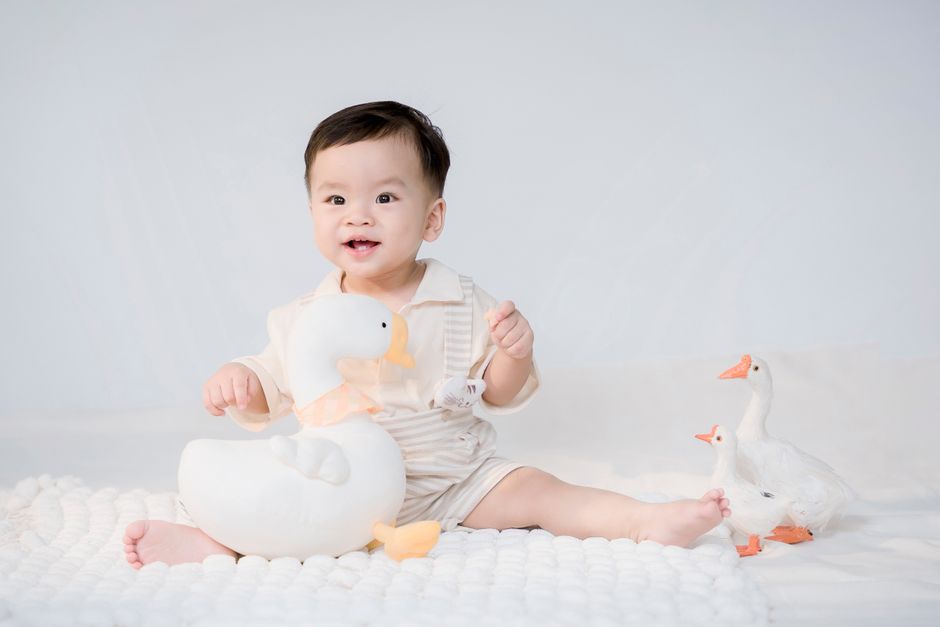
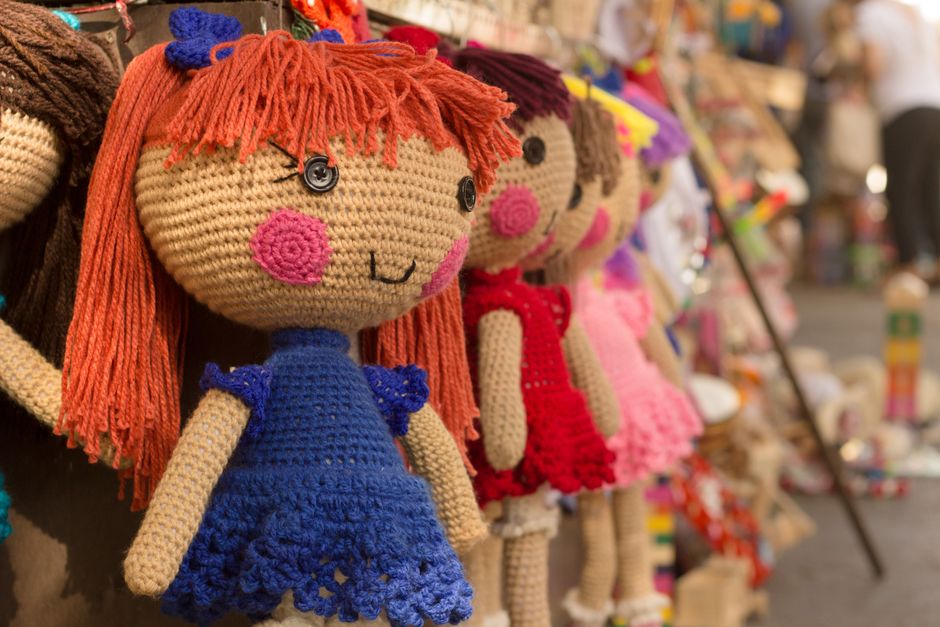
A safe baby cloth doll is made from non-toxic, hypoallergenic materials and has no small parts that can detach. Look for dolls labeled as suitable for ages 0+, with embroidered or securely stitched facial features instead of plastic eyes, buttons, or beads. The fabric should be soft, breathable, and free of harsh dyes or chemical finishes.
Construction matters just as much as materials. Seams should be double-stitched, and any ribbons, bows, or accessories should be sewn down tightly or omitted entirely. A well-made cloth doll has no loose threads that could wrap around tiny fingers or toes, and it should be machine washable so you can keep it hygienic.
Are Cloth Dolls Safe for a Newborn to Sleep With?
No. Even the softest cloth doll should not be placed in a newborn's sleep space. The American Academy of Pediatrics recommends keeping cribs, bassinets, and play yards completely free of toys, pillows, blankets, and stuffed animals until at least 12 months of age to reduce the risk of SIDS and accidental suffocation.
That doesn't mean cloth dolls have no place in your baby's day. Use them during supervised awake time, tummy time, or cuddle sessions. Once your baby is older than one year, a small, safe cloth doll can become a beloved sleep companion.
What Materials Should I Look For or Avoid?
Prioritize dolls made from organic cotton, bamboo, or other natural fibers. These materials are breathable, gentle on newborn skin, and less likely to trigger allergic reactions. If the doll is filled, check that the stuffing is hypoallergenic polyester or natural cotton that won't clump or harbor mold.
Avoid dolls made with unknown synthetic fabrics, strong chemical odors, or glitter and metallic threads that can flake off. Also steer clear of dolls with plastic parts, wire frames, or battery-operated components, which are not appropriate for newborns.
Quick Material Checklist
- Organic cotton, bamboo, or muslin fabric
- Hypoallergenic filling
- Embroidered eyes and mouth
- No buttons, beads, or loose ribbons
- Machine washable and colorfast
Can a Cloth Doll Cause Allergies or Skin Irritation?
It can, but usually only if the doll is made from low-quality materials or hasn't been washed. Newborn skin is thin and highly absorbent, so residual dyes, formaldehyde finishes, or dust mites on the doll can cause redness, rashes, or sneezing. Washing the doll before first use removes most surface irritants.
If your baby has known allergies or eczema, choose a doll explicitly labeled hypoallergenic and fragrance-free. Watch for any reaction after introducing the doll, and remove it if irritation appears.
How Do I Clean and Sanitize a Baby Cloth Doll?
Most cloth dolls can be machine washed on a gentle cycle with mild, fragrance-free detergent. Place the doll inside a mesh laundry bag to protect seams and embroidery, then air dry or tumble on low heat. Check the manufacturer's care label first, since some dolls with delicate details may need hand washing.
Wash the doll before first use and then regularly, especially if it's been dropped on the floor or handled by visitors. For spot cleaning, use a damp cloth with a tiny amount of baby-safe soap. Avoid bleach and fabric softeners, which can leave irritating residues.
Are There Choking or Strangulation Risks?
Yes, if the doll is poorly made. Small detachable parts such as plastic eyes, buttons, or beads are choking hazards for newborns and infants who mouth everything. Long ribbons, strings, or cords longer than 7 inches pose a strangulation risk and should be removed or avoided entirely.
Before giving a cloth doll to your baby, do a quick tug test on every attached element. If anything pulls loose with gentle pressure, the doll isn't safe for unsupervised use. Choose dolls with embroidered features and no loose strings for the safest experience.
At What Age Can a Newborn Start Using a Cloth Doll?
Newborns can safely interact with a cloth doll during supervised awake time from day one, though they won't actively play with it yet. At this stage, the doll is more of a sensory object that parents hold near the baby for visual and tactile stimulation.
Between 3 and 6 months, babies begin reaching, grasping, and mouthing, which is when the doll's safety features really matter. From 6 to 12 months, a small cloth doll becomes a genuine play and comfort object. Always supervise, and never leave the doll in the sleep area until after the first birthday.
How Do I Choose the Best Cloth Doll for a Newborn?
Look for dolls marketed specifically for babies 0+, with simple designs, soft natural fabrics, and no removable parts. Size matters too: a doll between 8 and 12 inches is easy for small hands to hold and less likely to cover a baby's face during supervised play.
Read reviews and check for safety certifications such as ASTM F963 or EN 71. A reputable brand will clearly list materials, care instructions, and age recommendations. When in doubt, choose the simpler doll; fewer features mean fewer risks.
Frequently Asked Questions at a Glance
| Question | Short Answer |
|---|---|
| Safe for sleep? | No, until after 12 months |
| Best fabric? | Organic cotton or bamboo |
| Wash before use? | Yes, always |
| Small parts allowed? | No |
| Supervision needed? | Yes, for all infants |
Final Thoughts
Baby cloth dolls can be wonderful, safe first toys when chosen and used correctly. Focus on non-toxic natural materials, secure construction, and age-appropriate design, and keep the doll out of the sleep space during the first year. With those precautions, a soft cloth doll can become a treasured companion that supports your newborn's sensory development and comfort.
Share your market, quantities and packaging idea — we reply with a sample plan and timeline.