
 English
 简体中文
简体中文 Русский
 Español
 لالعربية
Baby Cloth Doll Toy: Complete Buying Guide
Learn how to choose a safe, washable baby cloth doll toy. Expert tips on materials, size, age stages, and certifications. Find the perfect first doll today!
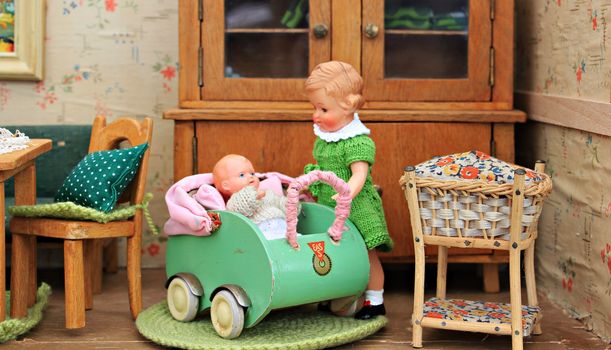
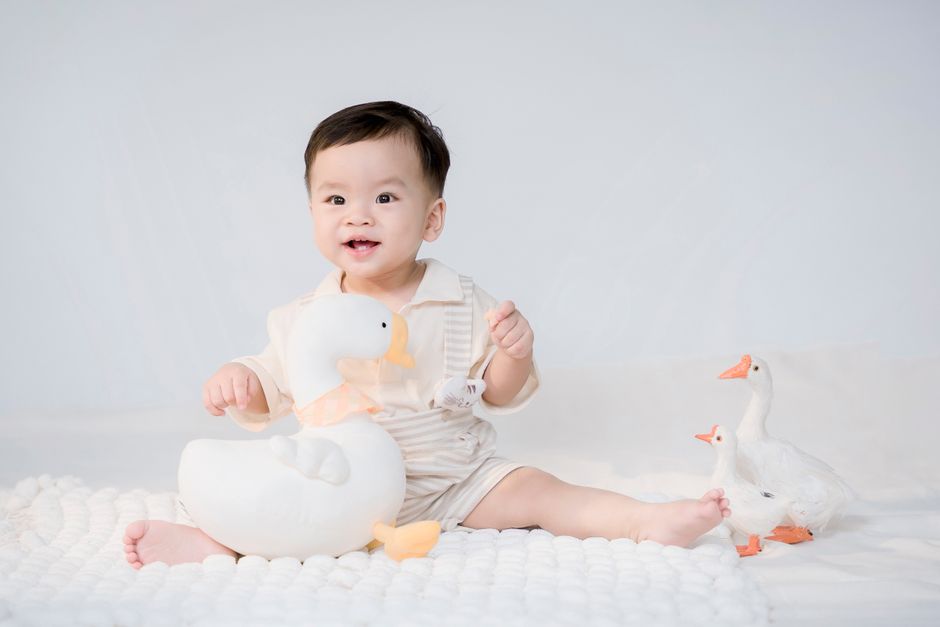
Why a Baby Cloth Doll Toy Matters
A baby cloth doll toy is often a child's very first friend. Unlike hard plastic figures, a soft fabric doll can be cuddled, squeezed, chewed, and dragged everywhere without hurting tiny hands or faces. Pediatric occupational therapists frequently recommend cloth dolls because they support sensory development, emotional security, and early pretend play. But walk down any toy aisle or scroll through an online marketplace and you will find hundreds of options — organic cotton, muslin, crochet, weighted, personalized, scented, and more. This complete guide walks you through every factor you need to consider so you can choose a baby cloth doll toy that is safe, durable, developmentally appropriate, and genuinely loved.
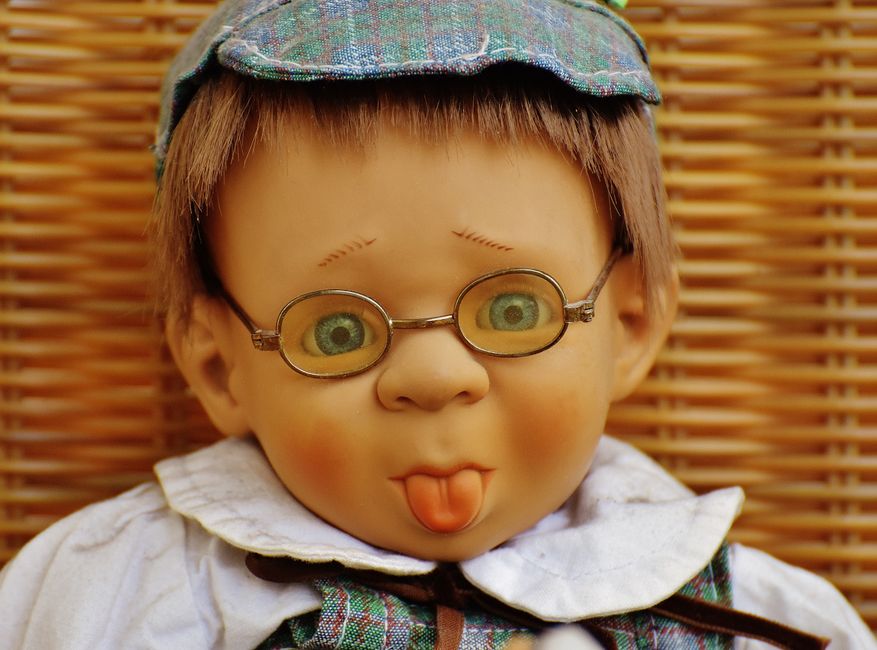
Safety First: Materials, Stitching, and Certifications
Safety is non-negotiable when the user is a baby who explores the world through their mouth. Before you fall in love with a cute face, check the construction.
Fabric and Filling
- Outer fabric: Look for GOTS-certified organic cotton, OEKO-TEX Standard 100 cotton, or bamboo blends. These are free from harmful dyes and pesticide residue.
- Filling: Polyester fiberfill is common and washable, but make sure it is firmly packed so it cannot clump or escape through seams. For a more natural option, choose wool-stuffed dolls — but only if your baby has no wool sensitivity.
- Avoid: Unknown synthetic fabrics with strong chemical smells, loose bean filling (a choking hazard if seams open), and dolls stuffed with foam crumbs.
Stitching and Attachments
Pull gently on every part. Eyes, noses, ribbons, hats, and buttons should be embroidered or securely sewn — never glued. Embroidered facial features are the safest choice for babies under 12 months because there is nothing to detach. Check that seams are double-stitched and that there are no loose threads long enough to wrap around a finger or toe.
Certifications to Look For
| Certification | What It Means |
|---|---|
| CPSC / ASTM F963 | Meets U.S. toy safety standards |
| CE / EN 71 | Complies with European toy safety rules |
| OEKO-TEX Standard 100 | Tested free of harmful substances |
| GOTS | Certified organic textile from farm to finish |
If a product page does not mention any certification, treat it with caution — especially for a toy intended for babies under three.
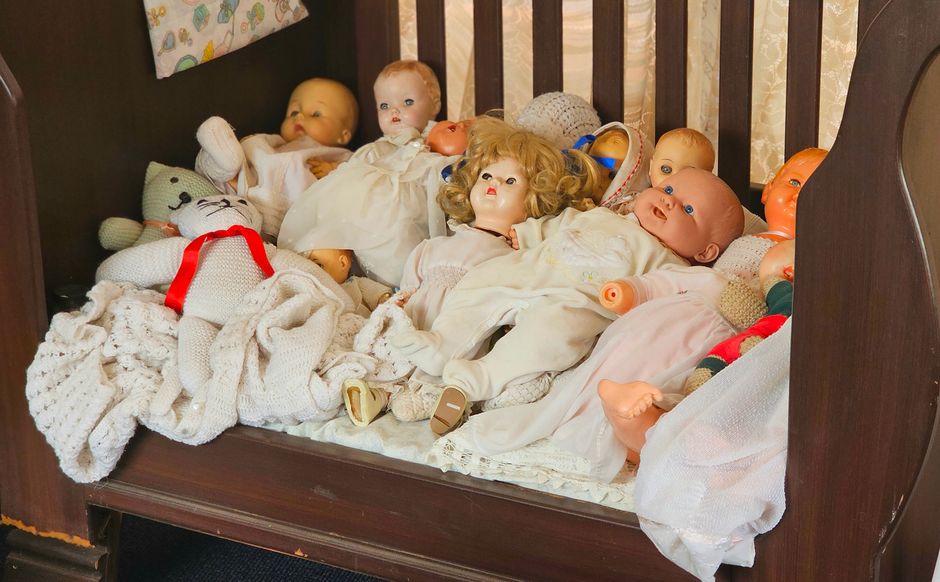
Age Appropriateness: Matching the Doll to Your Baby's Stage
The ideal baby cloth doll toy changes as your child grows. Here is a simple stage-by-stage breakdown.
0–6 Months: Sensory and Comfort
At this age, babies need softness, contrast, and sound. Choose a small, lightweight doll (under 8 inches) with high-contrast black-and-white or bold primary colors. A built-in crinkle paper or gentle rattle inside the body adds auditory stimulation. Avoid long limbs that could wrap around the neck.
6–12 Months: Grasping and Teething
Now babies grab, shake, and chew. Look for dolls with knotted corners, textured tags, or a teether attachment made of food-grade silicone. The doll should be machine washable because it will be covered in drool and pureed carrots.
12–24 Months: Early Pretend Play
Toddlers begin to hug, feed, and put dolls to sleep. A medium-sized doll (10–14 inches) with simple removable clothing — secured with Velcro, not tiny buttons — encourages nurturing play. This is also a great age for a personalized doll with the child's name embroidered on it.
2 Years and Up: Companion and Storytelling
Preschoolers want a doll that can go on adventures. Choose one with durable, interchangeable outfits and a body that survives tea parties, sandboxes, and washing machines.
Size, Weight, and Portability
Bigger is not always better. A doll that is too large can be difficult for small arms to hold and impossible to fit in a diaper bag. A doll that is too small may be a choking risk if it has small parts. As a rule of thumb, choose a doll that is roughly the length of your baby's torso — usually 8 to 14 inches for the first two years. Weighted dolls (filled with plastic pellets or glass beads) can be soothing for some babies, but they should never be used unsupervised in a crib, and they are not recommended for infants under 12 months.
Washability and Long-Term Durability
A baby cloth doll toy will be drooled on, spit up on, dragged through dirt, and possibly buried in the backyard. Check the care label before buying.
- Machine washable: The gold standard. Choose dolls that can survive a gentle cycle at 30°C and air-dry without losing shape.
- Surface wash only: Acceptable for dolls with delicate embroidery or attached rattles, but less hygienic for daily baby use.
- Detachable parts: Avoid dolls with parts that cannot be washed, as bacteria and mold can build up inside damp filling.
Durability also depends on seam quality and fabric weight. A tightly woven cotton canvas or double-layered muslin will outlast thin, single-layer fabrics by years.
Design, Color, and Developmental Benefits
Cloth dolls are not just comfort objects — they are learning tools. The right design can support visual tracking, color recognition, and emotional expression.
High-Contrast vs. Realistic Colors
Newborns see best in black, white, and red. As vision develops around 4–6 months, bright primary and pastel colors become more engaging. If you want one doll to grow with your baby, choose a design with a high-contrast face and colorful, patterned body.
Facial Features
Simple, friendly faces are best. Avoid dolls with painted eyes that could peel, and avoid overly realistic or eerie expressions that may frighten a sensitive baby. A gentle smile and embroidered eyes are classic for a reason.
Textures and Tags
Babies love to explore different textures. Ribbon tags, knotted limbs, and contrasting fabric panels provide tactile stimulation and can help distract a fussy baby during diaper changes or car rides.
Personalization: Making the Doll Truly Theirs
A personalized baby cloth doll toy — with the child's name, initials, or birth date embroidered on the tummy or foot — becomes a keepsake. Personalization also helps prevent mix-ups at daycare and makes the doll instantly recognizable to a toddler who cannot yet read. If you are buying a personalized doll as a gift, order early, as custom embroidery often adds one to two weeks to production time. Also confirm that the embroidery thread is colorfast and safe for mouthing.
Budget: How Much Should You Spend?
Prices for baby cloth dolls range from under $10 to over $80. Here is what different price points typically get you.
| Price Range | Typical Quality | Best For |
|---|---|---|
| Under $15 | Basic cotton, simple stitching, limited certifications | Backup doll, casual gift |
| $15–$35 | OEKO-TEX fabric, machine washable, embroidered features | Everyday use, first doll |
| $35–$60 | Organic cotton, GOTS certified, detailed design, gift packaging | Heirloom-quality gift |
| $60+ | Handmade, artisan, personalized, premium materials | Keepsake, special occasion |
Remember that a slightly more expensive, well-made doll often costs less per year of use than three cheap dolls that fall apart.
Common Mistakes to Avoid
- Buying a doll with glued-on eyes or plastic accessories for a baby under 12 months.
- Ignoring the care label and then shrinking or ruining the doll in the wash.
- Choosing size based on cuteness rather than your baby's grasp and reach.
- Skipping the seam-pull test — a single loose seam can release choking-hazard filling.
- Forgetting to buy a spare. If the doll becomes a lovey, losing it can cause real distress.
Final Checklist Before You Buy
- Is the fabric certified safe (GOTS, OEKO-TEX, or equivalent)?
- Are all features embroidered or securely sewn — no glue, no buttons?
- Is the doll machine washable and quick-drying?
- Is the size appropriate for my baby's age and grip?
- Does the design support my baby's developmental stage?
- Is the price fair for the materials and craftsmanship?
- Would I be happy to see this doll in my child's arms every day for the next three years?
If you can answer yes to all seven, you have found a baby cloth doll toy that is safe, durable, and ready to become a beloved childhood companion.
Share your market, quantities and packaging idea — we reply with a sample plan and timeline.