
 English
 简体中文
简体中文 Русский
 Español
 لالعربية
Baby Cloth Doll Toy Safety Standards Explained
Learn baby cloth doll toy safety standards like ASTM F963, EN 71, and CPSIA. Practical tips to choose safe, certified cloth dolls for your infant.
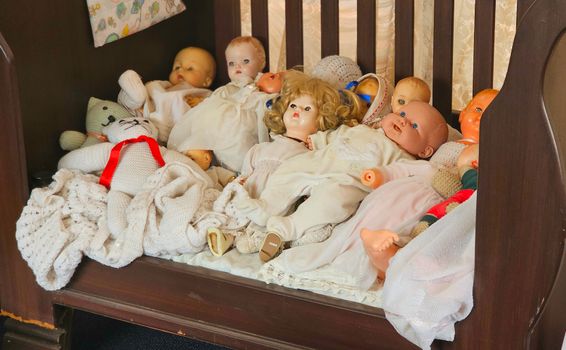
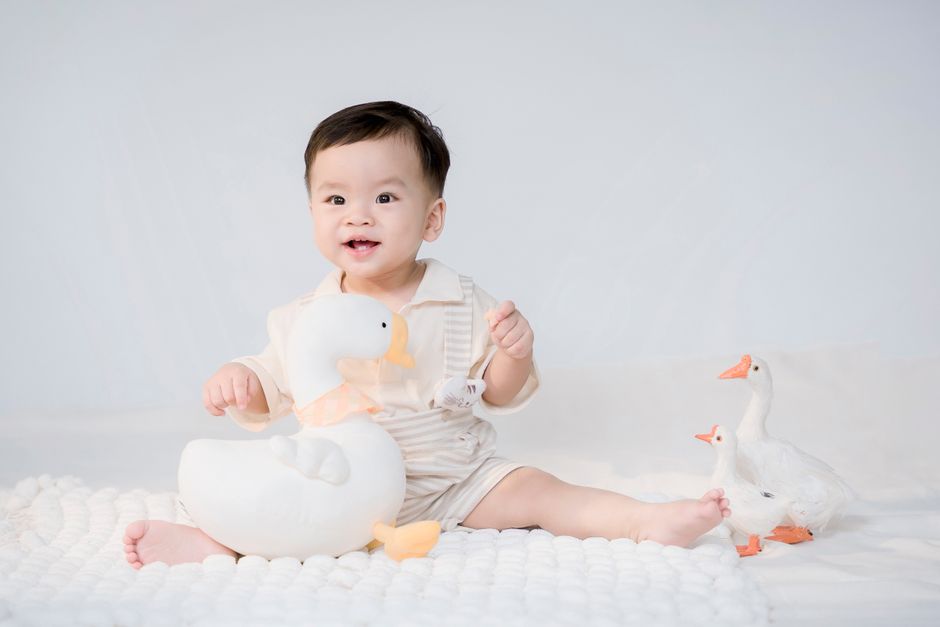
Why Baby Cloth Doll Toy Safety Standards Matter
A baby cloth doll toy is often a child's very first companion. It gets chewed, hugged, dragged across the floor, and washed repeatedly. Because infants and toddlers explore the world with their mouths, these soft toys must meet strict safety requirements. Understanding the standards behind baby cloth doll toys helps parents, caregivers, and manufacturers make informed choices that protect the most vulnerable consumers.
This guide explains the major safety standards governing baby cloth doll toys, what each one covers, and how to verify that a product is genuinely safe before you place it in a crib.
Who Regulates Baby Cloth Doll Toy Safety?
Different regions enforce different rules, but the goal is consistent: prevent choking, suffocation, chemical exposure, and injury. The most influential frameworks include:
- United States: ASTM F963 (Standard Consumer Safety Specification for Toy Safety) and CPSC (Consumer Product Safety Commission) regulations, including the CPSIA (Consumer Product Safety Improvement Act).
- European Union: EN 71 series, plus the Toy Safety Directive 2009/48/EC and REACH chemical restrictions.
- International: ISO 8124, which mirrors many ASTM and EN 71 requirements and is widely used for global trade.
- Other markets: Canada's Toys Regulations (SOR/2011-17), Australia's AS/NZS ISO 8124, and Japan's ST Mark under the Japan Toy Association.
If a cloth doll is sold in multiple countries, reputable manufacturers test against several of these standards simultaneously.
Key Requirements for Baby Cloth Doll Toys
1. Small Parts and Choking Hazards
The most serious risk for babies under three is choking. Standards require that cloth dolls have no detachable components that fit entirely into a small parts cylinder, which approximates a child's throat. Buttons, eyes, ribbons, bells, and squeakers must withstand a specific pull and torque test.
Under ASTM F963, components are subjected to tension of 15 pounds-force (about 67 N) for 10 seconds. EN 71-1 uses similar pull and torque tests. If an eye or button pops off during testing, the toy fails.
2. Seam Strength and Stuffing Integrity
Because babies chew and pull, seams must not split open and release stuffing. Testing involves dropping, compressing, and flexing the doll. Loose fiberfill is a serious hazard because it can be inhaled or swallowed. Look for double-stitched seams and securely closed openings.
3. Flammability
Textile toys must resist rapid flame spread. ASTM F963 and EN 71-2 set burn-rate limits for materials used in plush and cloth toys. Fabrics treated with flame retardants must still comply with chemical restrictions, which is why many manufacturers choose naturally flame-resistant materials such as wool blends or tightly woven cotton.
4. Chemical and Heavy Metal Limits
Babies mouth toys constantly, so chemical safety is critical. CPSIA limits lead to 100 ppm in substrate and 90 ppm in paint or surface coatings. EN 71-3 restricts migration of eight heavy metals, including lead, cadmium, mercury, and arsenic. REACH further restricts phthalates, azo dyes, and certain flame retardants.
Formaldehyde and other volatile organic compounds are also regulated because they can off-gas from fabrics and dyes. Certified organic cotton and OEKO-TEX certified textiles are common choices for premium baby cloth dolls.
5. Age Grading and Warning Labels
Manufacturers must label toys with an age recommendation. Cloth dolls intended for babies under three must pass the most stringent small-parts requirements. Toys for older children may include small accessories, but these must carry clear warnings if they are unsuitable for younger siblings.
How Testing and Certification Actually Work
Safety compliance is not a one-time event. It involves design review, prototype testing, production testing, and ongoing audits. A typical process looks like this:
| Stage | Activity | Standard Examples |
|---|---|---|
| Design review | Identify hazards, choose materials | ASTM F963, EN 71-1 |
| Prototype testing | Pull, torque, drop, flammability, chemical tests | ASTM F963, EN 71-2, EN 71-3 |
| Production testing | Batch sampling of finished dolls | ISO 8124, CPSIA |
| Certification | Children's Product Certificate (CPC) in the US; CE marking in the EU | CPSIA, Toy Safety Directive |
| Ongoing audits | Factory inspections and material traceability | ISO 9001, BSCI, Sedex |
In the United States, importers and domestic manufacturers must issue a Children's Product Certificate based on third-party testing at a CPSC-accepted laboratory. In the EU, the manufacturer or importer signs a Declaration of Conformity and applies the CE mark.
Practical Tips for Parents and Caregivers
- Check the label: Look for ASTM F963, EN 71, CE, or CPSIA compliance markings.
- Inspect before purchase: Tug on eyes, buttons, and ribbons. Well-attached parts should not move easily.
- Examine seams: Squeeze the doll to see if stuffing escapes through the fabric or seams.
- Sniff the toy: A strong chemical or plastic odor can indicate poor material quality or excess VOCs.
- Wash before use: Follow care instructions to remove surface residues, and check that the doll survives washing without falling apart.
- Remove tags and packaging: Plastic fasteners and hang tags are hazards, not decorations.
- Supervise play: Even compliant toys should be used under supervision, especially for babies under 12 months.
- Retire damaged toys: A torn seam or loose part means the doll should be repaired or discarded.
Red Flags That Suggest a Cloth Doll May Be Unsafe
Not every toy on the market is trustworthy. Be cautious when a product:
- Has no age grading or manufacturer contact information.
- Uses glued-on eyes or decorations instead of securely stitched or locked-in components.
- Smells strongly of chemicals, glue, or synthetic perfume.
- Costs far below market average, which often signals untested materials.
- Comes from an unknown seller with no safety documentation.
How Responsible Manufacturers Comply
Reputable producers of baby cloth doll toys build safety into every stage of production. This includes sourcing certified fabrics, using embroidery instead of plastic eyes for the youngest age groups, testing every batch, and maintaining traceability from fiber to finished doll. Many also pursue voluntary certifications such as OEKO-TEX Standard 100, GOTS for organic textiles, and ISO 9001 for quality management.
Transparency matters too. Brands that publish test reports, list material origins, and provide clear care instructions give parents confidence that the toy in their baby's arms has been genuinely vetted.
Final Thoughts
Baby cloth doll toy safety standards exist to protect children who cannot protect themselves. From pull tests on buttons to chemical limits on dyes, every requirement addresses a real risk. By understanding ASTM F963, EN 71, CPSIA, and ISO 8124, parents can shop with confidence and manufacturers can design toys that are both lovable and safe. Always check labels, inspect seams and attachments, and choose dolls from brands that take certification seriously. A safe cloth doll is more than a toy — it is a trusted first friend.
Share your market, quantities and packaging idea — we reply with a sample plan and timeline.