
 English
 简体中文
简体中文 Русский
 Español
 لالعربية
Baby Cloth Doll Toy Buying Guide for New Parents
Choosing a baby cloth doll toy? Learn safety checks, fabrics, sizes, and washing tips in this complete buying guide for new parents. Read before you buy!
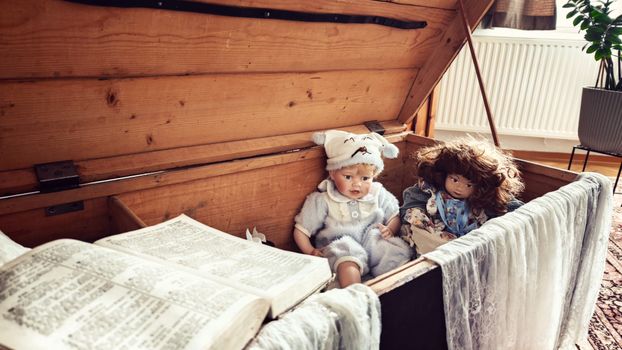
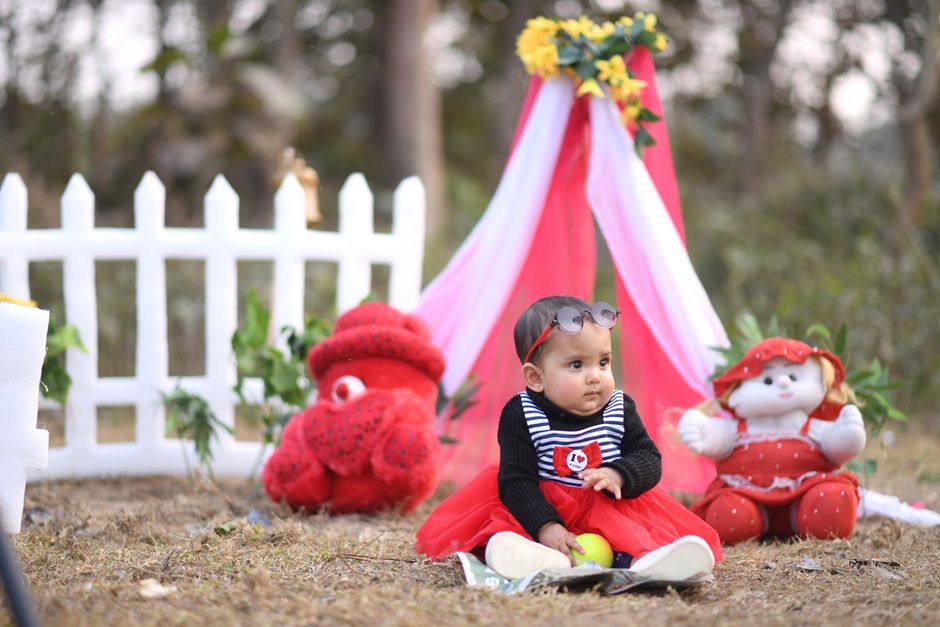
Why a Baby Cloth Doll Toy Is a Smart First Choice
If you are a new parent, the sheer number of toys on the market can feel overwhelming. Before you invest in flashing lights, plastic gadgets, and battery-operated noise makers, consider starting with something simple, timeless, and incredibly versatile: a baby cloth doll toy. Soft, lightweight, and gentle on delicate skin, a cloth doll is often the very first toy a baby truly bonds with — and it can remain a cherished companion for years.
This buying guide walks you through everything new parents need to know: safety standards, materials, sizes, age recommendations, washing instructions, and how to choose a doll that grows with your child. By the end, you will know exactly what to look for and which questions to ask before you buy.
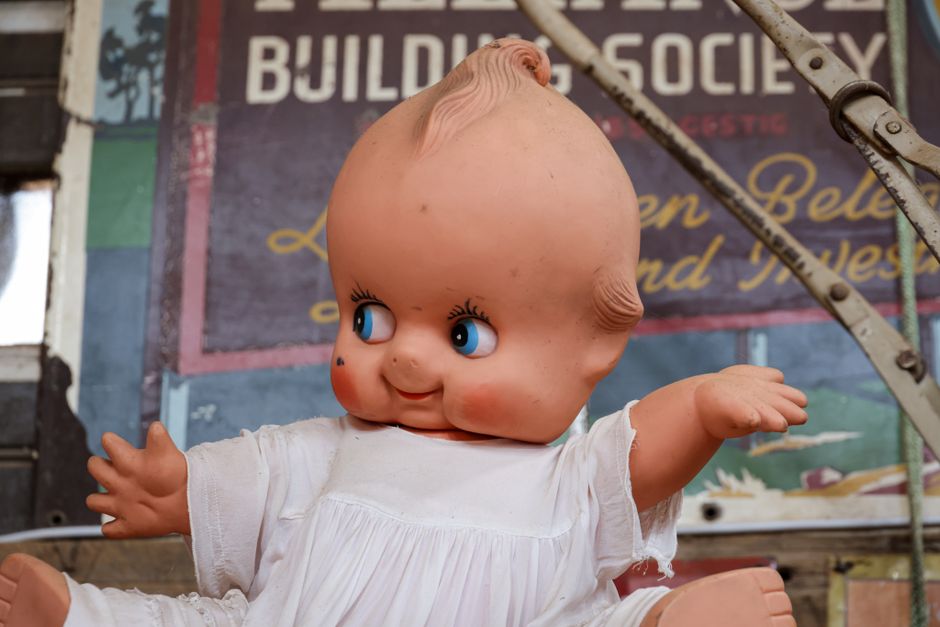
What Makes a Cloth Doll Different From Other Dolls?
A cloth doll is exactly what it sounds like: a doll whose body, and often its head and limbs, are made primarily from fabric rather than hard plastic, vinyl, or porcelain. That single design choice creates a cascade of benefits for babies and toddlers.
- Softness: There are no hard edges, sharp corners, or rigid parts that can bump a baby's face during sleep or play.
- Light weight: Most cloth dolls weigh only a few ounces, so even a three-month-old can lift, hug, and drop one without strain.
- Washability: Fabric can be machine washed, which matters enormously when a doll becomes a constant companion.
- Warmth and comfort: Cloth retains a little body heat, making the doll feel reassuringly like a soft blanket.
- Quiet play: No batteries, no beeps, no sudden noises — ideal for quiet time and sleep routines.
Because cloth dolls are typically handmade or sewn in small batches, they also tend to have more character than mass-produced plastic dolls. Many parents find that a cloth doll becomes a genuine keepsake rather than just another toy in the bin.
Safety First: What New Parents Must Check
Safety should always come before cuteness. Babies explore the world with their mouths, so any doll that ends up near a newborn will eventually be chewed, sucked, and drooled on. Here is a practical safety checklist.
1. Look for Age-Appropriate Labels
Reputable manufacturers print an age rating on the packaging or tag. Dolls marked for "0+" or "birth and up" are designed with no small parts that could detach. Dolls marked "3+" may include buttons, beads, or ribbons that pose a choking hazard for infants.
2. Inspect Every Attachment
Gently tug on eyes, noses, bows, and any decorative trim. If a part moves easily or feels loose, it can come off in a baby's mouth. Embroidered features are the safest option because there is nothing to detach at all.
3. Check the Stitching
Run your finger along the seams. They should be tight, even, and free of loose threads. Loose thread can wrap around a tiny finger or toe — a serious risk known as a thread tourniquet.
4. Verify Material Certifications
In the United States, look for the ASTM F963 toy safety standard. In Europe, check for the CE mark and EN 71 compliance. These certifications confirm the fabric, dyes, and fillings have been tested for harmful substances.
5. Avoid Long Ribbons and Cords
Any cord longer than about seven inches can become a strangulation risk in a crib. If your doll has a long ribbon, either remove it or reserve the doll for supervised play only.
Choosing the Right Materials and Fillings
The fabric and stuffing determine how the doll feels, how long it lasts, and how easy it is to clean. Here is a comparison of the most common options.
| Material | Best For | Pros | Cons |
|---|---|---|---|
| Cotton | Newborns and sensitive skin | Breathable, natural, softens with washing | Can shrink if washed hot |
| Organic cotton | Babies with eczema or allergies | No pesticide residue, hypoallergenic | Higher price |
| Fleece or plush | Toddlers who love texture | Very soft, holds shape well | Can pill over time |
| Linen | Heirloom-style dolls | Durable, elegant, gets softer with age | Wrinkles easily, less cuddly |
| Polyester fill | Everyday affordable dolls | Light, washable, holds shape | Synthetic, less breathable |
| Wool or cotton fill | Natural-minded parents | Breathable, biodegradable | Wool may irritate some skin |
For a first doll, organic cotton with polyester fill is a practical middle ground: gentle on skin, easy to launder, and reasonably priced. If you are shopping for a keepsake, linen or cotton with natural filling is a beautiful long-term choice.
Size, Weight, and Shape: Matching the Doll to Your Baby's Age
Bigger is not always better. A doll that is too large can be awkward for a small baby to hold, while one that is too small may be difficult to grip. Use this rough guide.
- 0–6 months: Choose a doll 8–12 inches long and very light. At this stage, babies mainly look, bat, and mouth. A flat, soft doll with high-contrast or embroidered features works well.
- 6–12 months: A 12–16 inch doll with slightly weighted limbs is easier to grasp and hug. This is when the doll often becomes a genuine comfort object.
- 12–24 months: Toddlers enjoy dolls they can carry, dress, and put to bed. A 14–18 inch doll with removable (but simple) clothing is ideal.
- 2 years and up: Larger dolls, 18–22 inches, with more detailed features and accessories support pretend play.
Weight matters too. A doll that is too heavy will be dropped constantly, which can frustrate a baby. Look for dolls under 8 ounces for infants and under 1 pound for toddlers.
Features That Actually Matter (and Ones That Don't)
Marketing departments love to add features. Here is an honest breakdown of what is worth paying for.
Worth It
- Embroidered face: Nothing to choke on, nothing to lose.
- Machine washable: A doll that cannot be washed will not survive a baby.
- Removable, simple clothing: Helps toddlers practice dressing skills.
- High-contrast patterns: Newborns see black, white, and red best in the first months.
- Rattle or crinkle insert: Adds sensory interest without batteries.
Skip It
- Electronic sounds and lights: Often too loud, hard to clean, and unnecessary for a first doll.
- Tiny buttons and beads: Choking hazards that add nothing to play value.
- Delicate lace and sequins: They snag, shed, and cannot survive a washing machine.
- Extremely detailed faces: Newborns respond better to simple, friendly features.
How to Wash and Care for a Cloth Doll
Your doll will collect drool, spit-up, food, and outdoor dirt. A simple care routine keeps it hygienic and extends its life.
- Check the care tag first. Most cloth dolls are machine washable on gentle, but some are hand-wash only.
- Place the doll inside a mesh laundry bag or a pillowcase tied shut to protect the fabric and any small parts.
- Wash on a cold, gentle cycle with a mild, fragrance-free detergent.
- Avoid fabric softener, which can leave residue that irritates skin.
- Air dry whenever possible. If you use a dryer, choose low heat and remove the doll while slightly damp, then reshape it by hand.
- Brush the fabric gently with your fingers or a soft brush to restore fluffiness.
Wash a comfort doll before your baby becomes attached to it. That way, the doll smells familiar from day one and a mid-week wash will not cause a crisis.
Budget Guide: What Should You Expect to Pay?
| Price Range | What You Get | Best For |
|---|---|---|
| Under $15 | Simple cotton or fleece doll, basic stitching, limited features | Everyday play, backup doll, daycare |
| $15–$35 | Better fabrics, embroidered features, machine washable, nice detailing | The main comfort doll for most families |
| $35–$70 | Organic materials, handmade construction, detailed clothing | Gifts, sensitive skin, long-term use |
| $70 and up | Artisan or heirloom dolls, natural fillings, collectible quality | Keepsakes, first birthdays, christenings |
You do not need to spend a lot to get a safe, lovable doll. A well-made $20 cotton doll will often outlast a cheap $8 one and provide far more comfort.
Practical Tips for Introducing the Doll to Your Baby
- Keep the doll near you for a day or two so it picks up your scent before you hand it over.
- Introduce it during calm moments, not when your baby is fussy or overtired.
- Use the doll during bedtime routines to build a sleep association.
- Buy a second identical doll and rotate them so both wear evenly — this saves you if one is lost or in the wash.
- Let your baby explore at their own pace. Some babies ignore a doll for weeks, then suddenly adopt it as a best friend.
Common Mistakes New Parents Make
Even careful parents trip up on a few points. Watch out for these:
- Buying a doll with buttons or beads because it looked cute in the photo.
- Choosing a doll that is too large for a newborn to hold.
- Forgetting to check whether the doll is machine washable.
- Waiting too long to buy a backup of a favorite doll.
- Ignoring age labels and assuming "it's just fabric, so it's safe."
Final Thoughts: A Simple Toy With Lasting Value
A baby cloth doll toy is one of the few purchases that works from the newborn stage all the way into preschool. It soothes, it entertains, it teaches nurturing, and it becomes a tangible piece of your child's earliest memories. Focus on safety certifications, soft natural fabrics, embroidered features, and washability, and you cannot go far wrong. Choose a doll your baby can hug safely today — and one you will be happy to keep in a memory box for decades to come.
Share your market, quantities and packaging idea — we reply with a sample plan and timeline.