
 English
 简体中文
简体中文 Русский
 Español
 لالعربية
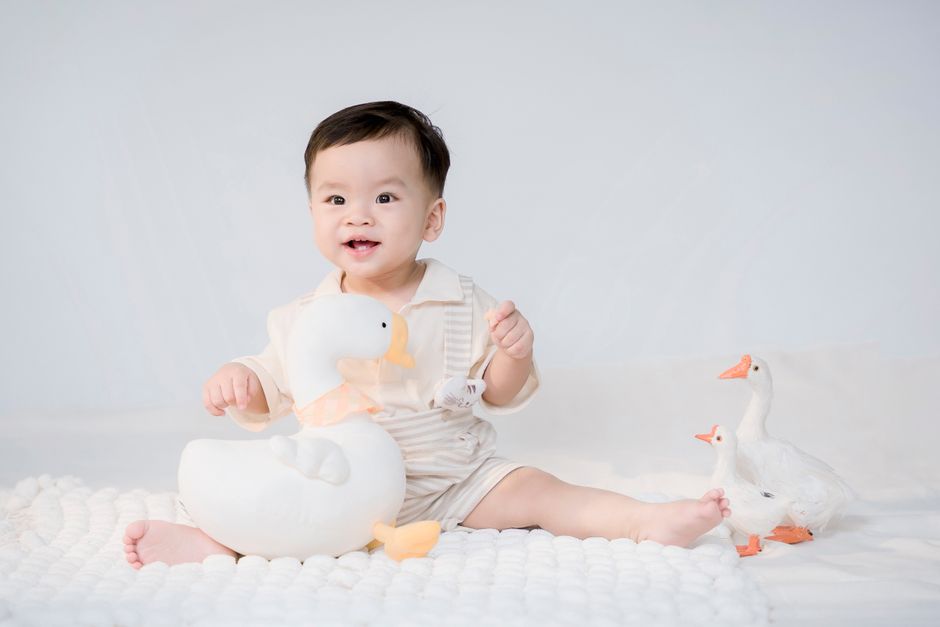
Introduction to Our Baby Cloth Doll Toy Manufacturing Process
At our company, creating a baby cloth doll toy is more than just manufacturing—it's a labor of love. Every doll that leaves our facility is designed to be a safe, cuddly, and enduring companion for your little one. In this in-depth guide, we'll take you behind the scenes of our manufacturing process, from selecting the softest fabrics to the final quality checks. Whether you're a parent, a retailer, or simply curious about how these cherished toys are made, this article will provide you with a comprehensive understanding of our commitment to quality and safety.
Stage 1: Design and Prototyping
The journey of a baby cloth doll toy begins in our design studio. Our designers sketch ideas based on current trends, classic styles, and feedback from parents and child development experts. Key considerations include:
- Safety first: No small parts, loose threads, or sharp edges.
- Age appropriateness: Dolls for babies under 12 months must be lightweight and easy to grasp.
- Sensory appeal: Different textures, gentle rattles, or crinkle sounds.
- Cultural relevance: Diverse skin tones, hairstyles, and outfits.
Once a design is approved, we create a prototype using soft, baby-safe materials. The prototype undergoes rigorous testing, including drop tests, seam strength tests, and a thorough review by our safety team. Only after passing all checks does the design move to production.
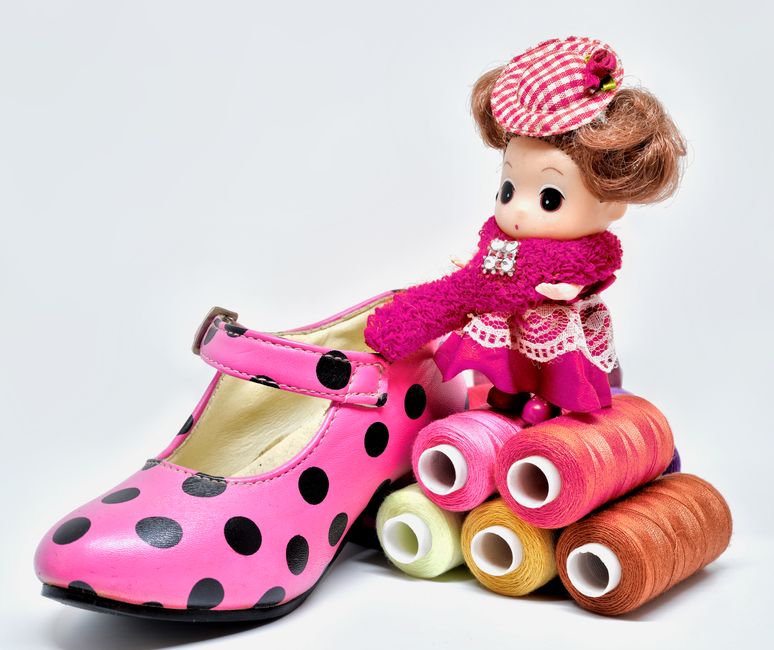
Stage 2: Material Selection and Preparation
The materials used in a baby cloth doll toy are critical to its safety and durability. We source only high-quality, non-toxic fabrics and fillings.
Fabrics
We use a variety of fabrics, each chosen for specific properties:
| Fabric Type | Properties | Common Use |
|---|---|---|
| Organic Cotton | Soft, breathable, hypoallergenic | Body, limbs, clothing |
| Muslin | Lightweight, gentle on skin | Swaddle-style dolls |
| Fleece | Warm, cozy, durable | Winter-themed dolls |
| Plush Velour | Ultra-soft, luxurious feel | Premium dolls |
All fabrics are pre-washed to remove any chemicals or dyes that could irritate a baby's skin. They are also tested for colorfastness to ensure they won't bleed when washed.
Fillings
For stuffing, we use polyester fiberfill that is hypoallergenic and retains its shape after washing. Some dolls feature bean bags filled with plastic pellets for a weighted, comforting feel—these are securely sewn into an inner pouch to prevent leakage.
Thread and Trims
We use extra-strong polyester thread that can withstand the tugging and pulling of curious little hands. Any ribbons, buttons, or embellishments are either securely stitched or, more often, embroidered directly onto the fabric to eliminate choking hazards.
Stage 3: Cutting and Sewing
Once materials are prepared, they move to our cutting and sewing department. Precision is key here.
Cutting
Using digital patterns and automated cutting machines, we cut fabric pieces with incredible accuracy. This minimizes waste and ensures that every doll part fits together perfectly. For small batches or custom orders, skilled artisans may cut by hand using rotary cutters and templates.
Sewing
Our sewing team consists of experienced seamstresses who specialize in baby-safe construction. Key techniques include:
- Double-stitched seams: For extra strength at stress points like arms and legs.
- Hidden seams: To prevent loose threads from wrapping around tiny fingers.
- Reinforced embroidery: For facial features—eyes, nose, and mouth are embroidered, not painted or glued.
Each doll is sewn inside out, then turned right side out and stuffed. After stuffing, the final opening is closed with a ladder stitch, which is nearly invisible and very secure.
Stage 4: Stuffing and Finishing
Stuffing is an art. Our team carefully fills each doll to achieve the perfect balance of softness and shape. We avoid overstuffing, which can make the doll stiff, and understuffing, which can cause lumps. For dolls with rattles or squeakers, these are inserted into a secure pocket before the final stitching.
Finishing touches include:
- Attaching any safe accessories, such as a sewn-on hat or scarf.
- Brushing the fabric to remove lint and loose fibers.
- Steaming to remove wrinkles and give the doll a fresh, plush appearance.
Stage 5: Quality Control and Safety Testing
Every baby cloth doll toy undergoes a multi-point quality inspection before it is packaged. Our quality control process includes:
Visual Inspection
Inspectors check for:
- Even stitching and no loose threads.
- Symmetrical features and correct placement of eyes, nose, and mouth.
- Clean fabric with no stains or defects.
Physical Testing
We conduct random sample testing for:
- Seam strength: Pulling on arms, legs, and head to ensure they don't detach.
- Small parts: Checking that no components can be pulled off and swallowed.
- Flammability: Ensuring fabrics meet safety standards.
- Washability: Machine washing and drying samples to confirm they retain shape and color.
Compliance
Our dolls comply with international safety standards, including ASTM F963 (US), EN71 (Europe), and ISO 8124. We also adhere to CPSIA requirements for lead and phthalate content. Each production batch is traceable, so we can quickly address any issues if they arise.
Stage 6: Packaging and Distribution
After passing quality control, dolls are dressed in their final outfits and packaged. We use eco-friendly packaging whenever possible, including recycled cardboard boxes and biodegradable poly bags. Each doll comes with a care label and a small tag that includes safety information and age recommendations.
Packaged dolls are then stored in our warehouse and shipped to retailers, online stores, and directly to consumers. We offer both wholesale and private label services, allowing brands to customize dolls with their own logos and designs.
Practical Tips for Parents and Retailers
When choosing a baby cloth doll toy, keep these tips in mind:
- Check for safety labels: Look for age recommendations and safety certifications.
- Inspect seams: Gently tug on limbs and accessories to ensure they are secure.
- Wash before use: Even though our dolls are clean, it's a good practice to wash them before giving them to a baby.
- Follow care instructions: Most cloth dolls are machine washable, but always check the label.
- Consider developmental benefits: Cloth dolls can help babies develop motor skills, emotional bonding, and sensory exploration.
Conclusion
Manufacturing a baby cloth doll toy is a detailed, multi-stage process that prioritizes safety, quality, and love. From the initial sketch to the final packaging, every step is carried out with the utmost care. We are proud to create dolls that not only meet but exceed industry standards, providing babies with a safe and comforting companion. Whether you're a parent looking for the perfect first doll or a retailer seeking a reliable supplier, our manufacturing process ensures that every doll is made to be cherished for years to come.
Ask us anything about design, materials, safety or shipping — we answer personally.