 English
 简体中文
简体中文 Русский
 Español
 Deutsch
Why Choosing the Right Life Jacket Matters
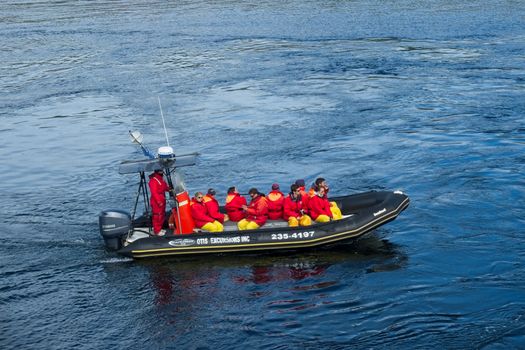
Whether you are a seasoned sailor, a weekend kayaker, or a family heading out on a pontoon boat, the life jacket you wear is the single most important piece of safety equipment on board. According to boating safety statistics, the vast majority of drowning victims in recreational boating accidents were not wearing a life jacket. The right adult life jacket can mean the difference between a scary moment and a tragedy. But with so many styles, ratings, and features on the market, choosing one can feel overwhelming. This complete guide walks you through everything you need to know to select a life jacket that fits your body, your activity, and your budget.
Understand the Different Types of Life Jackets
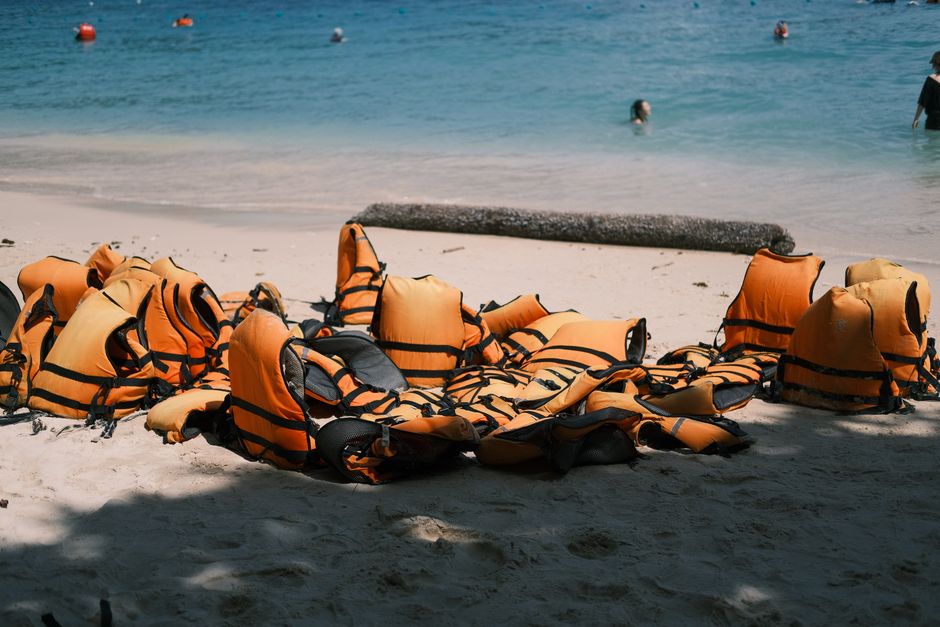
Life jackets, also called personal flotation devices (PFDs), are categorized by performance type under standards such as those from the U.S. Coast Guard and ISO. Understanding these categories is the first step toward making a smart choice.
Type I: Offshore Life Jackets
These offer the highest buoyancy and are designed for rough, open water where rescue may be delayed. They can turn an unconscious wearer face-up. They are bulky but indispensable for offshore cruising and long-distance sailing.
Type II: Near-Shore Buoyancy Vests
Intended for calm, inland waters where quick rescue is likely. They are less bulky than Type I but may not turn an unconscious person face-up as reliably.
Type III: Flotation Aids
The most popular choice for recreational activities such as kayaking, fishing, and water skiing. They are comfortable and allow freedom of movement but require the wearer to be conscious and able to tilt their head back to stay face-up.
Type IV: Throwable Devices
These include ring buoys and cushions. They are meant to be thrown to someone in the water, not worn. Every boat should carry at least one.
Type V: Special-Use Devices
These are designed for specific activities like whitewater paddling, windsurfing, or commercial use. They must be worn to count toward carriage requirements.
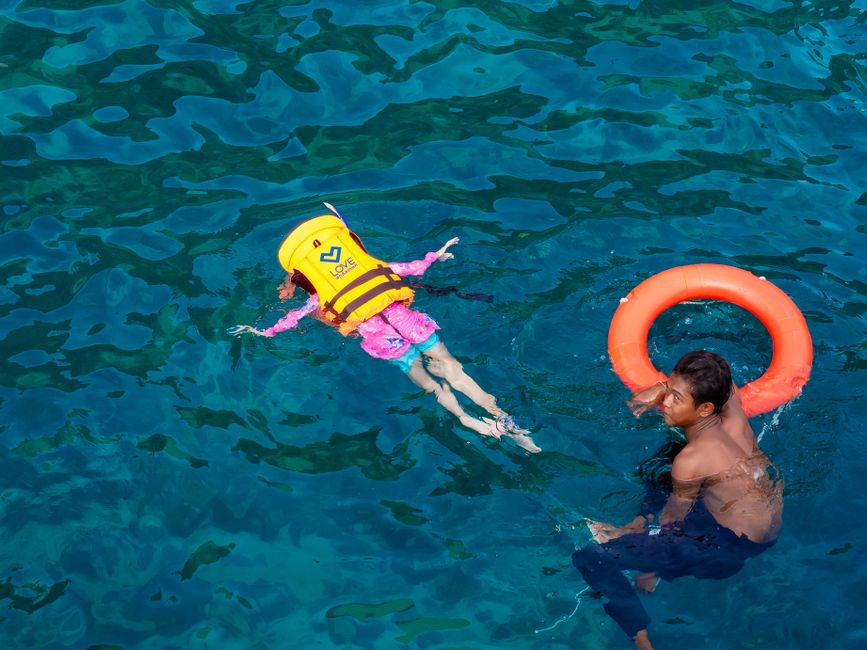
Buoyancy Ratings and What They Mean
Buoyancy is measured in pounds or newtons. Adult life jackets typically range from about 15.5 pounds (70 newtons) for a basic flotation aid to 22 pounds (100 newtons) or more for offshore models. Higher buoyancy provides more lift, which is especially important in rough water or for heavier individuals. As a rule of thumb, choose a jacket with enough buoyancy to keep your chin comfortably above water with minimal effort.
| Type | Typical Buoyancy | Best Use |
|---|---|---|
| Type I | 22 lbs / 100 N+ | Offshore, rough water |
| Type II | 15.5 lbs / 70 N | Calm inland waters |
| Type III | 15.5–22 lbs | Recreational sports |
| Type V | Varies | Special activities |
Fit Is Everything: How to Size an Adult Life Jacket
A life jacket only works if it stays on and fits snugly. Follow these steps when trying one on:
- Check the weight and chest size range on the label and stay within it.
- Zip and buckle all closures, then tighten straps from the bottom up.
- Have someone pull up on the shoulders. If the jacket rides up past your ears, it is too loose.
- Raise your arms overhead. The jacket should not shift significantly.
- Breathe normally; a good fit is snug but does not restrict breathing.
Remember that body shapes change, and children grow. Re-check fit at the start of every season and after any weight change.
Inflatable vs. Foam Life Jackets
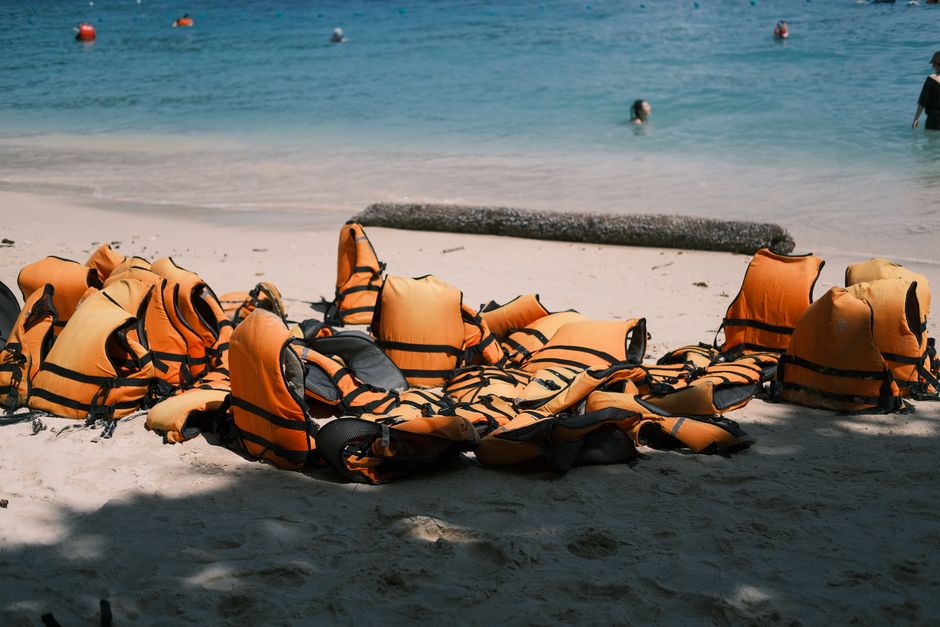
Foam life jackets are the traditional, always-ready option. They require no maintenance beyond cleaning and offer instant flotation. Inflatable life jackets are lightweight and low-profile, making them comfortable for fishing, sailing, and paddle sports. However, they rely on a CO2 cartridge and must be manually or automatically triggered. They require regular inspection of the cartridge, bobbin, and inflator. Many boaters keep a foam jacket as a backup and use an inflatable for everyday comfort.
Features That Improve Safety and Comfort
Modern life jackets come with a range of features. Consider these when comparing models:
- Reflective tape: Improves visibility in low light and during rescues.
- Whistle and attachment points: Useful for signaling and securing gear.
- Pockets and D-rings: Convenient for carrying a radio, keys, or a knife.
- Neoprene or mesh panels: Increase comfort and reduce chafing.
- Quick-release buckles: Make the jacket easier to put on and take off.
- Spray hood: Protects against cold water and spray in rough conditions.
Match the Jacket to Your Activity
The best life jacket depends on what you plan to do. Here is a quick guide:
| Activity | Recommended Type | Key Consideration |
|---|---|---|
| Offshore sailing | Type I or inflatable | High buoyancy, harness |
| Kayaking / canoeing | Type III paddling vest | Freedom of movement |
| Fishing | Type III or inflatable | Comfort, pockets |
| Water skiing | Type III | Impact protection |
| Pontoon / casual boating | Type II or III | All-day comfort |
| Whitewater rafting | Type V | High impact, rescue features |
Maintenance and Replacement
Life jackets are not indestructible. Foam jackets should be rinsed with fresh water after each use, dried in the shade, and stored away from direct sunlight and heat. Check for tears, fading, and brittle straps. Inflatables need an annual inspection: weigh or test the CO2 cartridge, check the bobbin, and inflate the jacket orally to check for leaks. Replace any jacket that shows signs of wear, has been in a serious accident, or is more than a few years old if it has been heavily used.
Common Mistakes to Avoid
- Buying a jacket that is too large because it feels comfortable on land.
- Assuming a Type III jacket will turn an unconscious person face-up.
- Forgetting to test inflatable mechanisms before each trip.
- Storing jackets in a hot car or damp locker.
- Relying on a single throwable device instead of wearable jackets for everyone on board.
Final Checklist Before You Buy
Before you commit to a purchase, run through this checklist:
- Does it meet the certification required in your region?
- Is the buoyancy rating appropriate for your weight and waters?
- Does it fit snugly without restricting movement?
- Is it comfortable enough that you will actually wear it?
- Does it have the features you need for your activity?
- Can you maintain it easily and afford replacement parts?
Choosing the right adult life jacket is a personal decision, but it does not have to be complicated. Focus on fit, buoyancy, and intended use, and you will find a jacket that keeps you safe and comfortable on every adventure.
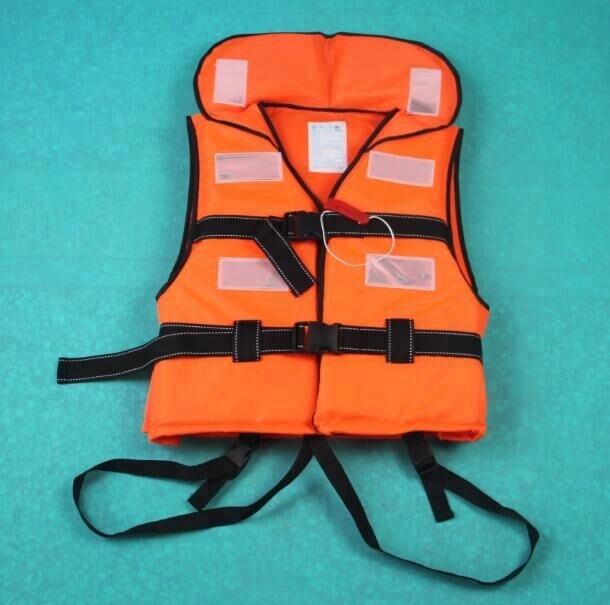 MT-LJ01 150N Buoyancy Life Jacket Vest | Oxford Fabric, SOLAS Reflective, Personal Rescue
 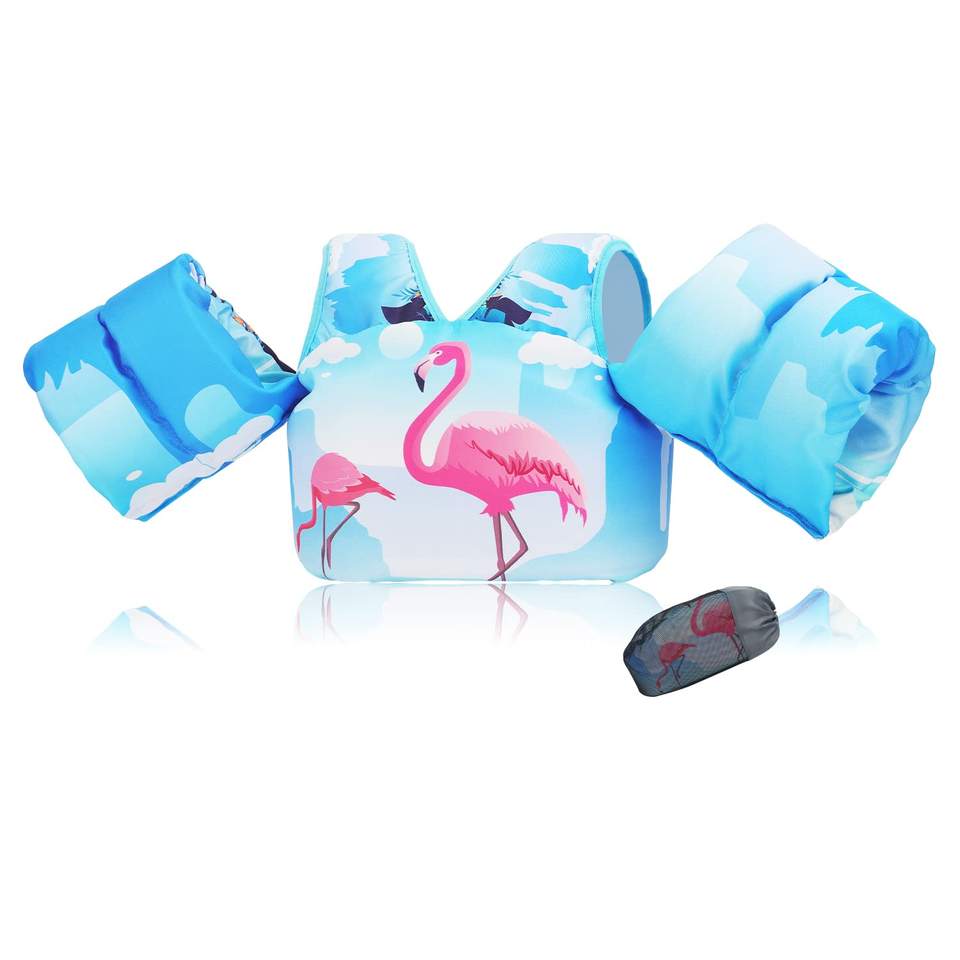 Custom Flamingo Kids Swim Vest | Neoprene Life Jacket with Adjustable Buckle
 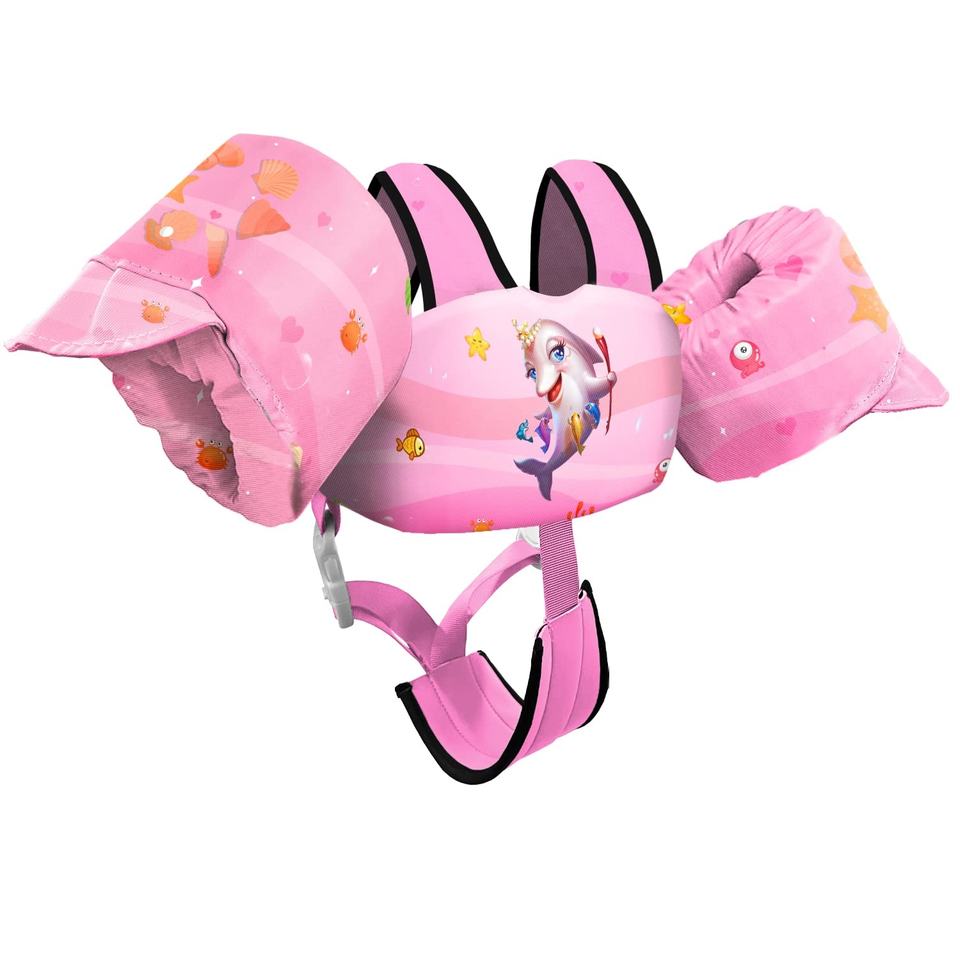 Eco-Friendly Neoprene Kids Swim Vest with Armbands | Toddler Floatation Device
 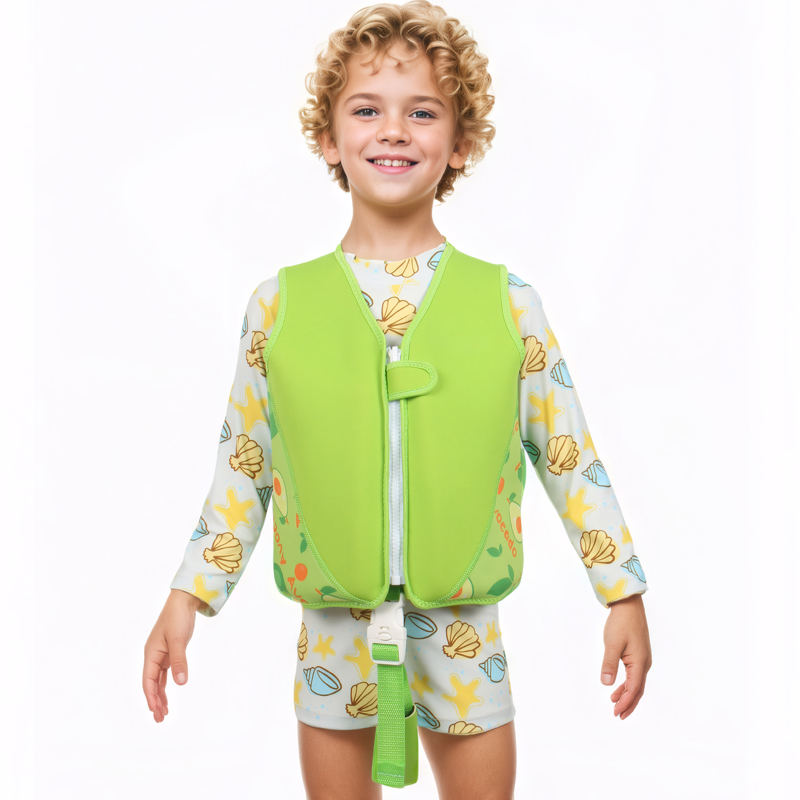 Premium Neoprene Kids Life Vest | Waterproof Baby Float Life Jacket for Swimming
 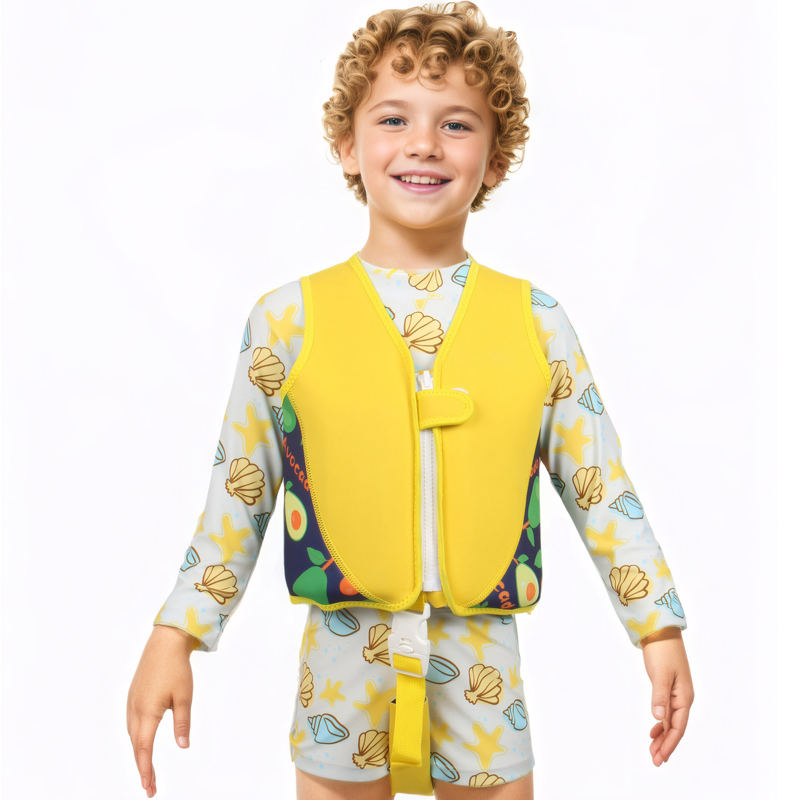 Cartoon Printed Neoprene Kids Life Vest | Eco-Friendly Buoyancy Swimwear
 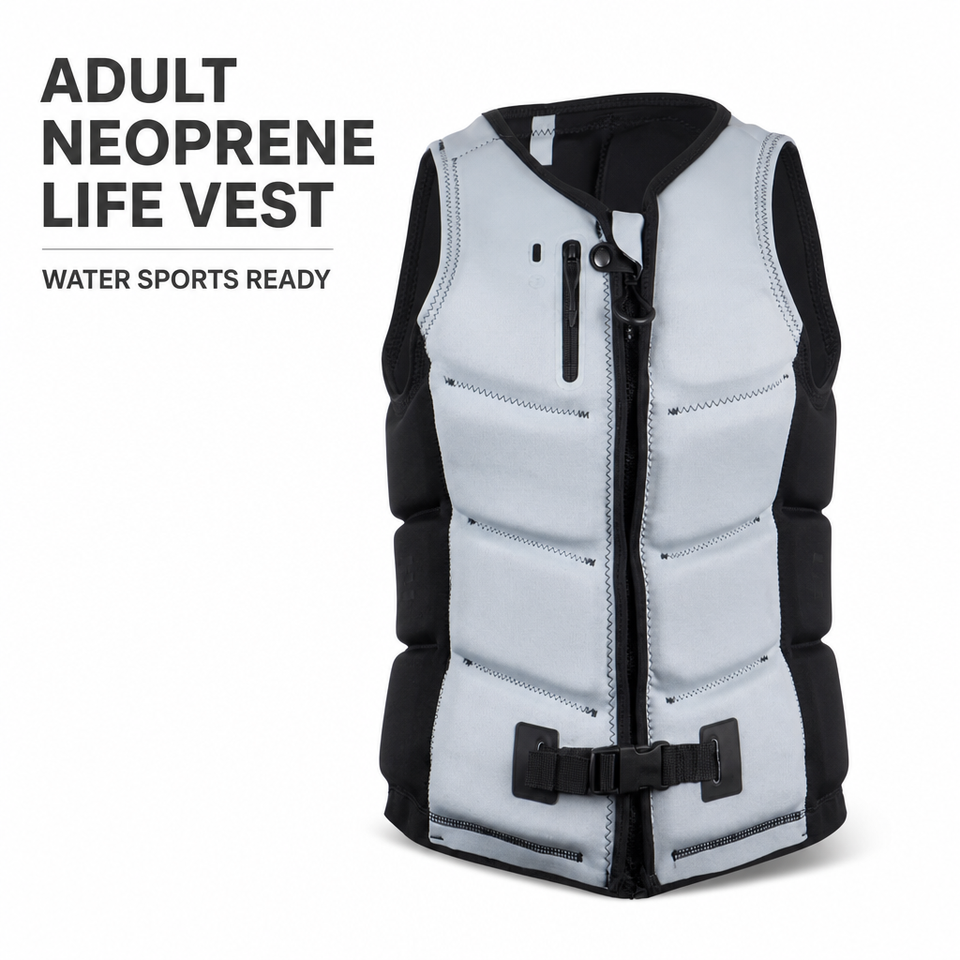 Premium Neoprene Adult Life Jacket | Custom Logo Swim Vest for Water Sports