 English
 简体中文
简体中文 Русский
 Español
 Deutsch
What Are the Basic Life Jacket Requirements for Boats?
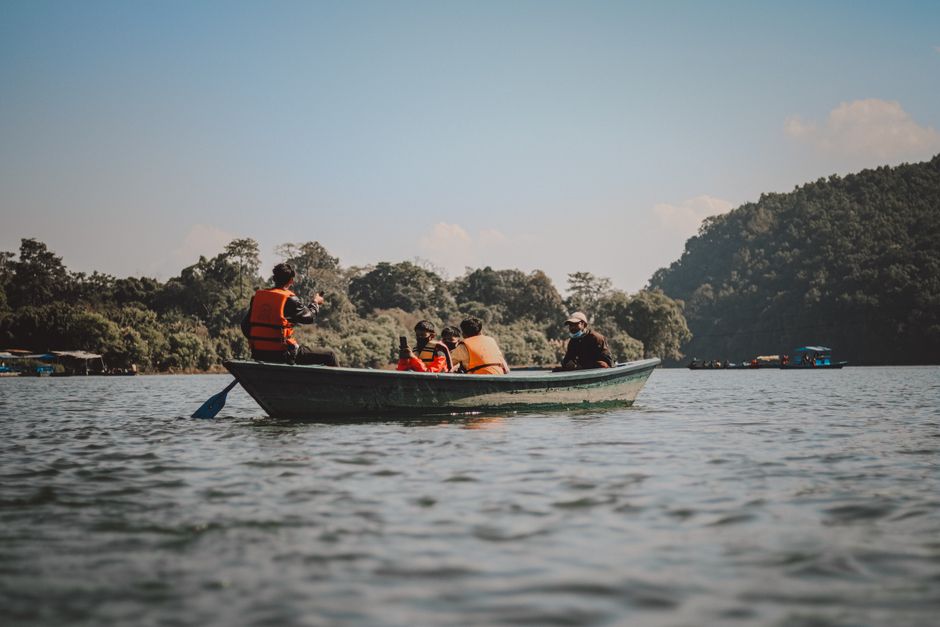
In the United States, the U.S. Coast Guard (USCG) requires that every recreational boat carry at least one wearable personal flotation device (PFD) for each person on board. These life jackets must be USCG-approved, in good and serviceable condition, and the correct size for the intended wearer. This is not a suggestion — it is federal law, and failing to comply can result in fines and, more importantly, put lives at risk.
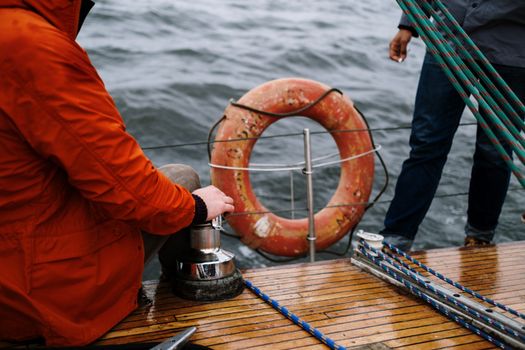
The exact number and type of life jackets you need depends on the size of your boat and the number of passengers. For boats under 16 feet, you need one wearable PFD per person. For boats 16 feet and longer, you need one wearable PFD per person plus at least one throwable flotation device (like a ring buoy or cushion) that can be thrown to someone in the water. These requirements apply whether you are on a lake, river, bay, or ocean.
Beyond the legal minimum, safety experts recommend that everyone wear a life jacket at all times while on the water, not just store them under a seat. Accidents happen fast, and in many drowning cases, victims never had time to grab a stowed PFD. Think of the requirement as a floor, not a ceiling, for your on-water safety.
Do Children Need Special Life Jackets?
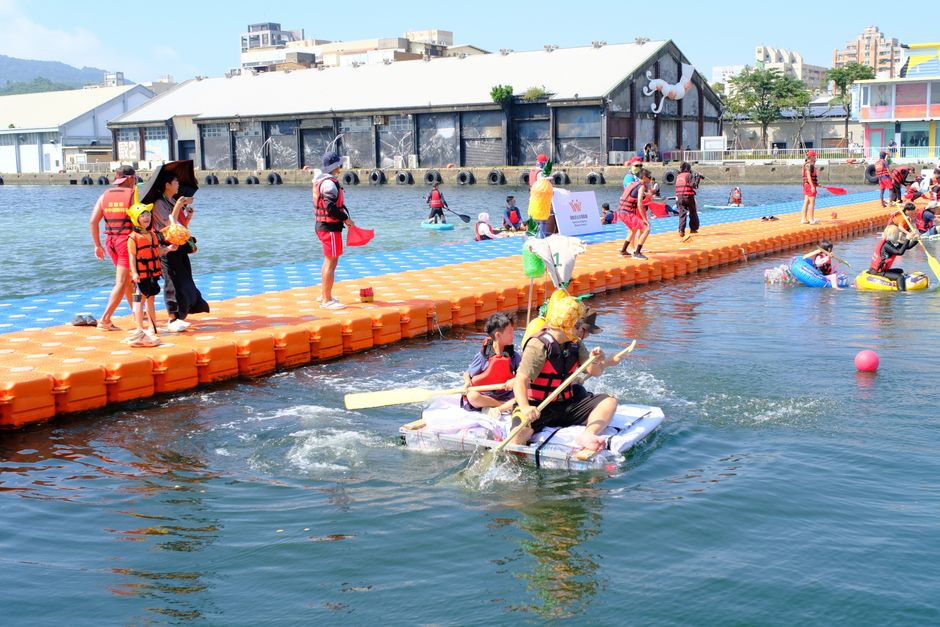
Yes. Children require properly sized life jackets, and most states have specific laws about when children must wear them. In many states, children under 13 years old must wear a USCG-approved life jacket at all times while the boat is underway, unless they are below deck or in an enclosed cabin. Some states extend this to children under 6 or require additional supervision.
Children's life jackets are categorized by weight, not age, because body size varies so much. You will see infant sizes (under 30 lbs), child sizes (30–50 lbs), and youth sizes (50–90 lbs). A jacket that is too large can slip off in the water and provide no flotation, while one that is too small will not keep a child's head above water. Always check the label and test the fit in shallow water before heading out.
Never rely on adult life jackets for children, and never use inflatable toys or water wings as substitutes. They are not designed to keep a child's airway clear and are not approved safety devices. A properly fitted, USCG-approved child PFD with a collar for head support is essential.
What Types of Life Jackets Are There?
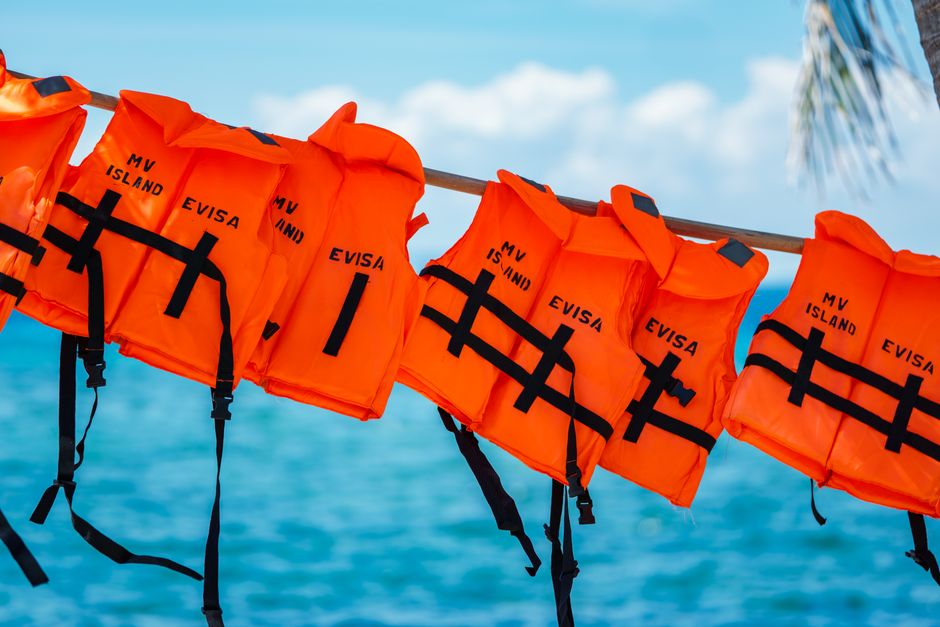
The USCG recognizes five types of PFDs, each designed for different activities and conditions. Understanding the differences helps you choose the right gear for your boat and your passengers.
| Type | Description | Best Use |
|---|---|---|
| Type I | Offshore life jacket | Open water, rough conditions |
| Type II | Near-shore buoyant vest | Calm inland waters |
| Type III | Flotation aid | Fishing, water sports, general boating |
| Type IV | Throwable device | Ring buoys, cushions |
| Type V | Special-use device | Work vests, inflatables, kayaking |
Type I offers the most buoyancy and is designed to turn an unconscious person face-up, making it ideal for offshore and rough-water boating. Type II is less bulky but offers less turning ability. Type III is the most common for recreational boaters because it is comfortable and allows freedom of movement, though it may not turn an unconscious wearer face-up. Type IV devices are throwables, not wearables, and Type V covers specialized gear like inflatable life jackets that must be worn to count toward your requirement.
Inflatable life jackets are increasingly popular because they are lightweight and comfortable. However, they only count as a wearable PFD when worn, not when stowed. They also require regular maintenance, including checking the CO2 cartridge and inspecting the bladder for leaks.
Are Inflatable Life Jackets Coast Guard Approved?
Yes, many inflatable life jackets are USCG-approved, but with important conditions. They are approved as Type V or Type III devices depending on the model, and they must be worn to satisfy the carriage requirement. If you store an inflatable in a locker, it does not count as one of your required PFDs.
Inflatable life jackets are not approved for all users. Most are not approved for children under 16, non-swimmers, or use on personal watercraft (jet skis) unless specifically labeled otherwise. They also require more care than foam jackets: you should inspect them before each use, check the indicator on the CO2 cartridge, and follow the manufacturer's service schedule.
For many adult boaters, inflatables are a great choice because they are comfortable enough to wear all day. That comfort translates directly into safety, since the best life jacket is the one you actually wear. Just make sure you understand the limitations and maintenance requirements before relying on one.
Where Must Life Jackets Be Stored on a Boat?
Life jackets must be readily accessible. The USCG requires that they be stowed where they can be reached quickly, and they should not be locked in a compartment, sealed in plastic, or buried under gear. If an emergency happens, you may have only seconds to grab a PFD.
Throwable devices like ring buoys or cushions must be immediately available as well. Many boaters keep them on deck or in an open storage area near the helm. Wearable jackets should be stored in a dry, ventilated space to prevent mildew and deterioration, but never so tightly packed that they are hard to pull out.
It is also smart to do a quick inventory before every trip. Count your passengers, count your life jackets, and make sure each person knows where theirs is. If you carry guests, show them where the PFDs are stored and how to put them on. A little preparation goes a long way.
What Happens If You Do Not Have Enough Life Jackets?
If you are stopped by law enforcement and found without the required number of life jackets, you can face fines and citations. The exact penalty varies by state, but federal law allows civil penalties for safety violations. More importantly, you could be putting everyone on board at risk if an accident occurs.
Boating accidents can happen without warning — a sudden wave, a collision, or a mechanical failure. In these moments, having enough properly fitted life jackets is the difference between a scary story and a tragedy. The law exists because too many people have drowned in situations where a PFD would have saved them.
Beyond fines, you may also be held liable in civil court if a passenger is injured or killed and proper safety equipment was not available. The best approach is to treat life jacket requirements as a non-negotiable part of your pre-departure checklist.
Do Paddleboards and Kayaks Require Life Jackets?
Yes. The USCG classifies paddleboards, kayaks, and canoes as vessels, which means they are subject to the same life jacket carriage requirements as other boats. You must have a wearable PFD for each person on board, and in many states, children must wear them at all times.
For paddleboards specifically, the rules can be confusing. If you are paddling beyond the surf zone or in a designated navigable waterway, you are generally required to have a PFD on board and often to wear one. Many local jurisdictions require wearing a life jacket at all times on a paddleboard, regardless of age.
Because paddlers are often in the water or at risk of falling in, wearing a life jacket is especially important. A Type III or Type V paddling-specific PFD offers mobility and comfort, making it easy to wear for the entire trip. Do not assume that because you are a strong swimmer, you do not need one — cold water, currents, and fatigue can overwhelm anyone.
How Should a Life Jacket Fit?
A properly fitting life jacket should be snug but not restrictive. Fasten all straps, buckles, and zippers, then have someone pull up on the shoulders of the jacket. If it rides up past your ears or chin, it is too loose and could slip off in the water. A good fit stays in place when you move your arms and bend over.
Check the weight and chest size on the label and match it to the wearer. For children, choose a jacket with a collar for head support and a crotch strap to prevent ride-up. Test the fit in shallow water before relying on it in deeper water, and make sure the wearer can float comfortably with their head above water.
Remember that life jackets are not indestructible. Inspect them regularly for tears, broken zippers, missing straps, and deteriorated foam. Replace any jacket that shows signs of damage or that no longer fits. A damaged life jacket may not keep you afloat when you need it most.
Frequently Asked Questions
Can I use a life jacket that is not USCG-approved?
No. To satisfy legal requirements, life jackets must be USCG-approved. Non-approved devices, such as water wings or inflatable toys, do not count and should never be used as safety equipment.
How often should I replace my life jacket?
There is no fixed expiration date, but you should replace any jacket that is torn, faded, stiff, or has damaged straps or buckles. Foam jackets can last many years with proper care, while inflatables need regular servicing.
Do I need a life jacket for my pet?
While not legally required in most places, pet life jackets are strongly recommended. They help keep dogs and cats afloat and make it easier to lift them back on board.
Are life jackets required on a moored or anchored boat?
Yes. The carriage requirement applies whenever the vessel is in operation, and many states require children to wear them even when anchored or moored. Always check your local regulations.
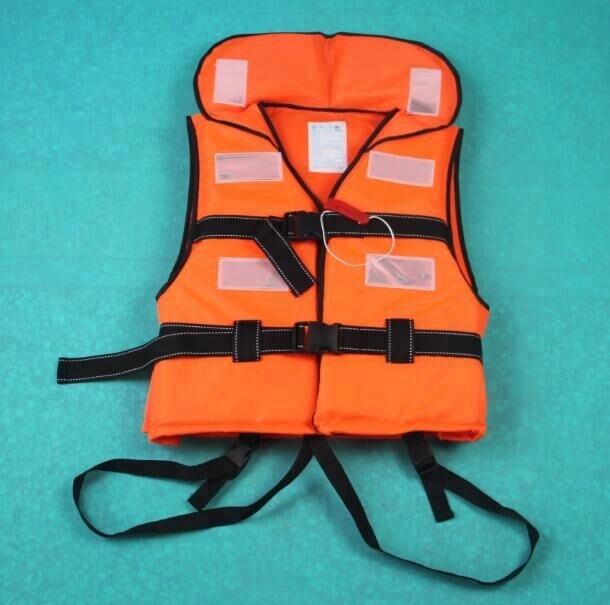 MT-LJ01 150N Buoyancy Life Jacket Vest | Oxford Fabric, SOLAS Reflective, Personal Rescue
 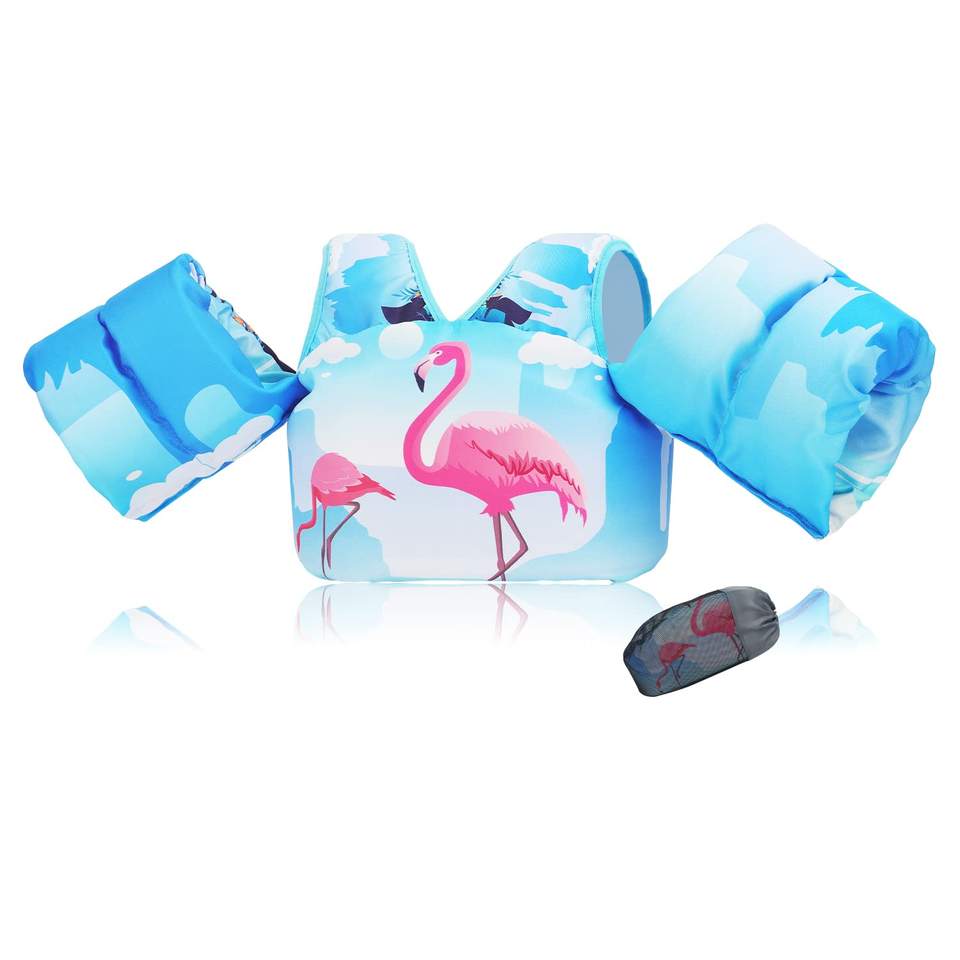 Custom Flamingo Kids Swim Vest | Neoprene Life Jacket with Adjustable Buckle
 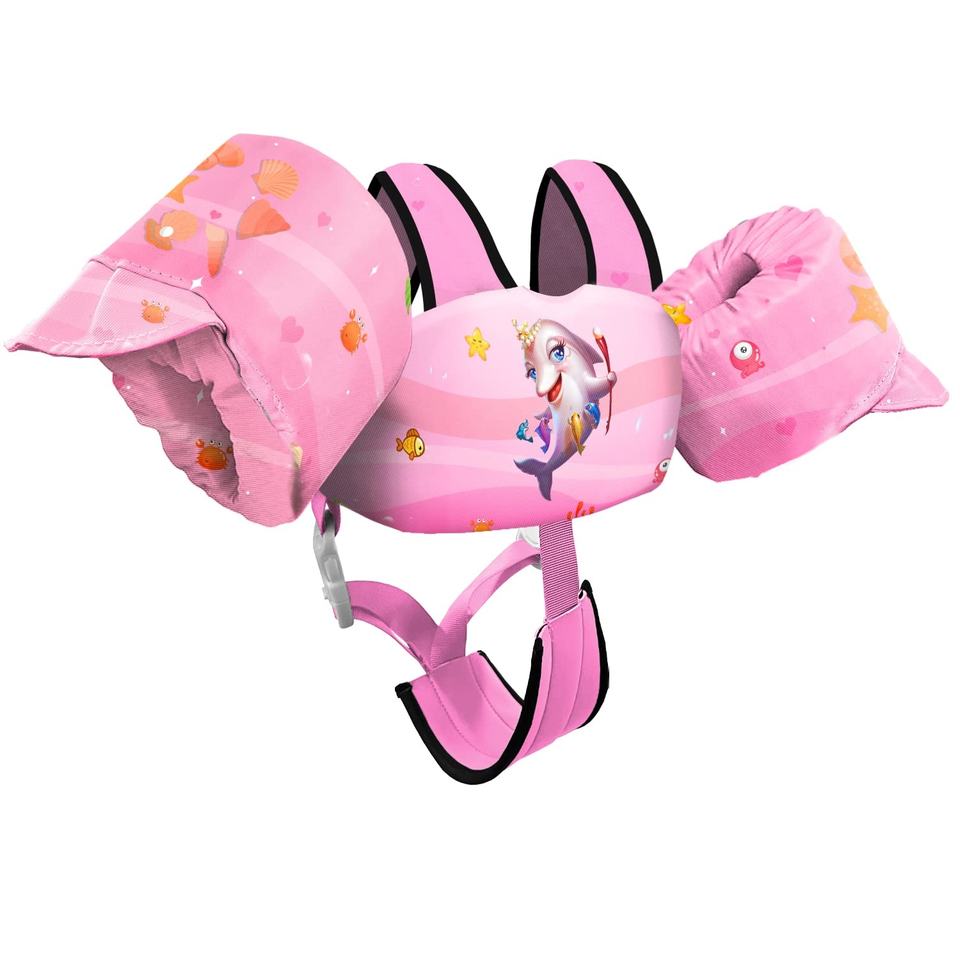 Eco-Friendly Neoprene Kids Swim Vest with Armbands | Toddler Floatation Device
 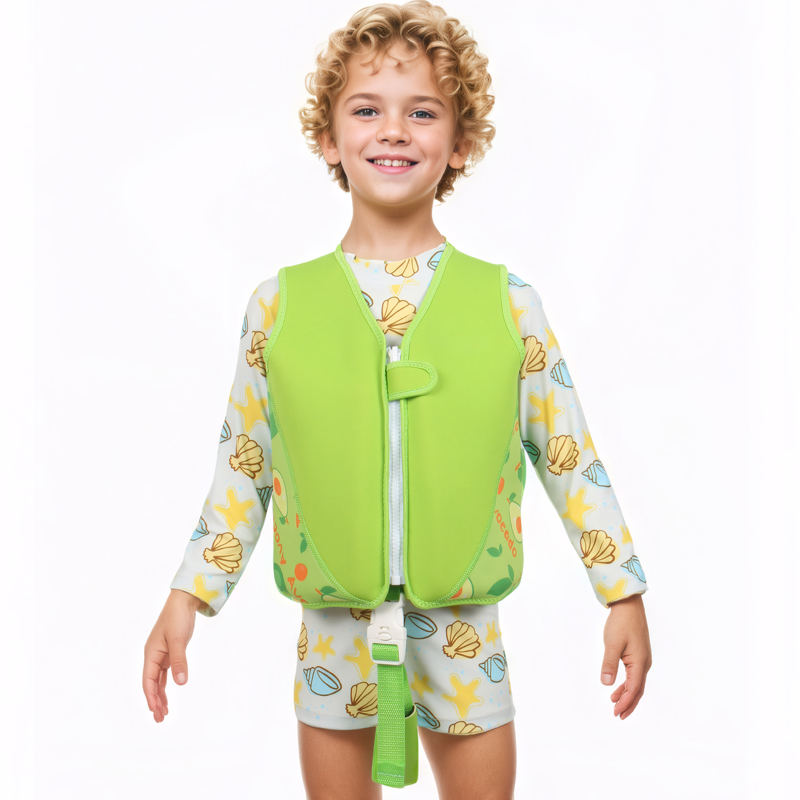 Premium Neoprene Kids Life Vest | Waterproof Baby Float Life Jacket for Swimming
 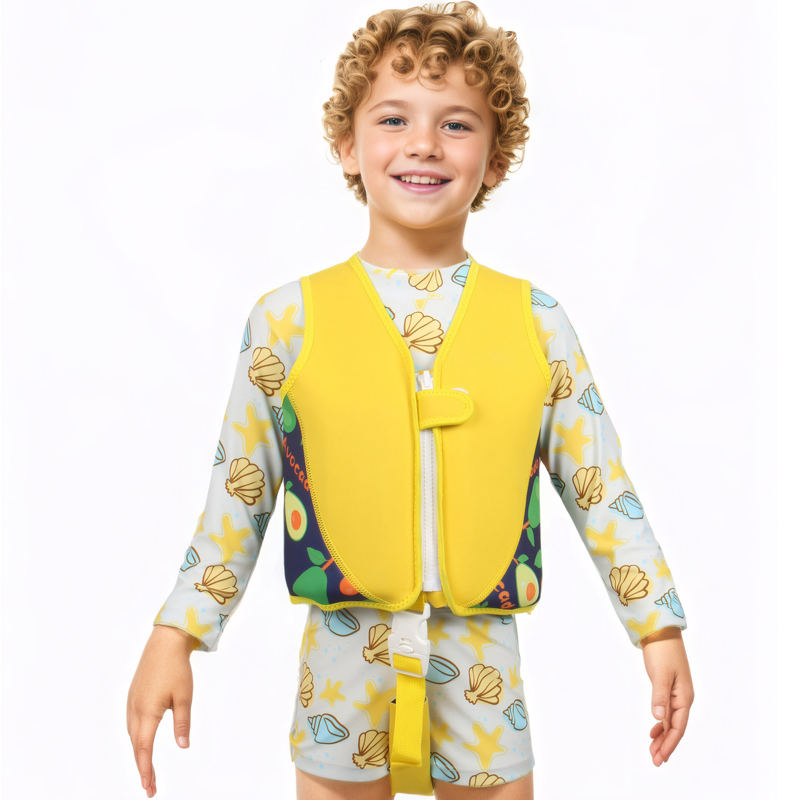 Cartoon Printed Neoprene Kids Life Vest | Eco-Friendly Buoyancy Swimwear
 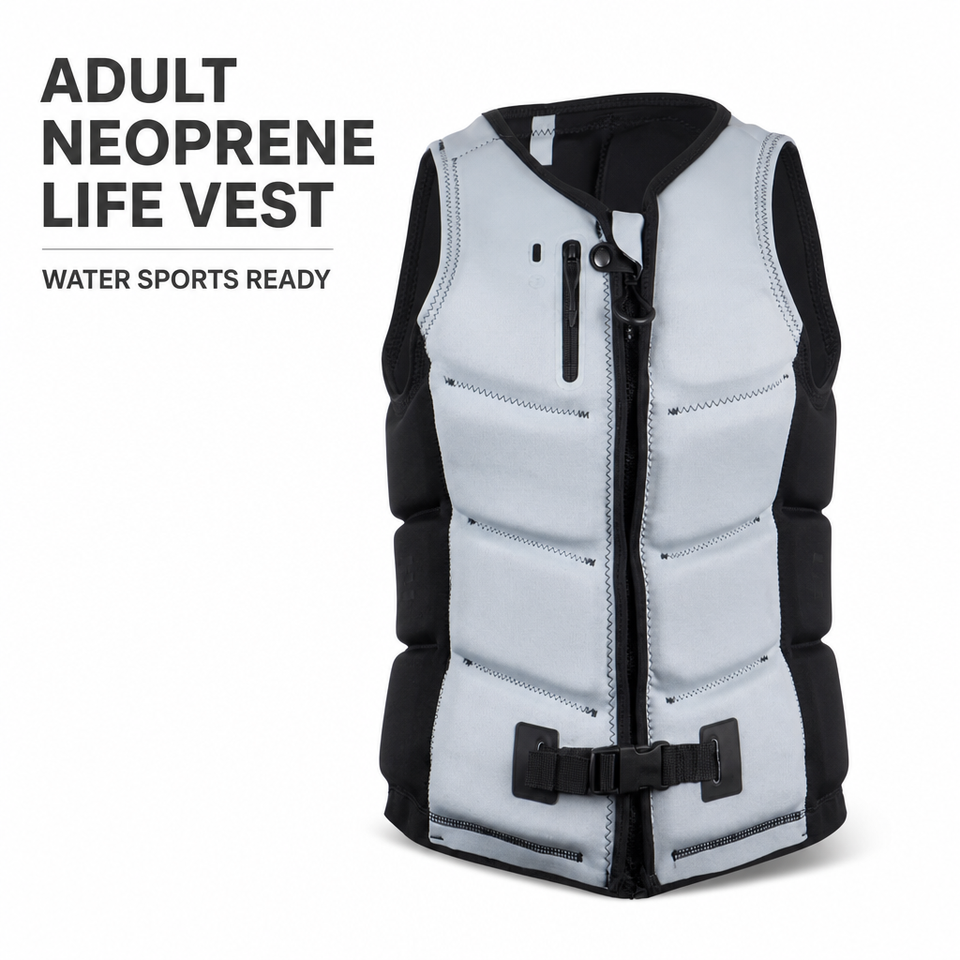 Premium Neoprene Adult Life Jacket | Custom Logo Swim Vest for Water Sports