 English
 简体中文
简体中文 Русский
 Español
 Deutsch
Introduction: Why the Terminology Matters
If you have ever stood in the aisle of a marine supply store, stared at two nearly identical pieces of flotation foam, and wondered whether you needed a life jacket or a life vest, you are not alone. The two terms are used interchangeably in casual conversation, in product listings, and even in some boating safety courses. However, the distinction between a life jacket and a life vest is not just a matter of semantics. It affects how a device performs in the water, who should wear it, how it is regulated, and ultimately how safe you are when things go wrong.
This guide breaks down the life jacket vs life vest debate in detail. You will learn the technical definitions, the regulatory standards behind each term, the different types of flotation devices available, and practical tips for choosing the right one for your boating, fishing, paddling, or water sports activities. By the end, you will be able to walk into any store or browse any online catalog and know exactly what you are buying.
The Core Difference: Life Jacket vs Life Vest Defined
The simplest way to understand the difference is to think about orientation and purpose. A life jacket is designed to turn an unconscious person face-up in the water, keeping the airway clear. A life vest is designed to keep a conscious person afloat and comfortable, but it may not automatically rotate the wearer onto their back.
What Is a Life Jacket?
A life jacket is a personal flotation device (PFD) engineered with the primary goal of survival. Its buoyancy is distributed so that even if the wearer is exhausted, injured, or unconscious, the device will roll them onto their back and hold their head above water. This is why life jackets are often called "offshore" or "safety" devices. They tend to be bulkier, have a collar that supports the head, and are built for emergency situations rather than all-day comfort.
What Is a Life Vest?
A life vest, sometimes called a life vest or watersports vest, is a PFD optimized for comfort and mobility. It provides buoyancy to keep a conscious wearer afloat, but it does not guarantee face-up flotation. Life vests are common in kayaking, paddleboarding, wakeboarding, water skiing, and fishing, where the wearer is expected to be alert and active. They are lighter, more flexible, and often more stylish than traditional life jackets.
Quick Comparison Table
| Feature | Life Jacket | Life Vest |
|---|---|---|
| Primary purpose | Survival and unconscious flotation | Comfort and conscious flotation |
| Face-up rotation | Yes, designed to turn wearer face-up | Not guaranteed |
| Bulk and fit | Bulky, high collar, secure straps | Slim, flexible, athletic cut |
| Typical use | Offshore boating, rough water, emergencies | Kayaking, paddleboarding, water sports |
| Buoyancy range | Higher, often 15.5 lbs or more | Lower to moderate, varies by activity |
| Regulatory category | Often Type I or Type II | Often Type III or Type V |
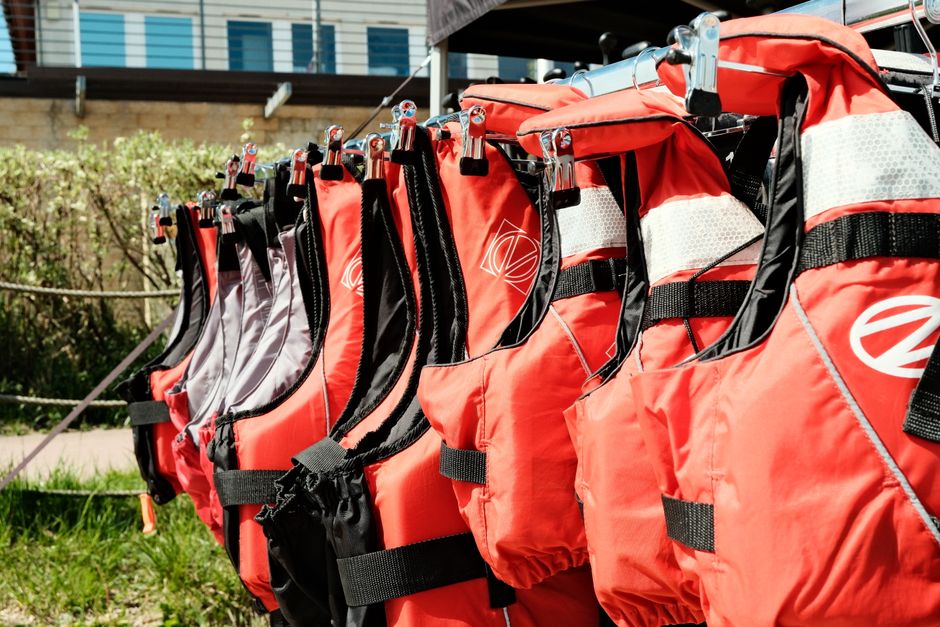
Regulatory Standards and PFD Types
In the United States, the Coast Guard classifies personal flotation devices into five types. Understanding these types is the fastest way to decode whether a product is functionally a life jacket or a life vest.
Type I: Offshore Life Jacket
Type I PFDs offer the highest buoyancy and the best face-up turning performance. They are designed for rough, open water where rescue may be delayed. If you are crossing an ocean, fishing far offshore, or boating in severe conditions, this is the device you want. It is the truest form of a life jacket.
Type II: Near-Shore Buoyant Vest
Type II devices are intended for calm, inland waters where rescue is quick. They provide good flotation and some face-up turning ability, but less than Type I. They are often sold as "life vests" and are a middle ground between comfort and safety.
Type III: Flotation Aid
Type III PFDs are the most common life vests. They are comfortable, allow freedom of movement, and are ideal for conscious users in calm water. They do not reliably turn an unconscious person face-up, so they are best for supervised, near-shore activities.
Type IV: Throwable Device
Type IV devices are not worn. They include ring buoys and seat cushions that you throw to someone in the water. They are a required complement to wearable PFDs on many boats, but they are not a substitute for a life jacket or life vest.
Type V: Special Use Device
Type V covers specialized devices such as inflatable life jackets, harnesses, and work vests. Some Type V devices only count as legal flotation when worn, and their performance depends on the specific design and certification.
How Buoyancy and Design Affect Performance
Buoyancy is measured in pounds of flotation. A device with 15.5 pounds of buoyancy is generally considered the minimum for adult safety, while offshore life jackets may provide 22 pounds or more. The distribution of that foam matters just as much as the total amount.
- Collar design: Life jackets have a thick collar that cradles the head and helps keep the face out of the water.
- Front panels: Life vests concentrate foam on the chest and back, which supports a conscious swimmer but can push an unconscious face forward.
- Straps and buckles: Life jackets use multiple adjustment points to prevent the device from riding up. Life vests often use fewer, simpler closures for quick on-and-off.
- Material: Inherently buoyant foam is the standard for both, but inflatable life jackets use CO2 cartridges and can be much slimmer until deployed.
When to Choose a Life Jacket
Choose a life jacket when the consequences of failure are highest. That means offshore passages, cold water, rough seas, night boating, solo trips, and any situation where you might become incapacitated. Children and non-swimmers should also wear life jackets rather than minimal life vests, because a child who panics or loses consciousness needs the automatic face-up rotation that only a true life jacket provides.
Practical tip: If you are boating more than a few miles from shore, or if the water temperature is below 60°F, prioritize a Type I or Type II life jacket over a stylish life vest. Hypothermia can rob you of muscle control within minutes, and that is exactly when face-up flotation saves lives.
When a Life Vest Is the Better Choice
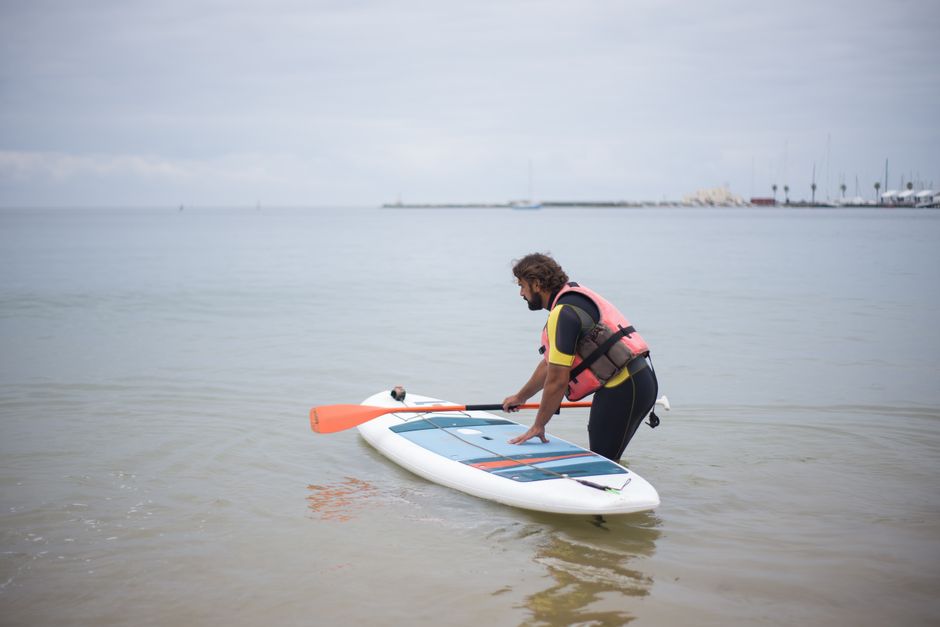
A life vest shines in active, supervised environments. Kayakers, paddleboarders, anglers, and water skiers need freedom of movement. A bulky offshore life jacket can restrict paddling, interfere with casting, and overheat the wearer on a warm day. A well-fitted life vest keeps you afloat, lets you swim, and encourages consistent wear, which is the single most important factor in real-world safety.
Practical tip: For paddle sports, look for a life vest with a high back panel that clears your seat, adjustable side straps, and a snug fit that does not ride up when you raise your arms. Test it by pulling up on the shoulders; if the vest slides above your chin, it is too loose.
Common Myths and Misconceptions
Myth 1: Life Jackets and Life Vests Are Identical
They are not. The terms describe different performance goals. A life vest may keep you afloat, but only a life jacket is engineered to save an unconscious wearer.
Myth 2: Any PFD Works for Any Activity
Using an offshore life jacket for paddleboarding is uncomfortable, and using a slim life vest for offshore fishing is risky. Match the device to the activity and the water conditions.
Myth 3: Inflatable Devices Are Always Better
Inflatable life jackets are convenient and compact, but they require maintenance, CO2 cartridge replacement, and manual or automatic activation. They are excellent for adults in many situations, but they are not ideal for children or non-swimmers.
Myth 4: You Only Need One PFD on Board
Regulations generally require one wearable PFD per person, plus a throwable device on larger boats. More importantly, a PFD only works if it fits and is worn.
How to Choose the Right Device: A Step-by-Step Guide
- Identify your activity: Offshore boating, inland fishing, kayaking, and water skiing all point to different PFD types.
- Assess the water: Cold, rough, or remote water calls for a life jacket. Warm, calm, supervised water allows a life vest.
- Check the certification: Look for a Coast Guard approval label and confirm the device is approved for your intended use.
- Test the fit: Try it on, tighten all straps, and have someone pull up on the shoulders. It should not move above your ears.
- Consider the wearer: Children, non-swimmers, and anyone with medical conditions should use a life jacket with head support.
- Maintain the device: Rinse after saltwater use, inspect foam and stitching, and replace inflatable cartridges on schedule.
Final Thoughts: Safety Over Semantics
The life jacket vs life vest distinction comes down to design intent. A life jacket is a survival device built to save an unconscious person. A life vest is a comfort-oriented flotation aid built for conscious, active users. Both have a place on the water, and both are far better than nothing. The key is to match the device to the person, the activity, and the conditions, and then actually wear it every time you leave the dock. When in doubt, choose the higher level of protection. You can always trade comfort for safety, but you cannot trade safety for comfort once you are in the water.
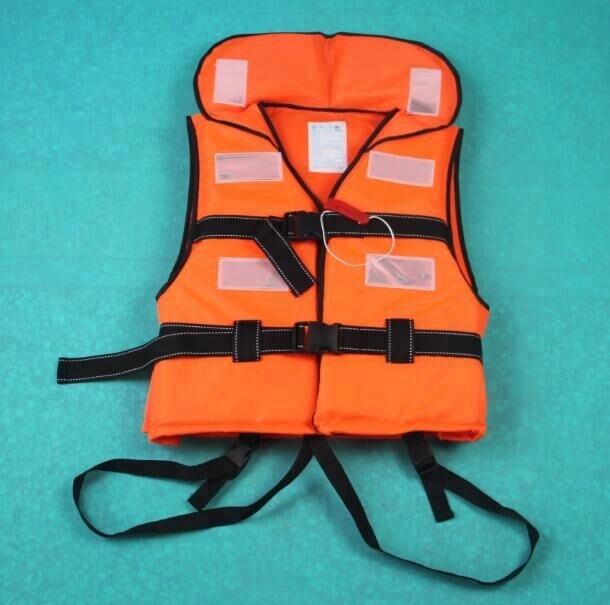 MT-LJ01 150N Buoyancy Life Jacket Vest | Oxford Fabric, SOLAS Reflective, Personal Rescue
 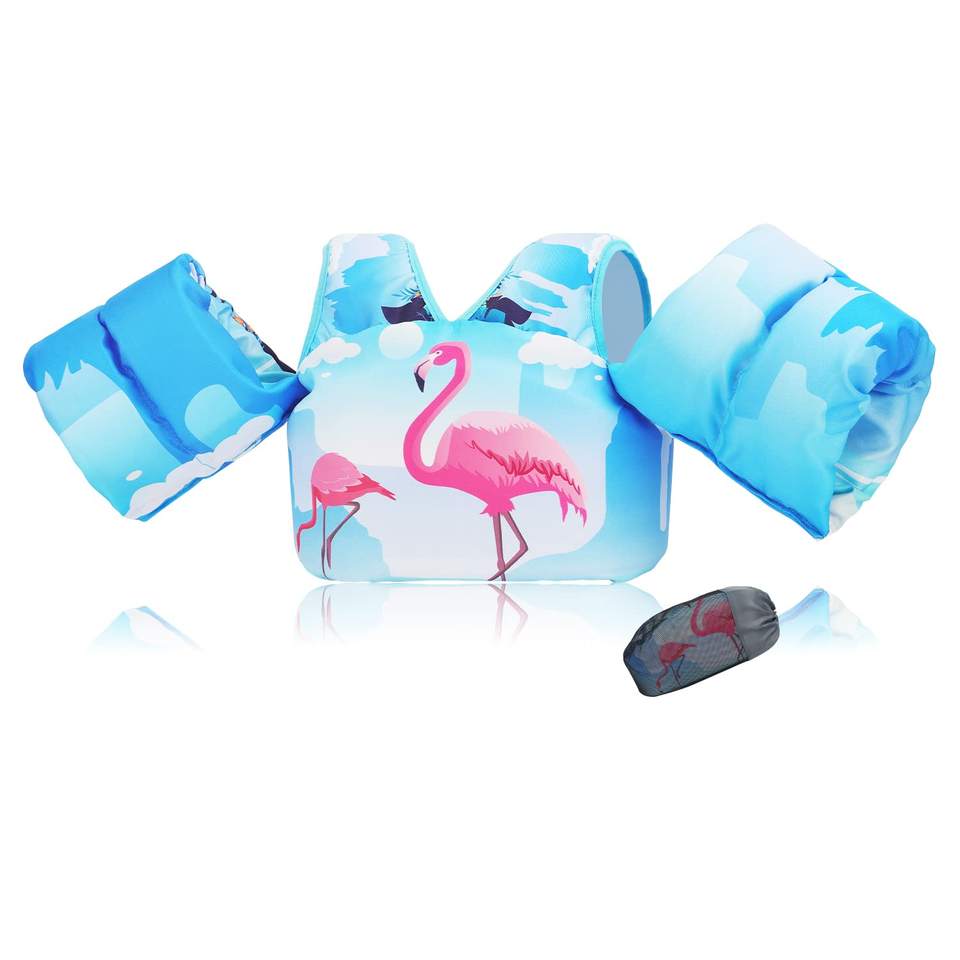 Custom Flamingo Kids Swim Vest | Neoprene Life Jacket with Adjustable Buckle
 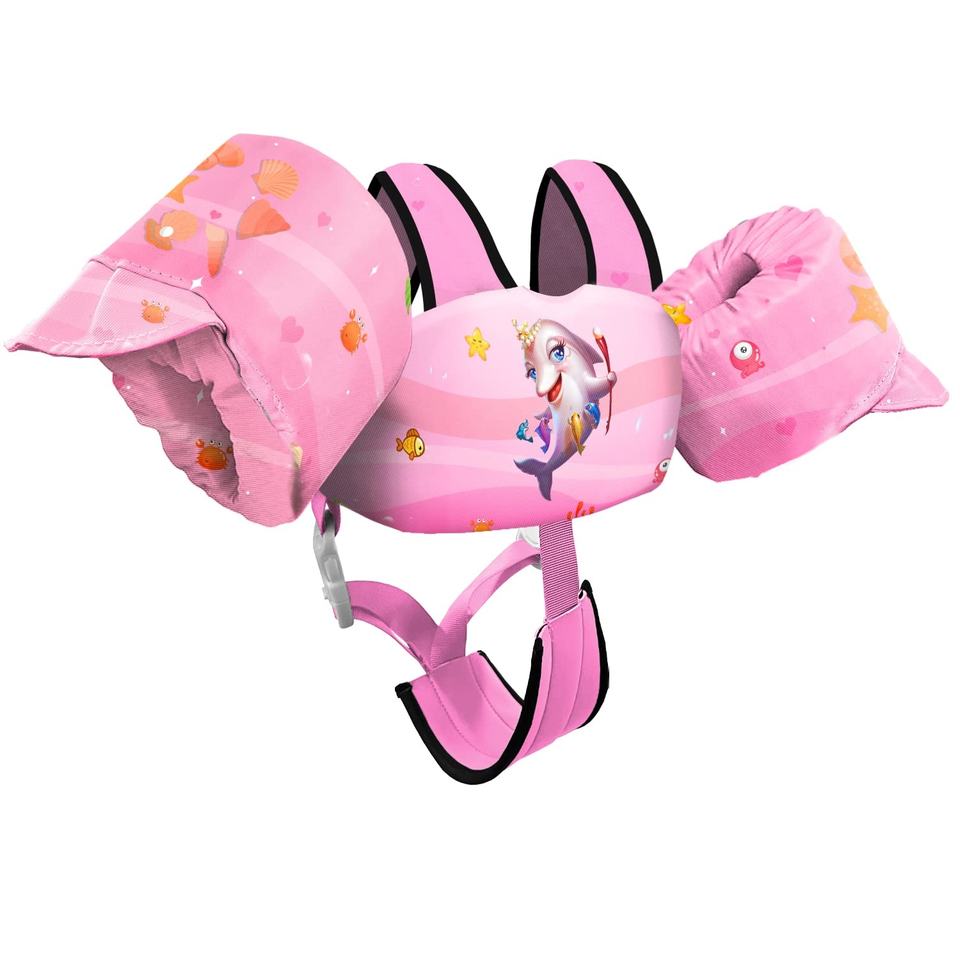 Eco-Friendly Neoprene Kids Swim Vest with Armbands | Toddler Floatation Device
 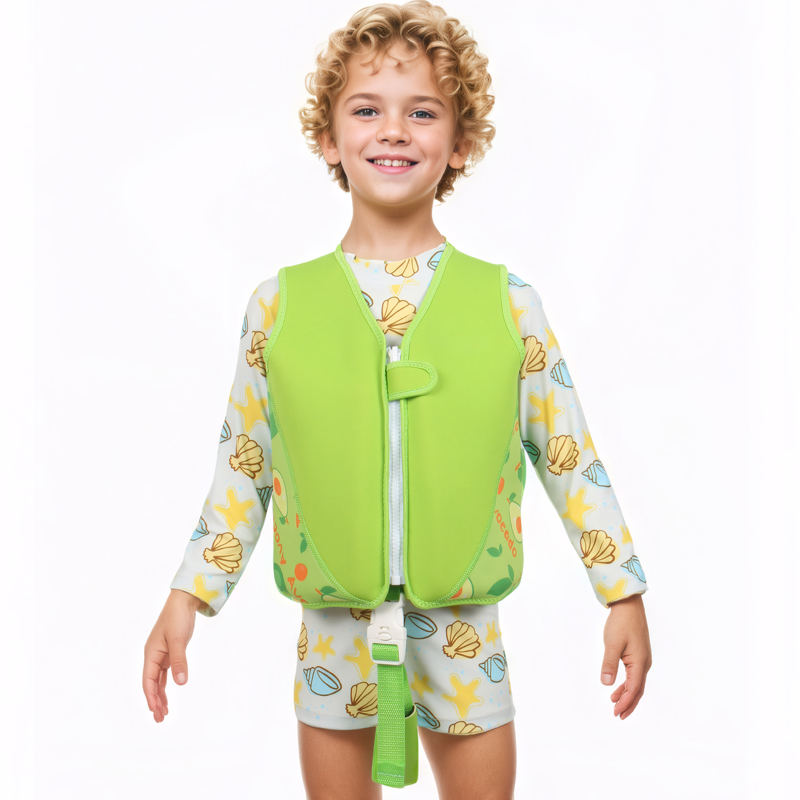 Premium Neoprene Kids Life Vest | Waterproof Baby Float Life Jacket for Swimming
 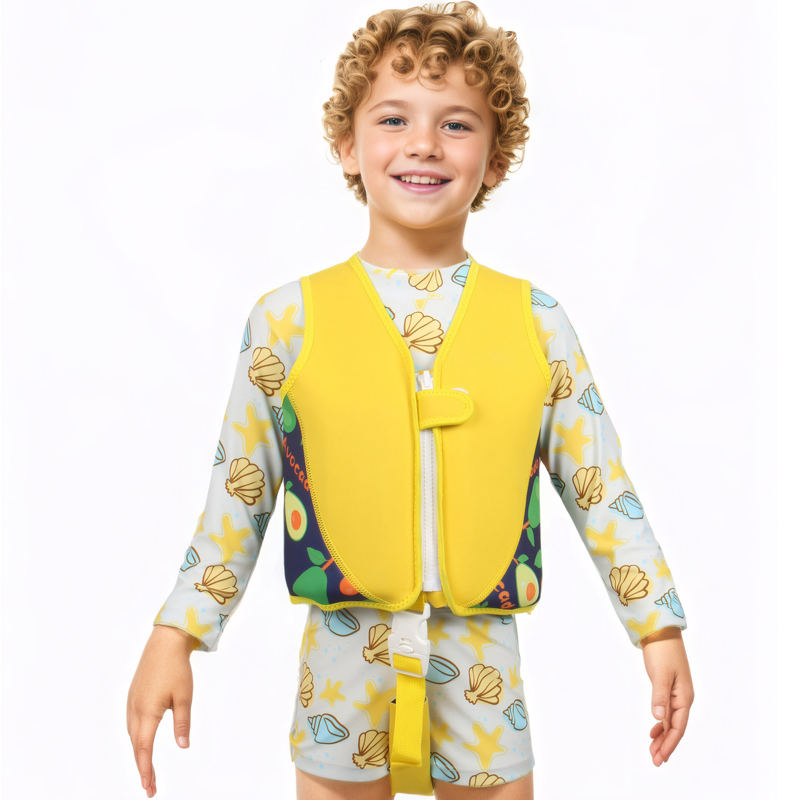 Cartoon Printed Neoprene Kids Life Vest | Eco-Friendly Buoyancy Swimwear
 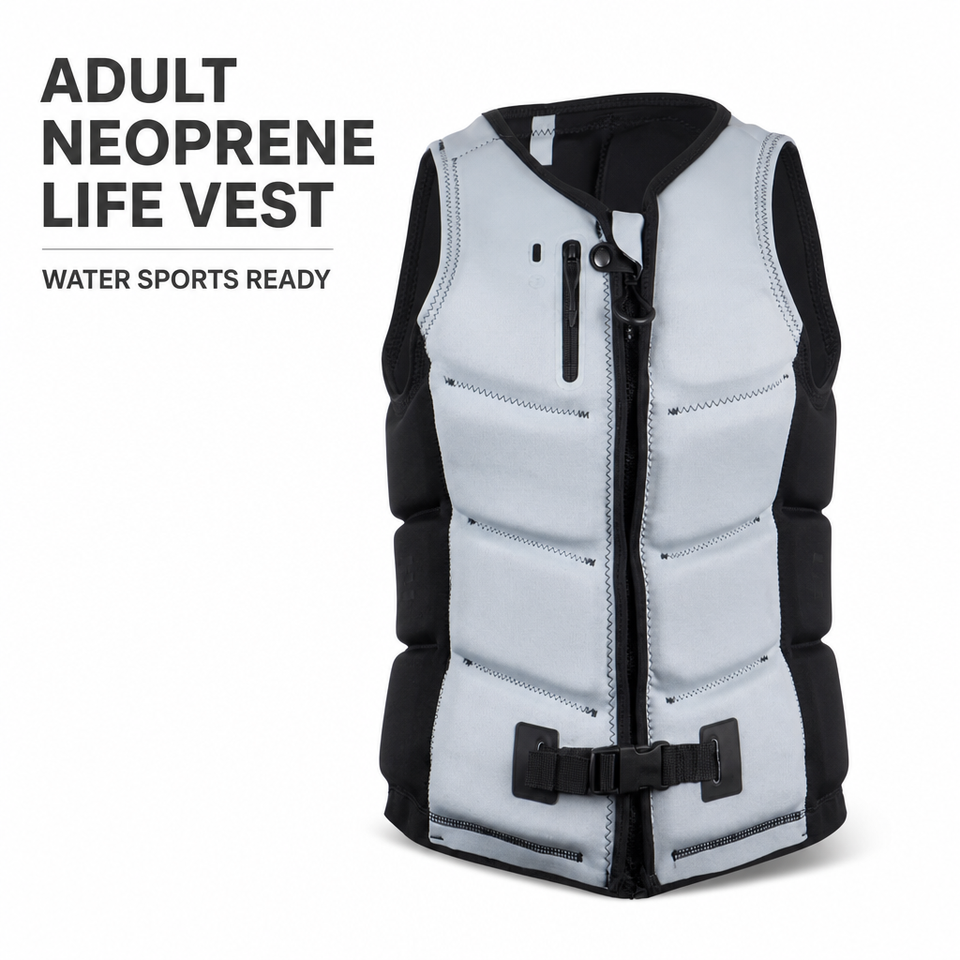 Premium Neoprene Adult Life Jacket | Custom Logo Swim Vest for Water Sports