 English
 简体中文
简体中文 Русский
 Español
 Deutsch
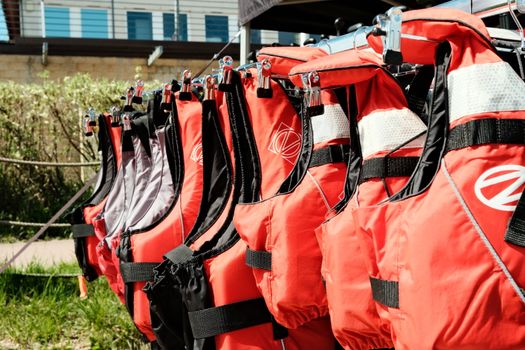
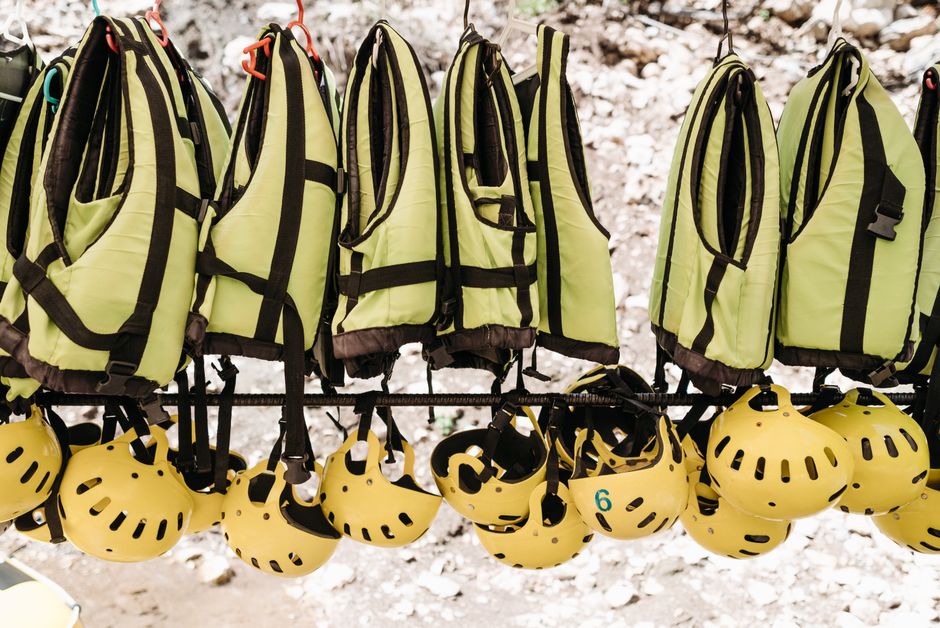
Why Proper Life Jacket Wear Matters
A life jacket is only as effective as the way it is worn. Statistics from boating safety organizations consistently show that the vast majority of drowning victims in recreational boating accidents were not wearing a life jacket at all — and among those who were, improper fit or fastening occasionally reduced the device's ability to keep a person's head above water. Learning to put on and adjust a life jacket correctly is one of the simplest, most impactful safety skills any boater, paddler, or swimmer can master.
This step-by-step guide walks you through choosing the right jacket, putting it on, adjusting it for a secure fit, and testing it in the water. Whether you wear a bulky offshore vest or a slim inflatable belt pack, the same core principles apply: the device must stay in place, stay fastened, and keep your airway clear if you end up in the water.
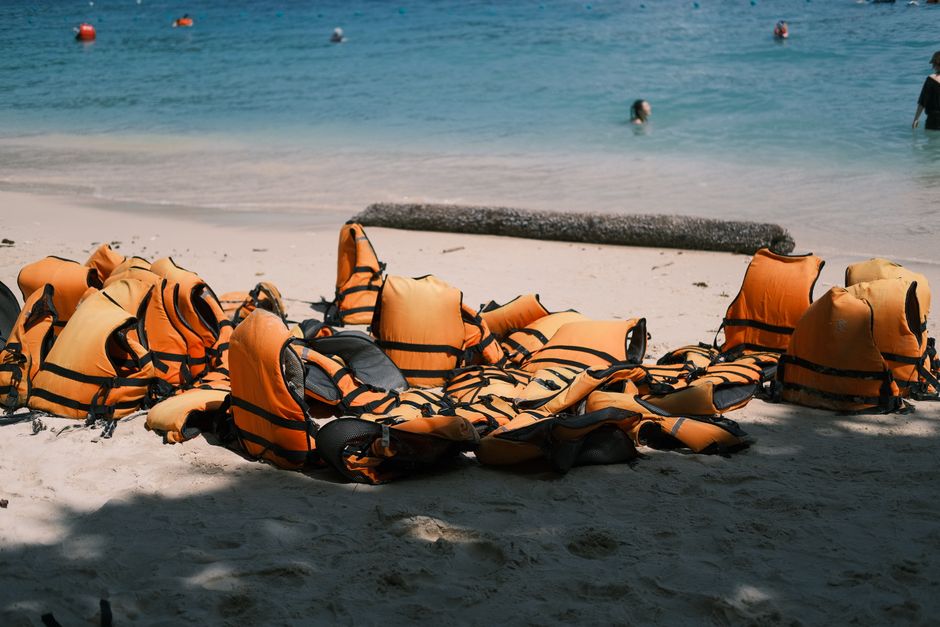
Step 1: Choose the Right Life Jacket for Your Activity
Before you can wear a life jacket properly, you need one that matches your body size, weight, and intended use. Life jackets are rated by buoyancy and categorized by performance type.
Understand US Coast Guard Performance Types
| Type | Best For | Key Traits |
|---|---|---|
| Type I (Offshore) | Open water, rough conditions | Highest buoyancy, turns most unconscious wearers face-up |
| Type II (Near-Shore) | Calm inland waters | Good buoyancy, may require wearer to tilt head back |
| Type III (Flotation Aid) | Paddling, fishing, water sports | Comfortable, frequent-wear design, requires active swimming |
| Type IV (Throwable) | Emergency backup | Ring or cushion, not worn on the body |
| Type V (Special Use) | Inflatable vests, work vests | Approved only for specific activities listed on the label |
Match Size to Body Weight
Check the label for a weight range and chest measurement. A jacket that is too large can ride up over your head; one that is too small cannot be fully fastened. Children's jackets should be sized by weight, and infants need a model with a head support collar and a crotch strap.
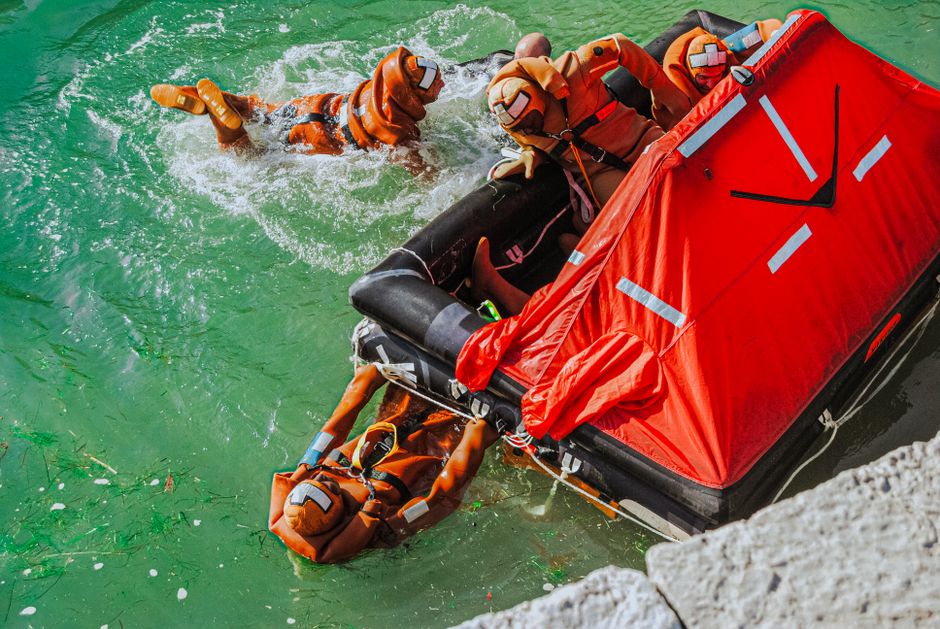
Step 2: Inspect the Life Jacket Before Wearing
Perform a quick inspection every time you put on a life jacket, especially if it has been stored for months.
- Check the US Coast Guard approval label — it should be legible and intact.
- Look for tears, punctures, or worn stitching in the shell and straps.
- Confirm all buckles, zippers, and snaps function smoothly.
- For inflatables, verify the CO2 cartridge is screwed in tightly and the indicator is green.
- Squeeze the foam panels to make sure they have not become stiff, cracked, or waterlogged.
If any component fails, replace the jacket. A compromised life jacket is not a safety device.
Step 3: Put the Life Jacket On Correctly
Most life jackets go on like a vest, but the order of fastening matters more than people realize.
Front-Zip Vest Style
- Loosen all side and shoulder straps so the jacket opens wide.
- Slip your arms through the armholes and pull the vest down over your chest.
- Close the front zipper fully — never leave it partially zipped.
- Fasten every side buckle and snap, working from the bottom upward.
- Tighten the side straps, then the shoulder straps.
Over-the-Head Style
- Unbuckle the side straps and hold the jacket open.
- Lower it over your head, guiding your arms through the openings.
- Fasten the front and side buckles.
- Adjust the straps so the jacket hugs your torso without restricting breathing.
Inflatable Belt Pack or Vest
- Put the belt or vest on and adjust it so it sits snugly against your body.
- Fasten the buckle and check that the manual inflation handle is accessible.
- Remember that an inflatable only provides buoyancy once deployed — it is not a substitute for a worn foam vest in rough water.
Step 4: Adjust for a Snug, Secure Fit
Fit is the single most important factor in whether a life jacket will work. A properly fitted jacket should feel snug but not tight enough to restrict breathing.
The Two-Finger Rule
Slide two fingers under the shoulder straps. You should be able to fit them comfortably, but not your whole hand. If you can pull the shoulder straps up past your ears, the jacket is too loose.
The Tug Test
Have a friend grasp the shoulders of the jacket and gently lift upward. The jacket should not slide up over your chin or ears. If it does, tighten the side and shoulder straps and retest.
Check the Crotch Strap
Many child and some adult jackets include a crotch strap. This strap prevents the jacket from riding up in the water and should always be fastened when provided.
Step 5: Test the Fit in Shallow Water
The best way to confirm a life jacket fits correctly is to test it in waist-deep water with a companion nearby.
- Wade into calm, shallow water and relax.
- Let your body float naturally and see whether the jacket keeps your chin above the surface.
- Raise your arms and check that the jacket does not slide up over your head.
- Tilt your head back and confirm your airway stays clear.
- Practice floating on your back and, if applicable, deploying an inflatable vest.
If the jacket rides up, tighten the straps and repeat the test. Never test an inflatable by manually inflating it in a pool without first reading the manufacturer's instructions.
Common Mistakes to Avoid
- Wearing a jacket unzipped or unbuckled: An open jacket can slip off in a fall.
- Using an adult jacket for a child: Kids need weight-appropriate sizing and a crotch strap.
- Storing a jacket compressed: Long-term compression can deform foam and reduce buoyancy.
- Assuming an inflatable is always ready: Inflatables require maintenance and a charged cartridge.
- Removing the jacket in calm water: Conditions change quickly; keep it on.
Life Jacket Care and Maintenance
Proper care extends the life of your jacket and ensures it performs when needed.
- Rinse with fresh water after every use, especially in saltwater or chlorinated pools.
- Hang to dry in a shaded, ventilated area — never in direct sunlight or a hot car.
- Store loosely, not folded or compressed, in a dry location.
- Inspect inflatables annually and replace CO2 cartridges after any deployment.
- Replace any jacket with damaged foam, straps, or hardware.
Final Thoughts
Wearing a life jacket correctly is a habit that takes seconds but can save a life. Choose the right type for your activity, inspect it before each use, fasten every buckle, and adjust the straps until the jacket hugs your body without riding up. Test the fit in shallow water, and teach children to do the same. When a life jacket fits and functions properly, it gives you the freedom to enjoy the water with confidence — and gives your family peace of mind.
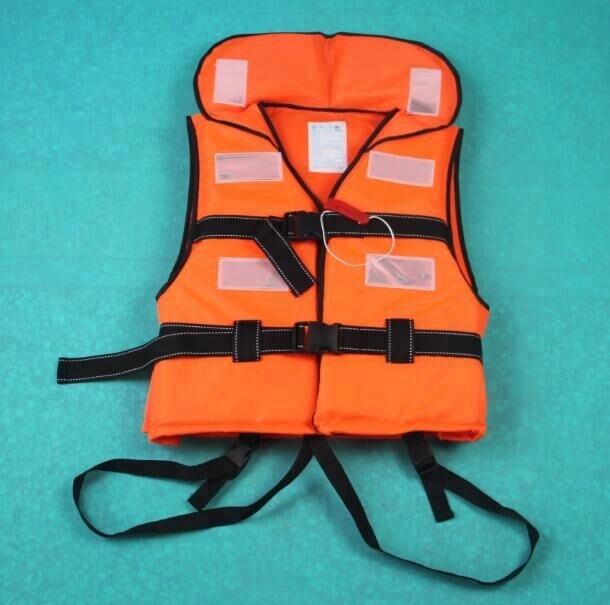 MT-LJ01 150N Buoyancy Life Jacket Vest | Oxford Fabric, SOLAS Reflective, Personal Rescue
 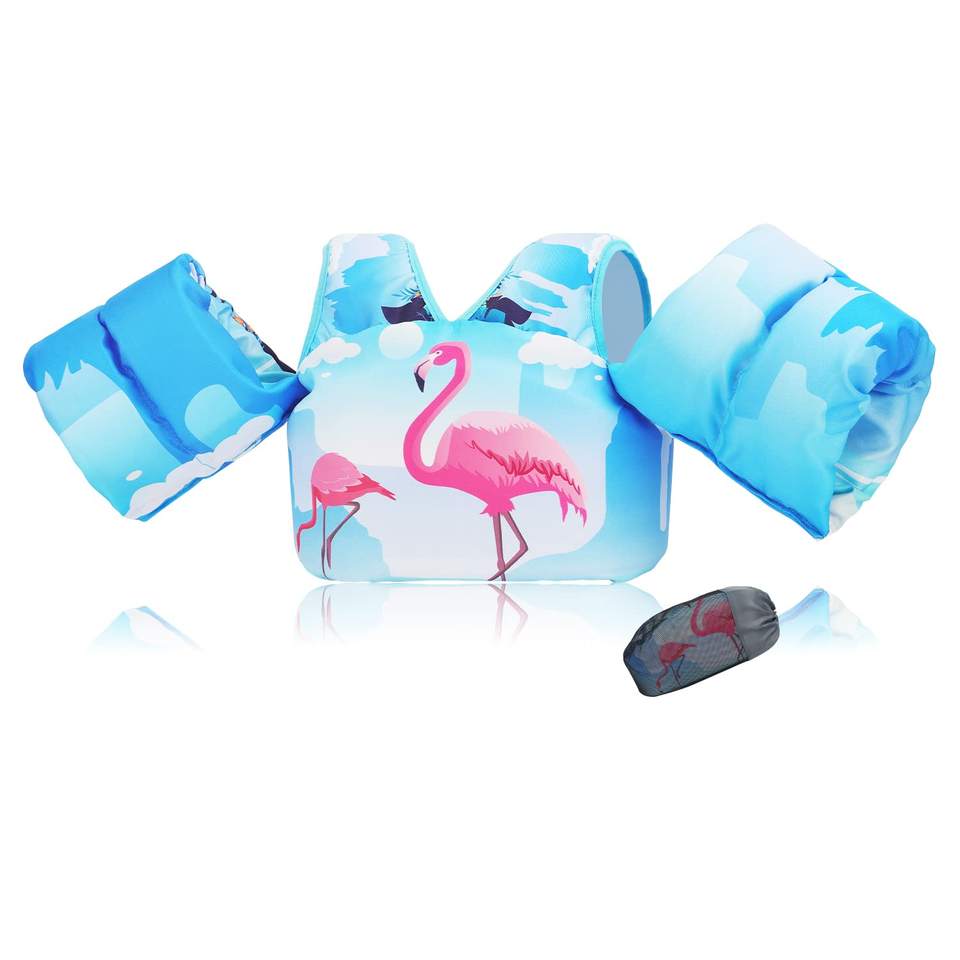 Custom Flamingo Kids Swim Vest | Neoprene Life Jacket with Adjustable Buckle
 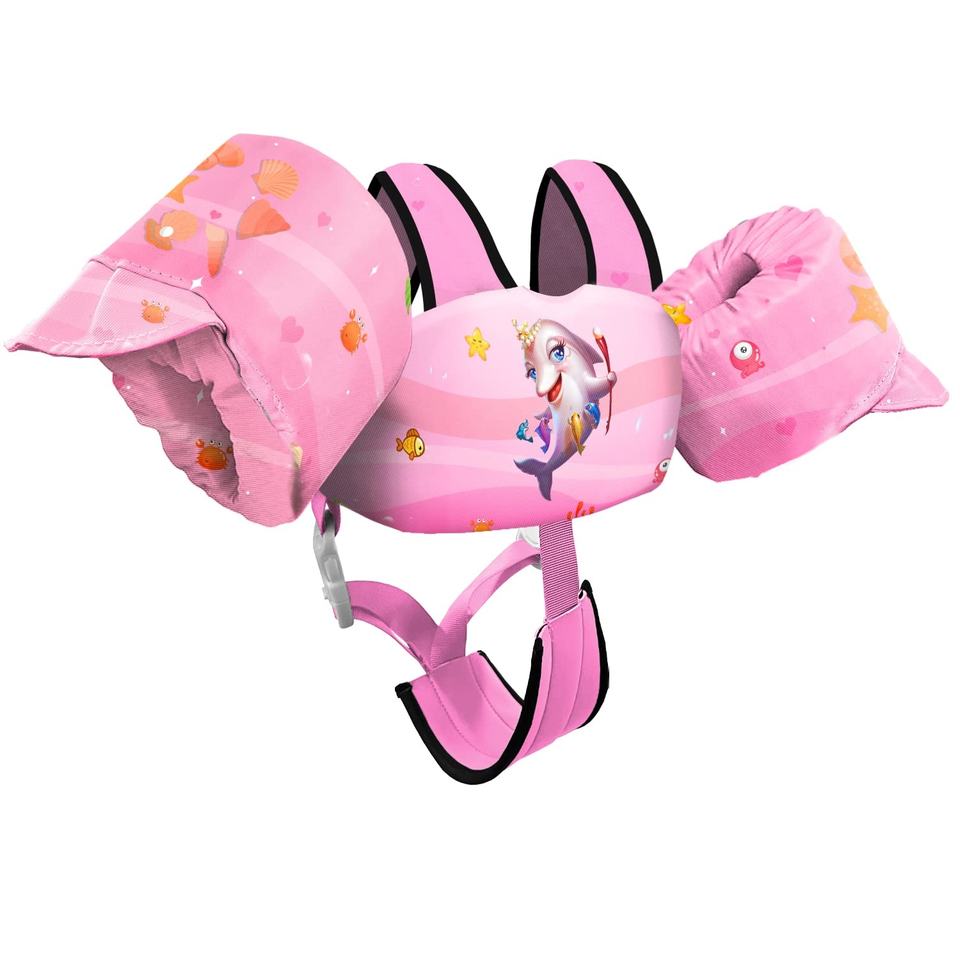 Eco-Friendly Neoprene Kids Swim Vest with Armbands | Toddler Floatation Device
 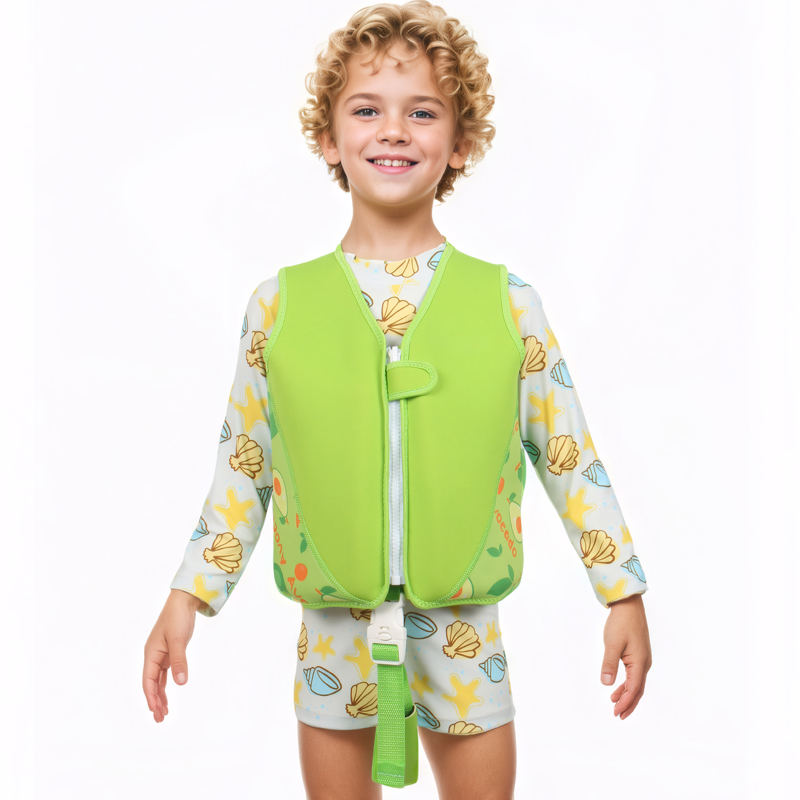 Premium Neoprene Kids Life Vest | Waterproof Baby Float Life Jacket for Swimming
 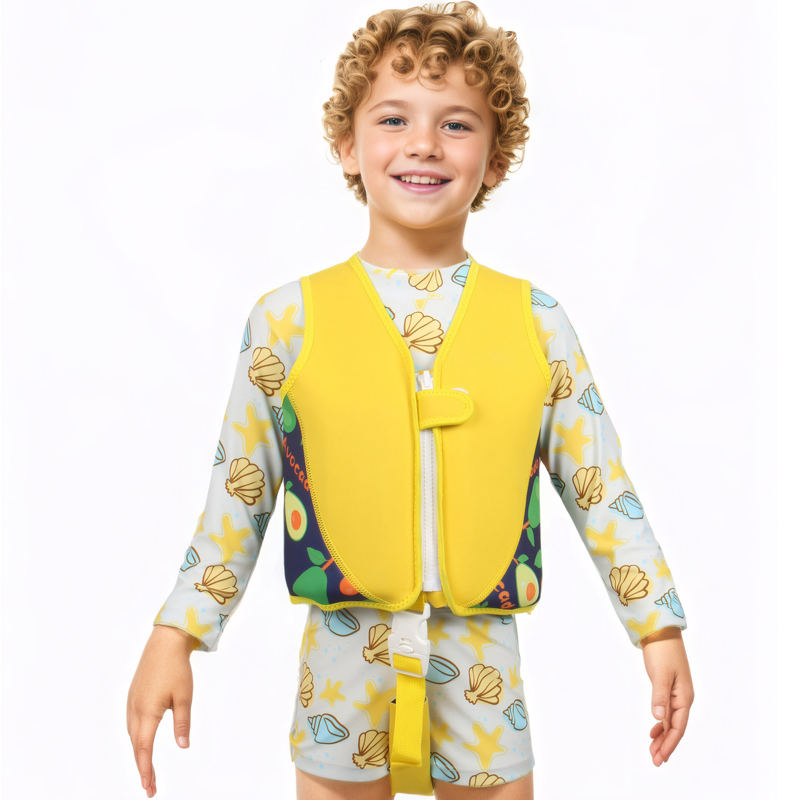 Cartoon Printed Neoprene Kids Life Vest | Eco-Friendly Buoyancy Swimwear
 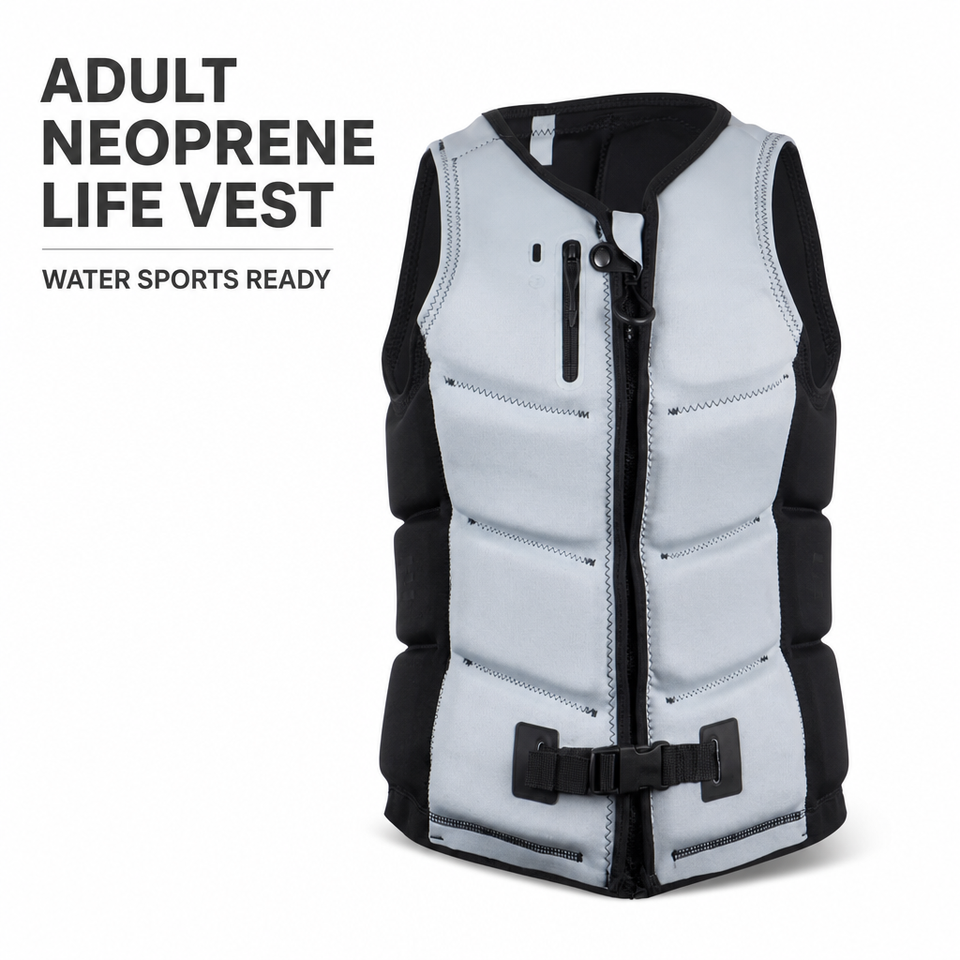 Premium Neoprene Adult Life Jacket | Custom Logo Swim Vest for Water Sports