 English
 简体中文
简体中文 Русский
 Español
 Deutsch

Inflatable Life Jacket Pros and Cons: Is It Right for You?
Choosing the right life jacket is one of the most important safety decisions you'll make on the water. Inflatable life jackets have surged in popularity over the past decade, offering a sleek alternative to traditional foam vests. But are they truly better, or just more comfortable? This guide breaks down the inflatable life jacket pros and cons, compares them side-by-side with foam and hybrid options, and helps you decide which type fits your boating lifestyle.
What Is an Inflatable Life Jacket?
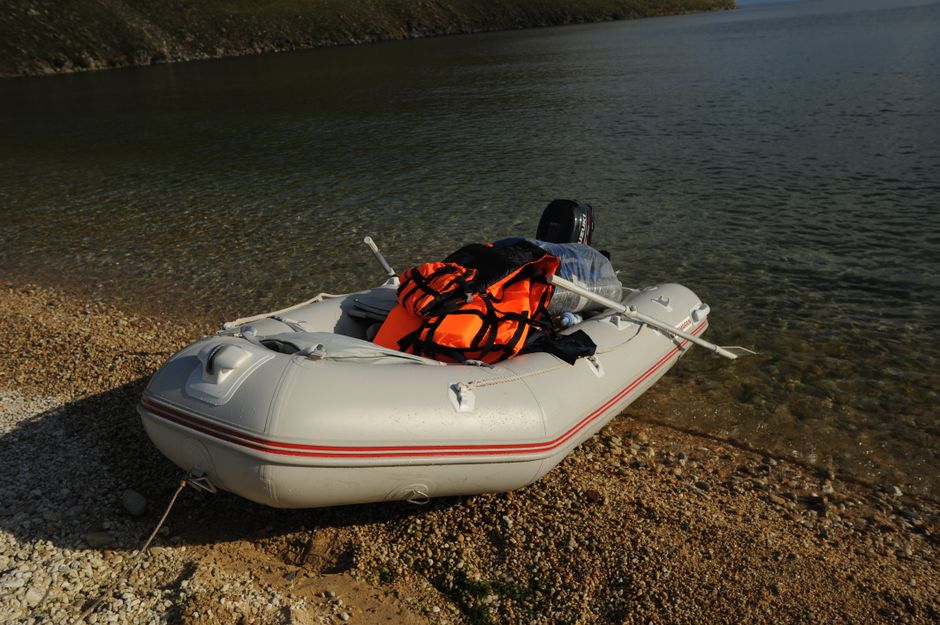
An inflatable life jacket—also called a PFD (personal flotation device)—stays deflated until you need it. It inflates automatically when submerged, manually when you pull a cord, or both, depending on the model. Most use a CO2 cartridge to fill a bladder in seconds. Because they're flat and lightweight when worn, they're far less bulky than traditional foam vests.
There are three main inflation types:
- Automatic: Inflates when a water-activated sensor dissolves. Best for most recreational boaters.
- Manual: You pull a handle to inflate. Good for kayakers and paddleboarders who may get wet without needing flotation.
- Hybrid: Combines a small amount of foam with an inflatable chamber. Offers backup buoyancy if inflation fails.
Key Pros of Inflatable Life Jackets
1. All-Day Comfort
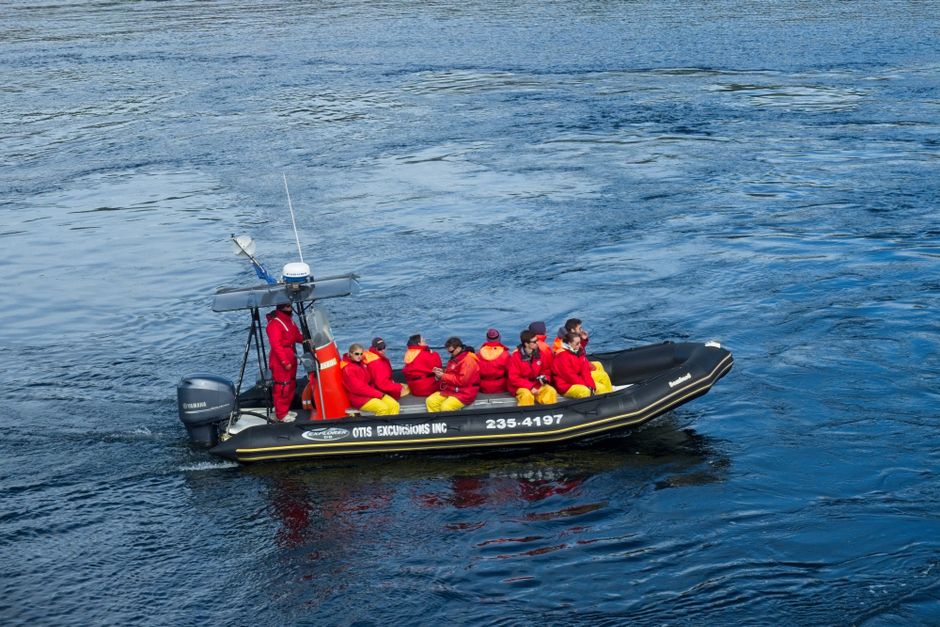
This is the number-one reason boaters switch. A deflated inflatable feels like a slim vest or harness. You can cast, paddle, or drive without restricted arm movement or a sweaty back.
2. Better Wear Compliance
Safety experts agree: the best life jacket is the one you actually wear. Because inflatables are comfortable, boaters are far more likely to keep them on—especially in warm weather.
3. Compact Storage
Inflatable life jackets fold into small pouches, freeing up locker space and keeping decks clear.
4. Strong Buoyancy When Inflated
Most inflatables provide 22–35 lbs of buoyancy—more than many foam vests—and can turn an unconscious wearer face-up.
5. Visibility and Accessories
Many models include reflective tape, D-rings, and whistle attachments, making them practical for offshore use.
Key Cons of Inflatable Life Jackets
1. Requires Maintenance
You must inspect the CO2 cartridge, bobbin, and bladder regularly. An unmaintained inflatable may fail when you need it most.
2. Not for Non-Swimmers or Children
Inflatables are not approved for children under 16 in many regions, and they're a poor choice for weak swimmers who need constant flotation.
3. Can Be Expensive
A quality automatic inflatable costs $80–$200, plus $20–$40 for rearming kits after each inflation.
4. Inflation Isn't Instant
It takes 2–5 seconds to fully inflate—precious time in rough water or if you're injured.
5. Not for High-Impact Sports
Whitewater kayaking, jet skiing, and tow sports often require impact-rated foam PFDs.
Comparison Table: Inflatable vs. Foam vs. Hybrid
| Feature | Inflatable | Foam Vest | Hybrid |
|---|---|---|---|
| Comfort | Excellent | Fair | Good |
| Bulk | Minimal | Bulky | Moderate |
| Buoyancy (lbs) | 22–35 | 15–22 | 20–28 |
| Maintenance | High | None | Moderate |
| Cost | $80–$200 | $30–$80 | $60–$150 |
| Child-Safe | No | Yes | Sometimes |
| Impact Protection | No | Yes | Partial |
| Reusability | Rearm needed | Unlimited | Rearm needed |
Who Should Choose an Inflatable Life Jacket?
Inflatable life jackets are ideal for:
- Adult, competent swimmers
- Cruisers, sailors, and anglers who wear PFDs for hours
- Warm climates where foam vests become unbearable
- Boaters with limited storage space
They are not recommended for:
- Children and non-swimmers
- Whitewater, tow sports, or personal watercraft
- Anyone unwilling to perform regular maintenance
How to Maintain Your Inflatable Life Jacket
To keep your inflatable reliable, follow these steps:
- Inspect the CO2 cartridge for corrosion or punctures every season.
- Check the bobbin date—replace annually or per manufacturer guidance.
- Manually inflate the bladder and let it sit 24 hours to test for leaks.
- Store it dry, flat, and out of direct sunlight.
- Replace the rearming kit after any inflation.
Final Recommendation
If you're an adult swimmer who spends long days on calm or coastal waters, an automatic inflatable life jacket is the clear winner. The comfort and wearability advantages are enormous, and modern models offer excellent buoyancy and safety features. Just commit to a yearly inspection routine.
If you need a PFD for children, high-impact sports, or you simply prefer zero maintenance, a traditional foam vest remains the smarter, safer choice. And if you want a middle ground, a hybrid model gives you backup buoyancy with inflatable comfort.
Ultimately, the best inflatable life jacket is the one you'll wear every trip. Weigh the pros and cons above against your boating habits, and choose the PFD that keeps you safe—and comfortable—on every voyage.
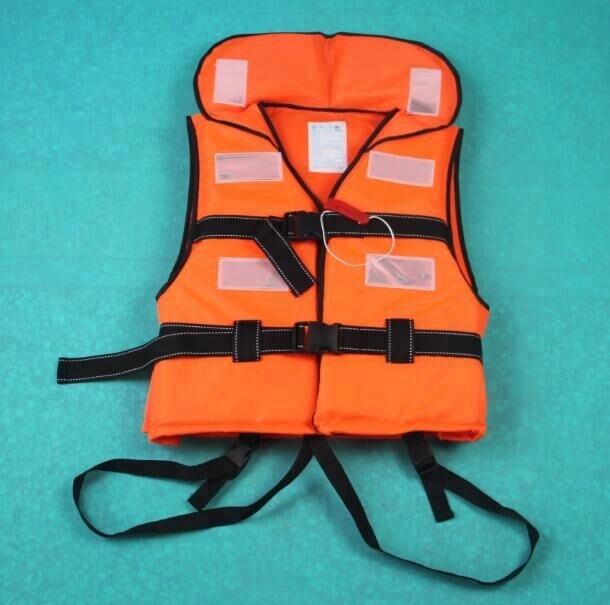 MT-LJ01 150N Buoyancy Life Jacket Vest | Oxford Fabric, SOLAS Reflective, Personal Rescue
 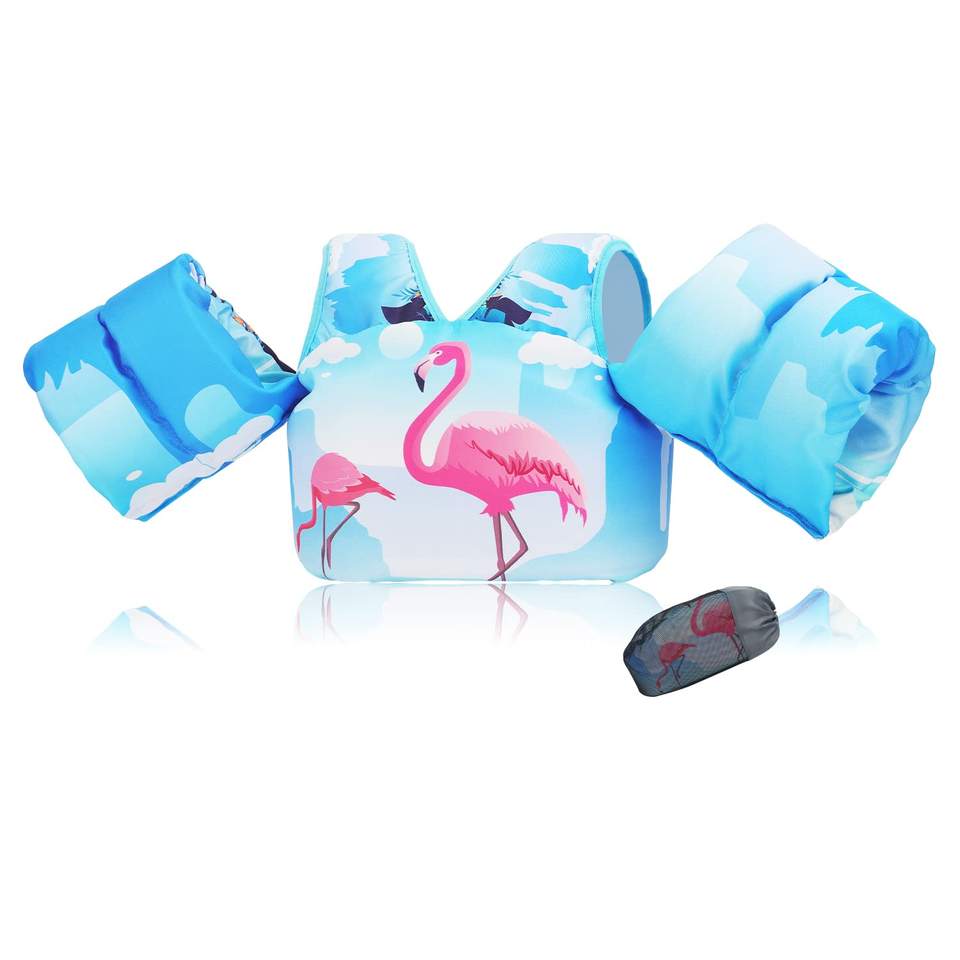 Custom Flamingo Kids Swim Vest | Neoprene Life Jacket with Adjustable Buckle
 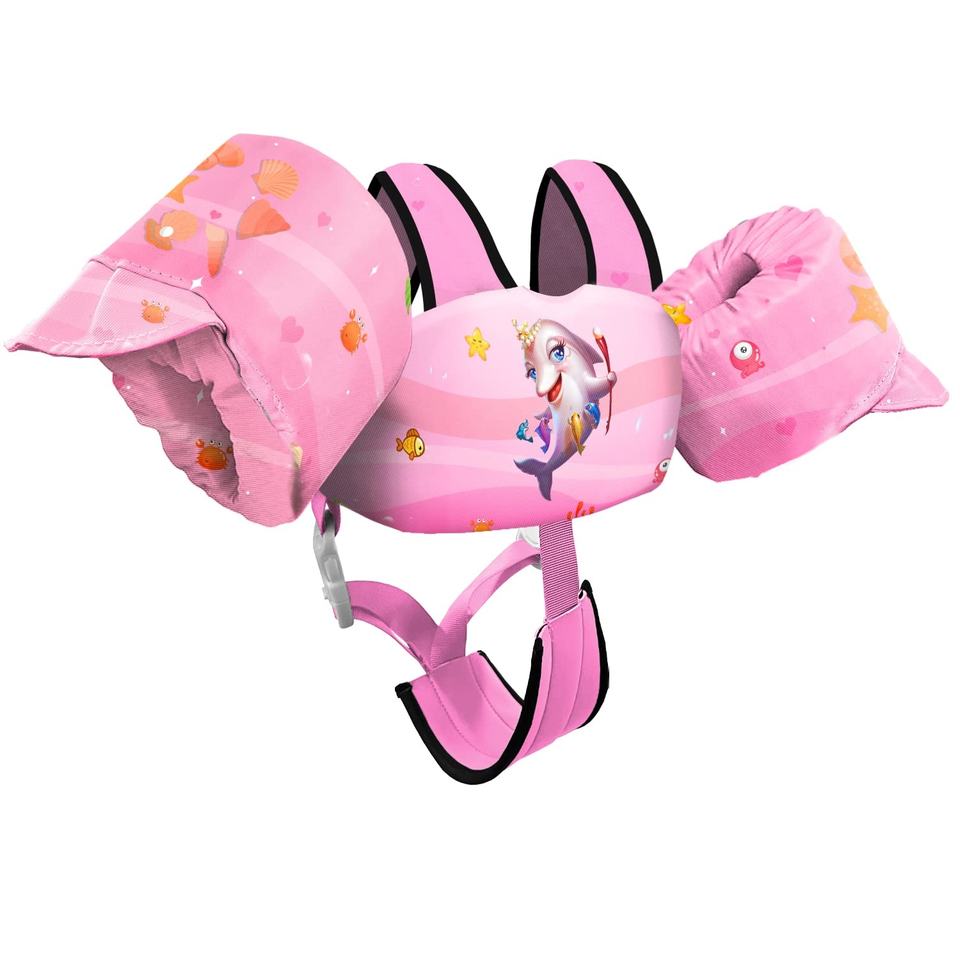 Eco-Friendly Neoprene Kids Swim Vest with Armbands | Toddler Floatation Device
 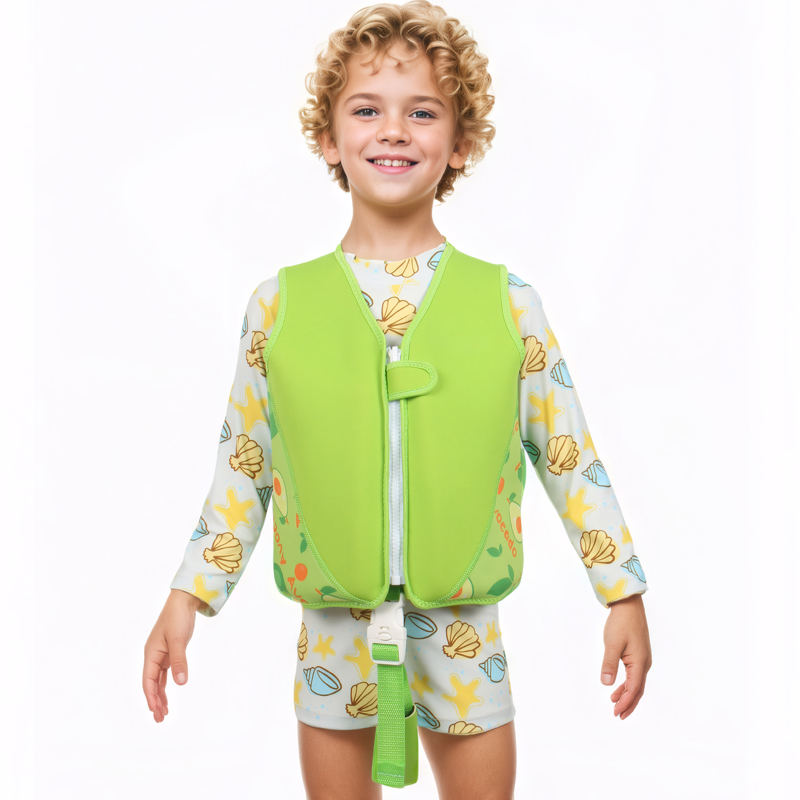 Premium Neoprene Kids Life Vest | Waterproof Baby Float Life Jacket for Swimming
 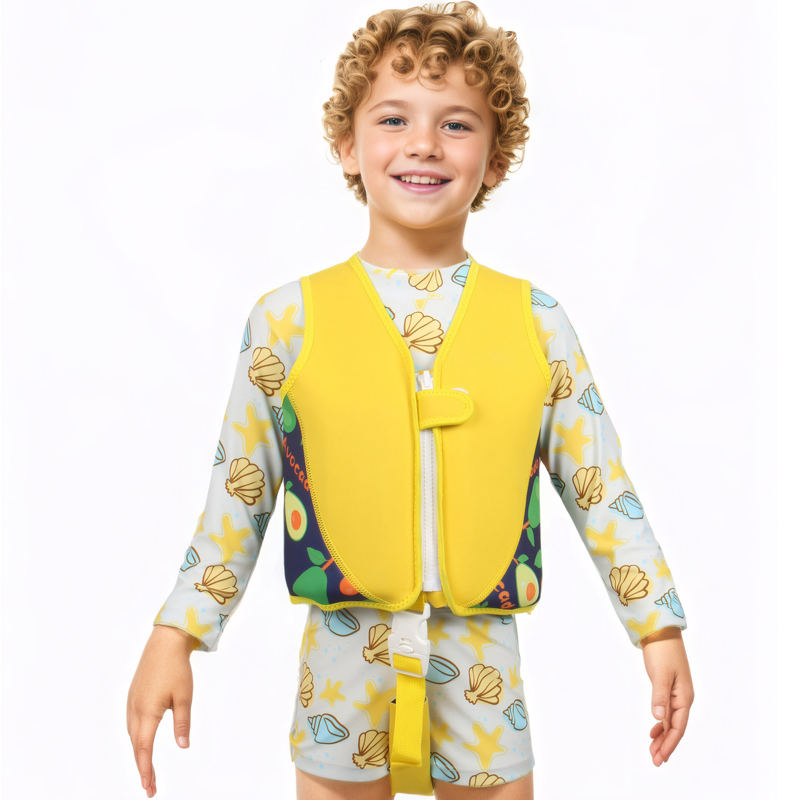 Cartoon Printed Neoprene Kids Life Vest | Eco-Friendly Buoyancy Swimwear
 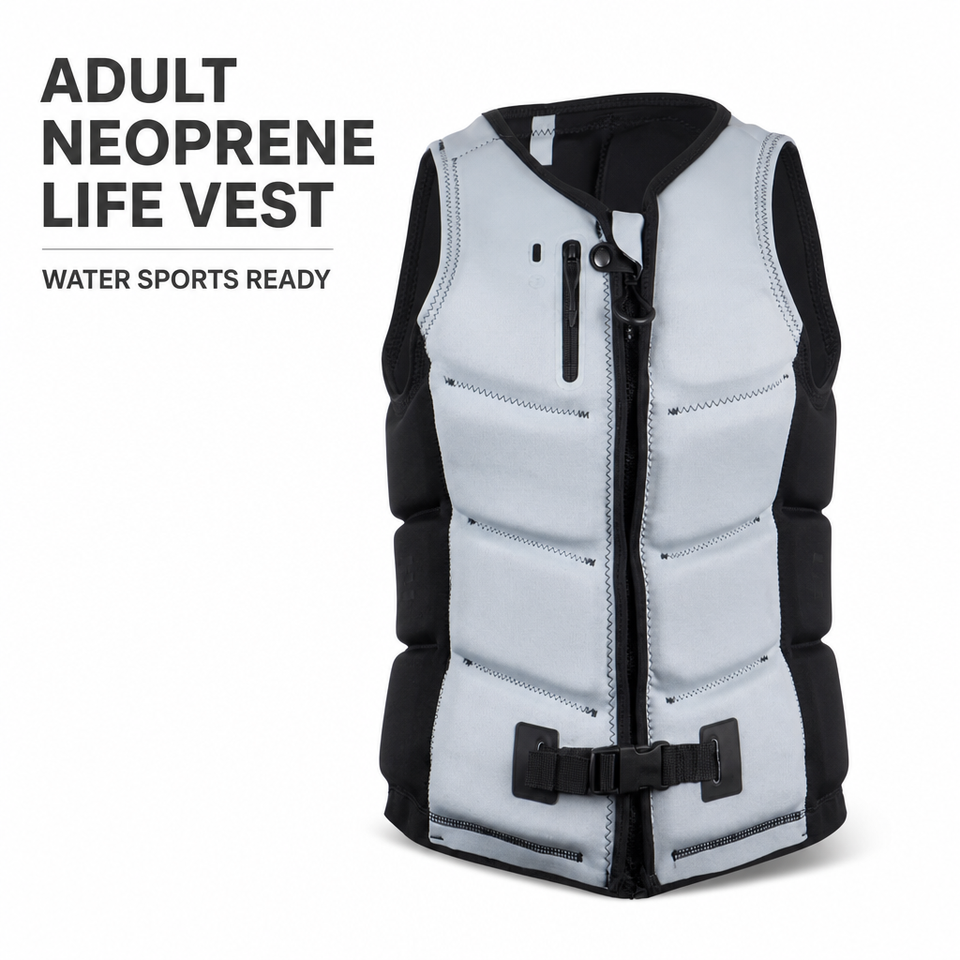 Premium Neoprene Adult Life Jacket | Custom Logo Swim Vest for Water Sports